Artwork
Primăvara
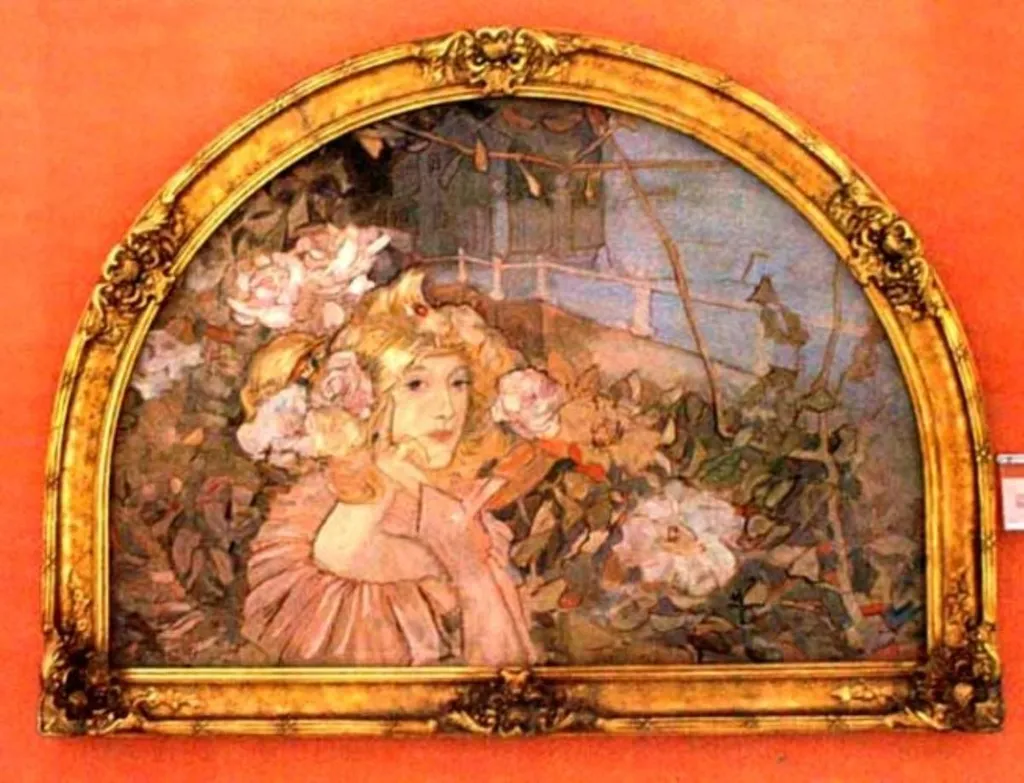
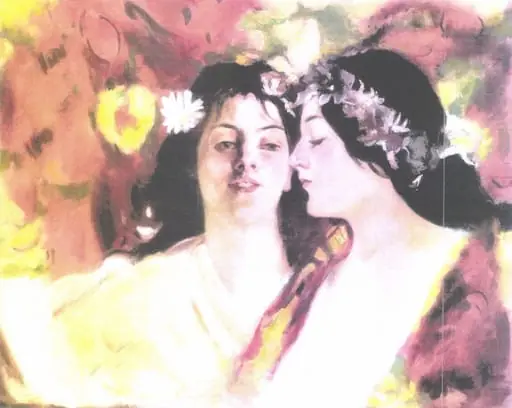
Primăvara is an unspecified painting by Ștefan Luchian. It dates from 1901 and is held in the collection of the National Museum of Art of Romania.
About this work
Overview
The background dissolves into soft, indistinct forms—trees, a bridge, and faint figures—suggesting a moment suspended between presence and memory.
Painted in 1901 by Romanian artist Ștefan Luchian, Primăvara is an intimate portrait set against a hazy outdoor backdrop. The subject, a woman in a pale pink dress, holds a bouquet of delicate white and pink blooms. The background dissolves into soft, indistinct forms—trees, a bridge, and faint figures—suggesting a moment suspended between presence and memory. The ornate gold frame, with its intricate swirling motifs, frames the scene as both a personal relic and a quiet meditation on transience.
Subject & Meaning
The woman’s serene expression and the freshness of the flowers evoke spring’s fleeting renewal, aligning the image with seasonal symbolism. Yet the blurred surroundings and the subject’s pale, luminous skin suggest something more elusive—a memory fading, or an idealized moment slipping away. The contrast between the vivid flowers and the muted landscape implies a tension between vitality and impermanence, inviting contemplation rather than narrative.
Technique & Style
Luchian employs a restrained palette and loose brushwork to dissolve the background into atmospheric haze, while the figure and flowers retain subtle definition. Light falls gently across the woman’s face and dress, creating a soft chiaroscuro that enhances their ethereal quality. The brushstrokes in the foliage and distant elements are deliberately indistinct, contrasting with the more deliberate rendering of the bouquet, guiding the viewer’s focus toward the central motif of fragile beauty.
History & Provenance
Primăvara was completed during Luchian’s mature period, shortly before his health declined due to progressive illness. It remained in private collections in Romania for decades, often cited in discussions of Symbolist-leaning Romanian art. The original ornate frame, likely commissioned by the artist or an early owner, has been preserved with the painting, reinforcing its status as a carefully composed object rather than a mere canvas.
Context
Created in the early 20th century, Primăvara reflects a broader European trend toward introspective, mood-driven imagery, influenced by Symbolism and Impressionism. While Luchian was trained in academic traditions, his later work moved away from realism toward emotional resonance. The painting’s quiet ambiguity aligns it with contemporaneous works that favored atmosphere over clarity, responding to a cultural shift toward inner experience over external narrative.
Legacy
Primăvara is recognized as one of Luchian’s most evocative compositions, emblematic of his ability to convey emotion through subtlety. It has been included in major Romanian retrospectives and is frequently referenced in studies of national art during the transition from 19th-century academicism to modern sensibilities. Its enduring presence lies not in grandeur, but in its quiet, lingering resonance—a portrait of stillness amid impermanence.
Artist & collection
Artist
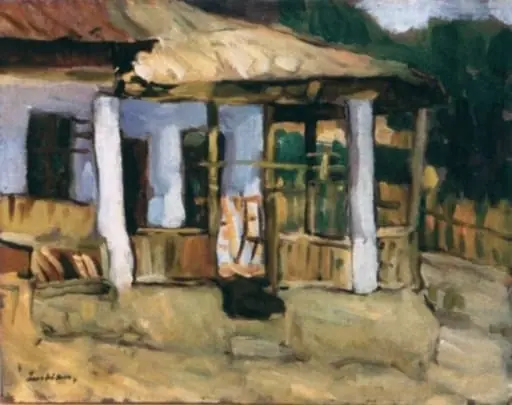
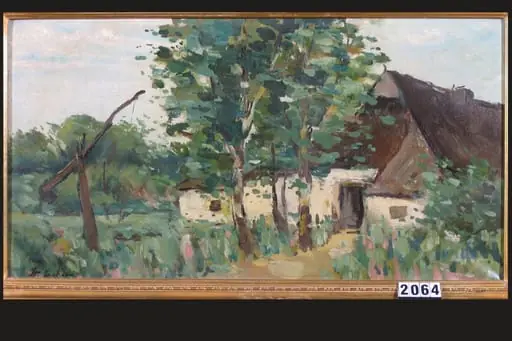
Ștefan Luchian painted quiet scenes of daily life in late-1800s Romania: sunlit houses, country roads, and a single studio work called Atelierul from 1894.

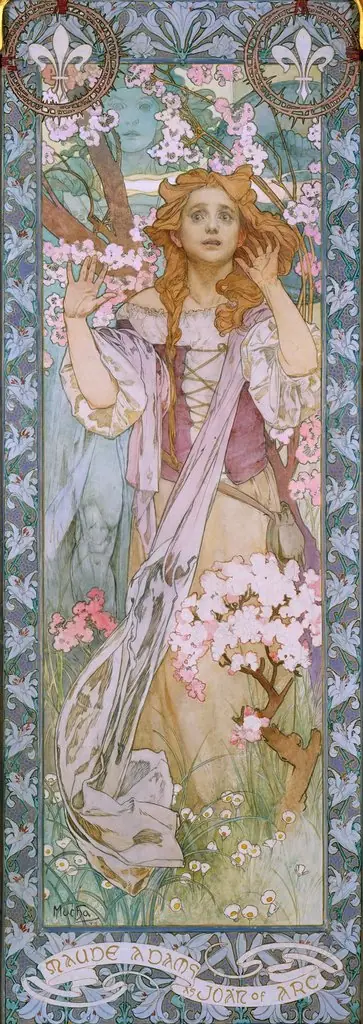 Maude Adams (1872–1953) as Joan of Arc
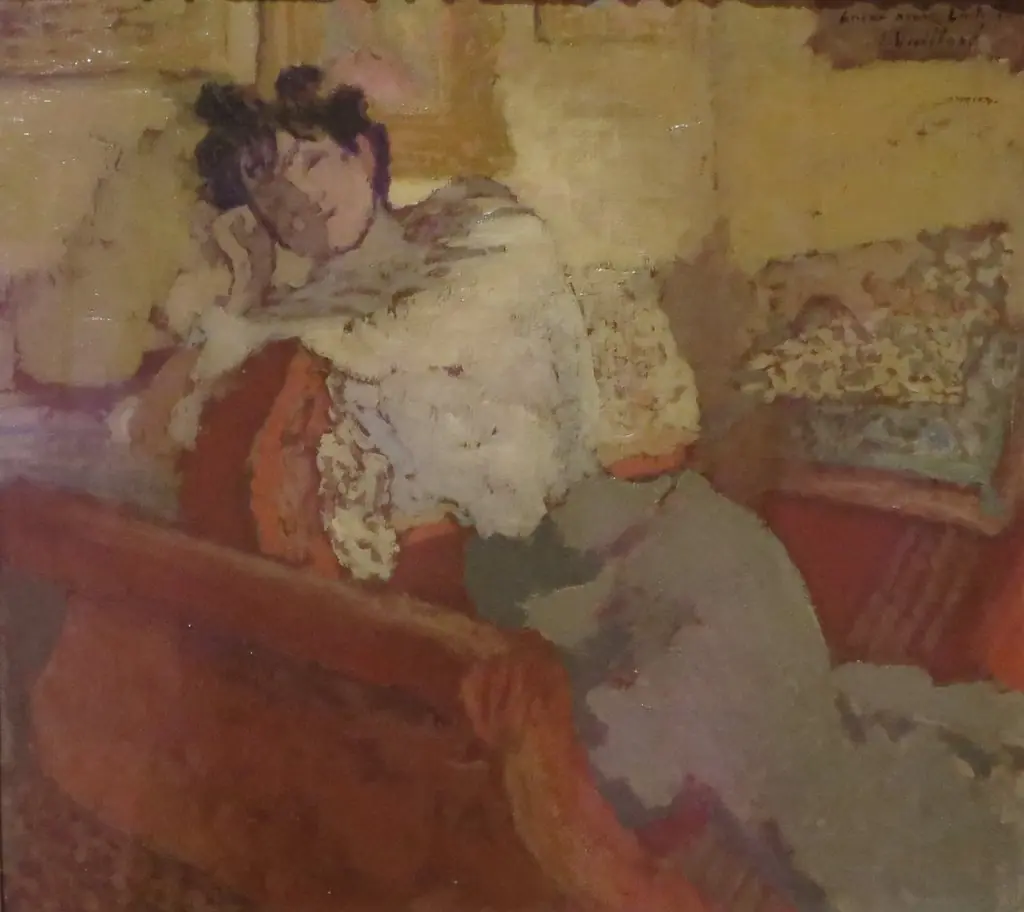 Lucie Hessel
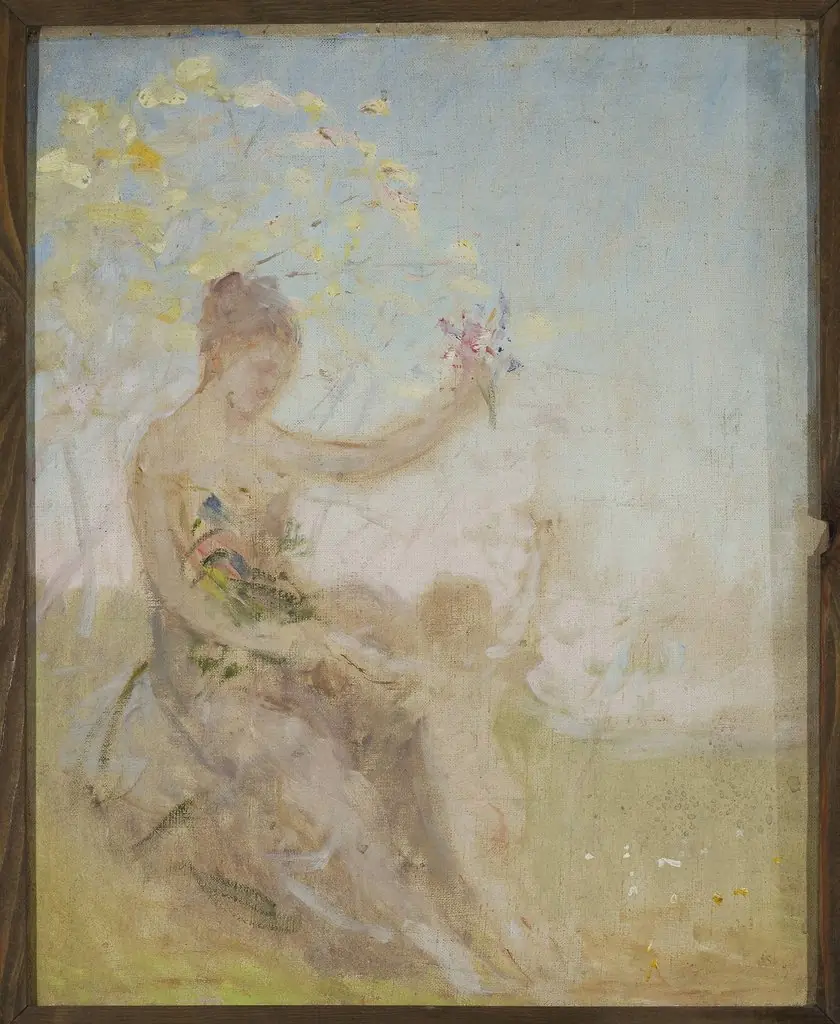 Sketch for the panel “Springtime” for the Bakhchi-Dere villa in Yalta
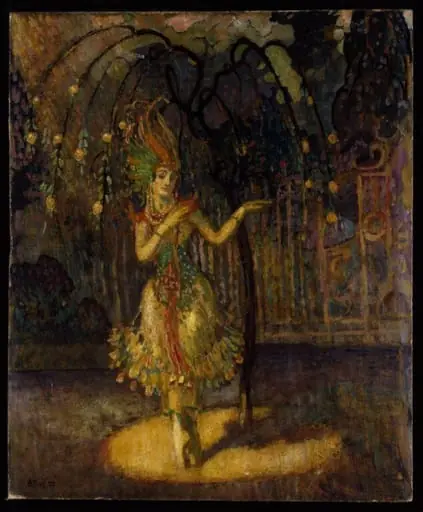 Tamara Karsavina as the Firebird in Mikhail Fokine's ballet 'L'Oiseau de feu'
 Olandeza
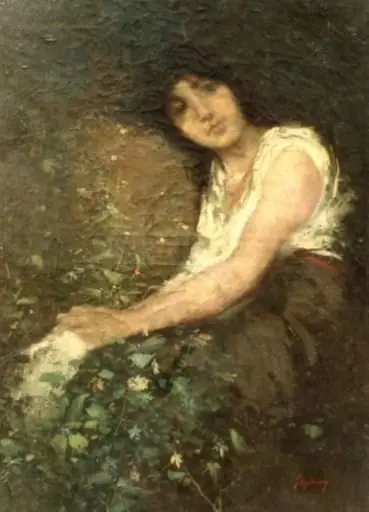 Pe gânduri
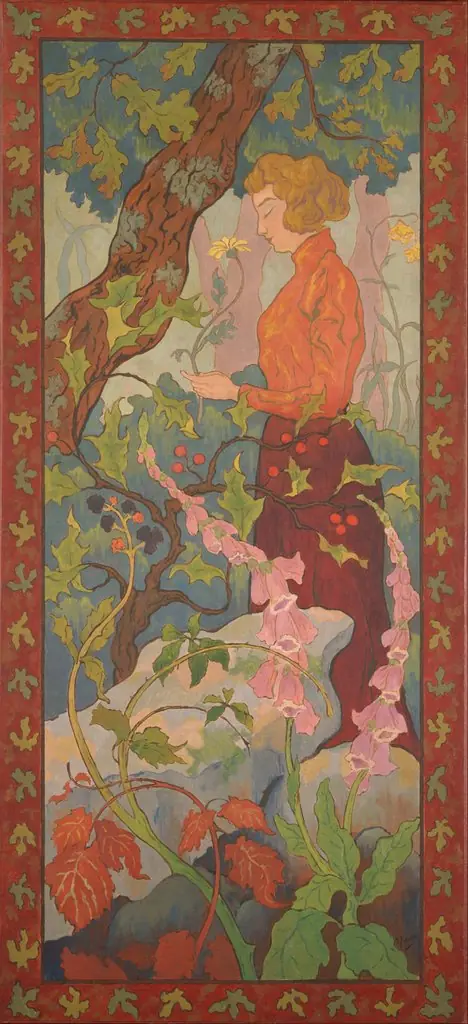 Digitales
 Retour
 Satyr cu nimfe
 Laura Cocea
 The garden of the magician
 Primăvară (Două muze)