Artwork
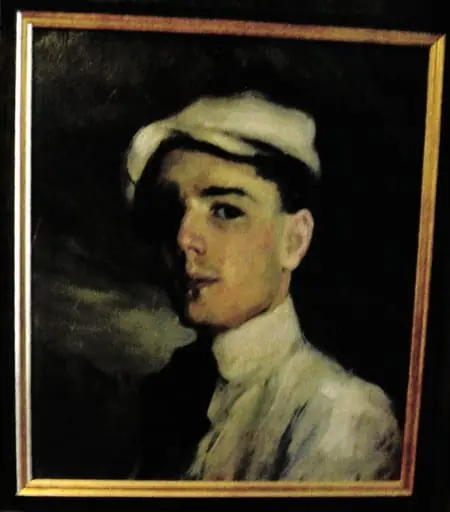
Portret de femeie
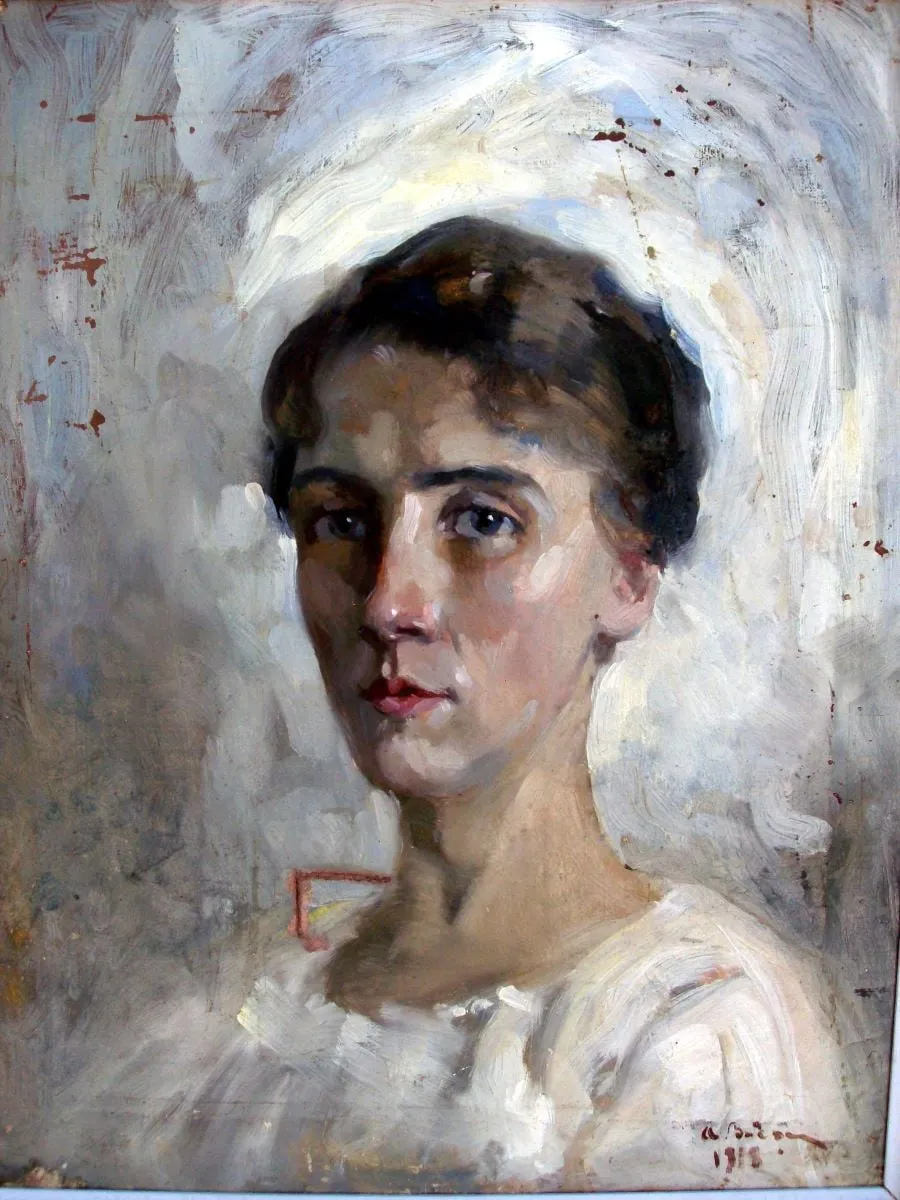
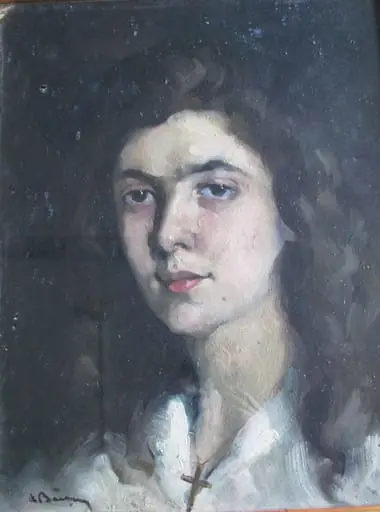
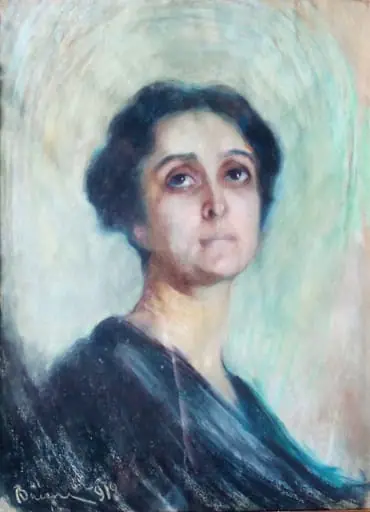
Portret de femeie is an unspecified painting by Aurel Băeșu. It dates from 1918 and is held in the collection of the Neamț National Museum Complex.
About this work
Overview
The work resides in the Museum of Ethnography and reflects the artist’s interest in capturing personal presence over formal idealization.
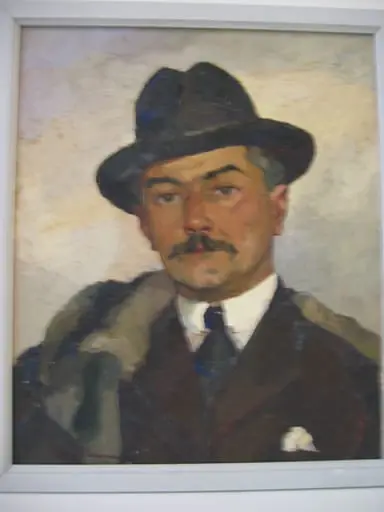
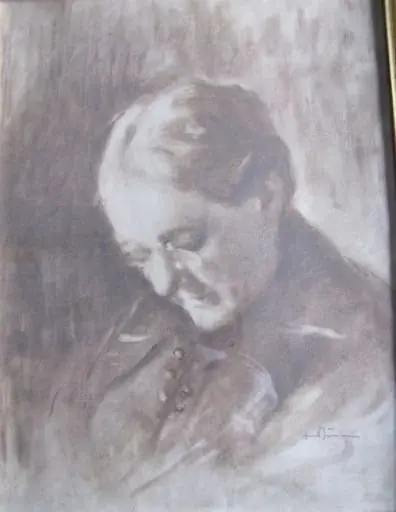
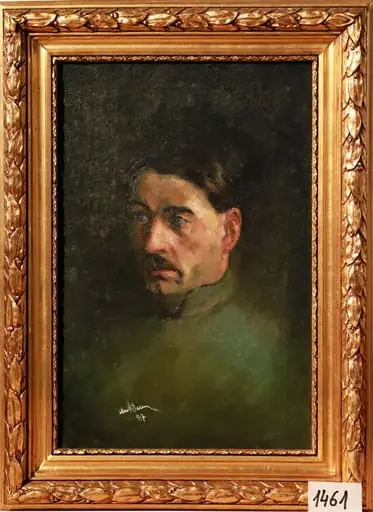
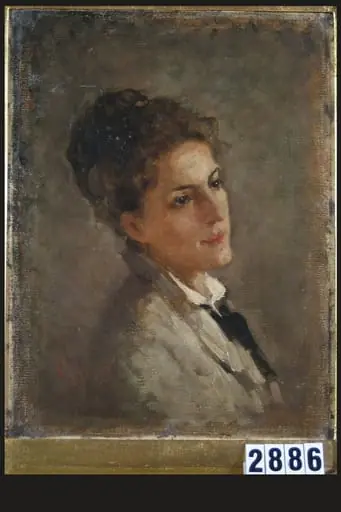
Painted in 1918 by Aurel Băeșu, this portrait depicts a woman’s upper torso and face, rendered with a sense of immediacy. The work resides in the Museum of Ethnography and reflects the artist’s interest in capturing personal presence over formal idealization. Its incomplete passages and textured brushwork suggest a spontaneous approach, as if the sitter’s essence was recorded in a single sitting rather than meticulously constructed.
Subject & Meaning
The subject is a woman, her gaze directed slightly away, conveying quiet introspection. Her modest attire—a high-collared, light-colored dress and neatly pinned hair—hints at everyday life rather than ceremonial dress. There is no overt symbolism; the focus lies in the quiet dignity of the individual. The painting avoids narrative, instead inviting contemplation of the sitter’s inner state through subtle expression and posture.
Technique & Style
Băeșu employed loose, visible brushstrokes that vary in density, creating areas of refinement alongside areas of deliberate roughness. The background remains largely unworked, with muted washes suggesting space without definition. Light falls gently across the woman’s cheek and forehead, producing a soft chiaroscuro effect that models form without harsh contrast. The technique prioritizes emotional resonance over polished finish.
History & Provenance
Created in 1918 during a period of social and political upheaval in Romania, the portrait was acquired by the Museum of Ethnography shortly after its completion. Its inclusion in the collection reflects an institutional interest in documenting ordinary Romanian life during the early 20th century. The work has remained in the museum’s holdings since, with no documented changes in ownership or significant restoration.
Context
This portrait emerged amid broader shifts in Romanian art, where painters began turning from academic traditions toward more personal, expressive modes. Băeșu’s approach aligns with contemporaries who valued authenticity over idealization. The painting’s informal quality and focus on a non-elite subject reflect a growing cultural interest in everyday individuals, particularly women, as worthy subjects of artistic attention.
Legacy
Though not widely exhibited beyond regional institutions, the portrait contributes to understanding how Romanian artists negotiated modernity through intimate, unidealized representation. Its preservation in the Museum of Ethnography underscores its role as a document of personal and cultural identity during a transformative era. The work remains a quiet example of early 20th-century Romanian portraiture that values presence over polish.
Artist & collection
Artist