Artwork
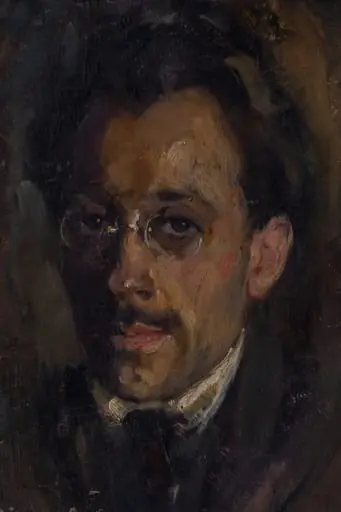
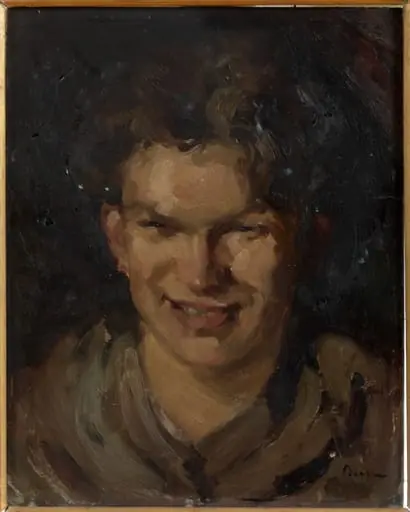
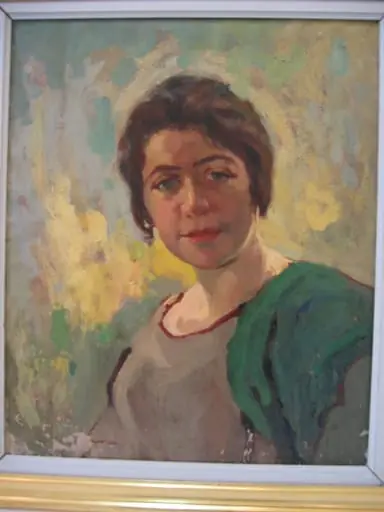
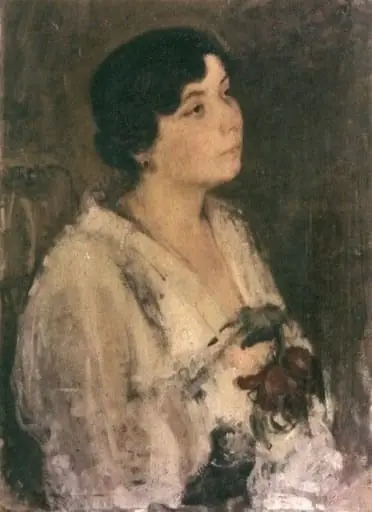
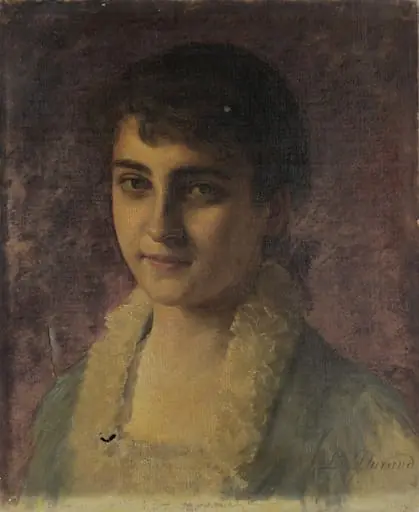
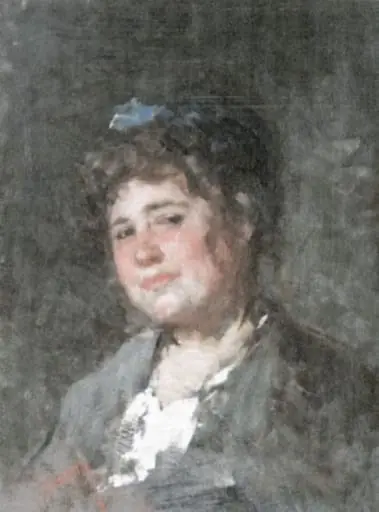
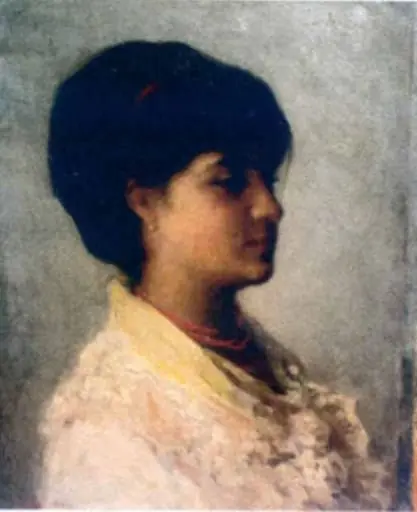
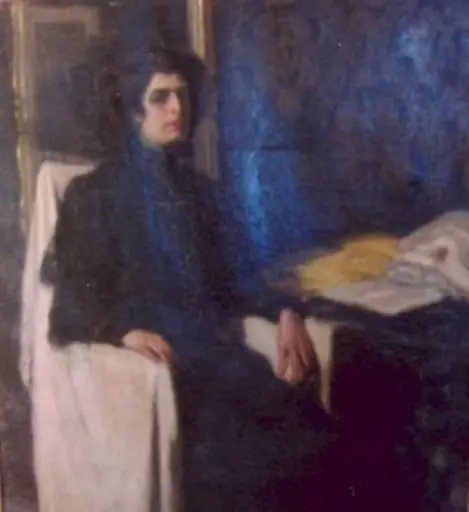
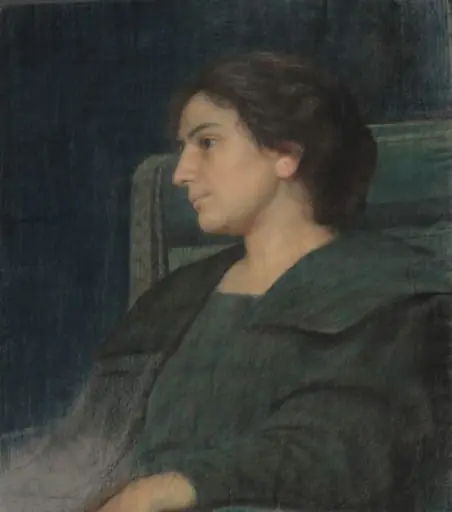
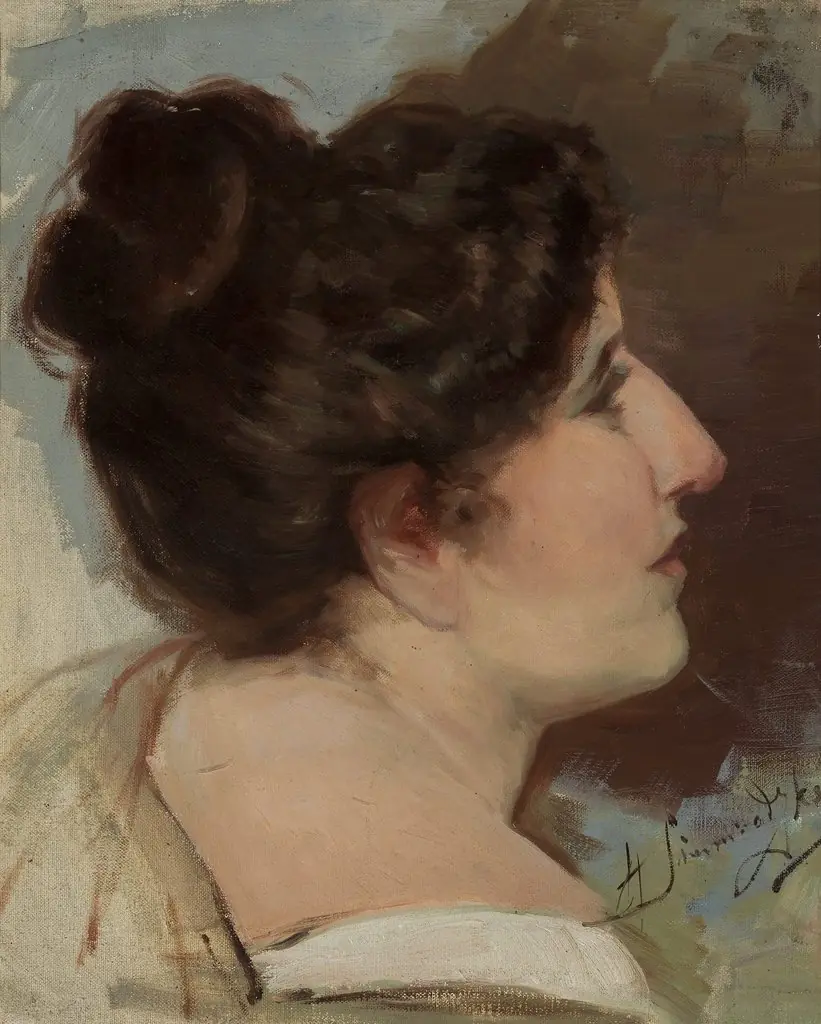
Portretul Doamnei Elena Motaș
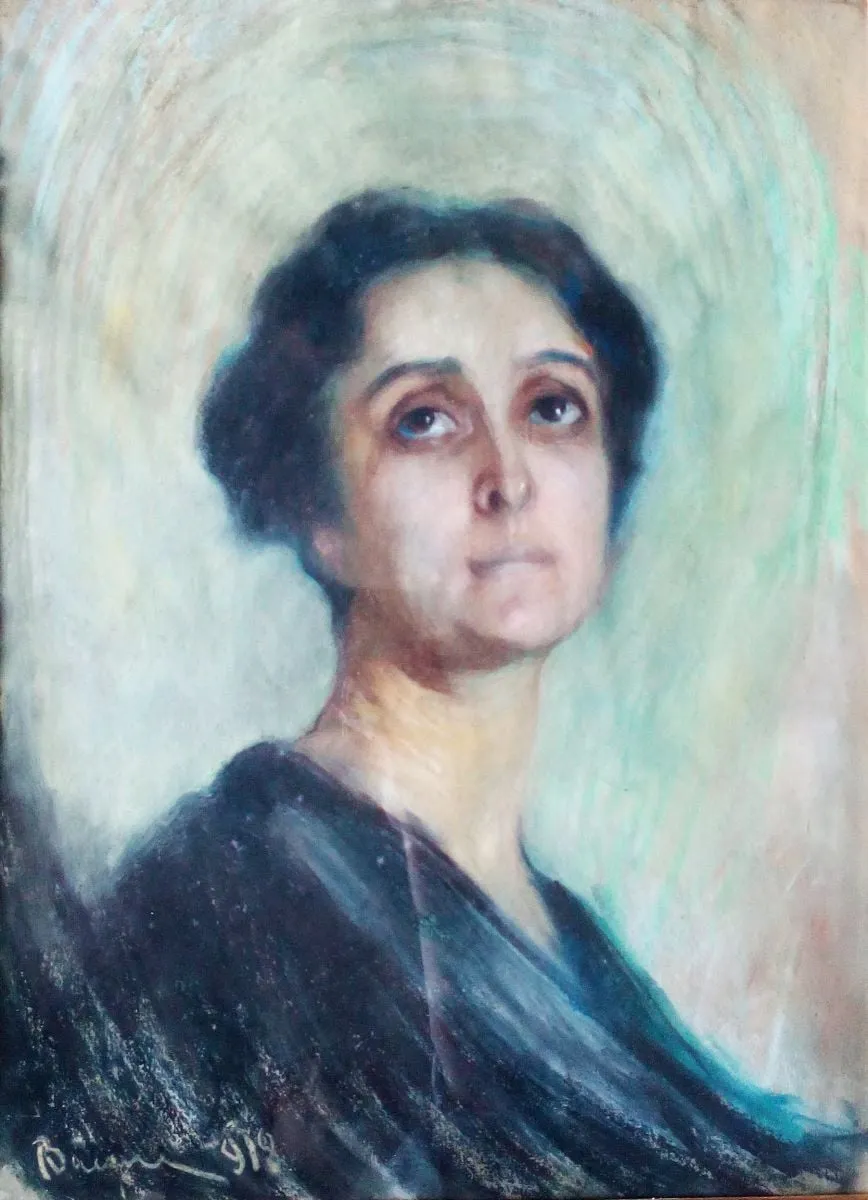
Portretul Doamnei Elena Motaș is a print by Aurel Băeșu. It dates from 1922 and is held in the collection of the Ion Irimescu Art Museum.
About this work
Overview
Created circa 1922, *Portretul Doamnei Elena Motaș* is an oil painting by Romanian artist Aurel Băeșu. Known for his landscape and portrait work within the Impressionist tradition, Băeșu rendered the sitter with a restrained palette and softened edges. The piece belongs to the collection of the Museum of Ethnography, where it is displayed among other early‑20th‑century Romanian works.
Subject & Meaning
The portrait depicts a woman with short, dark hair and a composed, serious expression. She is dressed in a dark, high‑collared garment that frames her face, suggesting a modest, perhaps middle‑class identity. The subdued demeanor and lack of ornamental background focus attention on her individuality rather than narrative detail.
Technique & Style
Băeșu employed rapid, loose brushwork characteristic of Impressionism, especially around the eyes and nose, where the strokes convey the play of light on skin. The background is rendered in pale, indistinct tones, allowing the figure to emerge from a gentle atmospheric haze. Soft illumination models the features without stark chiaroscuro, creating a calm, even lighting.
History & Provenance
Aurel Băeșu’s approach was shaped by the legacy of Nicolae Grigorescu, a leading figure in Romanian art who introduced Impressionist ideas to the region. The painting entered the Museum of Ethnography’s holdings in the mid‑20th century, where it has remained part of the institution’s representation of Romanian portraiture from the interwar period.
Artist & collection
Artist
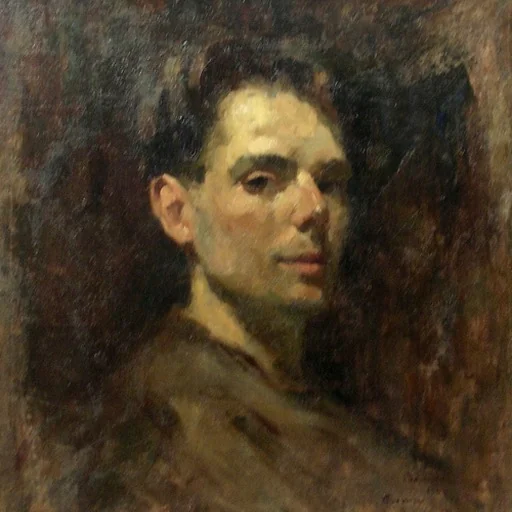
Aurel Băeșu (26 May 1896 – 24 August 1928) was a Romanian Impressionist landscape and portrait painter. Many of his works show the influence of Nicolae Grigorescu; an influence that was common among painters of his generation.