Artwork
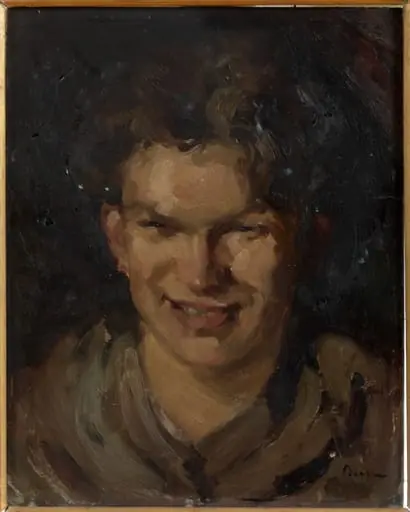
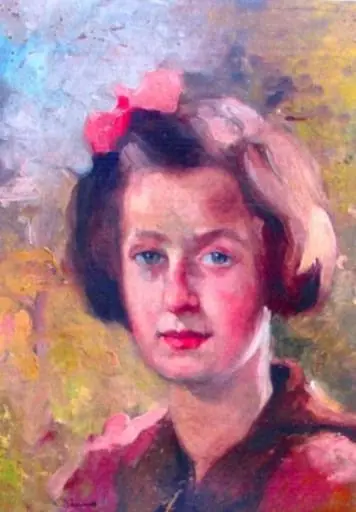
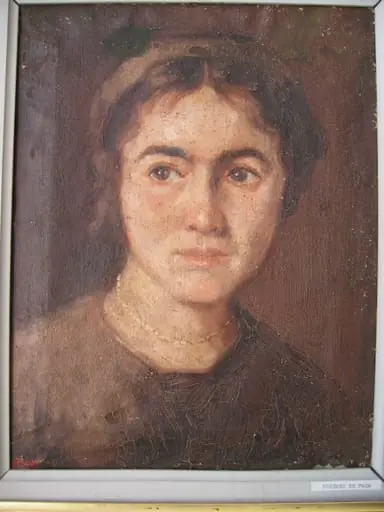
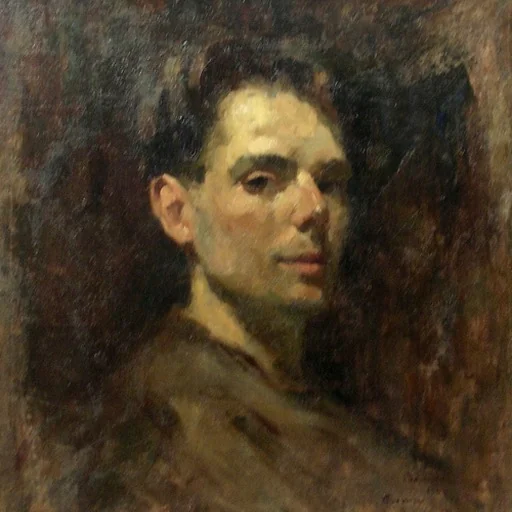
Portret Magda Nemțeanu
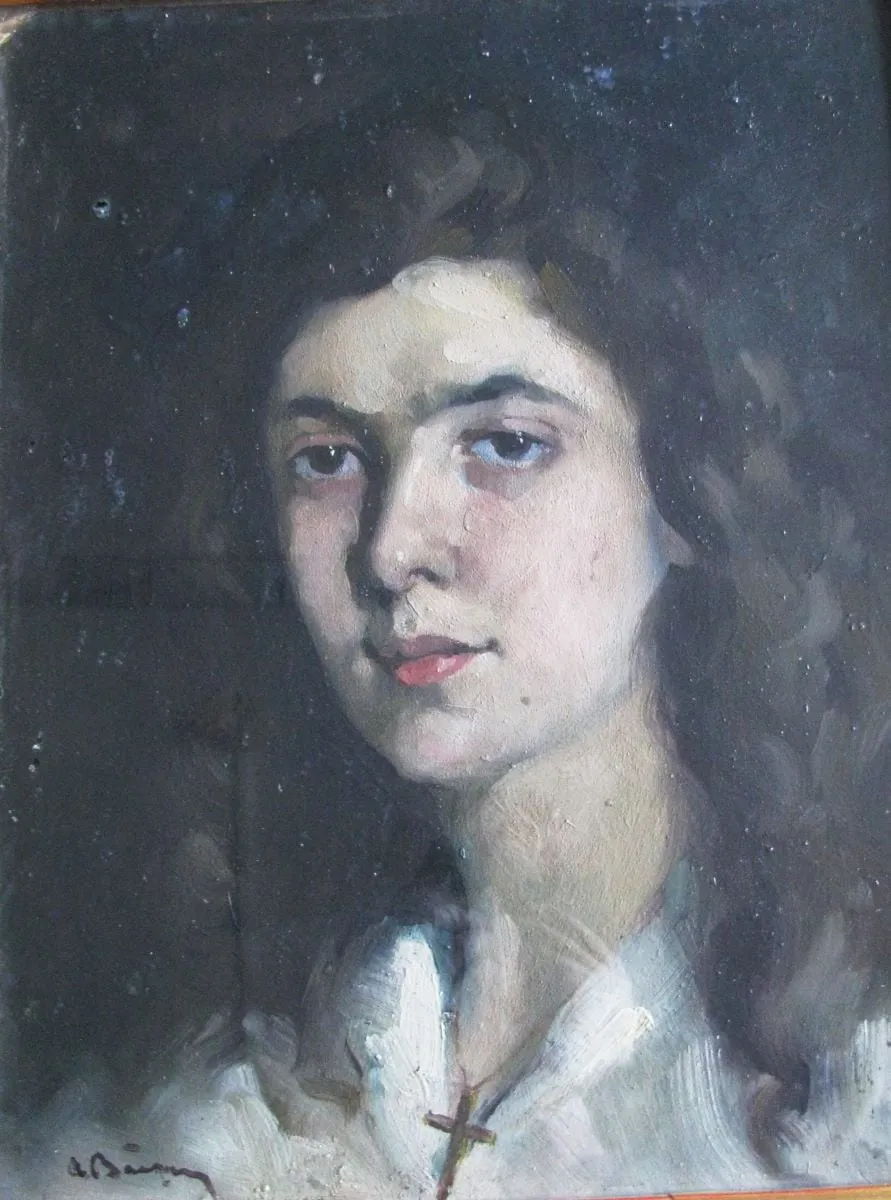
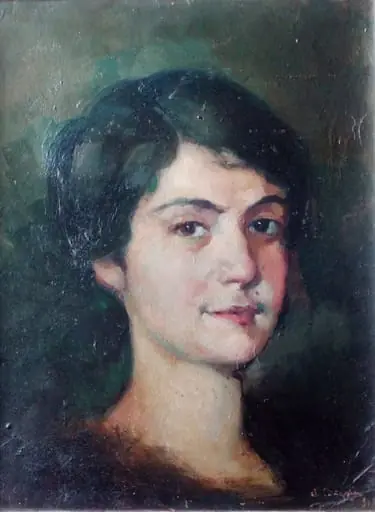
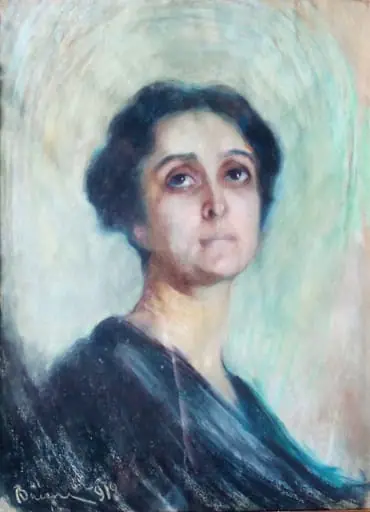
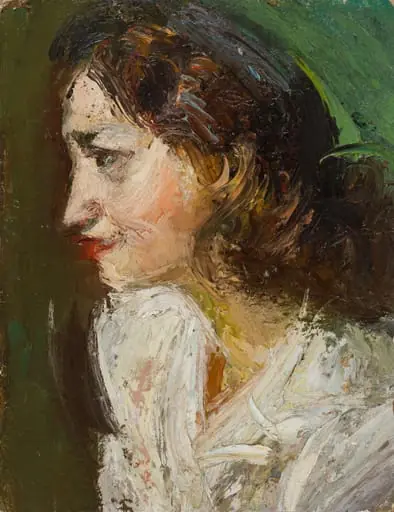
Portret Magda Nemțeanu is a print by Aurel Băeșu. It dates from 1922 and is held in the collection of the Ion Irimescu Art Museum.
About this work
Overview
Băeșu, trained in the Impressionist tradition and influenced by Nicolae Grigorescu, focused on intimate portraiture alongside landscape work.
Painted around 1922 by Romanian artist Aurel Băeșu, this portrait depicts Magda Nemțeanu, a figure connected to the cultural circles of early 20th-century Romania. Băeșu, trained in the Impressionist tradition and influenced by Nicolae Grigorescu, focused on intimate portraiture alongside landscape work. The painting resides in the Museum of Ethnography, where it contributes to a broader documentation of Romanian artistic and social life during the interwar period.
Subject & Meaning
The sitter, Magda Nemțeanu, is portrayed with quiet composure, her gaze direct and unadorned. Her pale skin and dark hair contrast subtly against the deep background, emphasizing her presence without theatricality. The small cross necklace suggests personal or spiritual identity, though its significance remains private. The portrait avoids symbolism or narrative, instead offering a restrained, human-centered observation of an individual within her time.
Technique & Style
Băeșu employed soft, blended brushwork to render the sitter’s skin and hair, creating a gentle, luminous effect. The background is rendered in muted, dark tones, allowing the figure to emerge through subtle tonal shifts rather than sharp outlines. This approach reflects Impressionist concerns with light and atmosphere, while the restrained palette and focus on facial expression align with a more intimate, introspective mode of portraiture common in Romanian art of the era.
History & Provenance
The painting entered the collection of the Museum of Ethnography in Romania, where it remains today. Its acquisition likely occurred in the decades following its creation, as institutions began systematically preserving works by national artists. Unlike many portraits of the period, it was not commissioned for public display but retained as a personal or familial work before being donated or transferred to public care.
Context
In early 20th-century Romania, artists like Băeșu sought to reconcile European Impressionist techniques with local subjects and sensibilities. While urban elites increasingly embraced modern styles, many painters continued to explore quiet, domestic scenes and individual portraits as acts of cultural affirmation. This work reflects that tension—rooted in tradition yet attentive to light and texture in ways aligned with broader European trends.
Legacy
Though not widely exhibited outside Romania, the portrait stands as an example of Băeșu’s quieter, more personal approach to portraiture. It contributes to the understanding of how Romanian artists adapted Impressionism to convey psychological presence rather than spectacle. The work’s preservation in an ethnographic museum underscores its value as a record of individual identity within a national cultural framework.
Artist & collection
Artist
Aurel Băeșu (26 May 1896 – 24 August 1928) was a Romanian Impressionist landscape and portrait painter. Many of his works show the influence of Nicolae Grigorescu; an influence that was common among painters of his generation.