Artwork
Vedere din Vité
Vedere din Vité is an unspecified painting by Gheorghe Petrașcu. It dates from 1901 and is held in the collection of the National Museum of Art of Romania.
About this work
Overview
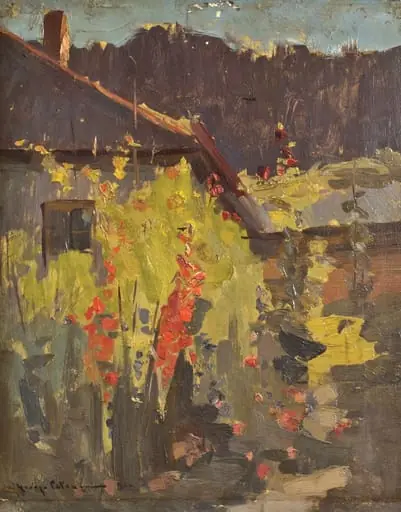
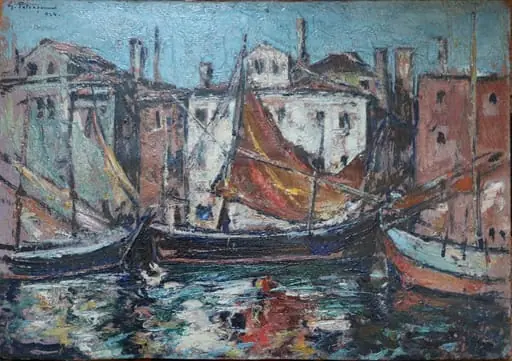
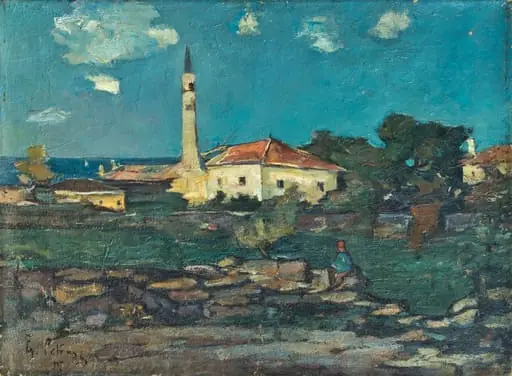
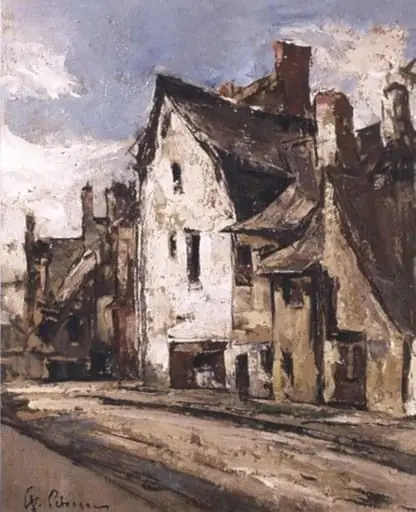
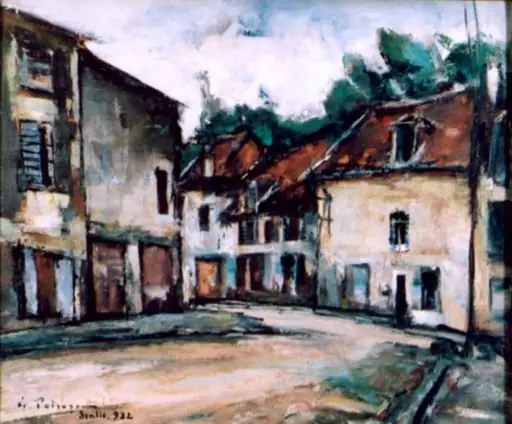
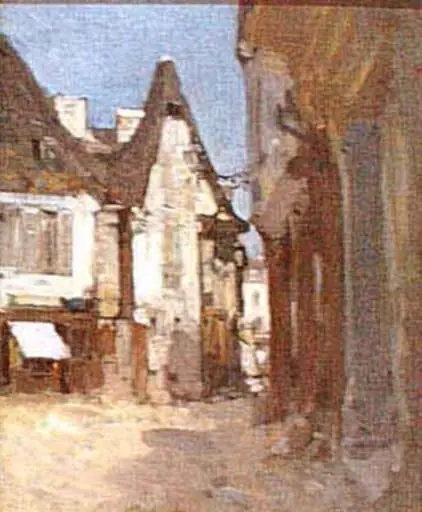
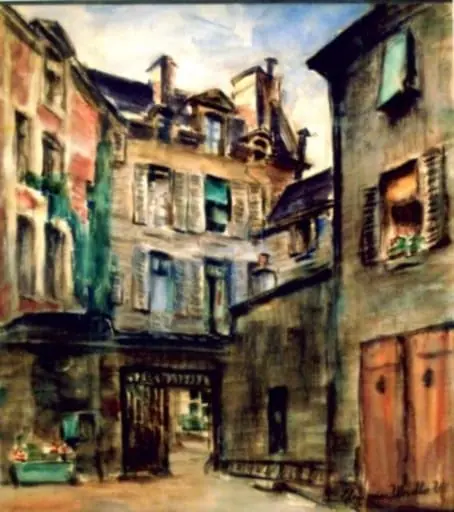
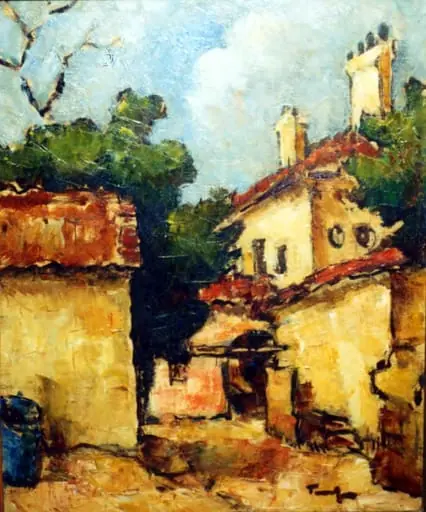
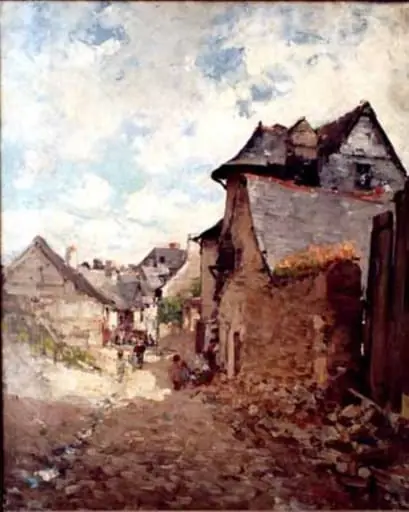
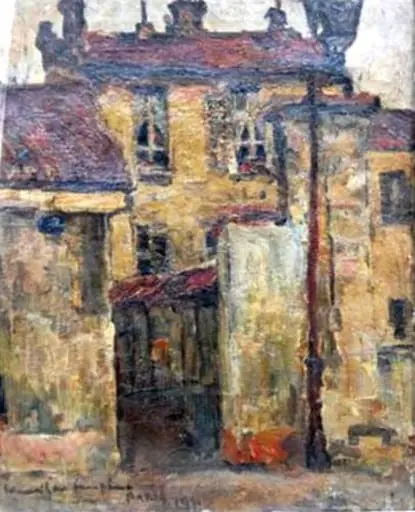
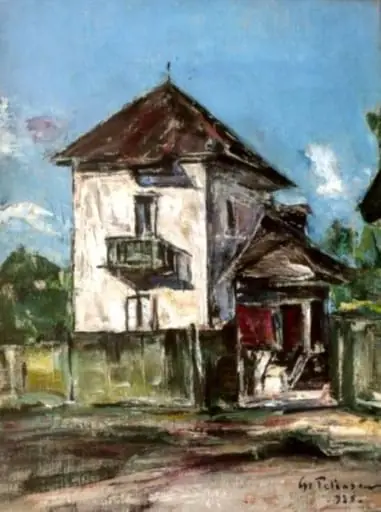
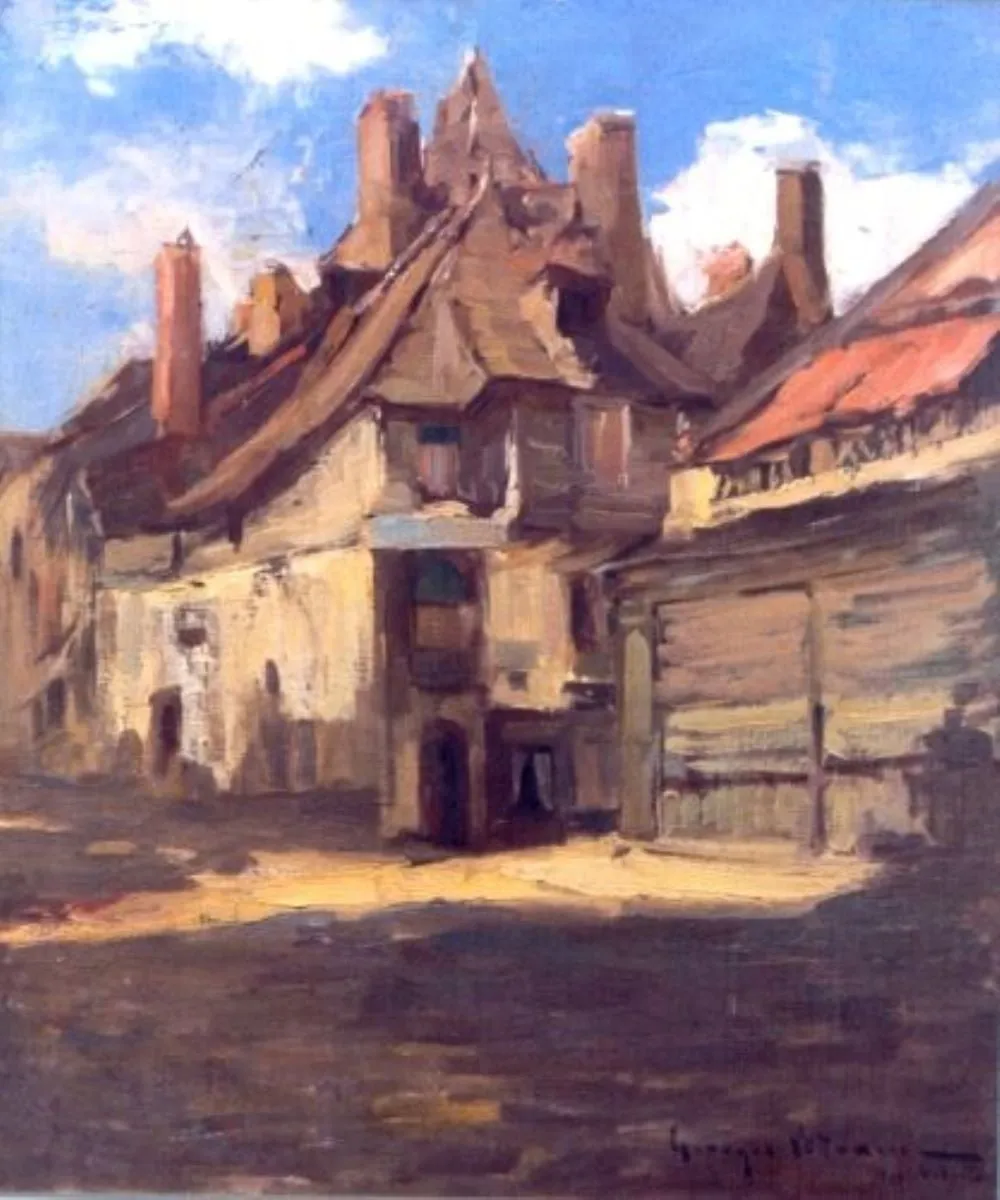
Gheorghe Petrașcu’s 1901 work Vedere din Vité captures a quiet street scene in the Romanian village of Vité. Executed as an oil painting, the composition centers on a row of modest stone or brick buildings that line the left side of the canvas, beneath an expansive, clear blue sky. The image conveys a simple, everyday atmosphere typical of early‑twentieth‑century rural life.
Subject & Meaning
Petrașcu’s focus on ordinary surroundings reflects an interest in documenting the character of Romanian provincial settings.
The painting presents a slice of daily life, emphasizing the relationship between built structures and the open sky. The modest architecture, complete with chimneys and modest rooftops, suggests a community rooted in tradition, while the unobstructed horizon evokes a sense of openness and continuity. Petrașcu’s focus on ordinary surroundings reflects an interest in documenting the character of Romanian provincial settings.
Technique & Style
Petrașcu employs a palette that balances warm, earthy hues of the buildings with cool blues of the sky, creating visual contrast. His brushwork is confident and vigorous, with visible strokes that convey movement and texture, particularly in the rendering of stone surfaces and atmospheric light. The overall style merges realistic observation with expressive handling, characteristic of his early period.
History & Provenance
Created in 1901, Vedere din Vité belongs to the early phase of Petrașcu’s career, when he was exploring Romanian landscapes and village scenes. The work has remained within public collections, contributing to the artist’s reputation as a chronicler of national scenery. Documentation of its ownership trail is limited, but it is regularly cited in surveys of Romanian art from the turn of the century.
Artist & collection
Artist
Gheorghe Petrașcu painted quiet scenes of buildings, streets, and still lifes in the 1920s and ’30s Romania.