Artwork
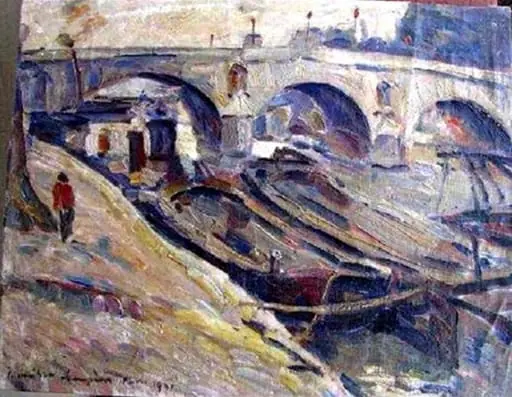
Casă la Paris
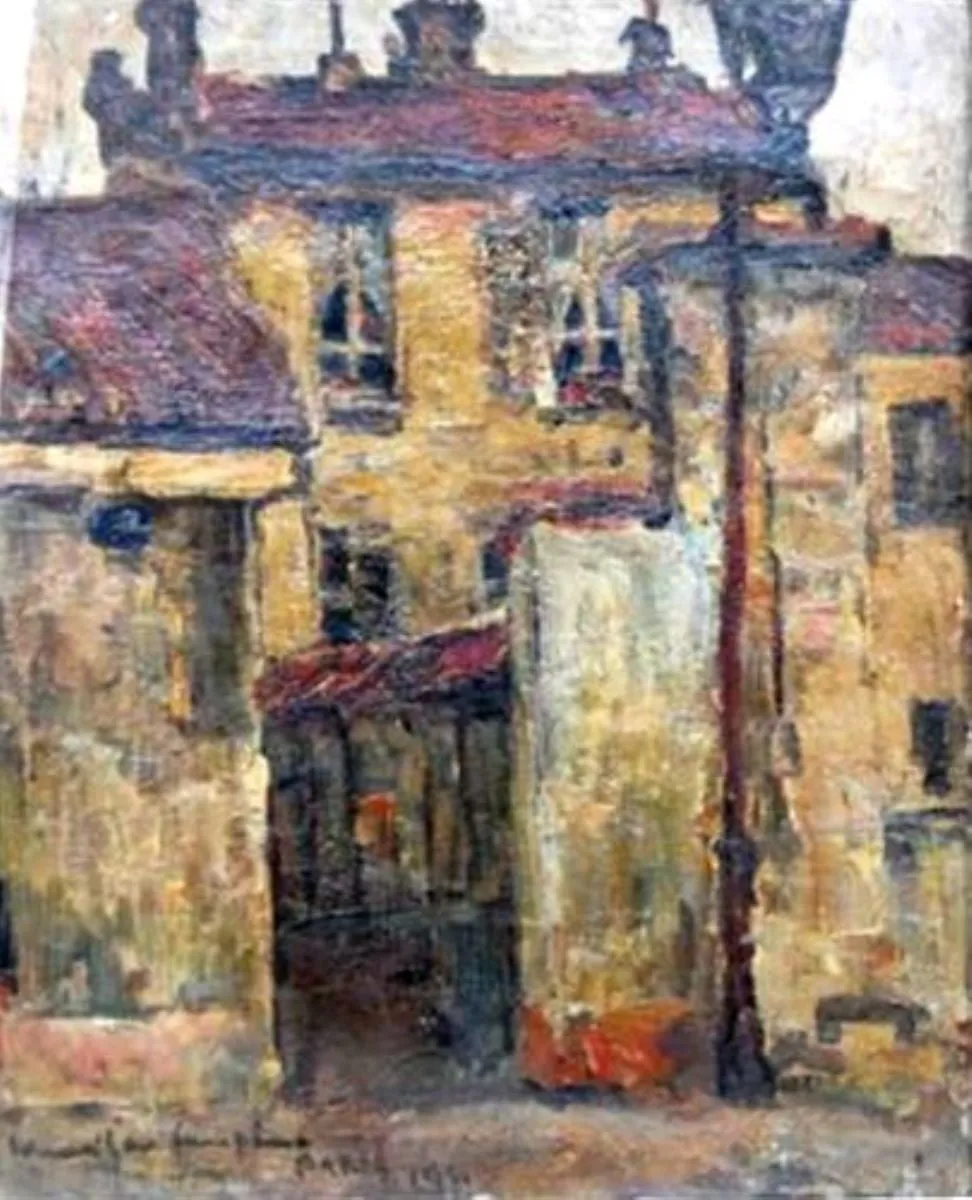
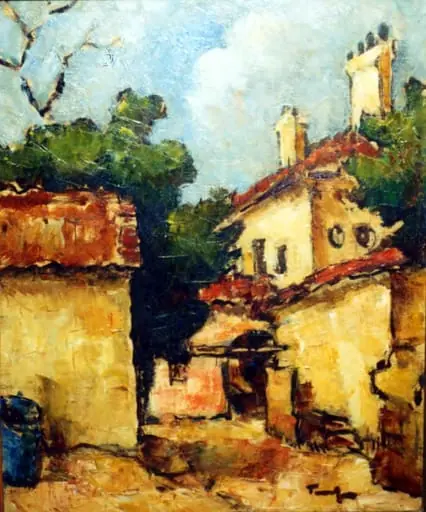
Casă la Paris is an unspecified painting by Rudolf Schweitzer-Cumpăna. It dates from 1931 and is held in the collection of the Botoșani County Museum.
About this work
Overview
The artist’s focus on a single residential structure suggests an interest in the quiet rhythms of everyday life.
Created in 1931 by Rudolf Schweitzer-Cumpăna, Casă la Paris is a painted depiction of a Parisian dwelling. The work resides in the collection of the Museum of Ethnography. Its modest scale and restrained palette reflect a contemplative approach to urban architecture, distinguishing it from more celebratory cityscapes of the period. The artist’s focus on a single residential structure suggests an interest in the quiet rhythms of everyday life.
Subject & Meaning
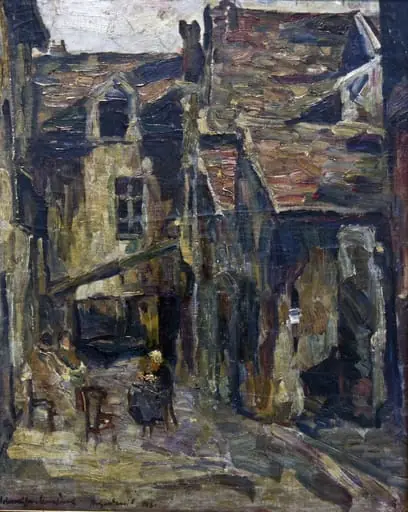
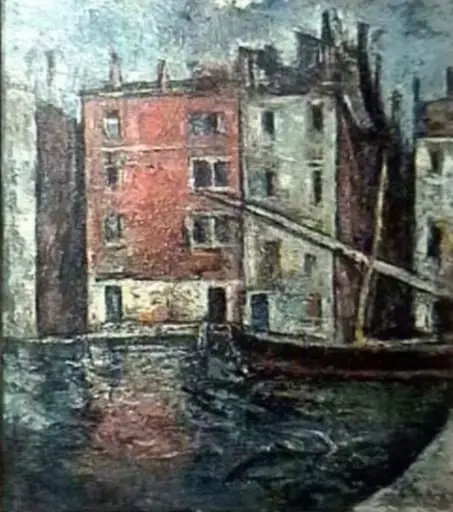
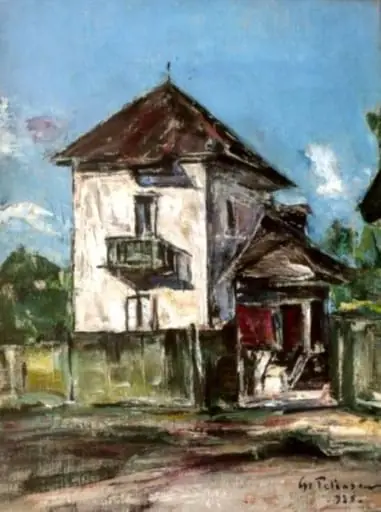
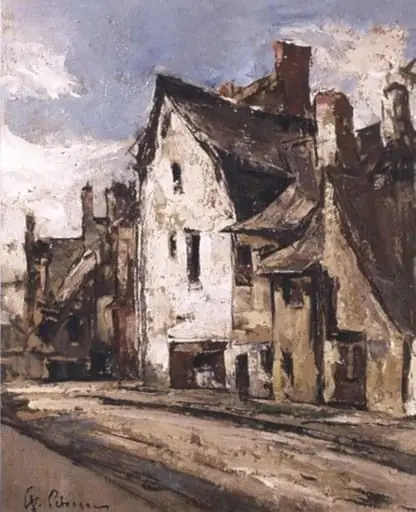
The painting portrays a modest house in Paris, rendered without human figures or overt narrative. Its central doorway and evenly spaced windows imply domestic order, while the absence of activity invites quiet reflection. The choice of a private residence over a landmark may signal an emphasis on the ordinary, elevating the commonplace as worthy of artistic attention within a broader cultural context.
Technique & Style
Schweitzer-Cumpăna employed thick, visible brushstrokes and a heavy application of paint, characteristic of impasto. The texture creates a tactile surface, enhancing the physical presence of the building. Muted yellows and browns dominate, with a subdued red roof adding minimal contrast. The deliberate lack of polish and the rough handling of paint contribute to a sense of intimacy and material presence.
History & Provenance
The painting was completed in 1931 and entered the collection of the Museum of Ethnography shortly thereafter. Its acquisition by an institution focused on cultural artifacts, rather than fine art, suggests an interest in its representation of lived environments. There is no record of public exhibition prior to its inclusion in the museum’s holdings, indicating a quiet, private reception.
Context
In the early 1930s, European artists increasingly turned away from grand historical themes toward intimate, everyday subjects. Schweitzer-Cumpăna’s work aligns with this shift, echoing the quiet realism found in certain regional modernist traditions. The painting’s subdued tone and focus on architecture reflect broader post-war sensibilities that valued introspection over spectacle.
Legacy
Casă la Paris remains a quiet example of interwar European painting that prioritizes atmosphere over drama. While not widely reproduced or studied, its presence in the Museum of Ethnography underscores its value as a document of domestic space and material culture. The work continues to offer insight into how artists of the period perceived and translated the ordinary into visual form.
Artist & collection
Artist
Rudolf Schweitzer-Cumpăna was a Romanian painter. Born in Pitești into an ethnic German family, he finished high school in his native town before attending the Royal Academy of Arts at Berlin from 1904 to 1909, studying…