Artwork
Vilă la Techirghiol
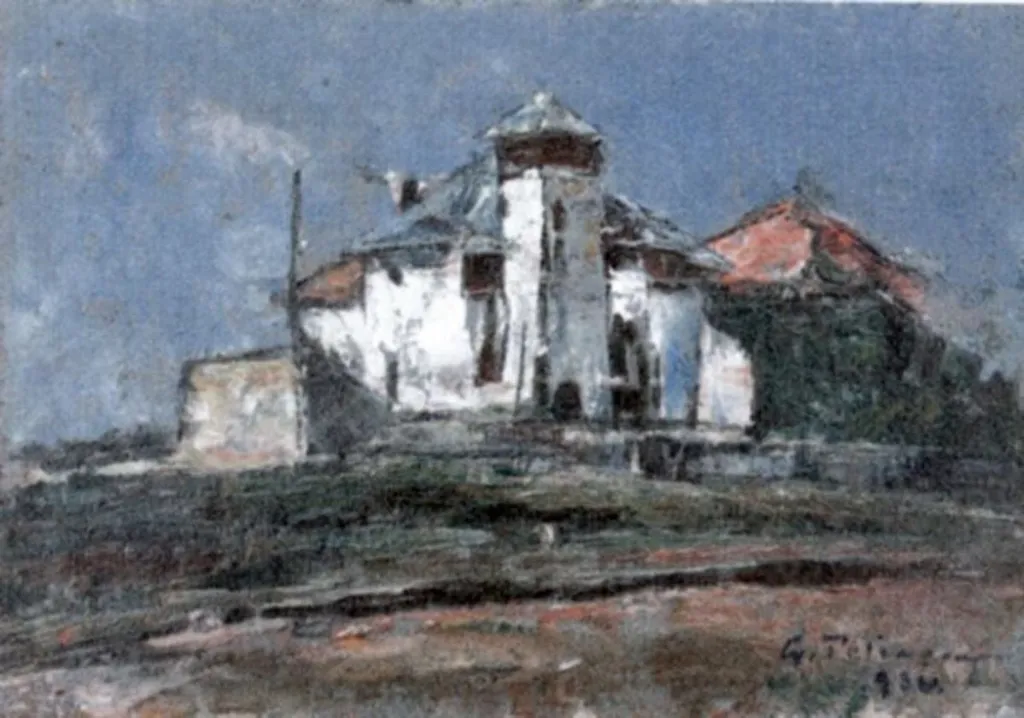
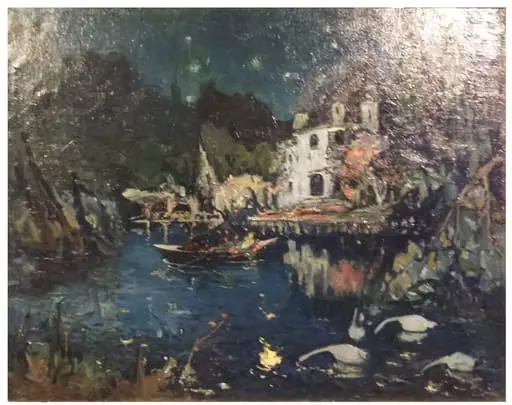
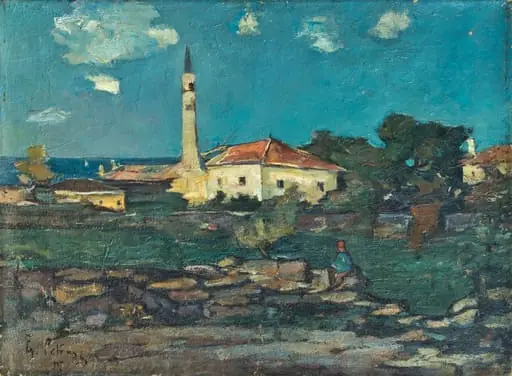
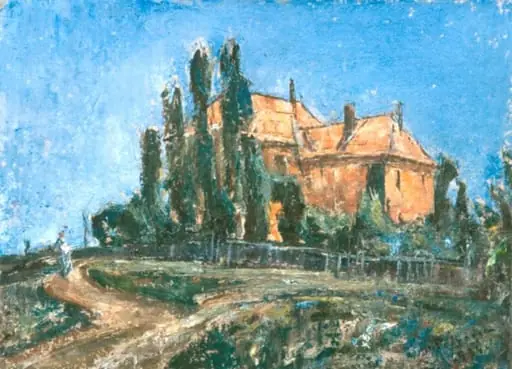
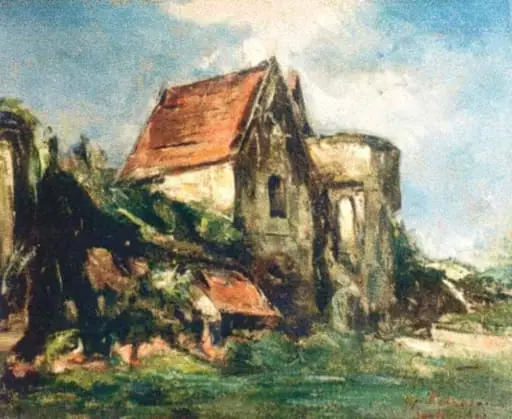
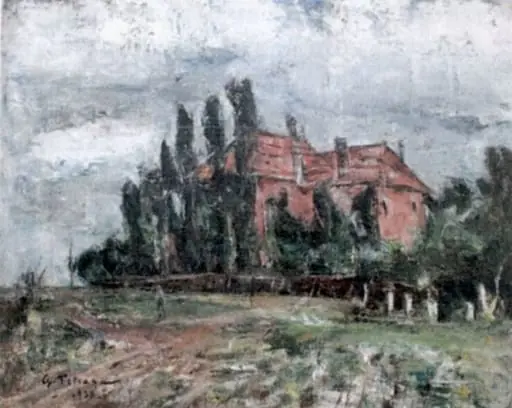
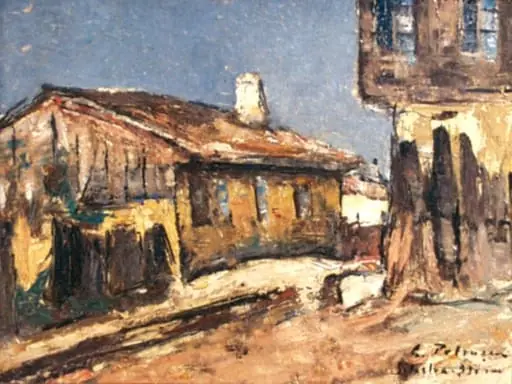
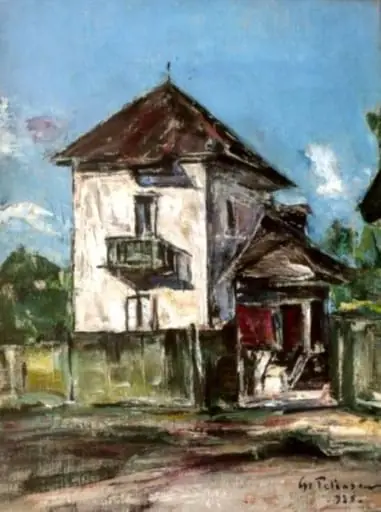
Vilă la Techirghiol is an unspecified painting by Gheorghe Petrașcu. It dates from 1934 and is held in the collection of the Gavrilă Simion Eco-Museum Research Institute Tulcea - Art Museum.
About this work
Overview
The work is part of the Museum of Ethnography’s collection and reflects the artist’s interest in architectural decay and rural landscapes.
Painted in 1934 by Gheorghe Petrașcu, Vilă la Techirghiol depicts a dilapidated structure in the Romanian resort town of Techirghiol. The work is part of the Museum of Ethnography’s collection and reflects the artist’s interest in architectural decay and rural landscapes. Unlike idealized portrayals of vacation sites, this piece emphasizes the passage of time and the quiet erosion of human habitation.
Subject & Meaning
The painting centers on a once-grand villa, now showing signs of neglect: a tall, leaning tower and a lower, roofed annex. Crumbling walls, uneven ground, and faint traces of water suggest abandonment and environmental wear. Petrașcu avoids romanticizing the scene, instead presenting the building as a silent witness to seasonal use and gradual disintegration, evoking themes of impermanence and forgotten leisure.
Technique & Style
Petrașcu employed thick, textured brushwork to convey the building’s weathered surfaces. Layers of paint, applied with visible impasto, create a tactile quality that mimics cracked plaster and moss-stained stone. The palette is restrained—browns, whites, and muted earth tones—enhancing the sense of decay. The rough handling of paint rejects smooth finish, aligning the technique with the subject’s physical deterioration.
History & Provenance
Created during a period when Petrașcu frequently painted Romanian coastal architecture, the work entered the Museum of Ethnography’s holdings shortly after its completion. Its acquisition reflects institutional interest in documenting vernacular structures and regional cultural change. No record of private ownership exists prior to its museum acquisition, suggesting it was retained by the artist or donated directly.
Context
In the 1930s, Techirghiol was a modest resort destination, frequented by urban visitors seeking mineral waters and seaside air. Many villas built for seasonal use fell into disrepair after winter closures. Petrașcu’s painting captures this transient character of Romanian tourism infrastructure, contrasting official narratives of progress with the reality of neglected architecture.
Legacy
Vilă la Techirghiol remains a quiet example of interwar Romanian realism focused on architectural decay. It contributes to a broader artistic dialogue about the relationship between place and time, influencing later generations interested in documenting vernacular decline. The work is not widely reproduced but holds significance within Romanian art history for its unembellished observation of everyday ruin.
Artist & collection
Artist
Gheorghe Petrașcu painted quiet scenes of buildings, streets, and still lifes in the 1920s and ’30s Romania.
Museum
Gavrilă Simion Eco-Museum Research Institute Tulcea - Art Museum
Continue through works from the same source collection.