Artwork
Portret de familie vârstnică
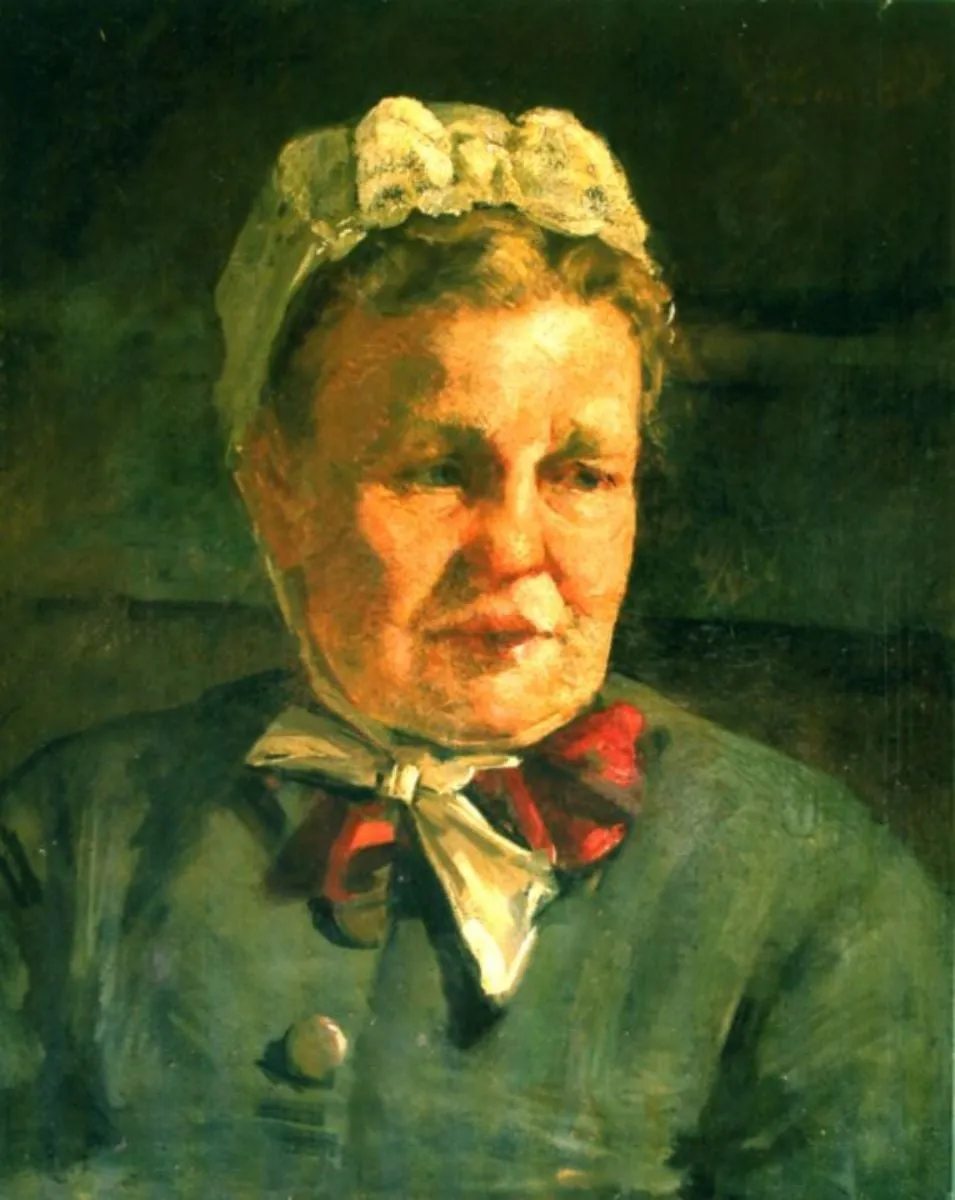
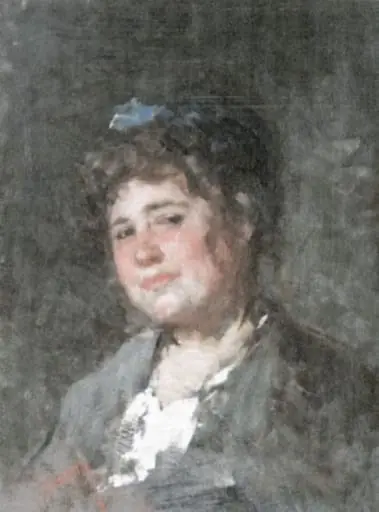
Portret de familie vârstnică is an unspecified painting by Gustave Courbet. It is held in the collection of the Romanian Academy in Bucharest. This portrait depicts an elderly individual rendered with quiet intimacy.
About this work
Overview
The lighting emphasizes the contours of the forehead and cheeks, while soft shadows define the jawline and neck, lending a three-dimensional presence.
This portrait depicts an elderly individual rendered with quiet intimacy. The composition focuses tightly on the face and upper torso, isolating the subject against a dark, indistinct background. The lighting emphasizes the contours of the forehead and cheeks, while soft shadows define the jawline and neck, lending a three-dimensional presence. The restrained palette and minimal detail invite quiet contemplation rather than narrative drama.
Subject & Meaning
The subject appears to be an older person, their expression serene and composed. The white head covering, secured by a red bow beneath the chin, suggests modest dress, possibly tied to regional or religious custom. The absence of overt symbols or context leaves the meaning open, but the calm demeanor and focused gaze convey dignity and inner stillness, evoking a sense of personal resilience rather than social status.
Technique & Style
The artist employs chiaroscuro to model the face with subtle gradations of light and shadow, enhancing volume without harsh contrasts. The background is deliberately blurred, reducing distraction and directing attention to the subject’s features. Brushwork is smooth and controlled, particularly in the rendering of skin and fabric, suggesting a preference for naturalism over decorative flourish.
History & Provenance
The work’s origin and early ownership are undocumented. It lacks signatures, dates, or inscriptions that might link it to a known artist or collection. Its preservation as a standalone image suggests it may have been created as a private commission or personal study, rather than as part of a larger artistic program or public display.
Context
The attire and lighting reflect conventions common in 17th-century Northern European portraiture, where quiet realism and psychological depth were valued. The use of dark backgrounds and focused illumination aligns with trends among artists who sought to capture individual character through subtle light effects, often in domestic or intimate settings rather than formal settings.
Legacy
Though not widely exhibited or reproduced, the portrait exemplifies a quiet tradition of observational portraiture that prioritizes presence over spectacle. Its enduring appeal lies in its restraint—offering no grand narrative, yet inviting prolonged engagement through the quiet humanity of its subject.
Artist & collection
Artist
Gustave Courbet painted bold scenes of everyday life and quiet landscapes in the 1800s.
 Portrait of Doña Ignacia Martinez de Hoz de Casares
 Portrait of Mrs. Foteina Stasinopoulos
 Portrait of His Mother
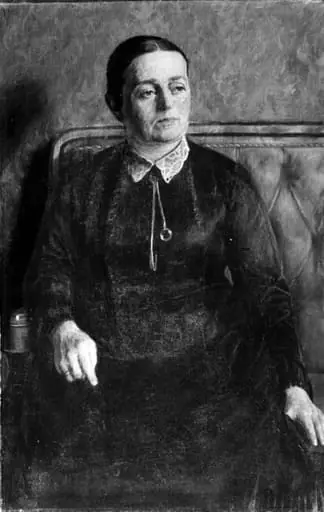 Højskoleforstanderinde Caroline Knudsen
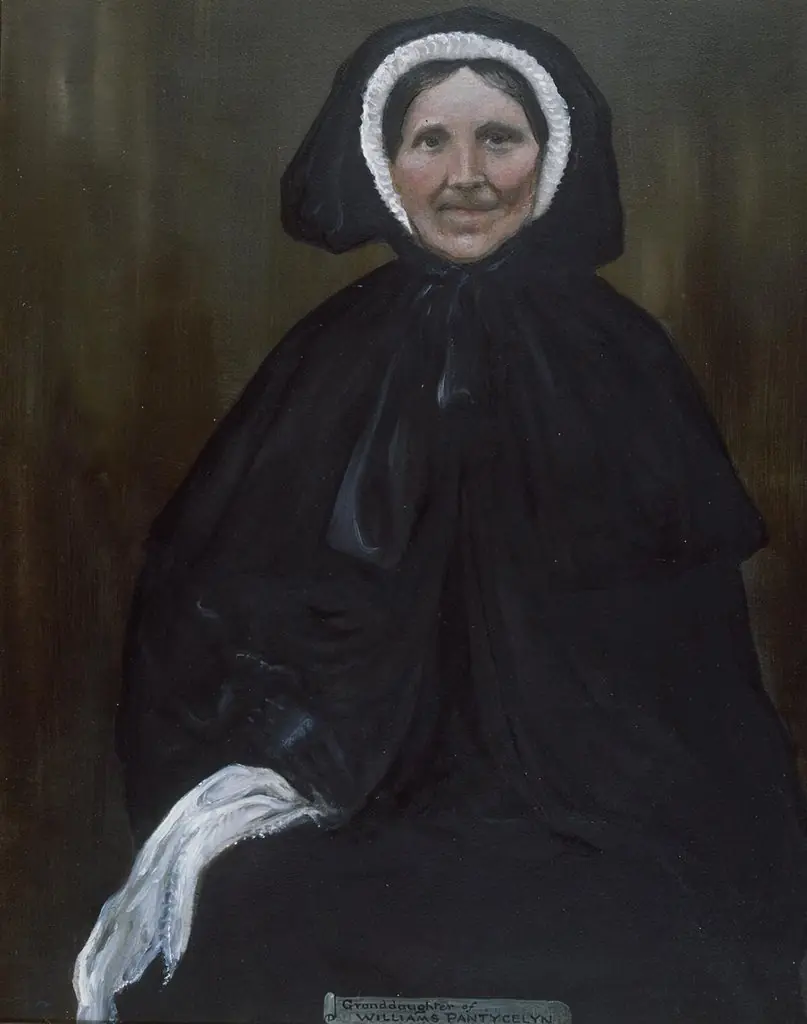 Mary Griffiths of Llandovery
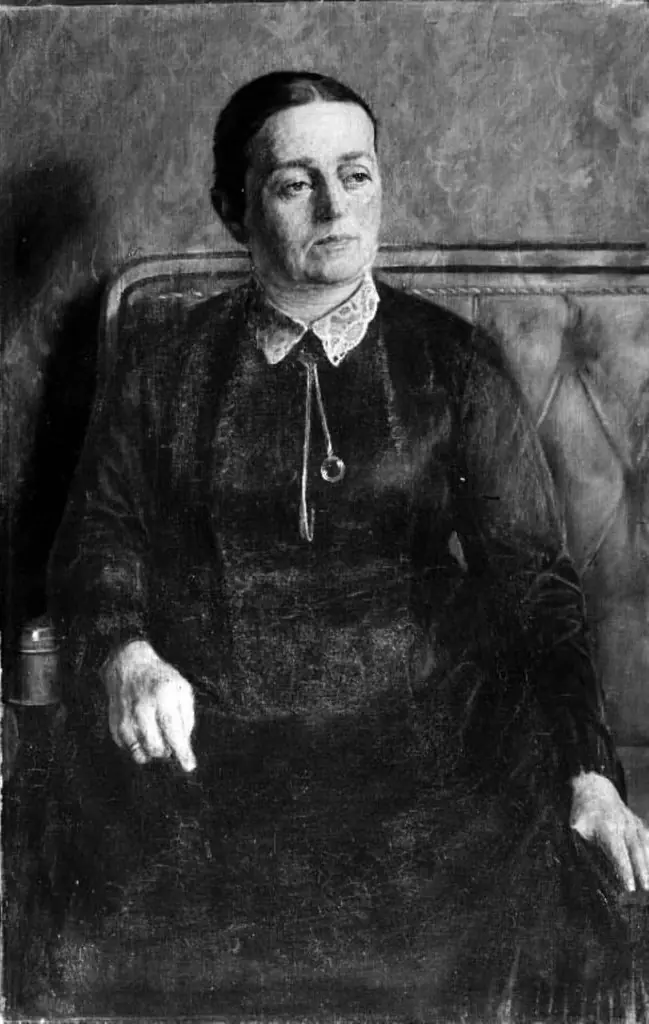 Højskoleforstanderinde Caroline Knudsen
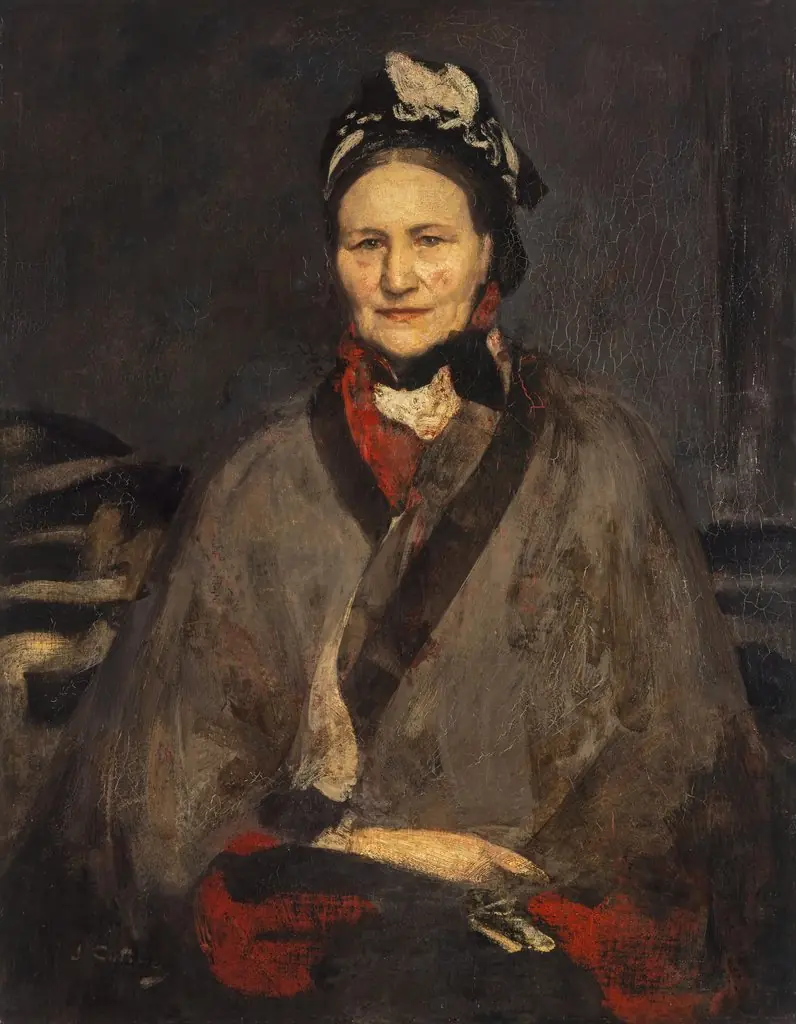 The Artist's Mother (Anne Orr, Mrs John Guthrie, 1817 - 1896)
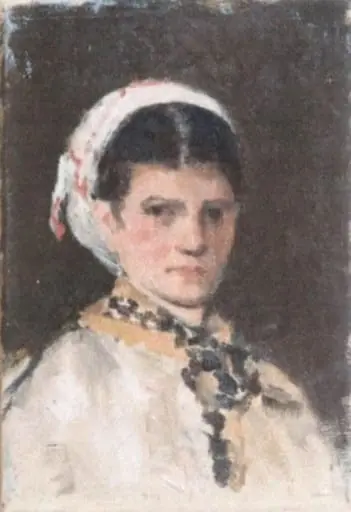 Cap de țărancă
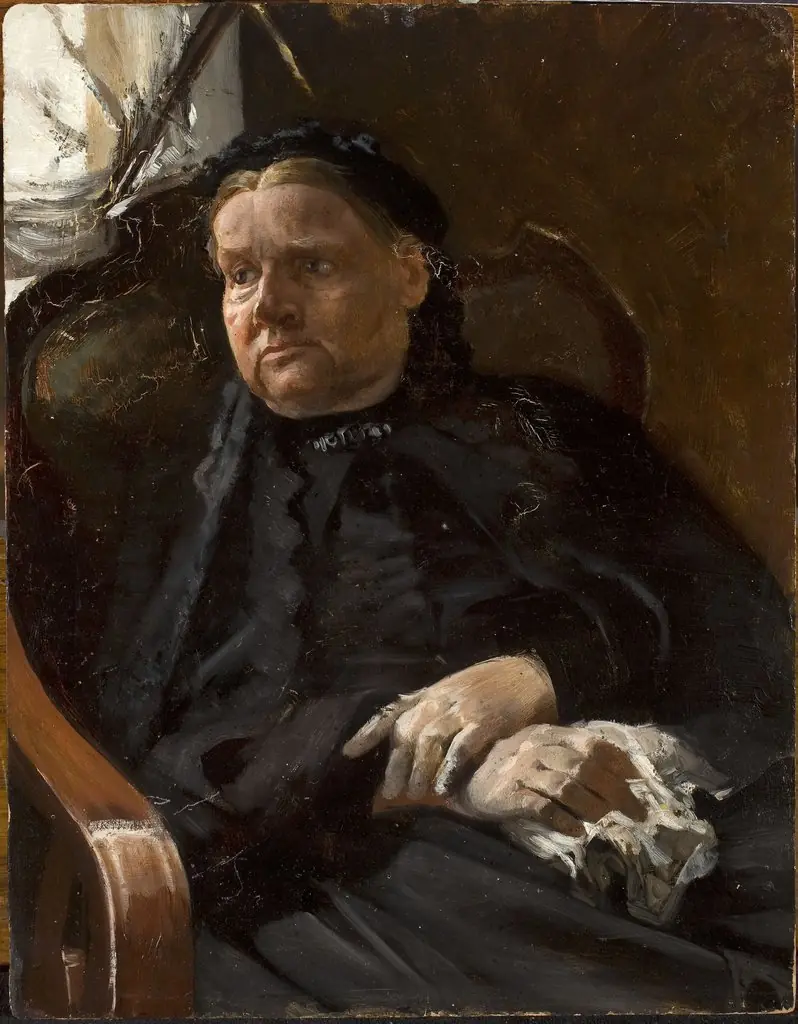 Portrait of artist’s mother
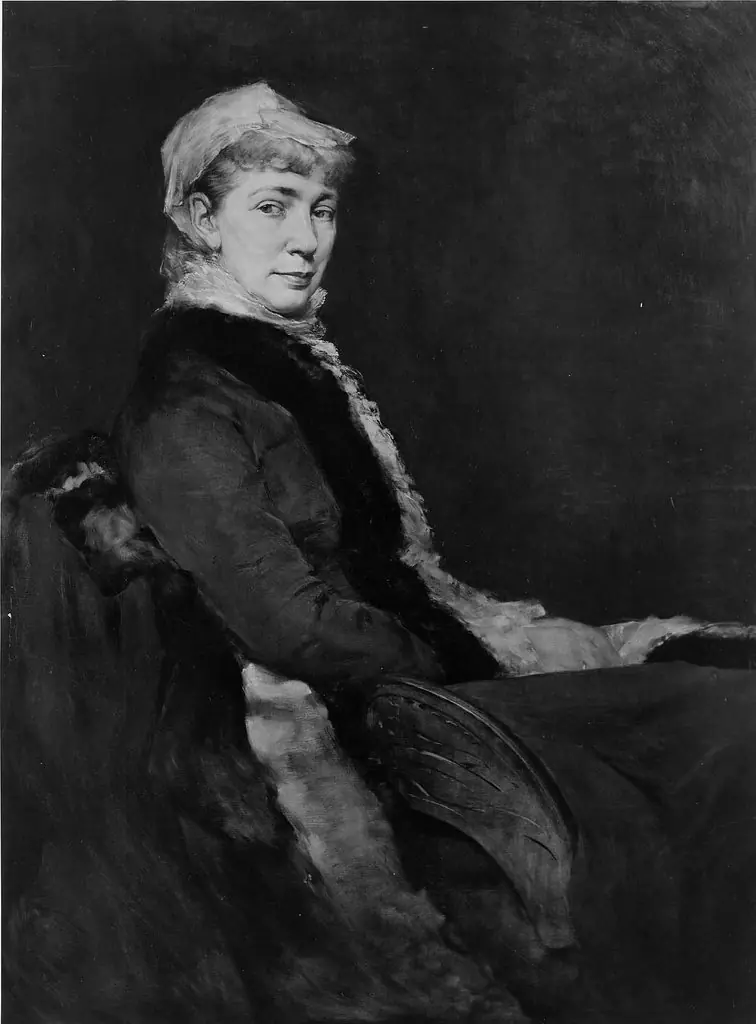 Mrs. Samuel Tilton (Helen Reed)
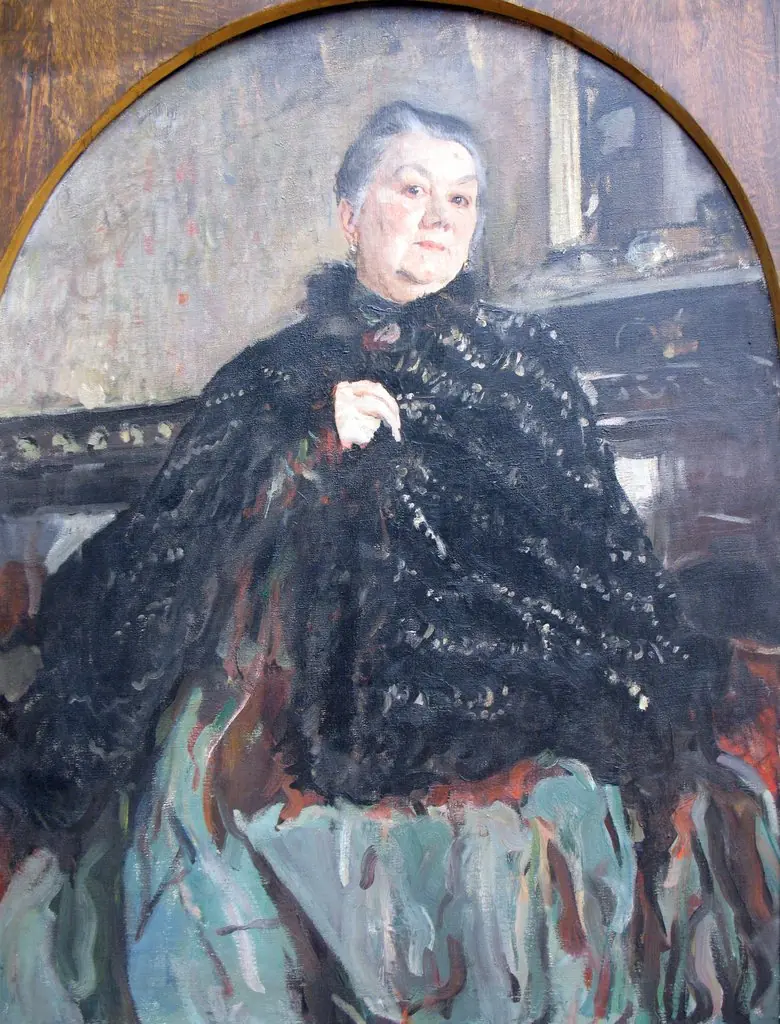 Portrait of the actrice G.H. Fedotovoj
 Portret de femeie