Artwork
Cap de madonă
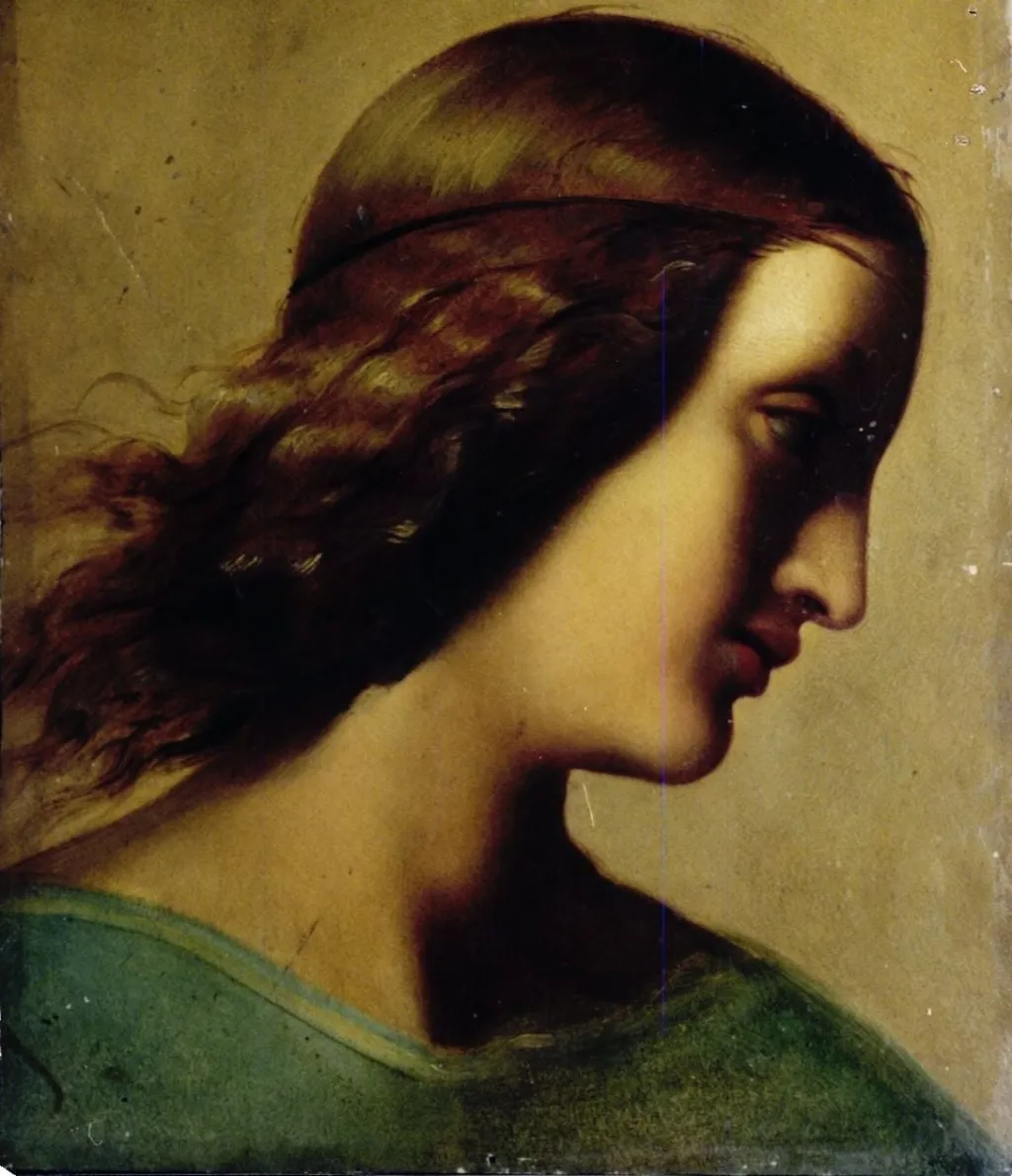
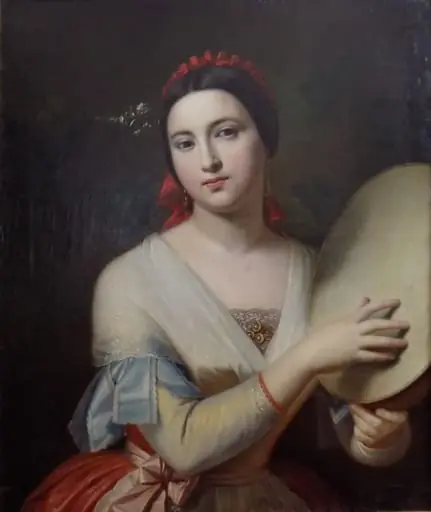
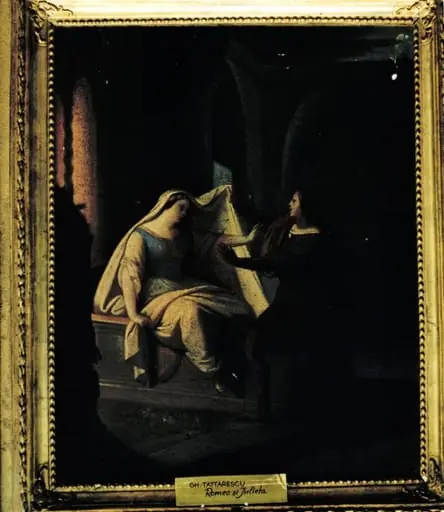
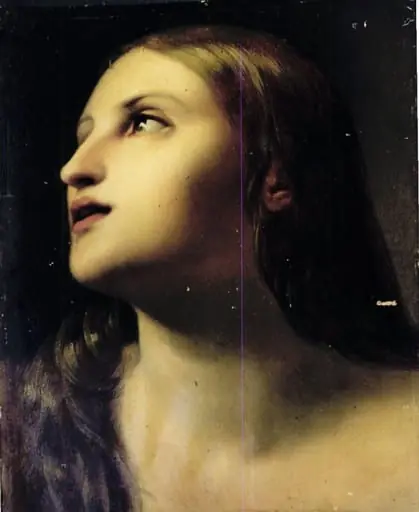
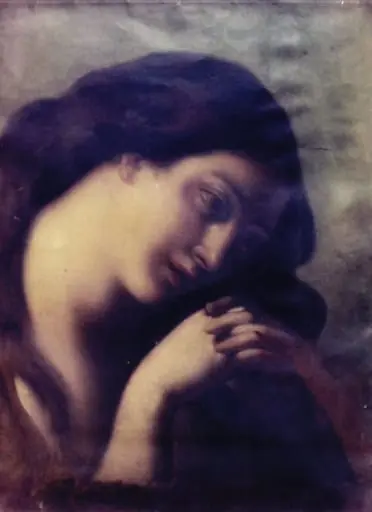
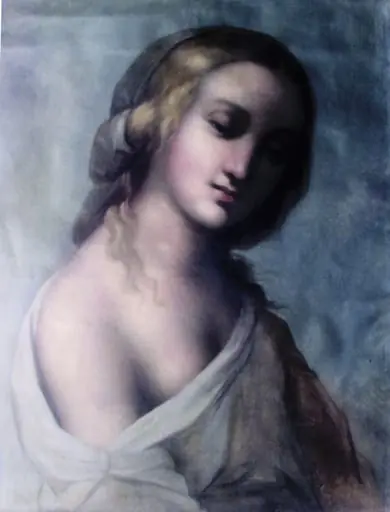
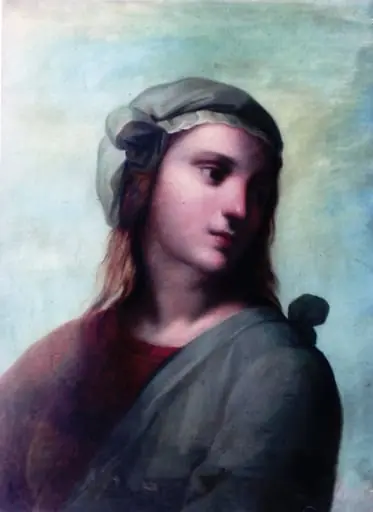
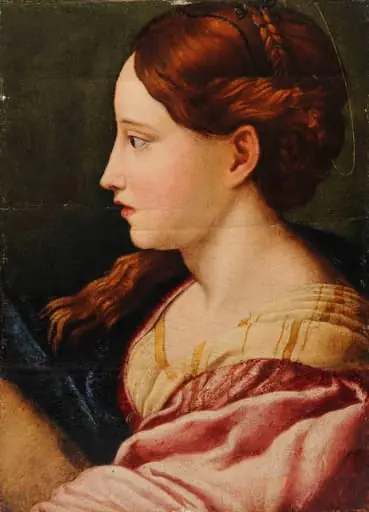
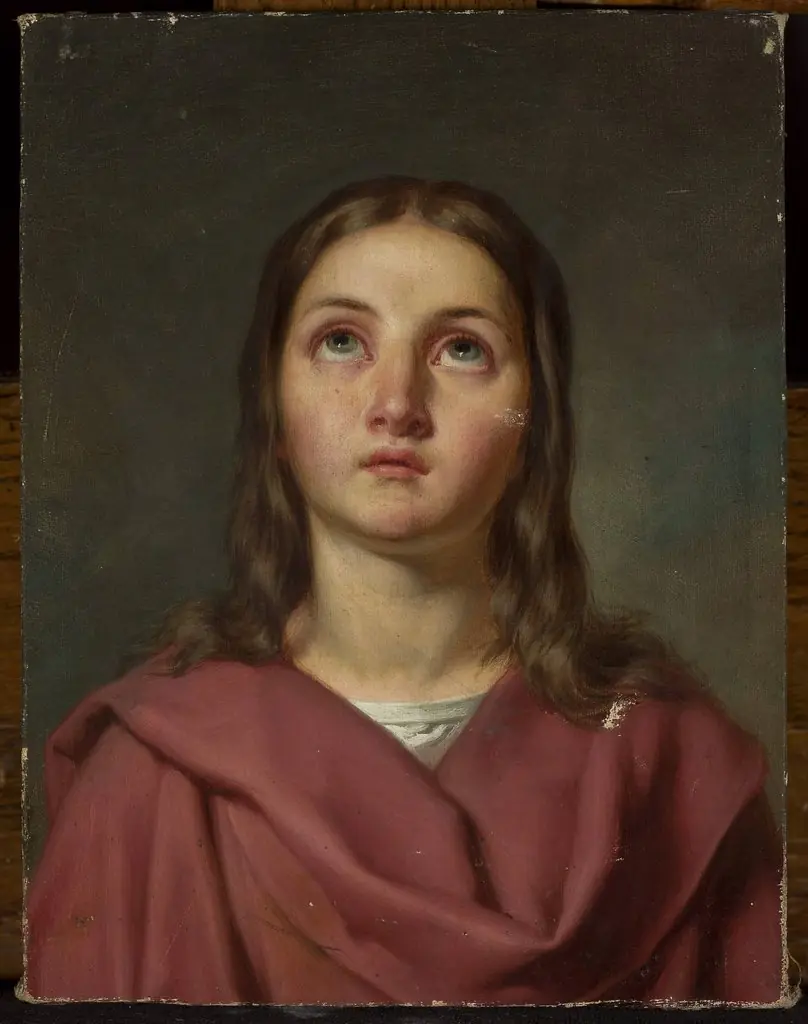
Cap de madonă is an unspecified painting by Gheorghe Tattarescu. It is held in the collection of the Bucharest Municipality Museum. This small image depicts a woman in profile, seated with her gaze turned toward the viewer.
About this work
Overview
This small image depicts a woman in profile, seated with her gaze turned toward the viewer.
This small image depicts a woman in profile, seated with her gaze turned toward the viewer. She wears a long garment and a headscarf, her expression gently serene. The dark, unmodeled background isolates her form, emphasizing intimacy over grandeur. Originating from the Museum of Ethnography, the work reflects everyday visual culture rather than formal artistic traditions, suggesting a personal or domestic origin.
Subject & Meaning
The figure appears to be an ordinary woman, not a religious or mythological figure despite the title’s reference to the Madonna. Her quiet demeanor and modest attire suggest a portrait rooted in daily life, possibly capturing a family member or community member. The slight smile and direct gaze convey warmth rather than veneration, distinguishing it from devotional imagery.
Technique & Style
The painting employs flat, unshaded forms with minimal detail, focusing on silhouette and posture rather than anatomical precision. Colors are subdued, and brushwork is restrained, reinforcing a sense of simplicity. The lack of spatial depth and the dark background serve to center the figure, aligning with folk or vernacular painting practices common in domestic contexts.
History & Provenance
The work is held by the Museum of Ethnography, an institution dedicated to collecting objects from everyday life. Its acquisition suggests it was gathered as a cultural artifact, likely from a rural or non-elite setting. Its origin remains undocumented, but its style and subject align with regional traditions of personal portraiture in the 19th or early 20th century.
Context
In its time, such images were often made by local artisans or amateur painters for private use, not for public display. Unlike formal religious icons, this piece lacks symbolic attributes, indicating it was valued for its emotional resonance rather than spiritual function. It reflects a broader trend of ordinary people commissioning or creating images of themselves and loved ones.
Legacy
The painting endures as a quiet testament to non-canonical art-making traditions. Its presence in an ethnographic collection underscores how cultural institutions have expanded their scope to include personal, vernacular expressions. It invites reflection on who gets represented in visual history and through what means.
Artist & collection
Artist