Artwork
Cap de Madonă
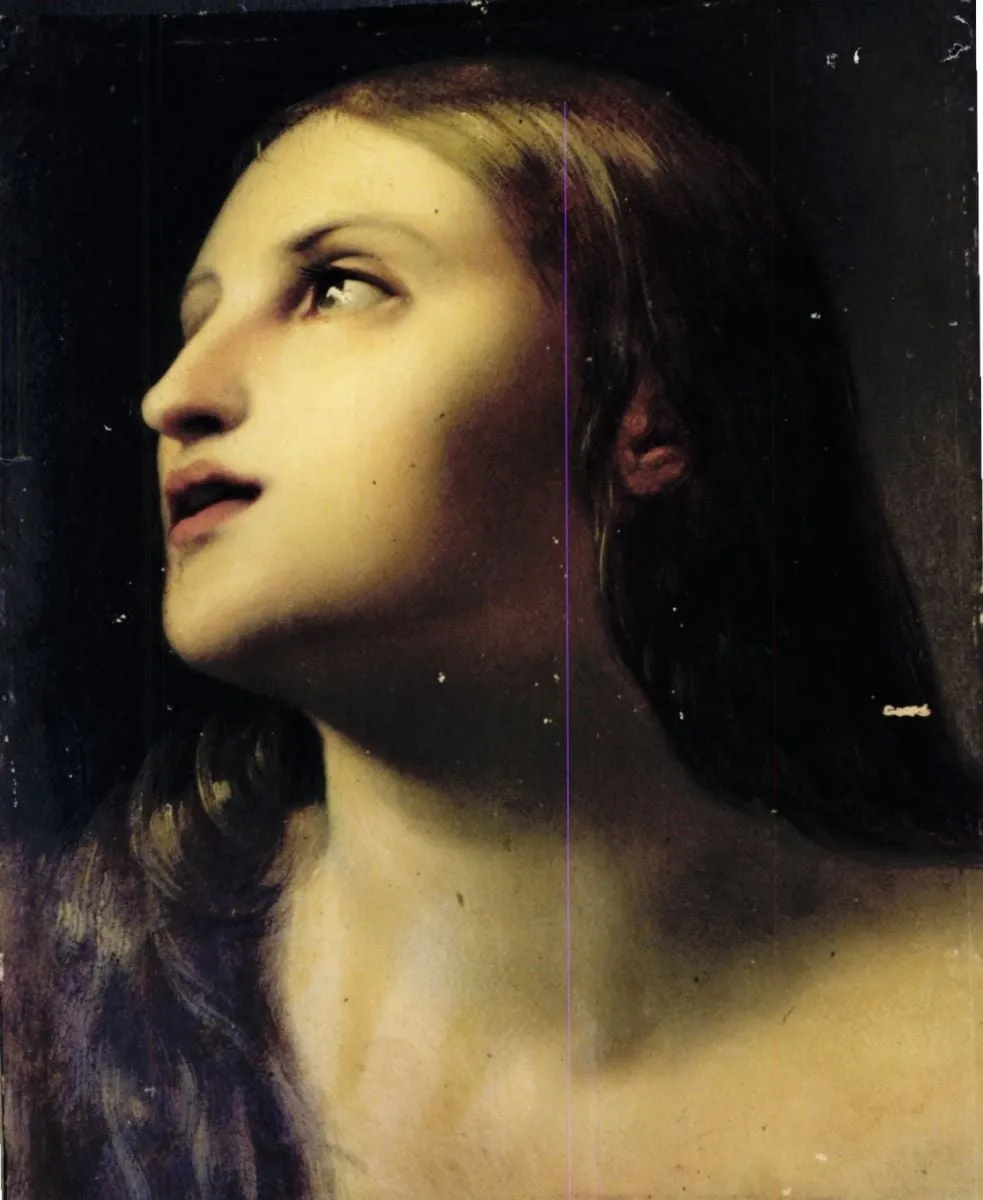
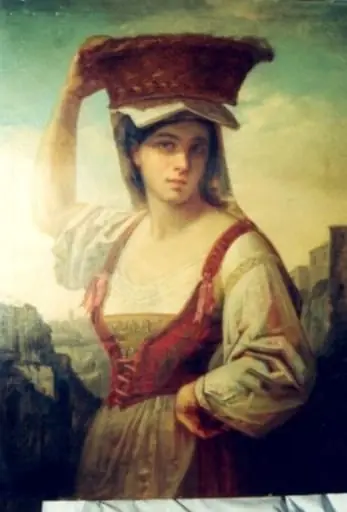
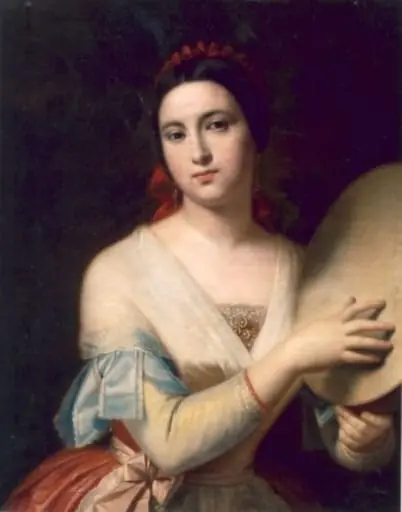
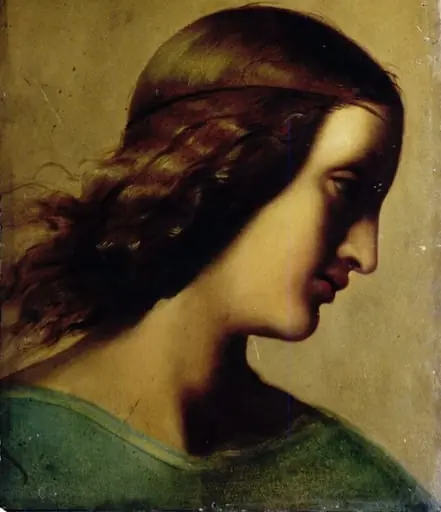
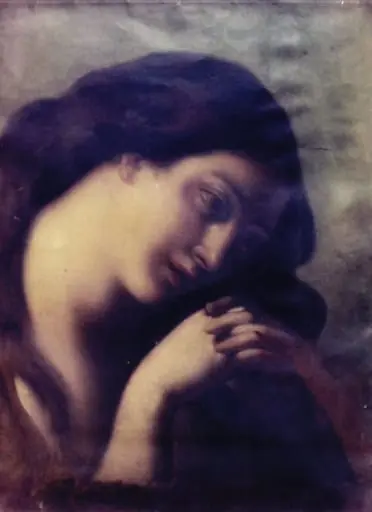
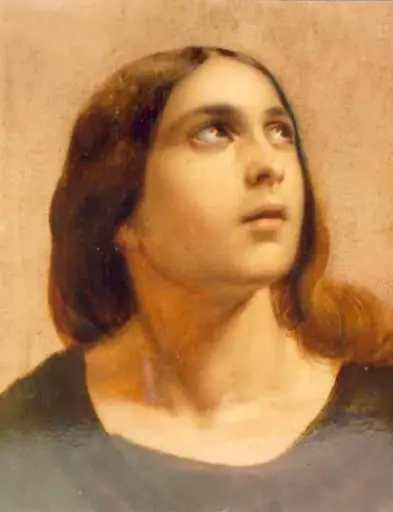
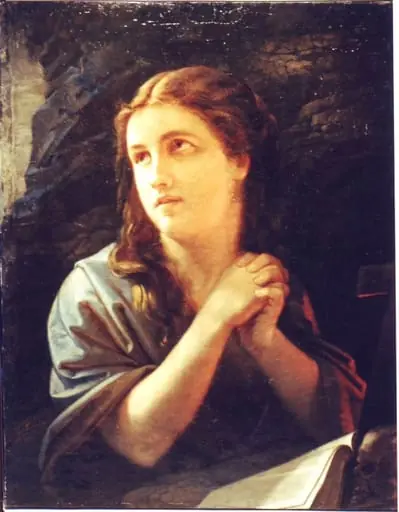
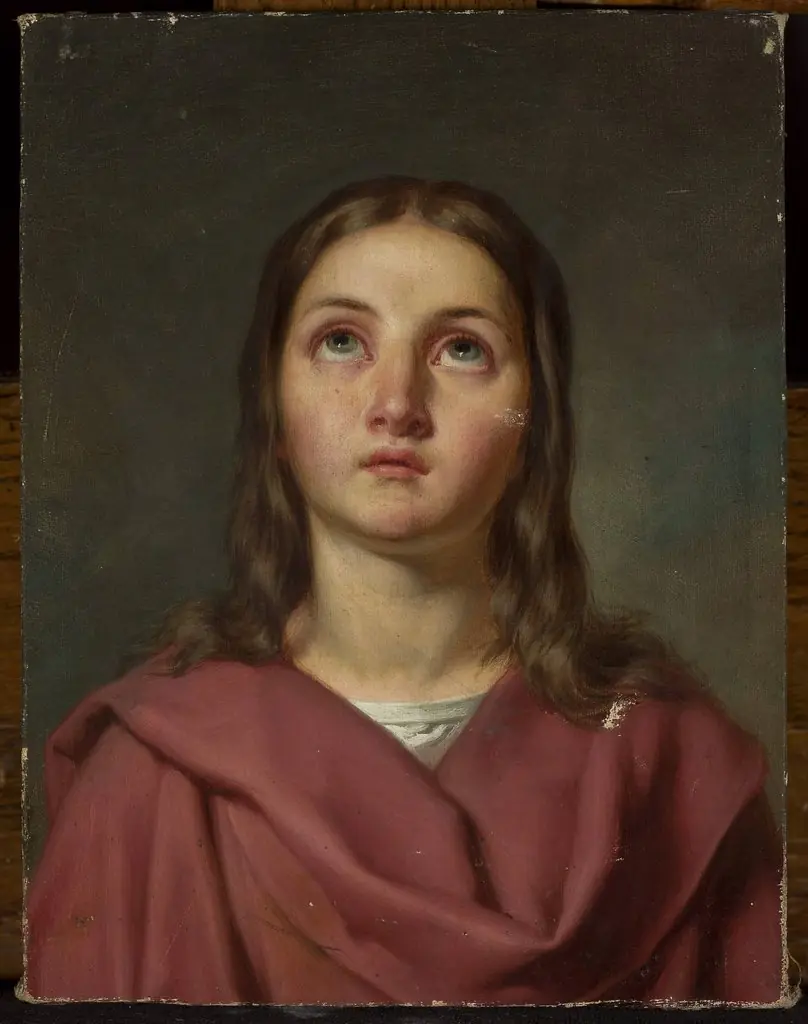
Cap de Madonă is an unspecified painting by the Realist artist Gheorghe Tattarescu. It dates from 1867 and is held in the collection of the Bucharest Municipality Museum.
About this work
Overview
Created circa 1867 by Gheorghe Tattarescu, a leading Romanian painter of the mid‑nineteenth century, this oil work is titled *Cap de Madonă*. It belongs to the realist strand of the period, presenting a straightforward, unembellished view of a rural subject. The piece is part of the collection of the Museum of Ethnography, where it is displayed as a representative genre scene.
Subject & Meaning
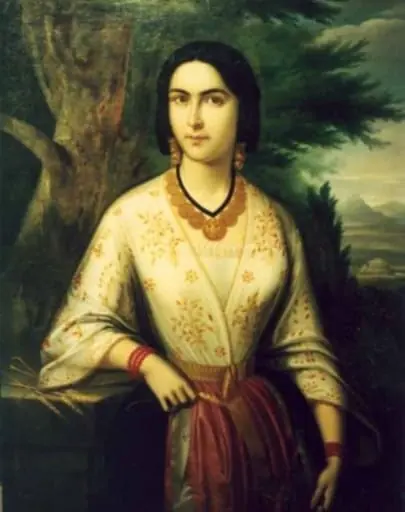
The composition centers on a woman turned slightly away from the viewer. Her hair is gathered back, and she wears a dark, loosely draped garment that falls over one shoulder. The expression is calm and contemplative, with a subtle smile that suggests inner thought rather than narrative action, embodying the everyday dignity of peasant life.
Technique & Style
Tattarescu employs a restrained palette and a dark, uniform background that isolates the figure. Light falls across the cheekbones and forehead, producing a soft chiaroscuro effect that models the skin with gentle gradations of shadow and highlight. The brushwork is smooth, emphasizing the realistic rendering of texture and form without decorative excess.
History & Provenance
After its completion, the painting entered the holdings of the Museum of Ethnography, where it has remained a key example of Romanian realist painting. Its acquisition reflects the institution’s focus on documenting folk culture through visual art, and it continues to serve as a reference point for the study of Tattarescu’s early neoclassical influences within a realist framework.
Artist & collection
Artist
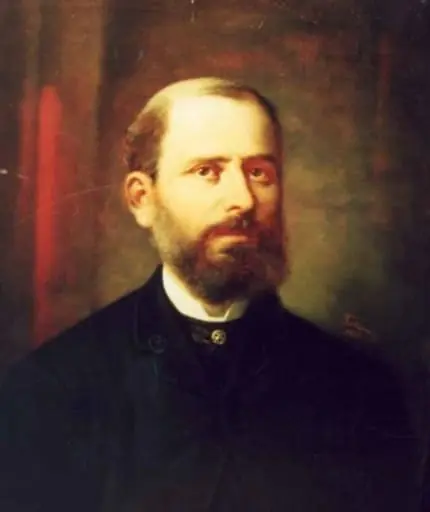
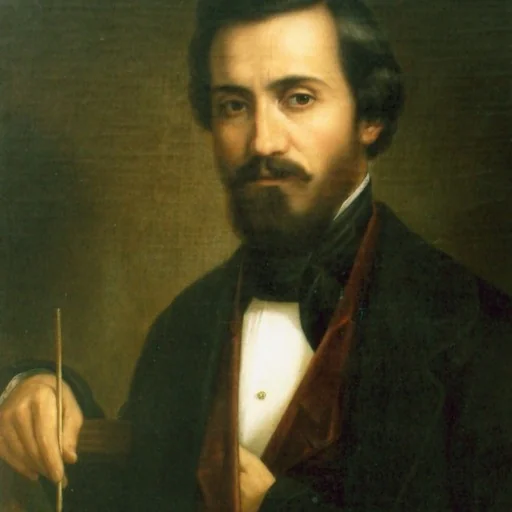
Gheorghe Tattarescu (Romanian pronunciation: ; October 1818 – October 24, 1894) was a Romanian painter and a pioneer of neoclassicism in his country's modern painting.