Artwork
Magdalena
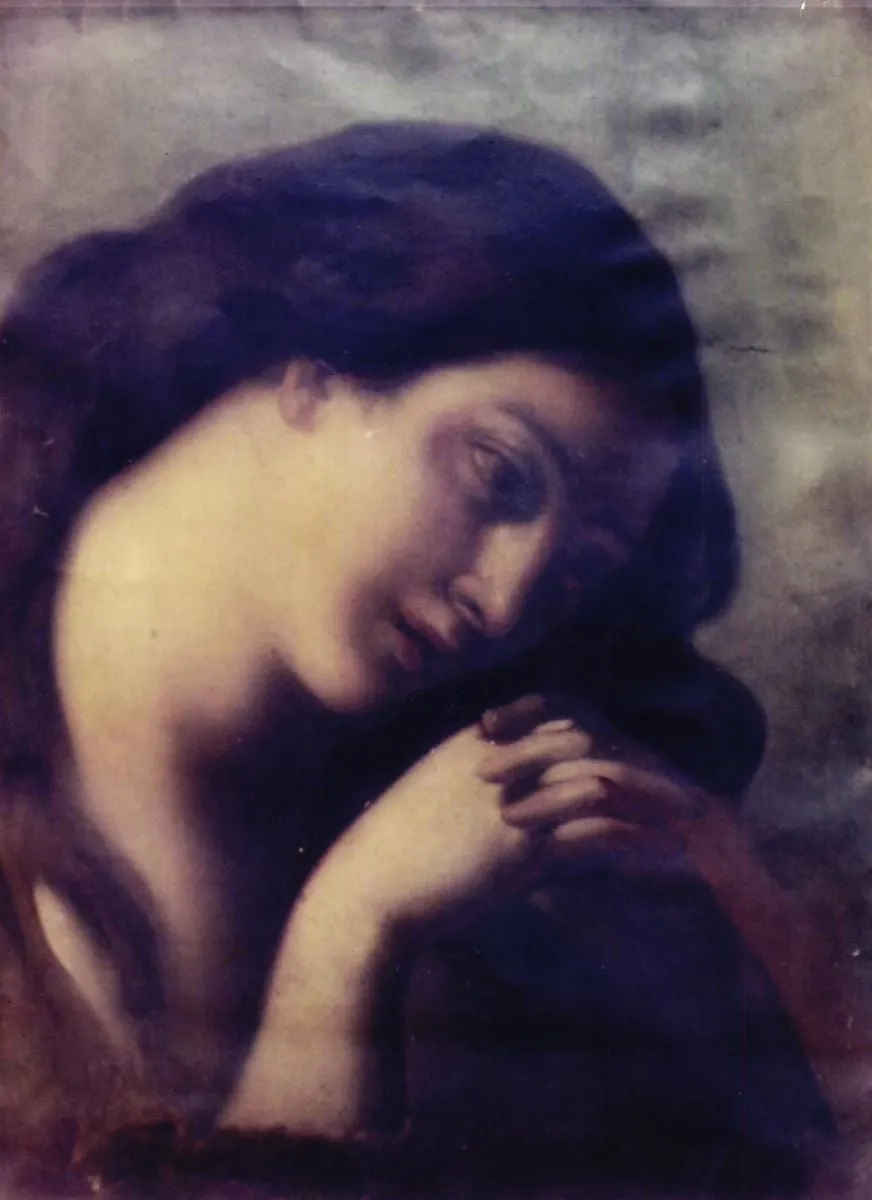
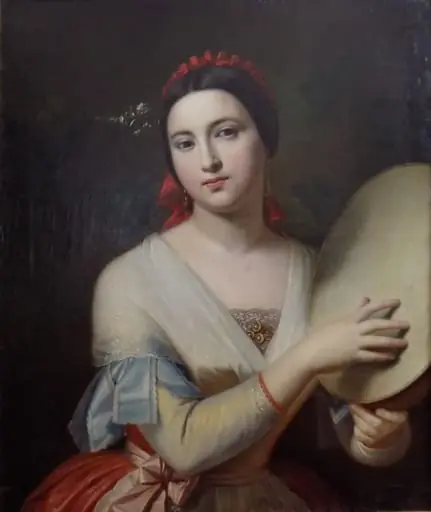
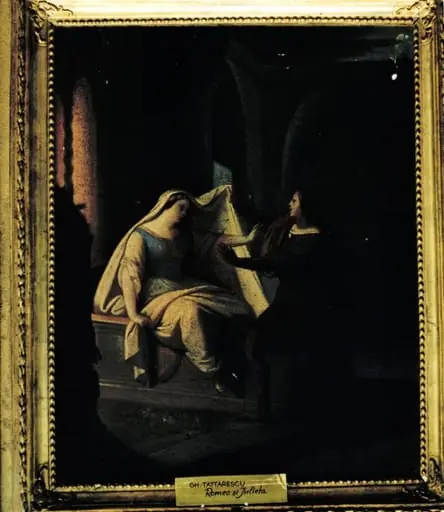
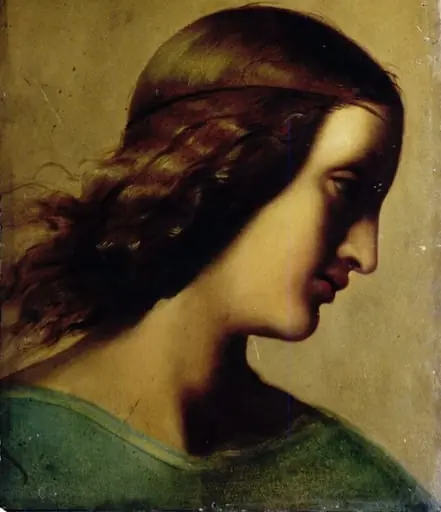
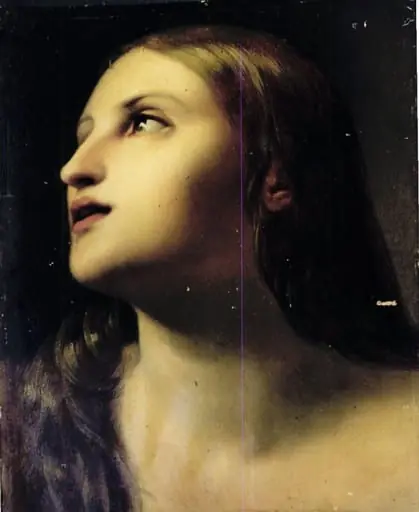
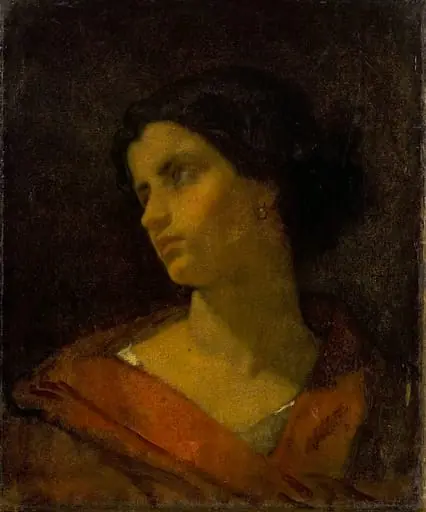
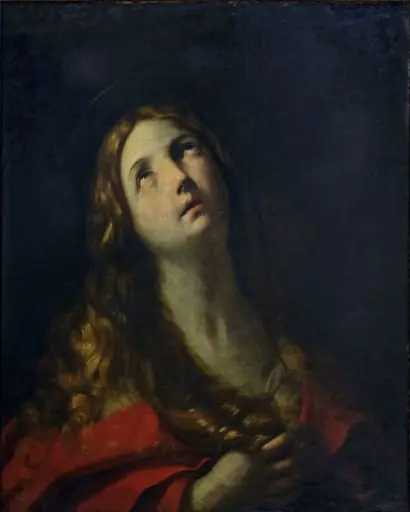
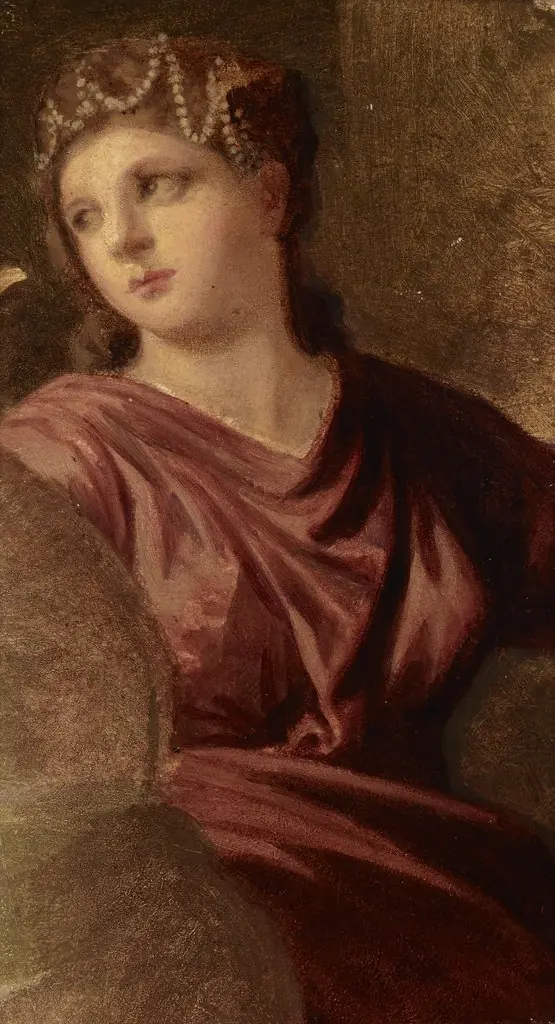
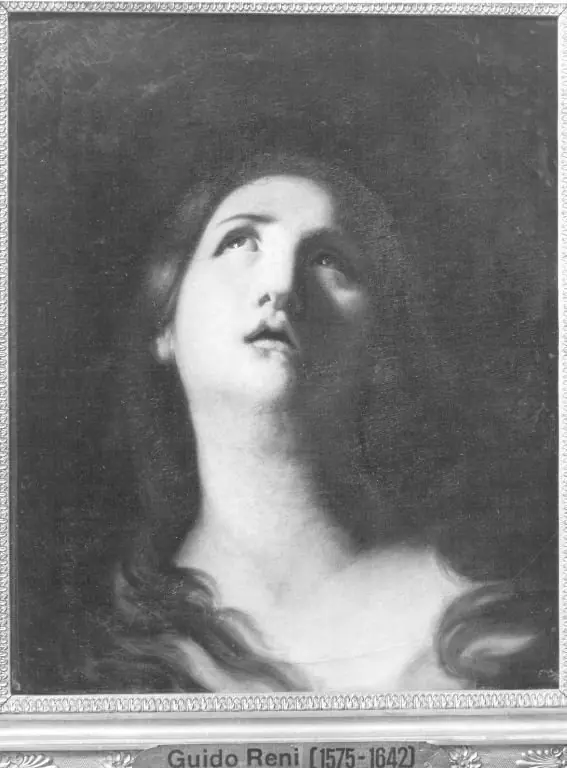
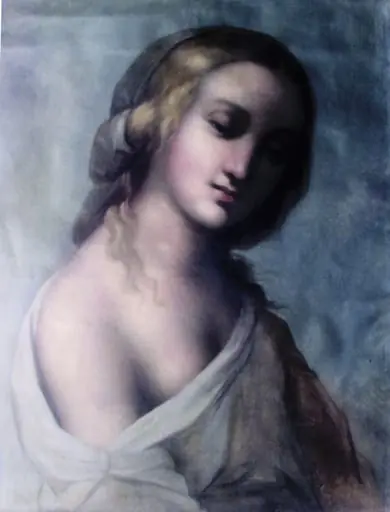
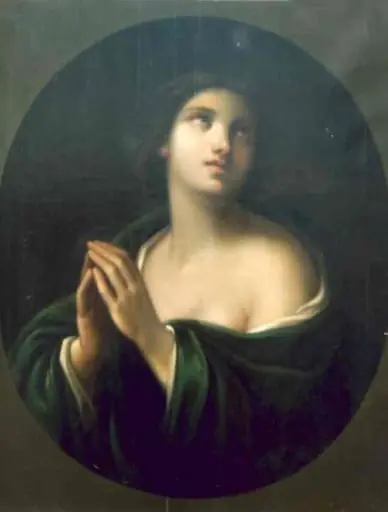
Magdalena is an unspecified painting by Gheorghe Tattarescu. It is held in the collection of the Bucharest Municipality Museum. This image depicts a solitary woman in a dim interior, illuminated by a single candle.
About this work
Overview
The composition relies entirely on the interplay of light and shadow to convey presence and stillness.
This image depicts a solitary woman in a dim interior, illuminated by a single candle. Her posture is quiet, hands folded, gaze lowered. The scene lacks identifying details—no signature, date, or context is known. The painting’s anonymity extends to its creator, whose identity remains unrecorded. The composition relies entirely on the interplay of light and shadow to convey presence and stillness.
Subject & Meaning
The figure appears engaged in private contemplation, possibly prayer or reflection. Her plain attire and subdued setting suggest humility or devotion. The absence of narrative elements—no objects, symbols, or surroundings—focuses attention on her inner state. The candle’s light may imply spiritual illumination, though no explicit religious context is given. The mood is introspective, quiet, and unresolved.
Technique & Style
The artist employs chiaroscuro with subtle precision, modeling the face and hands through gradual transitions from light to shadow. The candle’s glow appears natural, not theatrical, with soft edges that dissolve into darkness. The background recedes into near-absolute black, eliminating spatial cues. Brushwork is restrained, avoiding detail to preserve the sense of quiet intimacy and atmospheric depth.
History & Provenance
No documentation exists regarding the painting’s origin, commission, or early ownership. It has no known exhibition history or recorded collector lineage. Its survival suggests it was preserved privately, perhaps within a domestic or religious setting. The lack of attribution is common among works from the 17th century, particularly those created outside major artistic centers or by unknown hands.
Context
The image aligns with a broader tradition of intimate, candlelit figures in Northern European art of the 1600s, often depicting quiet moments of piety or domestic solitude. While similar to works by Rembrandt or his circle, this piece lacks the elaborate detail or social context typical of known artists. It may represent a lesser-known regional practice or an anonymous artisan’s response to prevailing visual conventions.
Legacy
Though unattributed and undocumented, the painting endures as a quiet example of emotional restraint in early modern visual culture. Its power lies in its simplicity and the authenticity of its lighting. It continues to be studied for its effective use of chiaroscuro and its evocation of solitude, offering insight into how light could convey psychological depth without narrative or ornament.
Artist & collection
Artist