Artwork
Portetul pictorului Constantin Lecca
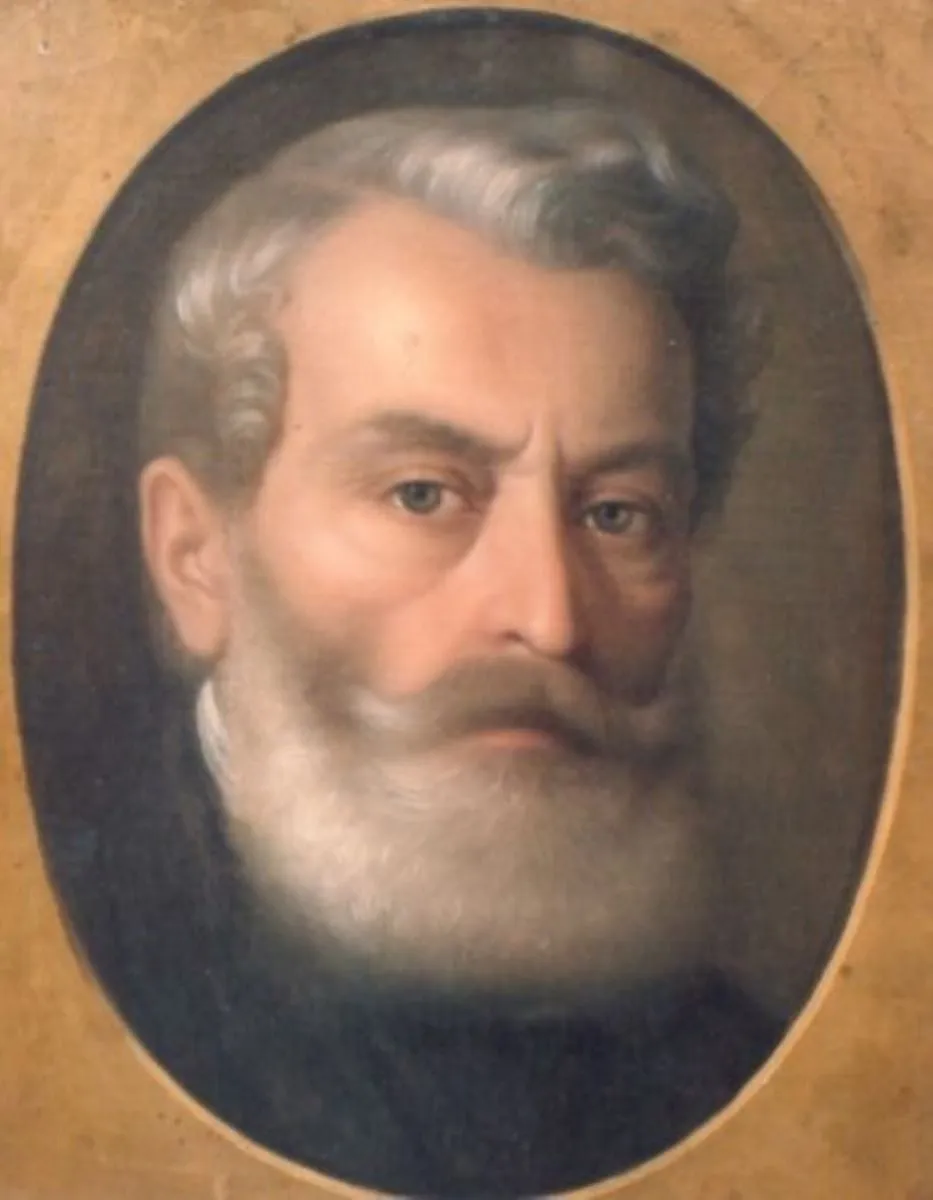
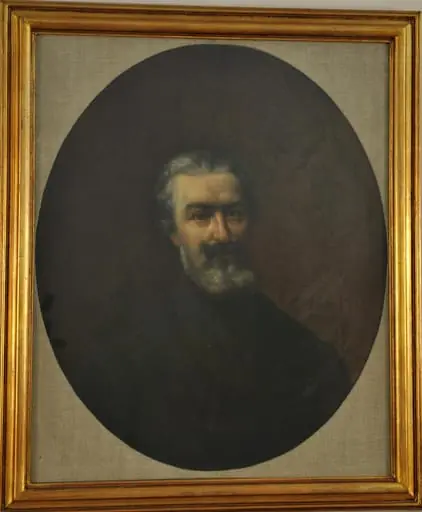
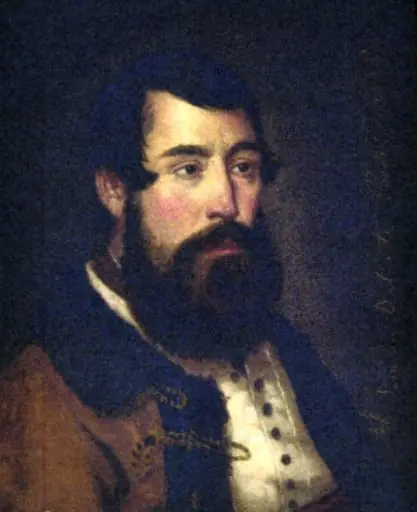
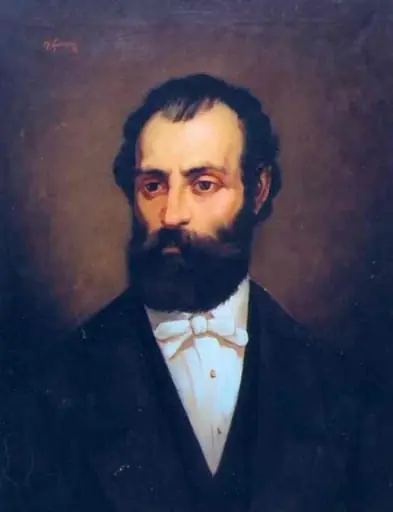
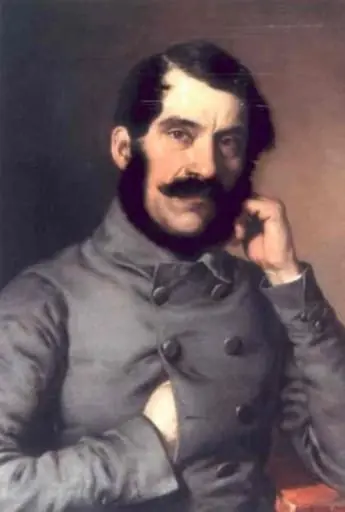
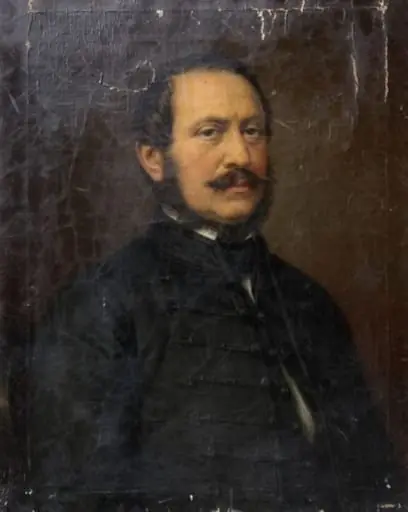
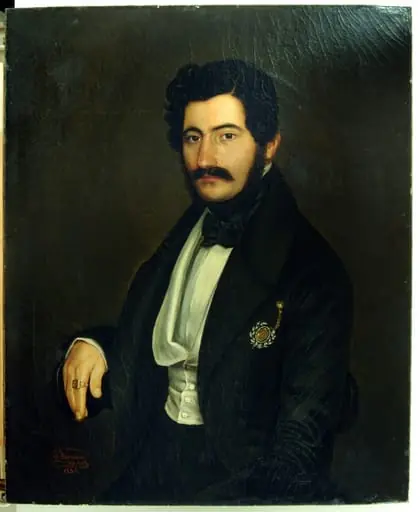
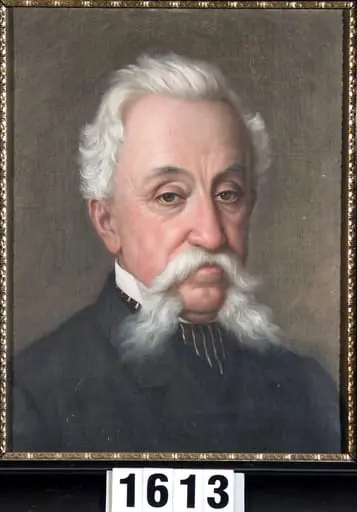
Portetul pictorului Constantin Lecca is an unspecified painting by Gheorghe Tattarescu. It is held in the collection of the Bucharest Municipality Museum. This portrait presents Constantin Lecca, the Romanian painter, rendered in a restrained, lifelike manner.
About this work
Overview
This portrait presents Constantin Lecca, the Romanian painter, rendered in a restrained, lifelike manner. Executed in oil, the composition focuses on his upper torso and face, set against a neutral brown backdrop that isolates the figure. The lighting emphasizes his features through subtle contrasts, reinforcing a quiet intensity without theatricality.
Subject & Meaning
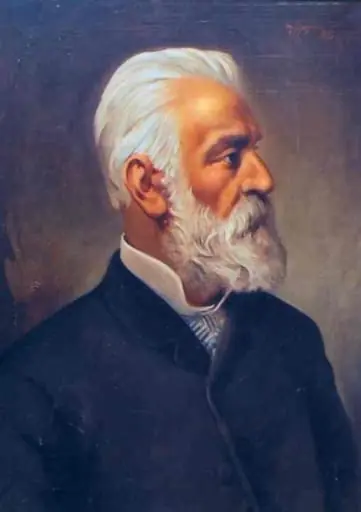
Lecca depicts himself with unadorned dignity, his gray beard and wavy hair reflecting mid-19th-century male grooming. His direct gaze and solemn expression convey introspection rather than grandeur, suggesting an artist’s self-assessment rather than public persona. The absence of symbolic elements shifts focus entirely to presence and character.
Technique & Style
The painting employs chiaroscuro to model form with precision, particularly in the contours of the face and the folds of the dark jacket. Brushwork is controlled, favoring smooth transitions over visible strokes. Details like the texture of hair and fabric are rendered with quiet accuracy, aligning with academic realism of the period.
History & Provenance
Painted by Lecca around the 1850s, the work likely served as a personal study or professional statement during his early career. It remained in private Romanian collections before entering institutional custody. No documented exhibition history exists prior to the 20th century, suggesting limited public display in its early years.
Context
Created during Romania’s cultural awakening under Ottoman influence and emerging national identity, the portrait reflects the era’s emphasis on individual dignity and intellectual seriousness. Artists like Lecca often turned inward, using self-portraiture to assert professional legitimacy amid evolving artistic institutions.
Legacy
The portrait stands as one of Lecca’s few surviving self-representations, offering insight into how Romanian artists viewed themselves before full institutional recognition. Its understated realism influenced later generations who favored psychological depth over ornamentation in portraiture.
Artist & collection
Artist