Artwork
Kemény Zsigmond
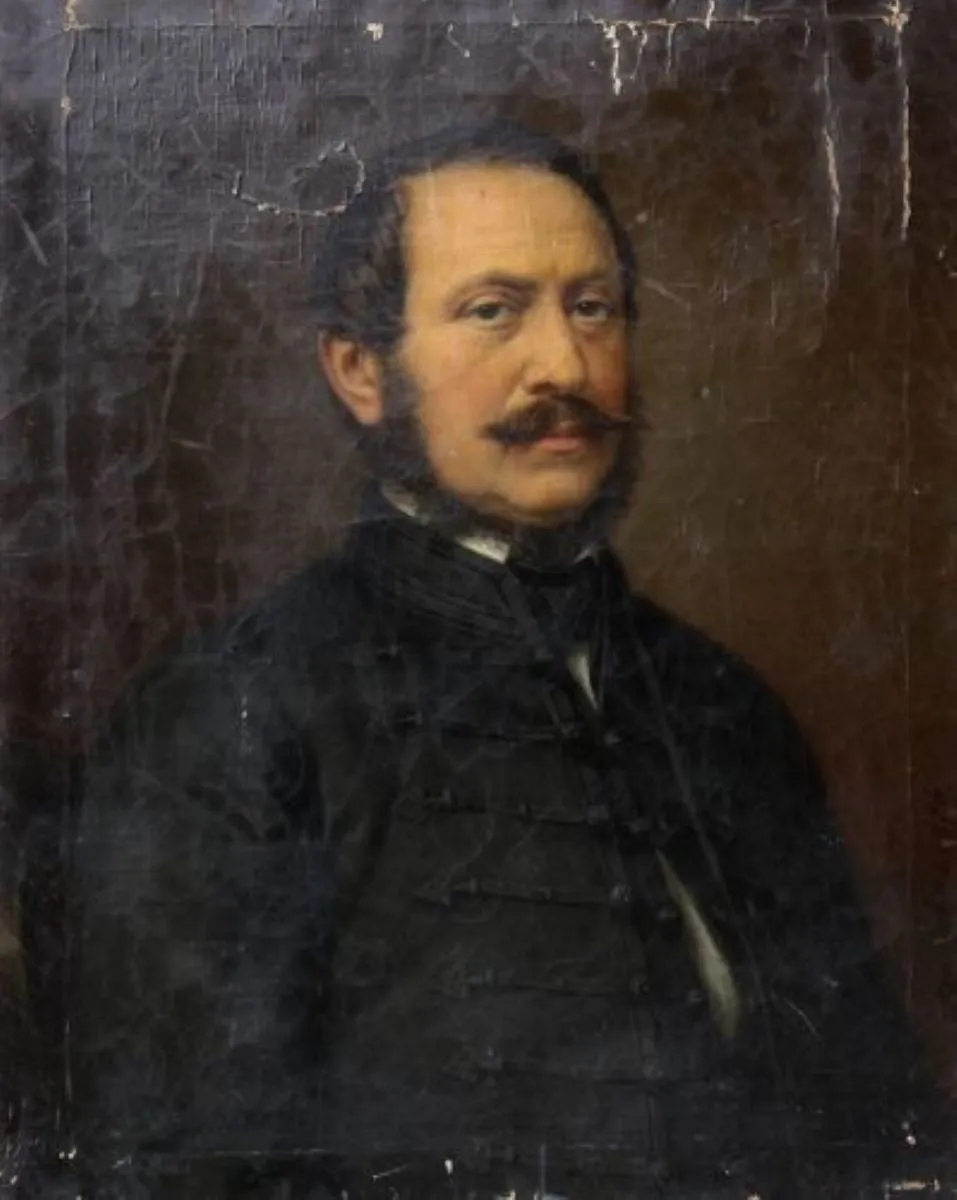
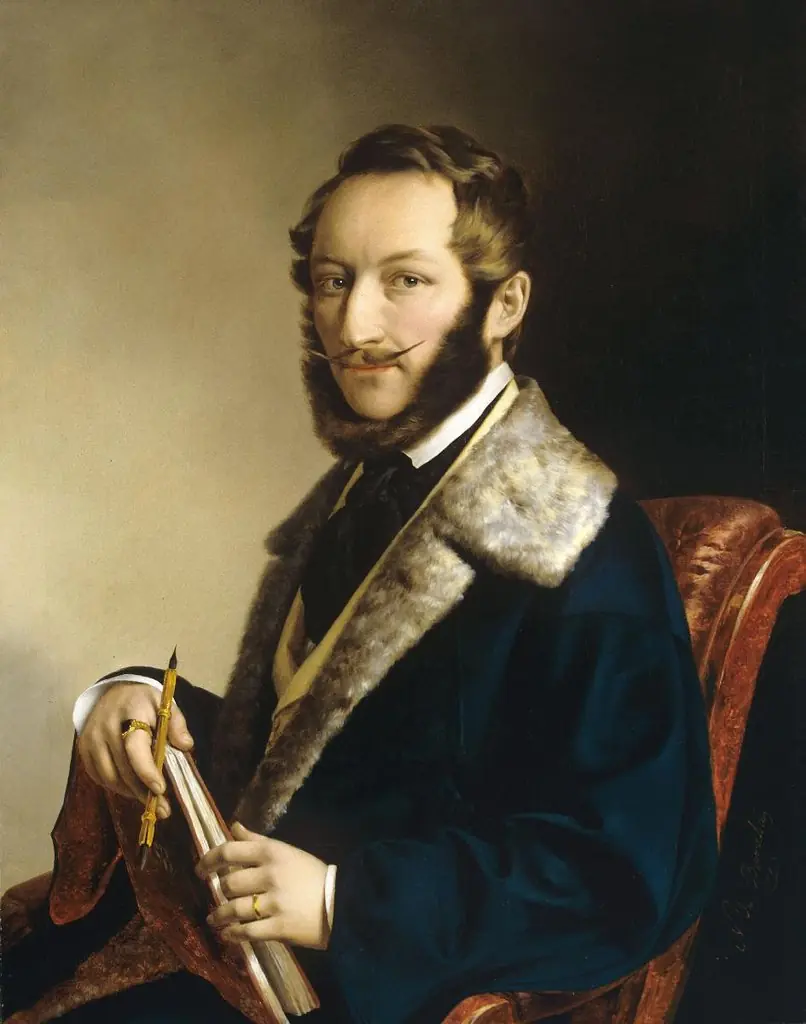
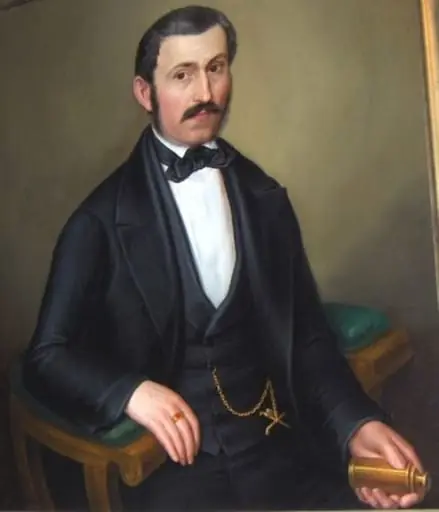
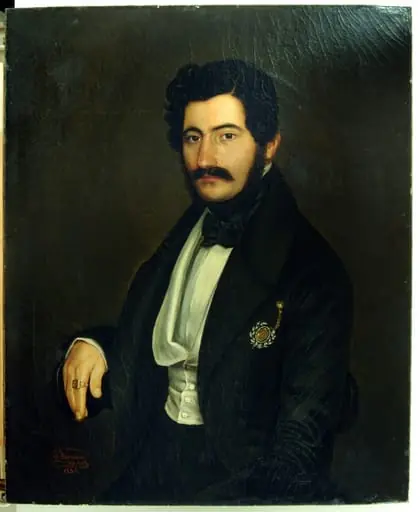
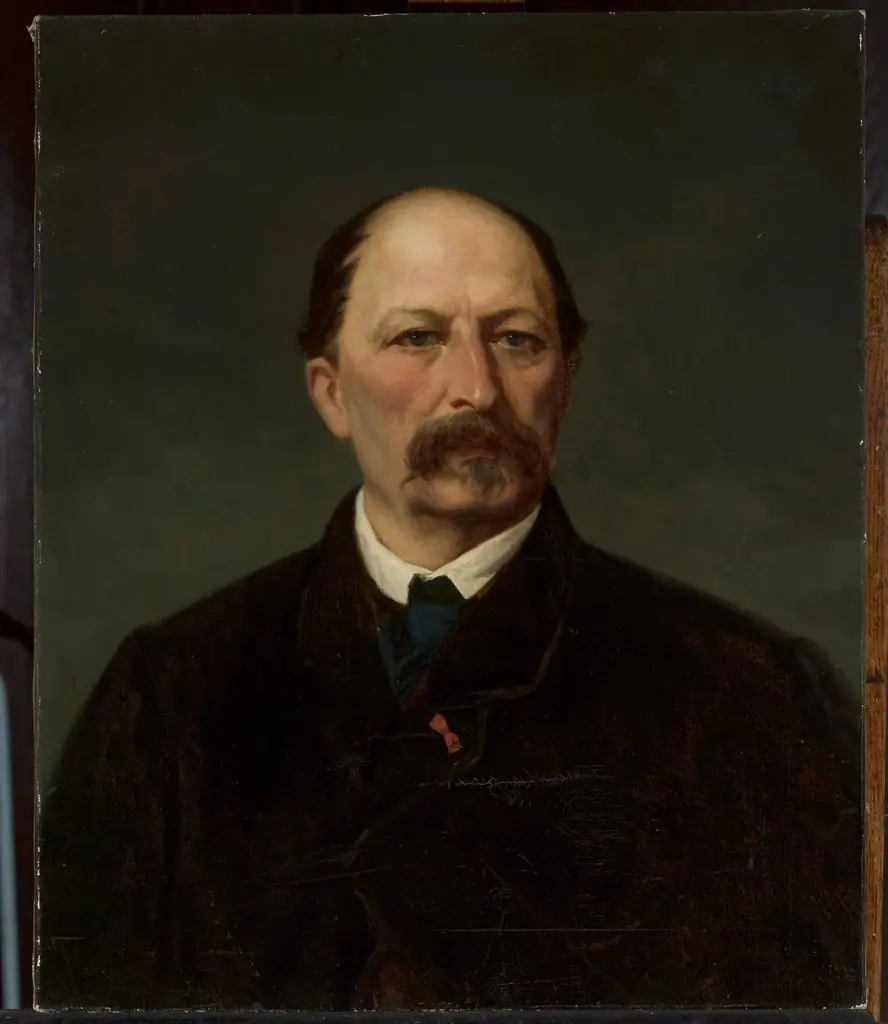
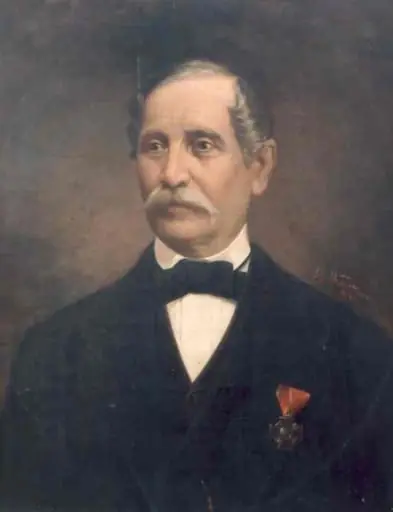
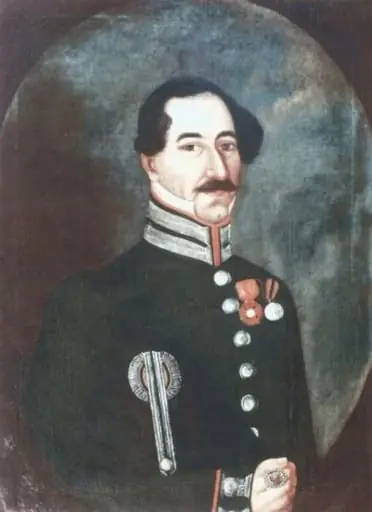
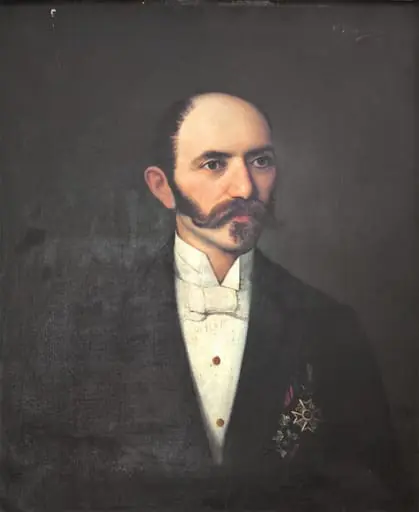
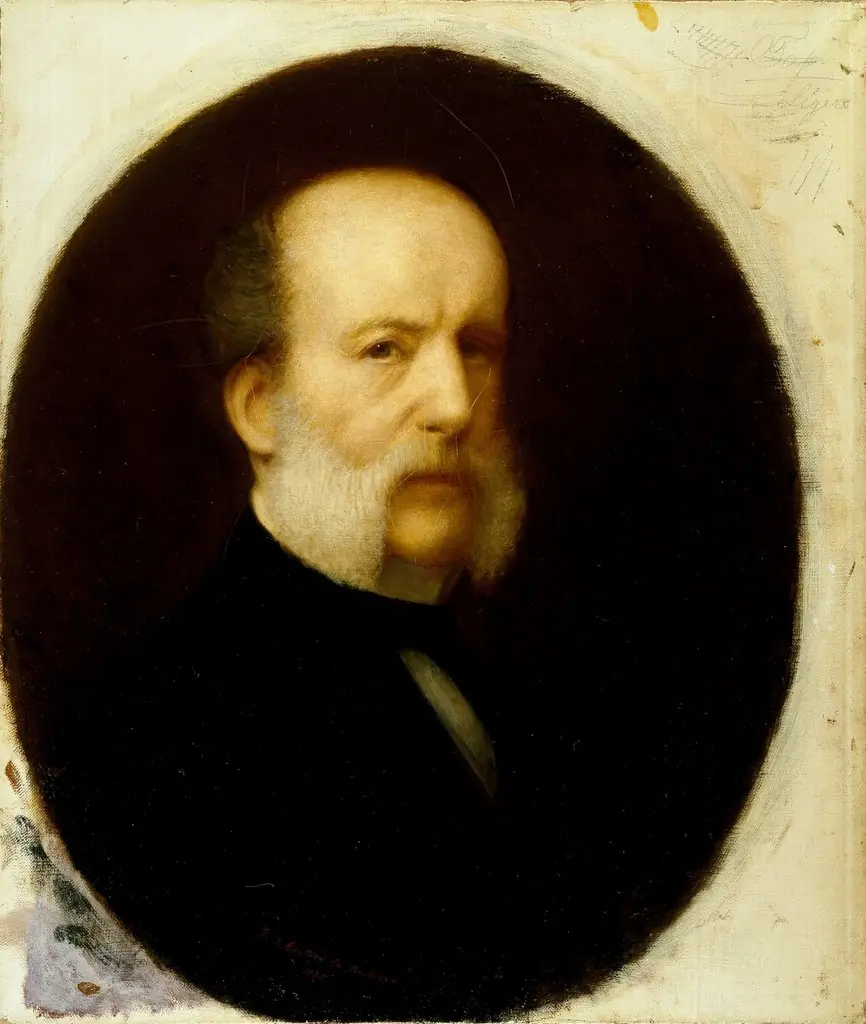
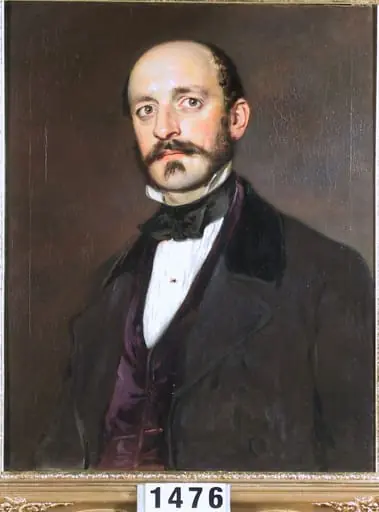
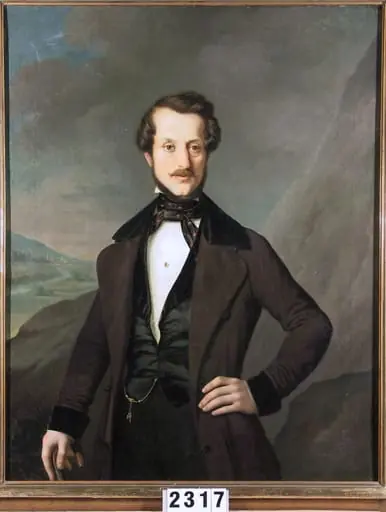
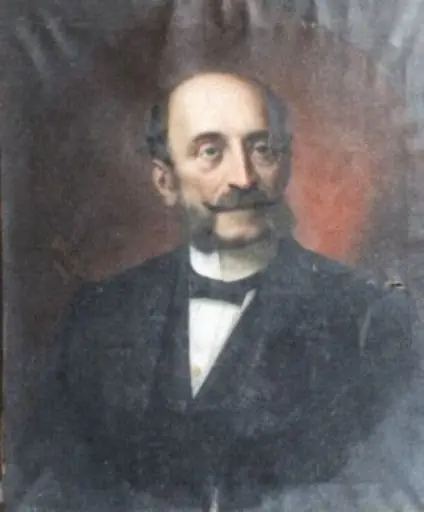
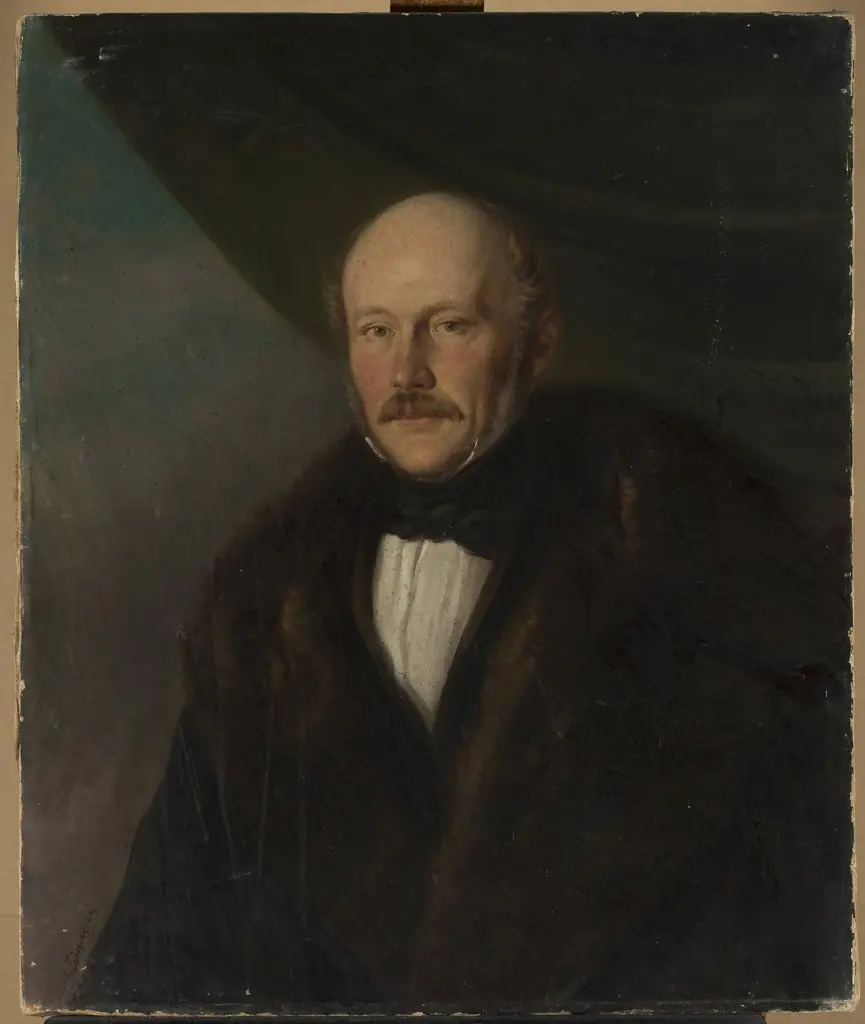
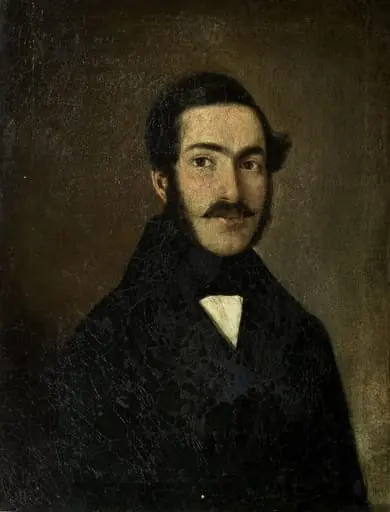
Kemény Zsigmond is an unspecified painting by the Academic Art artist Miklós Barabás. It is held in the collection of the Museum of Art Cluj-Napoca. This portrait depicts a man with a dark mustache and a solemn demeanor, rendered in oil on canvas.
About this work
Overview
This portrait depicts a man with a dark mustache and a solemn demeanor, rendered in oil on canvas. The composition isolates his upper torso and face against a deep, unadorned background, eliminating contextual distractions. Visible brushwork emphasizes texture, particularly along the contours of his cheeks and collar, suggesting a direct, unidealized approach to representation.
Subject & Meaning
The subject’s intense gaze and restrained expression convey introspection or gravity, though no specific identity or narrative is documented. His formal attire—a dark coat with a crisp white collar—hints at social standing or professional role, but the absence of symbols or settings leaves interpretation open. The focus remains on psychological presence rather than biographical detail.
Technique & Style
The artist employs strong chiaroscuro to model the face and shoulders, using sharp contrasts between light and shadow to define structure. Brushstrokes are deliberate and tactile, especially in the rendering of skin and fabric, avoiding smooth blending. This method prioritizes immediacy and physical presence over polished finish, aligning with a realist sensibility.
History & Provenance
The painting is attributed to Kemény Zsigmond, a Hungarian artist active in the late 19th and early 20th centuries. Its provenance is limited to private collections and institutional holdings in Hungary, with no record of public exhibition prior to the 20th century. Documentation remains sparse, and its creation date is estimated based on stylistic parallels.
Context
Created during a period when Hungarian portraiture was shifting from academic idealism toward psychological realism, the work reflects broader regional trends. Artists like Kemény engaged with European naturalism, rejecting ornate backgrounds in favor of intimate, focused studies. This portrait aligns with contemporaneous efforts to capture individual character through light and gesture alone.
Legacy
Though not widely reproduced or studied outside Hungary, the painting exemplifies a quiet strand of Central European portraiture that valued emotional restraint and material honesty. Its influence is seen in later regional artists who favored direct observation over theatrical composition, contributing to a more subdued, introspective tradition in Hungarian visual culture.
Artist & collection
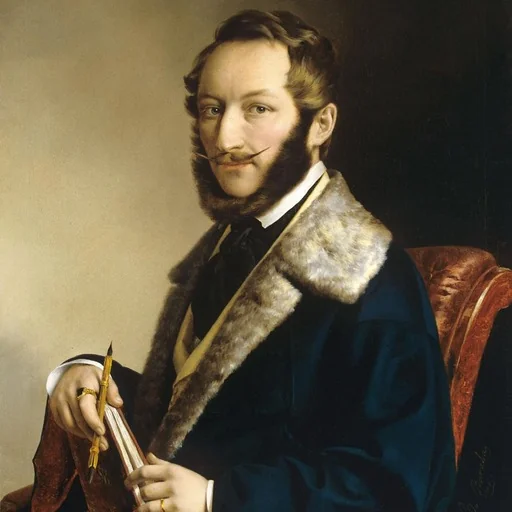
Artist
Miklós Barabás (10 February 1810, in Márkosfalva (rom. Mărcușa), Háromszék County, Hungary – 12 February 1898, in Budapest, Hungary) was a Hungarian painter. He is mostly known for his portrait paintings, including a…