Artwork
Soția pictorului cu fiul
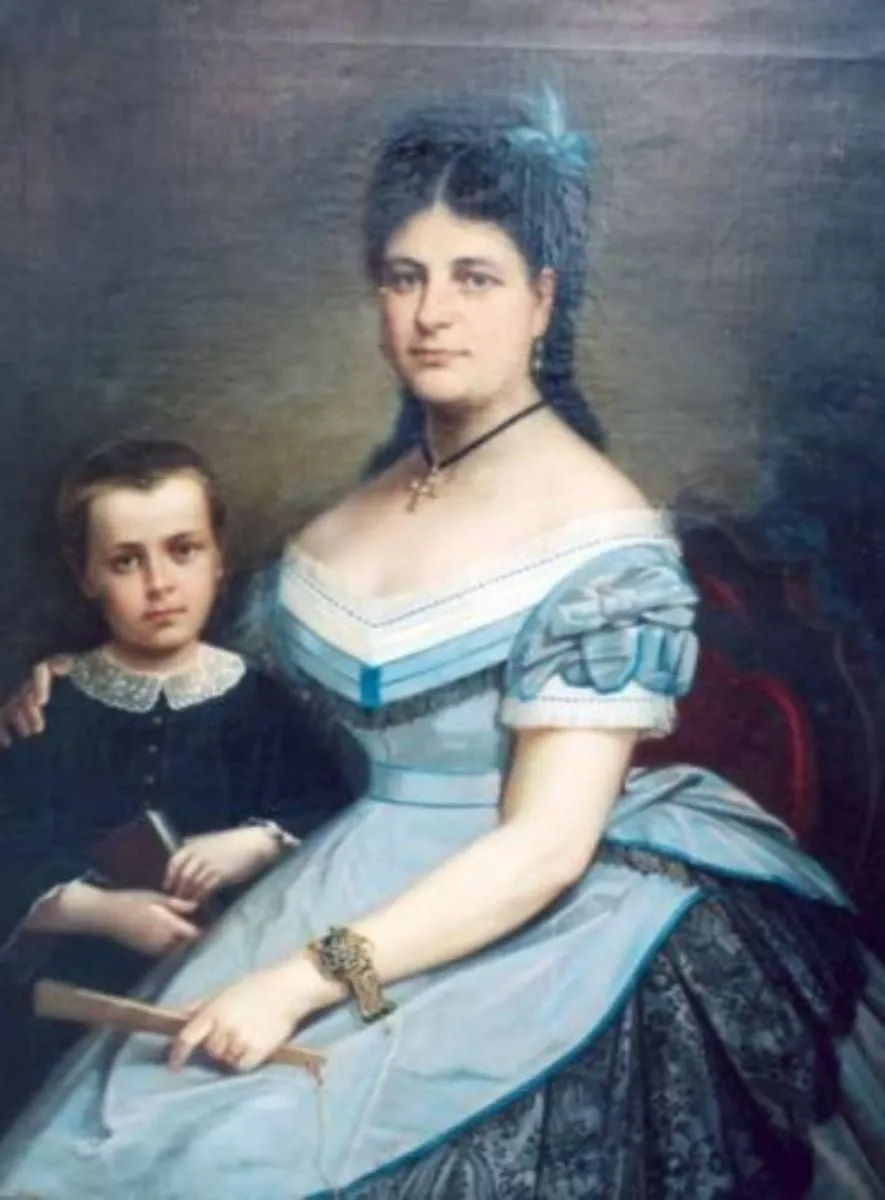
Soția pictorului cu fiul is an unspecified painting by Gheorghe Tattarescu. It dates from 1850 and is held in the collection of the Bucharest Municipality Museum.
About this work
Overview
Its composition centers on the figures with minimal background detail, emphasizing their presence through careful lighting and texture.
Painted around 1850 by Gheorghe Tattarescu, this portrait depicts a woman and her young son in a quiet domestic setting. The work is part of the collection at the Museum of Ethnography. Its composition centers on the figures with minimal background detail, emphasizing their presence through careful lighting and texture. The painting reflects a shift toward intimate, personal subjects in Romanian art of the mid-nineteenth century.
Subject & Meaning
The woman, seated with one arm resting on a chair back, is shown with quiet dignity, her attire suggesting modest affluence. The boy stands beside her, dressed in darker clothing, his gaze directed outward, creating a subtle tension between stillness and awareness. The pairing suggests familial bonds and the transition from childhood to social awareness, rendered without overt narrative, allowing the relationship to speak through posture and proximity.
Technique & Style
Tattarescu employs soft modeling and subtle chiaroscuro to render fabric and skin with tactile realism. The lace trim on the woman’s dress and the wrinkles in her light blue gown are rendered with delicate brushwork, while the boy’s dark clothing anchors the composition against the indistinct background. The contrast in color and tone directs focus without dramatic lighting, favoring naturalism over theatricality.
History & Provenance
The painting has remained in institutional hands since its creation, currently held by the Museum of Ethnography. Its early documentation is sparse, but its style aligns with Tattarescu’s mid-century output, when he moved from academic training toward more personal, domestic scenes. It was likely commissioned by a middle-class family, reflecting the growing interest in private portraiture beyond aristocratic circles.
Context
In mid-1800s Romania, portraiture was increasingly used to express individual identity amid national cultural revival. Tattarescu, trained in Italy, brought European techniques to local subjects. This work exemplifies how domestic scenes began to replace religious or historical themes in Romanian art, mirroring broader European trends toward bourgeois intimacy and psychological nuance in painting.
Legacy
Though not widely exhibited outside Romania, the painting is recognized for its quiet realism and early use of psychological presence in local portraiture. It influenced later Romanian artists seeking to depict everyday life with emotional depth rather than idealization. Its preservation in an ethnographic museum underscores its value as a cultural document of domestic life in the mid-nineteenth century.
Artist & collection
Artist

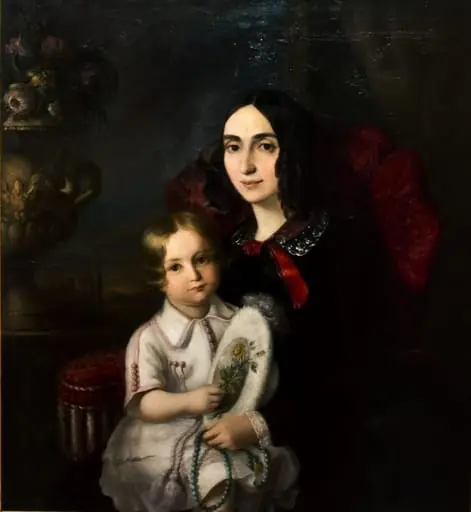 Anica Manu cu copilul
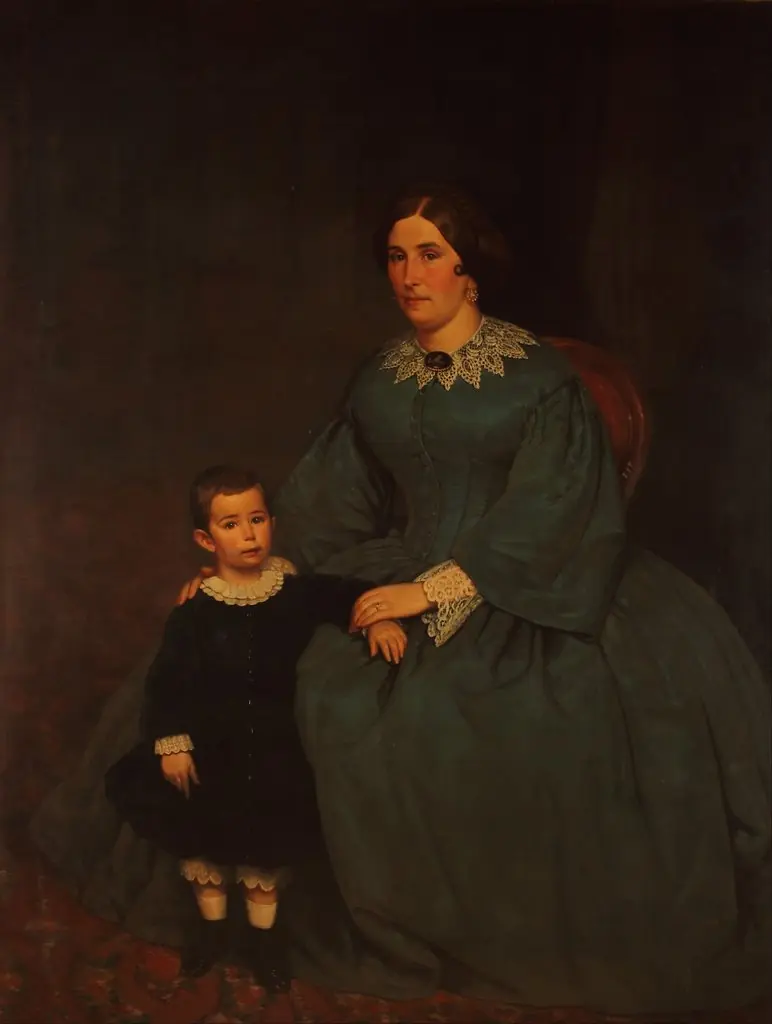 Retrato de Cecilia R. de Peralta Ramos y su hijo
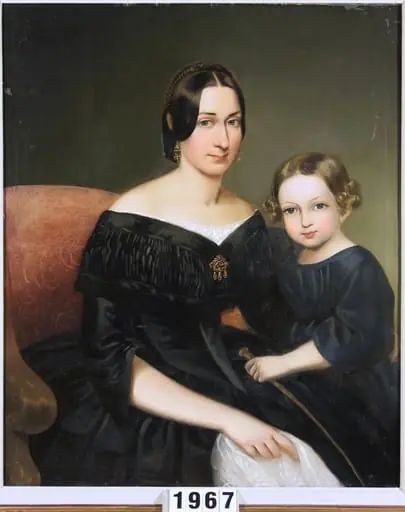 Alma Neugeboren cu copilul
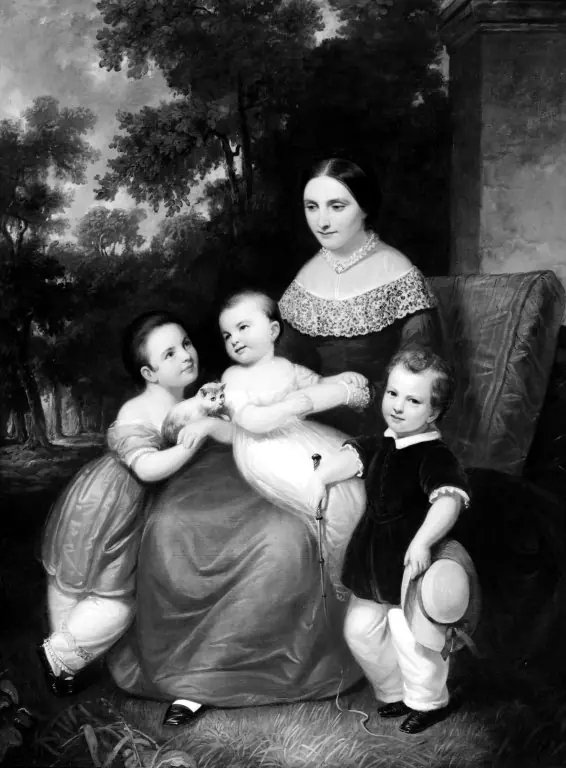 Ellen Almira Low and Her Three Children
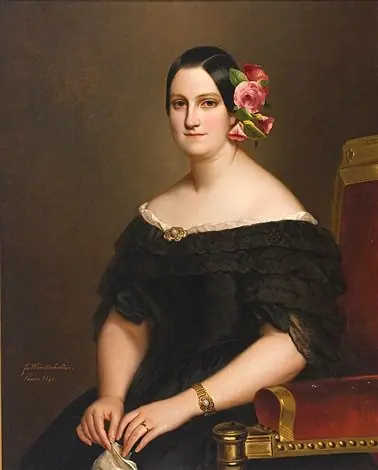 Maria Christina of the Two Sicilies (1806-1878), Spanish queen-consort
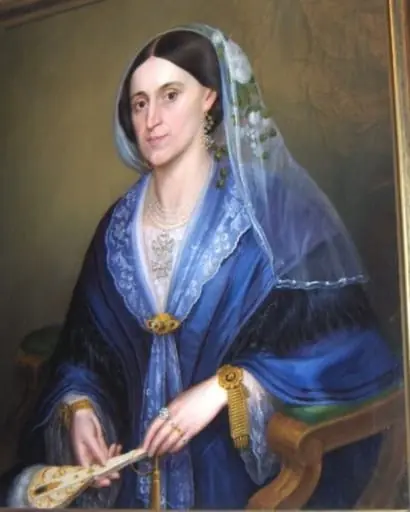 Sevastia Mureșianu
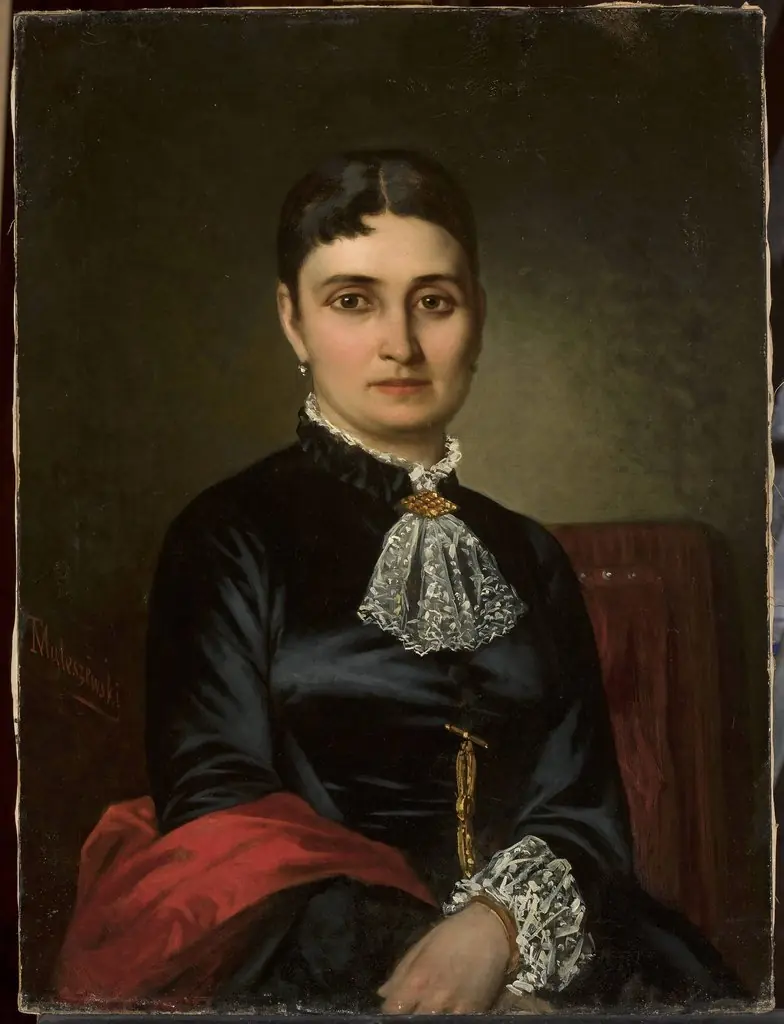 Portrait of Apolonia Anaszkowska
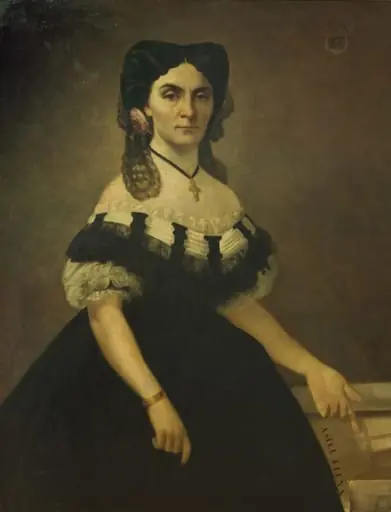 Portretul Elenei Cuza
 Soția lui Lazăr Kalinderu
 Portrait of Louise-Adèle Taschereau
 Mrs. Thomas Hicks
 Soția pictorului