Artwork
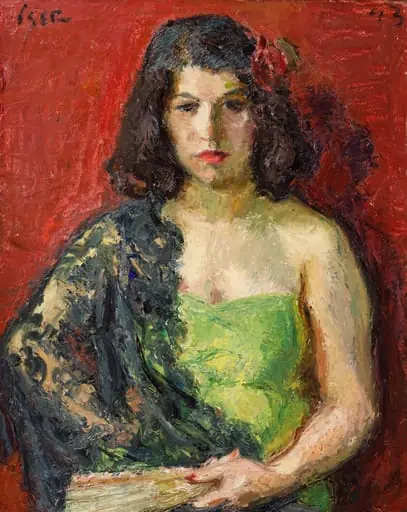
Odaliscă șezând (Dra Ionescu)
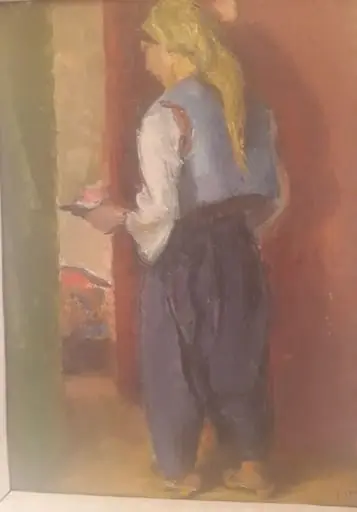
Odaliscă șezând (Dra Ionescu) is an unspecified painting by Iosif Iser. It dates from 1850 and is held in the collection of the National Museum of Art of Romania.
About this work
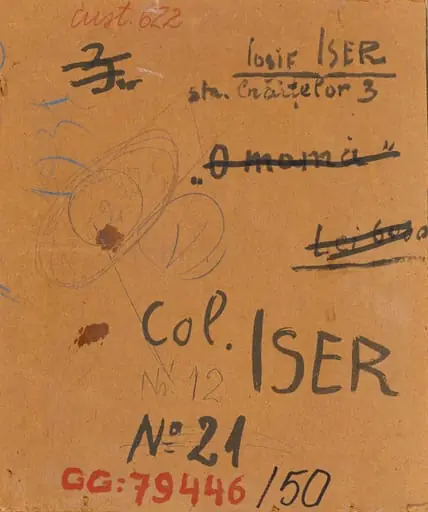
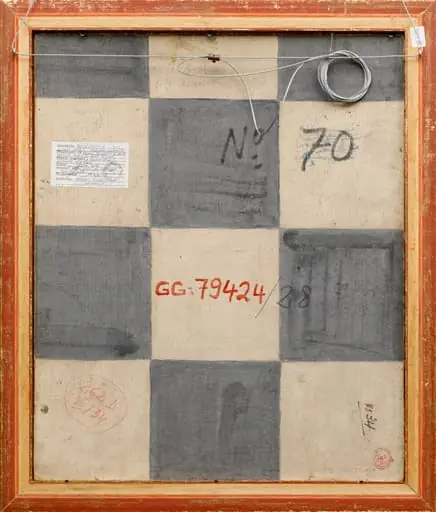
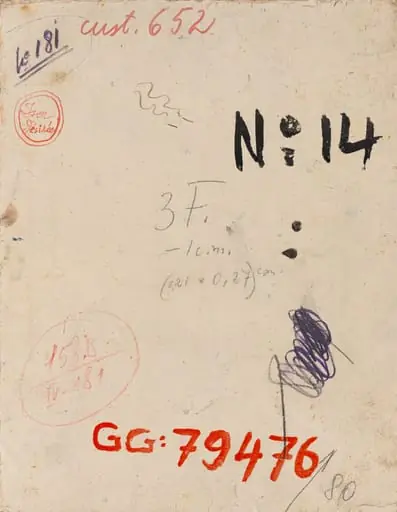
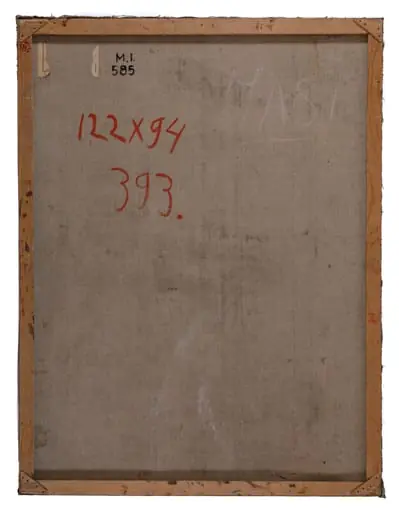
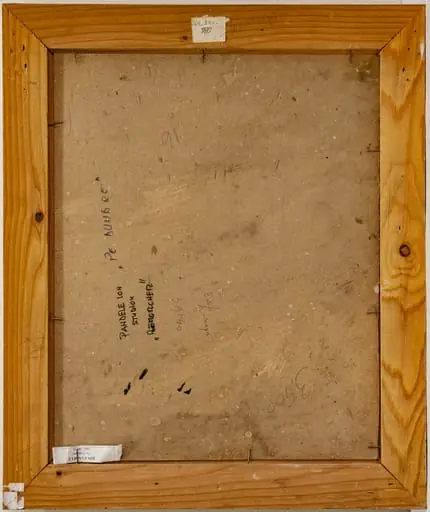
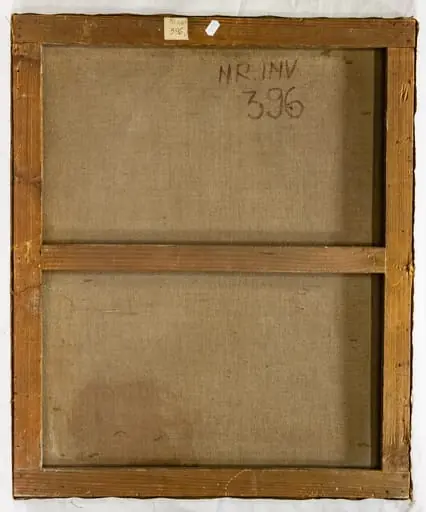
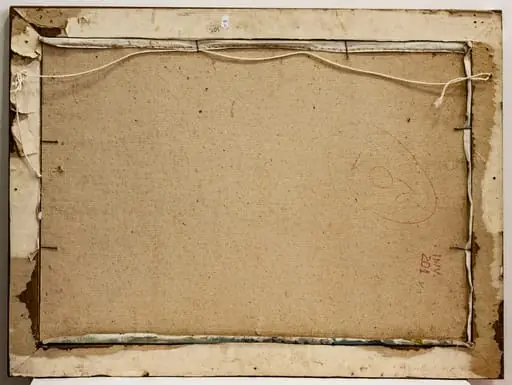
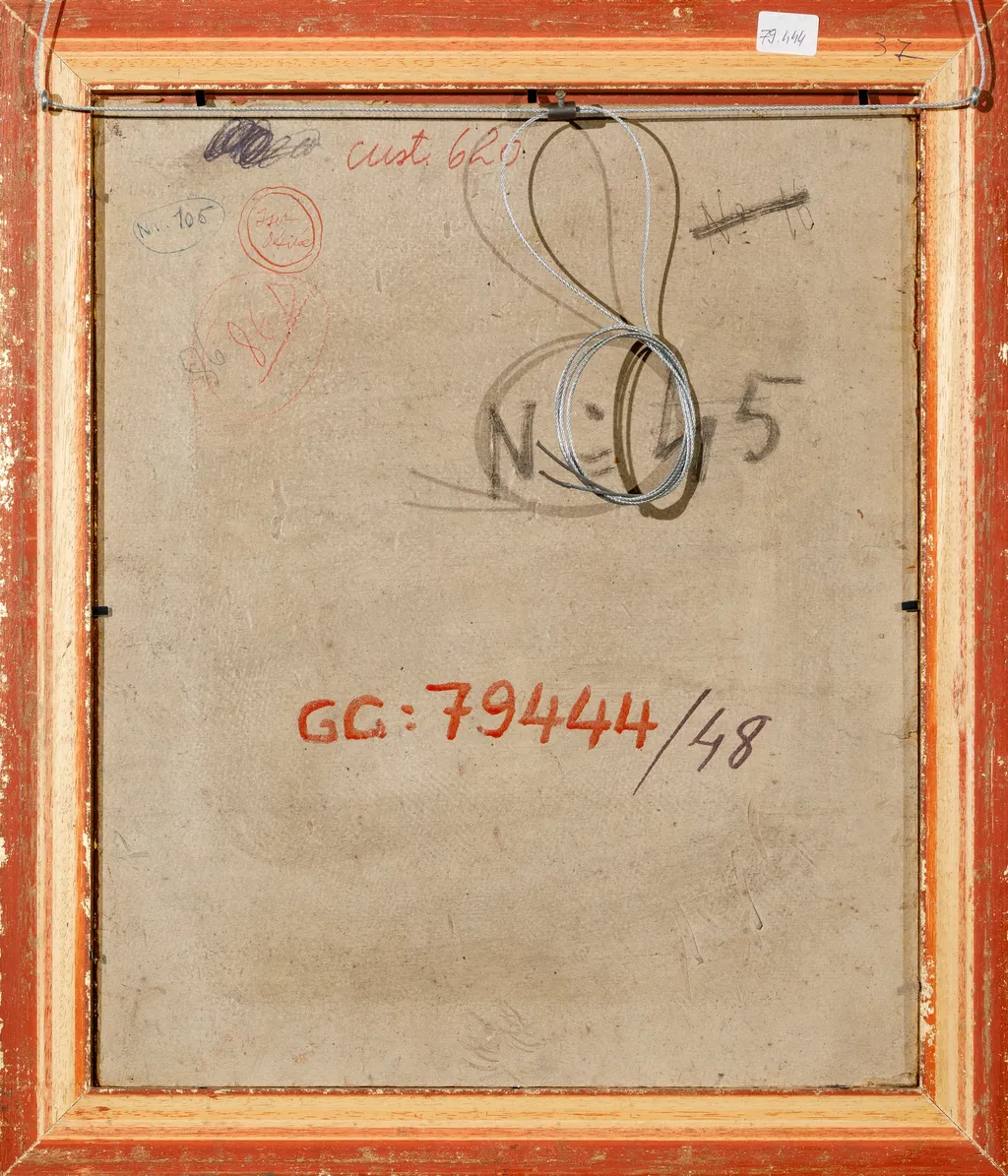
The back of the painting is a light brown color, with some scribbled notes and marks in various colors.
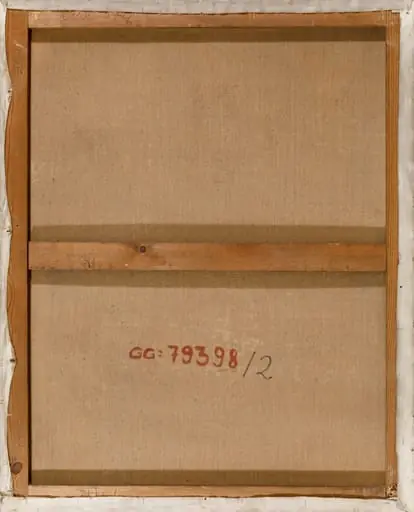
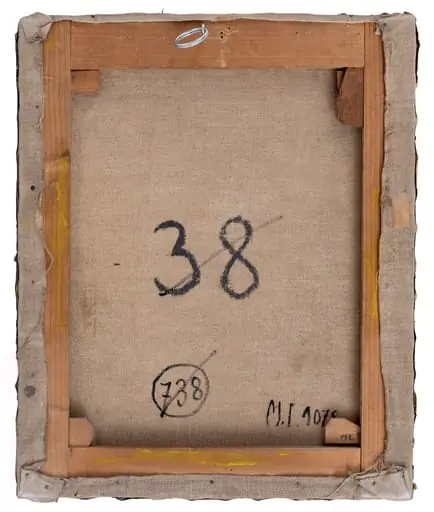
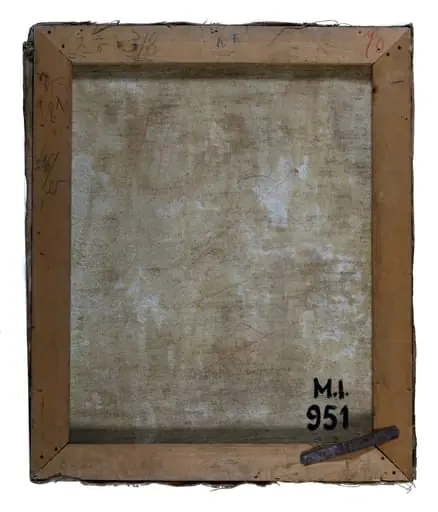
The image shows the back of a painting, with a red wooden frame. The frame is old and worn, with scratches and marks on the surface. A small white tag is attached to the top of the frame, with some handwritten text that is not legible.
The back of the painting is a light brown color, with some scribbled notes and marks in various colors. There are also some numbers and letters written in red and black ink. A thin metal wire is attached to the top of the frame, with a small loop at the end.
The painting appears to be an old work of art, possibly from the early 20th century. The style and technique used in the painting are not immediately apparent, but it may be worth looking into the work of Iosif Iser, the artist who created this piece.
Overview
Odaliscă șezând (Dra Ionescu) is a portrait painted by Iosif Iser around 1850, depicting a seated female figure. The work is known primarily through its reverse side, which reveals physical traces of its history: a weathered wooden frame, handwritten annotations, and a suspended hanging wire. The painting’s surface is not visible, but its material and mounting suggest it was handled and displayed over decades, likely within Romanian artistic circles.
Subject & Meaning
The title identifies the subject as Dra Ionescu, a woman associated with Iser’s social or professional circle. Though her identity remains largely undocumented, the term 'odaliscă'—historically denoting a concubine in Ottoman harems—may reflect a romanticized or exoticized portrayal common in 19th-century Eastern European art. The pose, implied by the title, suggests intimacy and stillness, possibly signaling a departure from formal portraiture toward more personal or orientalist themes.
Technique & Style
The painting’s visual style cannot be determined from the reverse, but Iser’s known works from this period show a blend of academic realism and Romantic sensibility. His figures often exhibit soft modeling and subdued color palettes. The frame’s craftsmanship and the painting’s support suggest traditional oil-on-canvas construction, consistent with mid-19th-century Romanian studio practice, though the brushwork and composition remain unseen.
History & Provenance
The reverse of the frame bears handwritten notes, inventory markings, and red-black ink inscriptions, indicating past cataloging or ownership transitions. The worn condition of the wooden frame and the presence of a hanging wire imply regular display and movement. The illegible tag and layered annotations suggest the work passed through multiple hands or institutions, possibly within Romanian collections before entering its current archival context.
Context
Created during a period of cultural awakening in Romania, Iser’s work emerged alongside growing interest in national identity and European artistic trends. While Orientalist themes were popular across Europe, Romanian artists like Iser often adapted them with local nuances. The choice of a private, seated figure rather than a public or historical subject reflects a shift toward intimate portraiture, aligning with broader trends in bourgeois art patronage of the era.
Legacy
Though not widely exhibited, Odaliscă șezând survives as a physical artifact of Iser’s practice and the material culture of 19th-century Romanian painting. Its preserved reverse offers insight into how artworks were stored, labeled, and transported—valuable for conservation studies. The work contributes to understanding the quiet, everyday circulation of art beyond major public collections.
Artist & collection
Artist
Iosif Iser painted everyday life with a focus on people and places. His 1933 work *Paris. Strada Mouffetard* shows a lively street scene in Paris, while *Nud pe fotoliu* depicts a seated nude figure. His brushwork…