Artwork
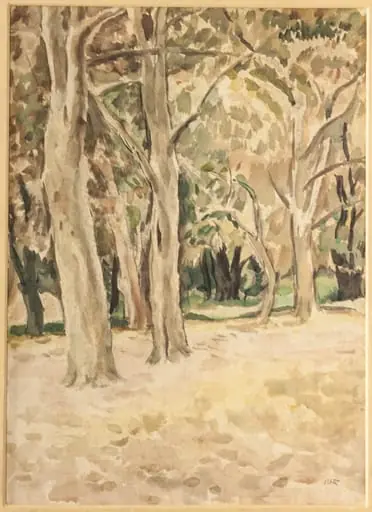
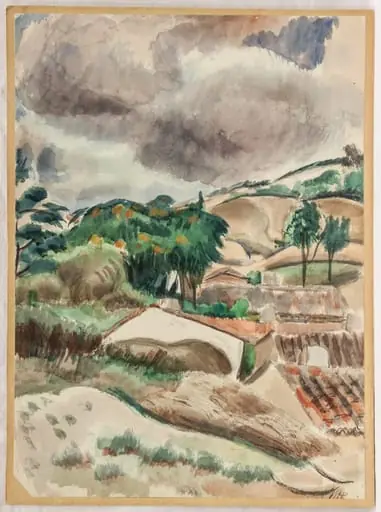
Peisaj - Parc la Cap d'Antibes
Peisaj - Parc la Cap d'Antibes is an unspecified painting by Iosif Iser. It dates from 1950 and is held in the collection of the Gavrila Simion Eco-Museum Research Institute Tulcea.
About this work
Overview
Iosif Iser’s work titled Peisaj – Parc la Cap d’Antibes / Peisaj de deal dates from around 1950 and is part of the collection of the Museum of Ethnography.
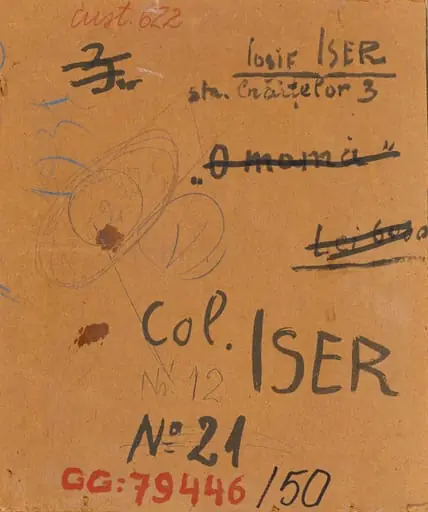
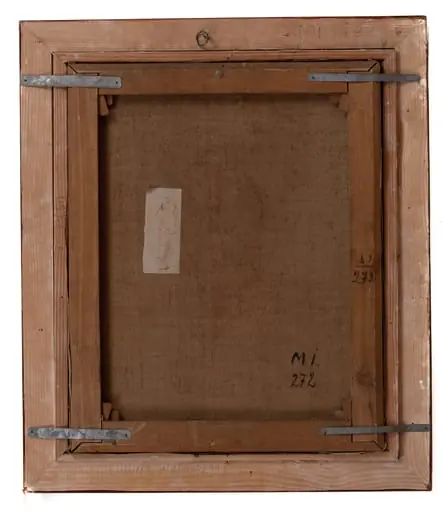
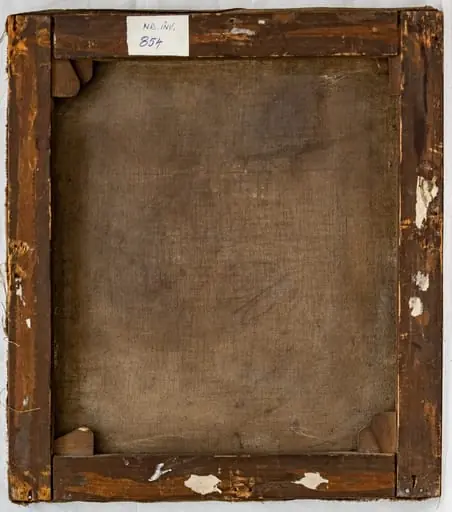
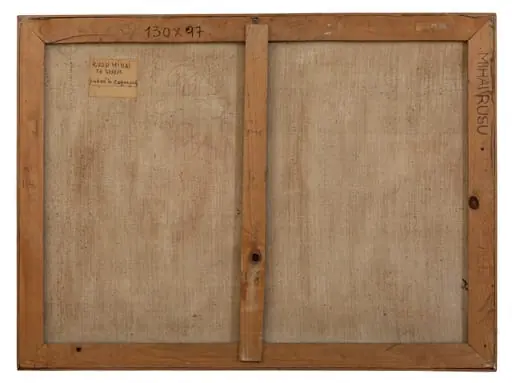
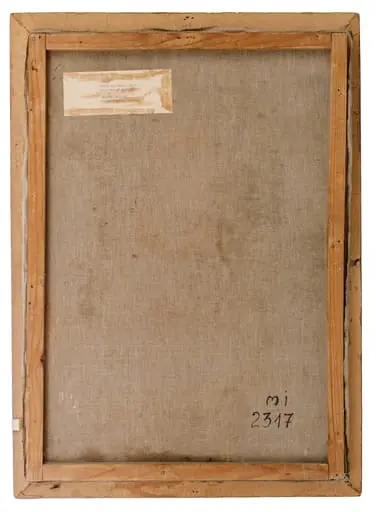
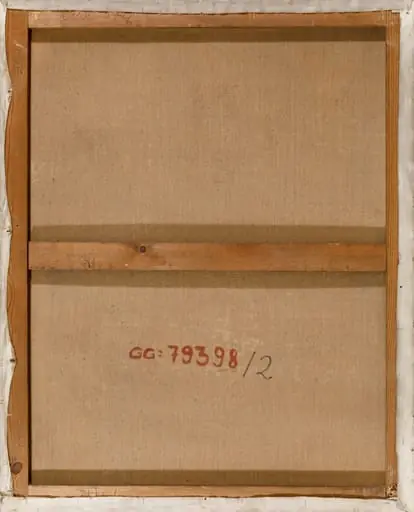
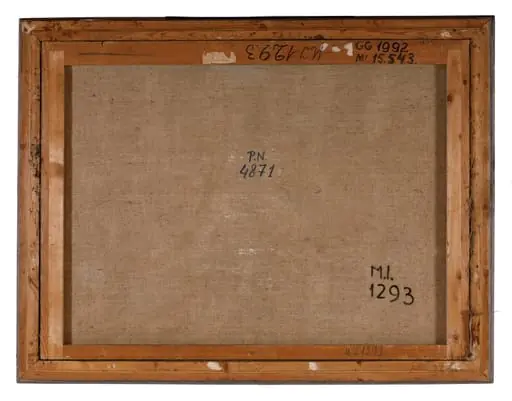
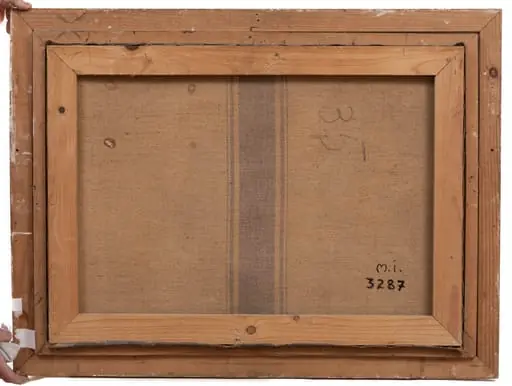
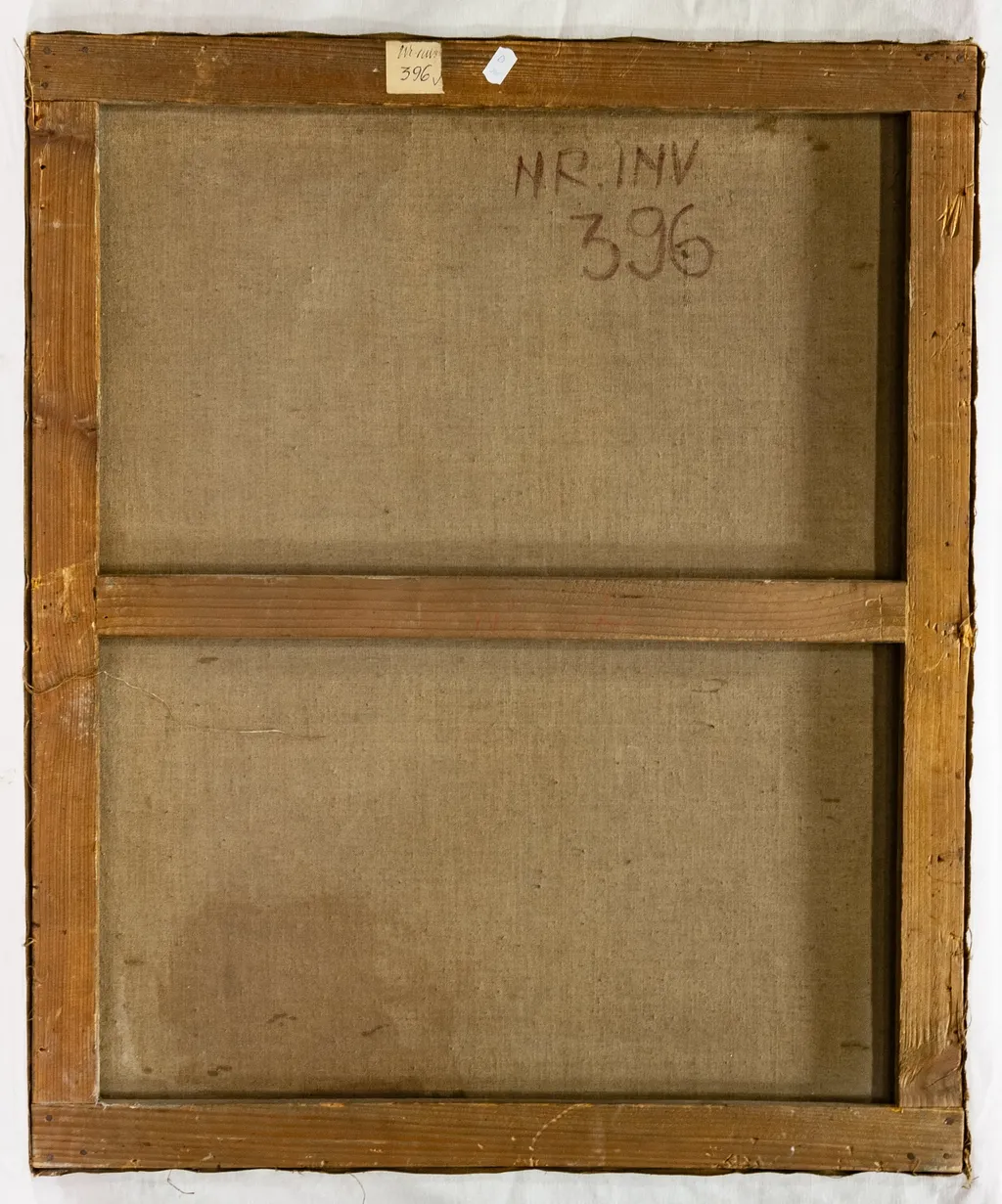
Iosif Iser’s work titled Peisaj – Parc la Cap d’Antibes / Peisaj de deal dates from around 1950 and is part of the collection of the Museum of Ethnography. The object consists of a wooden frame with a plain, light‑brown finish, enclosing a canvas that remains unpainted, its surface a muted off‑white. Hand‑written markings on the canvas—"396" and "NR INV."—indicate inventory numbers used by the museum for cataloguing.
Subject & Meaning
The title references two distinct locales: the Cap d’Antibes park on the French Riviera and a hill landscape ("Peisaj de deal"). Although the canvas bears no visual depiction, the naming suggests an intended representation of these scenic environments, perhaps as a conceptual or preparatory study rather than a finished pictorial work.
Technique & Style
The piece is executed on a standard stretched canvas within a simple wooden frame. No pigments or brushwork are present; the surface is left bare, emphasizing the materiality of the support. The minimalist presentation aligns with mid‑20th‑century experimental practices where artists explored the boundaries between object and artwork.
History & Provenance
Created circa 1950, the work entered the Museum of Ethnography’s holdings at an unspecified date, as indicated by the inventory notation on the canvas. The museum’s cataloguing system assigns the number 396, and the abbreviation "NR INV." likely denotes a non‑registered inventory entry, confirming its status within the institution’s collection.
Context
Iosif Iser, a Romanian painter known for his landscapes and figurative compositions, produced this piece during a period when many artists were investigating abstraction and the reduction of visual elements. The absence of imagery may reflect a transitional phase in Iser’s practice or a conceptual exploration of place without literal representation.
Artist & collection
Artist
Iosif Iser painted everyday life with a focus on people and places. His 1933 work *Paris. Strada Mouffetard* shows a lively street scene in Paris, while *Nud pe fotoliu* depicts a seated nude figure. His brushwork…
Museum
Gavrila Simion Eco-Museum Research Institute Tulcea
Continue through works from the same source collection.