Artwork
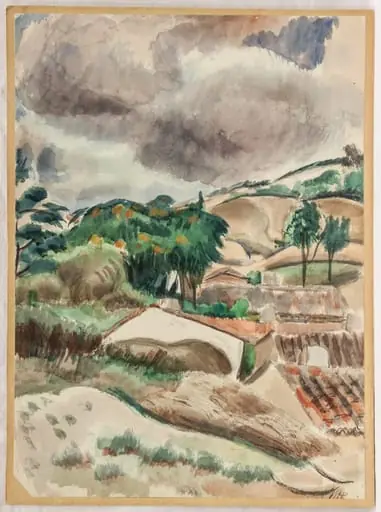
Peisaj din sudul Franței
Peisaj din sudul Franței is an unspecified painting by Iosif Iser. It dates from 1850 and is held in the collection of the National Museum of Art of Romania.
About this work
Overview
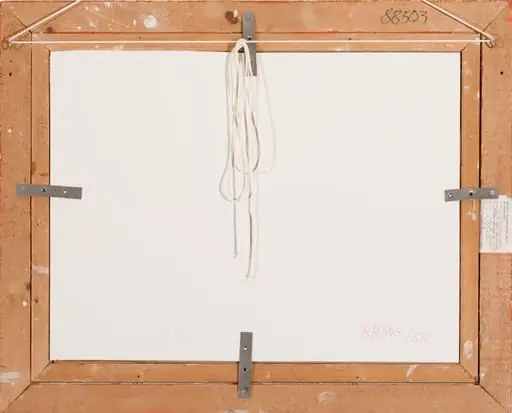
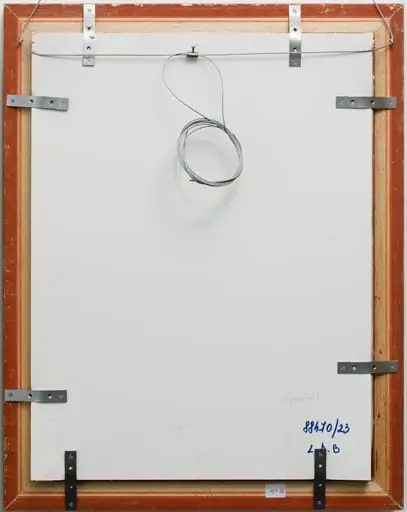
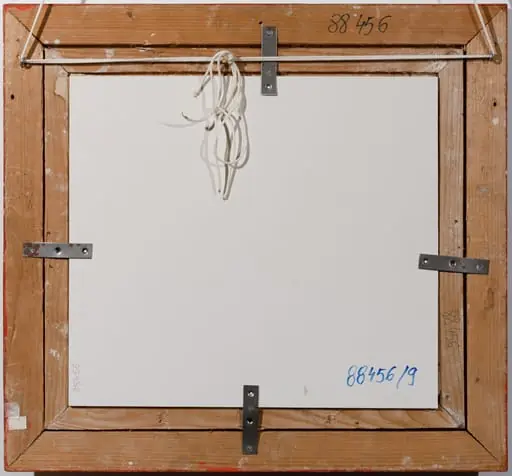
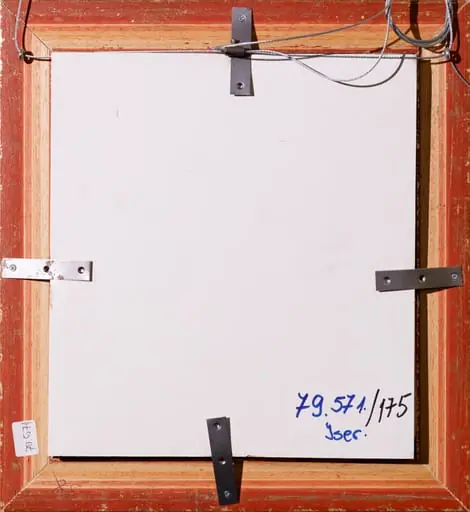
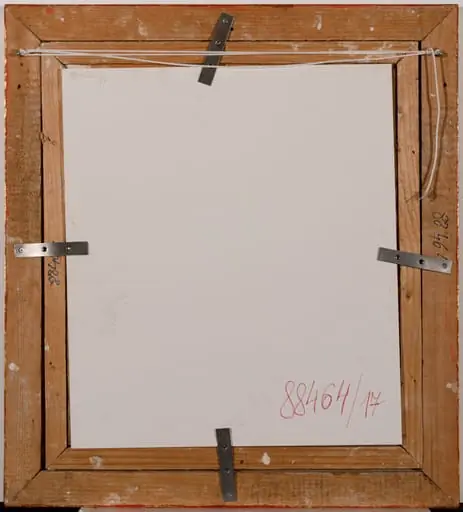
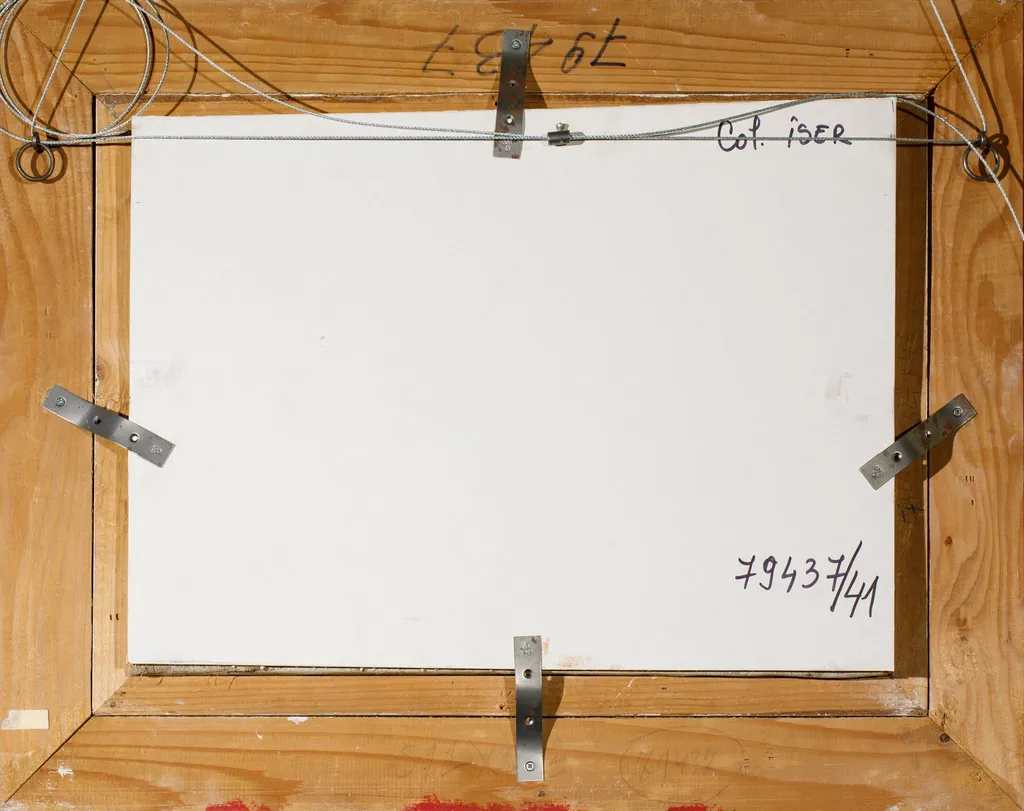
Peisaj din sudul Franței, attributed to Iosif Iser and dated circa 1850, presents a peculiar artistic state: an untouched canvas within a framed structure.
Subject & Meaning
Ironically, the work's title suggests a scenic depiction of Southern France, yet the canvas remains blank, leaving the promised subject unfulfilled. This disparity between title and visual content invites interpretation about the nature of artistic promise and realization.
Technique & Style
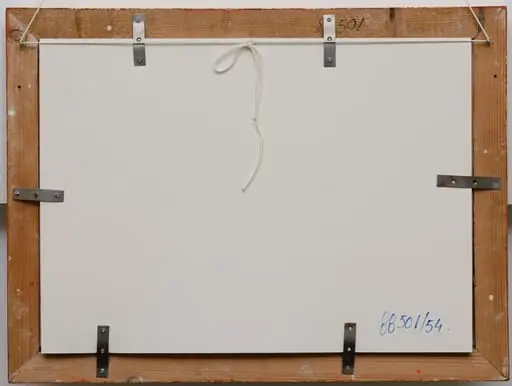
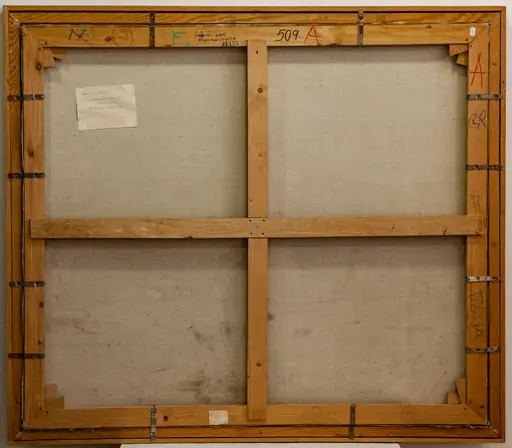
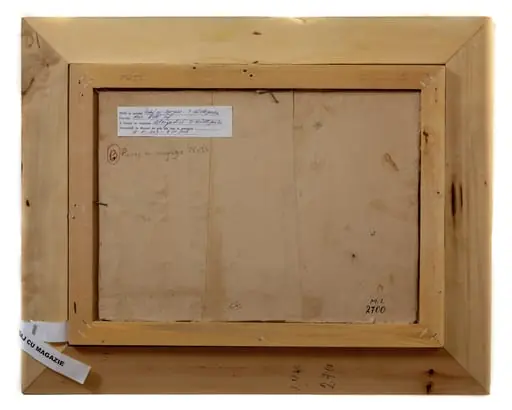
The 'technique' here is one of omission. The artist employed no visible painting methods, instead presenting a pristine, white canvas. The frame, constructed from light brown wood secured with metal wires and clamps, serves as the sole crafted element.
History & Provenance
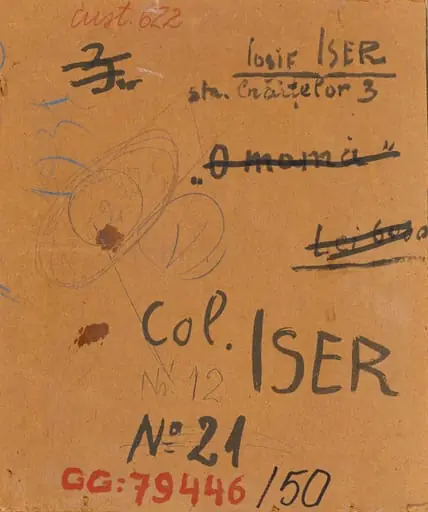
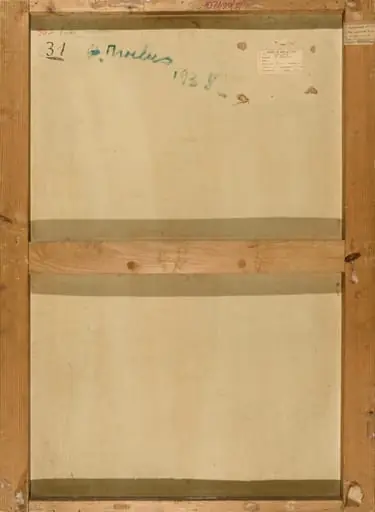
Created around 1850 by Iosif Iser, the piece bears the artist's name on its frame, alongside its title. However, the artwork's history beyond its creation and the circumstances of its preservation in this unfinished state are not detailed in available information.
Context
While the blank canvas might evoke comparisons to modern conceptual art practices, its 19th-century origins suggest either an unfinished work, a lost opportunity, or perhaps an early, unexplored experiment in minimalism by Iosif Iser.
Legacy
Peisaj din sudul Franței is notable for its emptiness, potentially inspiring discussions on the essentials of art creation. It may also serve as a curiosity in Iosif Iser's oeuvre, though its impact on broader art historical narratives is limited by its anomalous state.
Artist & collection
Artist
Iosif Iser painted everyday life with a focus on people and places. His 1933 work *Paris. Strada Mouffetard* shows a lively street scene in Paris, while *Nud pe fotoliu* depicts a seated nude figure. His brushwork…