Artwork
Spaniola
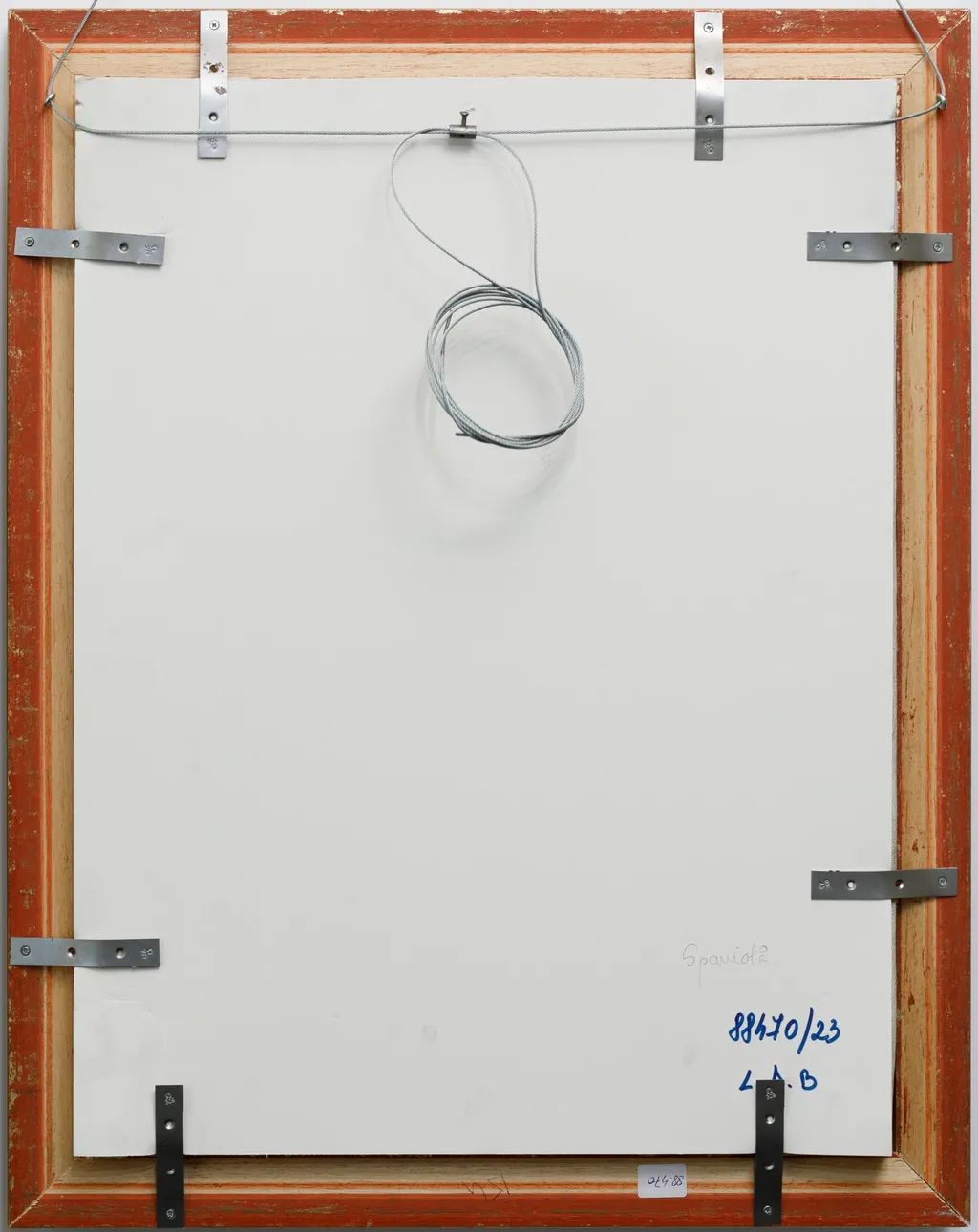
Spaniola is a print by Lucia Dem-Bălăcescu. It dates from 1850 and is held in the collection of the National Museum of Art of Romania.
About this work
Overview
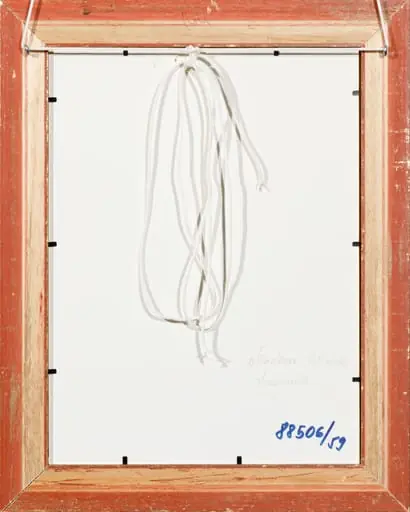
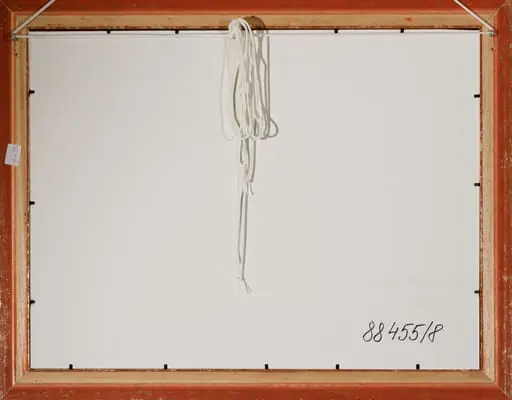
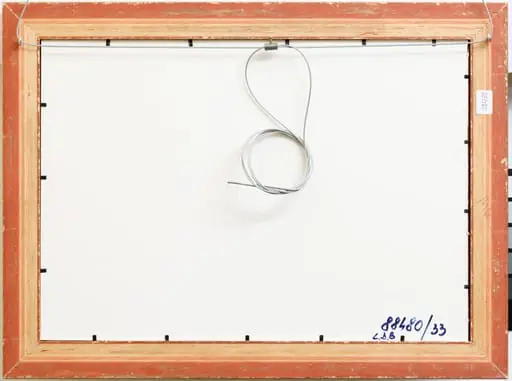
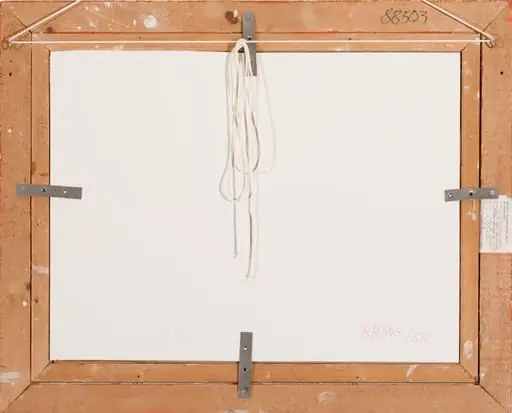
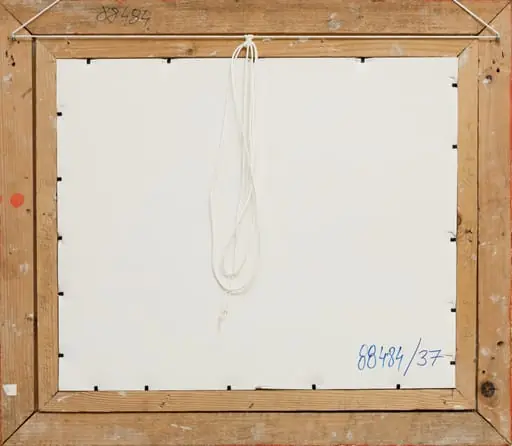
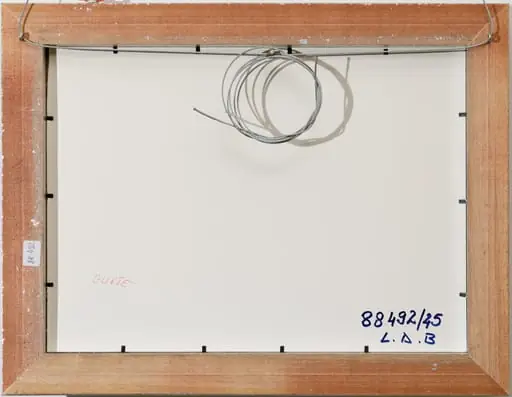
Spaniola, created circa 1850 by Lucia Dem-Bălăcescu, is a minimalist composition featuring a blank white canvas intersected by a thin wire. The wire forms a singular loop in the center, creating a small circular shape, against an otherwise unadorned backdrop.
Subject & Meaning
The subject of Spaniola appears to be the exploration of negative space and the subtle introduction of form. The wire’s deliberate placement, forming a ghostly circular outline, suggests an emphasis on the interplay between emptiness and minimal intervention.
Technique & Style
Dem-Bălăcescu employs a restrained aesthetic in Spaniola. The primary elements are a plain white canvas and a thin wire, whose simple, geometric configuration (a single loop) underscores the artist’s use of simplicity to evoke presence.
History & Provenance
Created around 1850, specific details regarding Spaniola’s history and ownership prior to its current status are not provided in the available information.
Context
Spaniola can be contextualized within Dem-Bălăcescu’s broader practice, as evidenced by her repeated use of simple, often geometric elements to explore spatial and perceptual themes, inviting viewers to contemplate the essence of form and space.
Legacy
The legacy of Spaniola is reflected in its contribution to the artist’s exploration of minimalism and spatial dialogue, influencing or echoing broader artistic movements that prioritize simplicity and the psychological impact of negative space.
Artist & collection