Artwork
Peisaj din Toledo
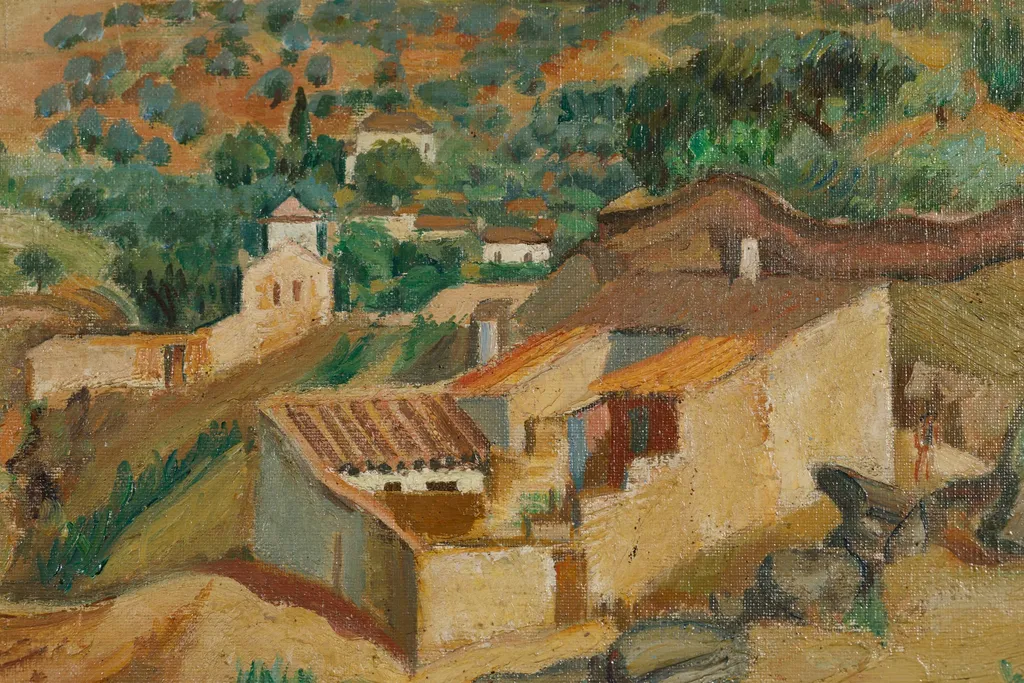
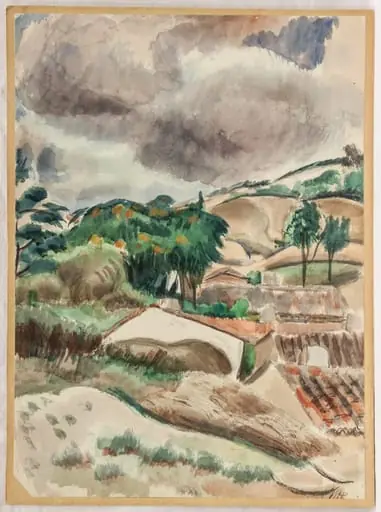
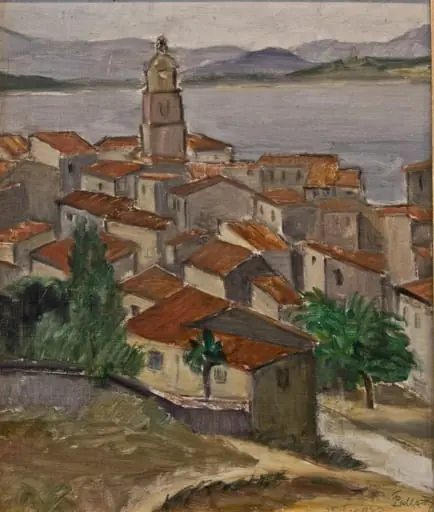
Peisaj din Toledo is an unspecified painting by Iosif Iser. It dates from 1850 and is held in the collection of the National Museum of Art of Romania.
About this work
Overview
The painting reflects a 19th-century interest in regional scenery, rendered with quiet observation rather than dramatic flair.
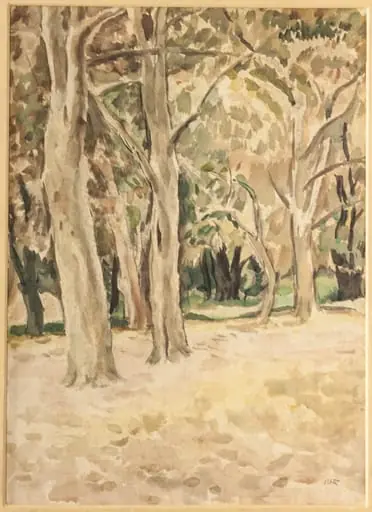
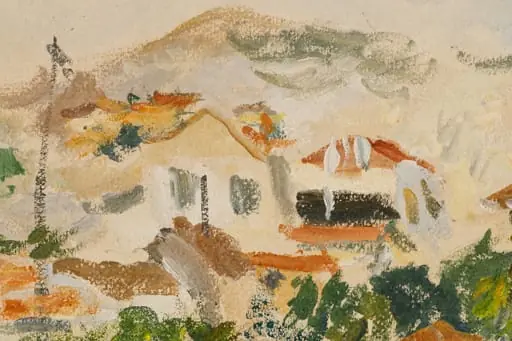
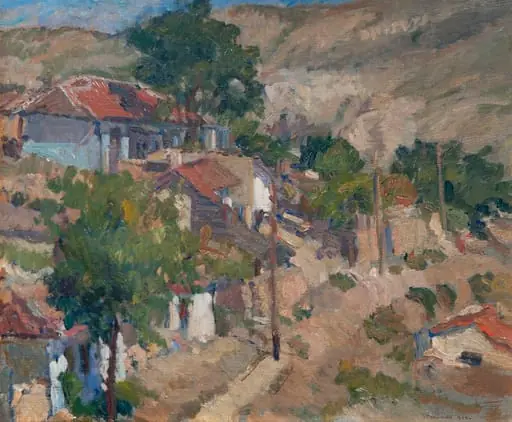
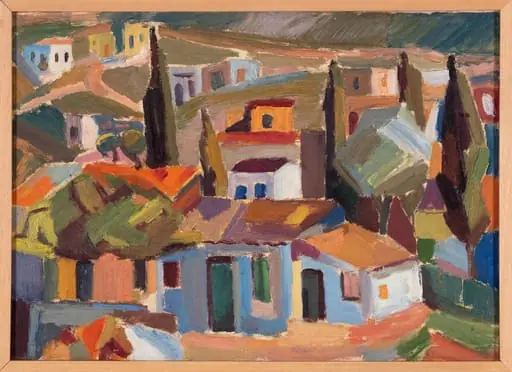
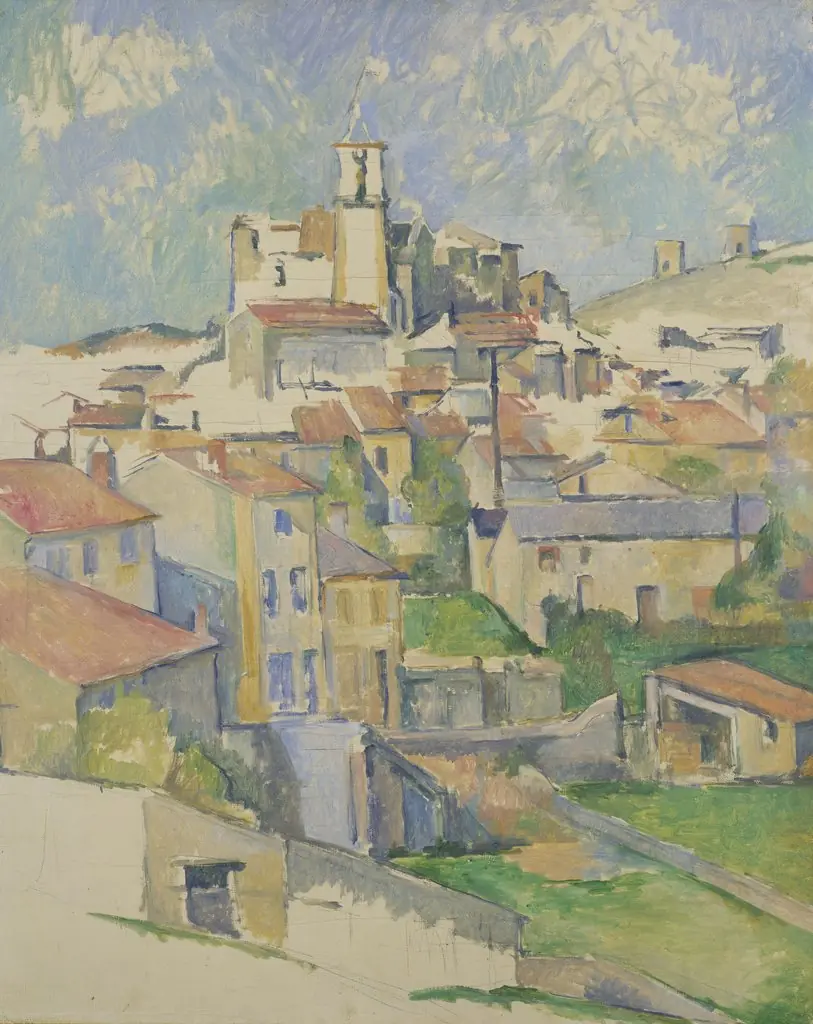
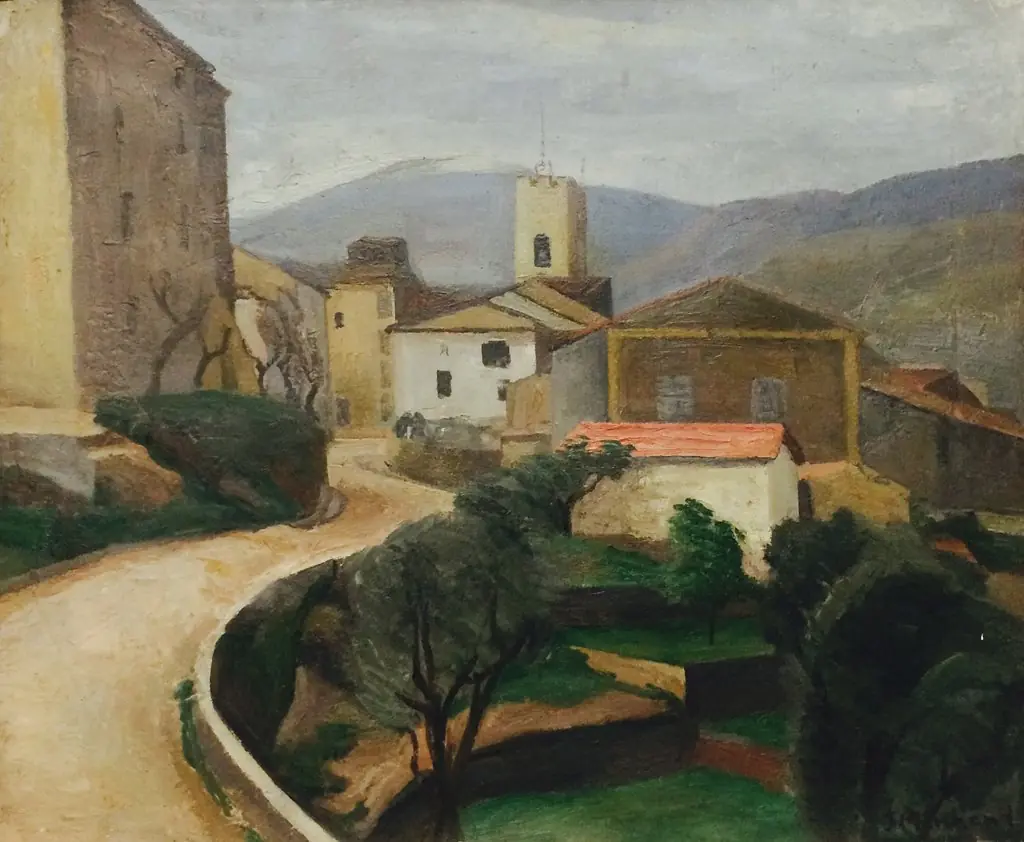
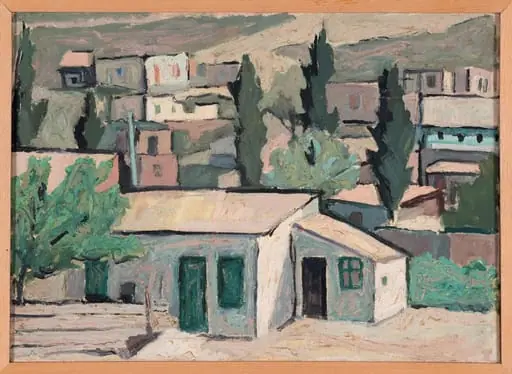
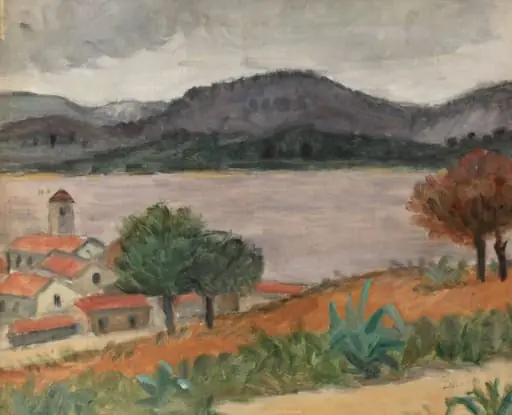
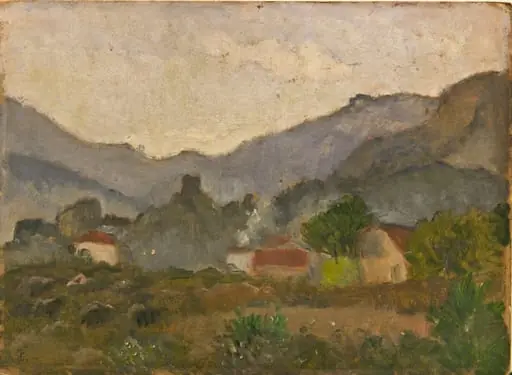
Painted around 1850 by Iosif Iser, this landscape depicts the Spanish city of Toledo from a distance. The composition balances built structures with natural elements, using a warm palette to unify the scene. The brushwork is deliberate and tactile, suggesting a focus on atmosphere over precise detail. The painting reflects a 19th-century interest in regional scenery, rendered with quiet observation rather than dramatic flair.
Subject & Meaning
The scene presents Toledo’s skyline as a quiet, inhabited landscape rather than a monumental ruin or tourist attraction. Buildings, mostly yellow with red-tiled roofs, are arranged to suggest a lived-in environment. A solitary figure in the foreground implies human presence without narrative, reinforcing a mood of stillness. The painting conveys contemplation, not history or grandeur, aligning with a personal, intimate view of place.
Technique & Style
Iser applied paint with visible, loose brushstrokes that build form through texture rather than fine detail. Warm ochres, terracottas, and soft greens dominate, creating a cohesive tonal harmony. Depth is achieved through atmospheric perspective—distant hills fade slightly, while foreground elements remain more defined. The technique avoids academic polish, favoring a direct, observational approach common in plein-air studies of the period.
History & Provenance
The work originates from Iser’s early career, likely painted during his time in Spain or from sketches made there. It was not widely exhibited in its time and remained in private hands until entering institutional collections. Its survival reflects a modest but persistent interest in Romanian artists who engaged with European landscapes beyond national borders, though documentation from this period remains sparse.
Context
In mid-19th-century Europe, landscape painting was shifting from idealized compositions toward direct observation. Iser’s work aligns with this trend, paralleling the quiet realism of French and German regional painters. Unlike grand historical scenes, this painting embraces the ordinary—Toledo not as a symbol, but as a place seen from a traveler’s eye. It reflects a broader cultural turn toward personal experience in art.
Legacy
Though not central to major art movements, the painting contributes to the understanding of Romanian artists’ engagement with foreign landscapes during a period of national cultural formation. Iser’s approach influenced later generations who sought to blend local sensibilities with broader European visual languages. The work remains a quiet example of cross-cultural observation in 19th-century Eastern European art.
Artist & collection
Artist
Iosif Iser painted everyday life with a focus on people and places. His 1933 work *Paris. Strada Mouffetard* shows a lively street scene in Paris, while *Nud pe fotoliu* depicts a seated nude figure. His brushwork…