Artwork
Natură moartă cu pisică; pandant: Natură moartă cu postament de piatră
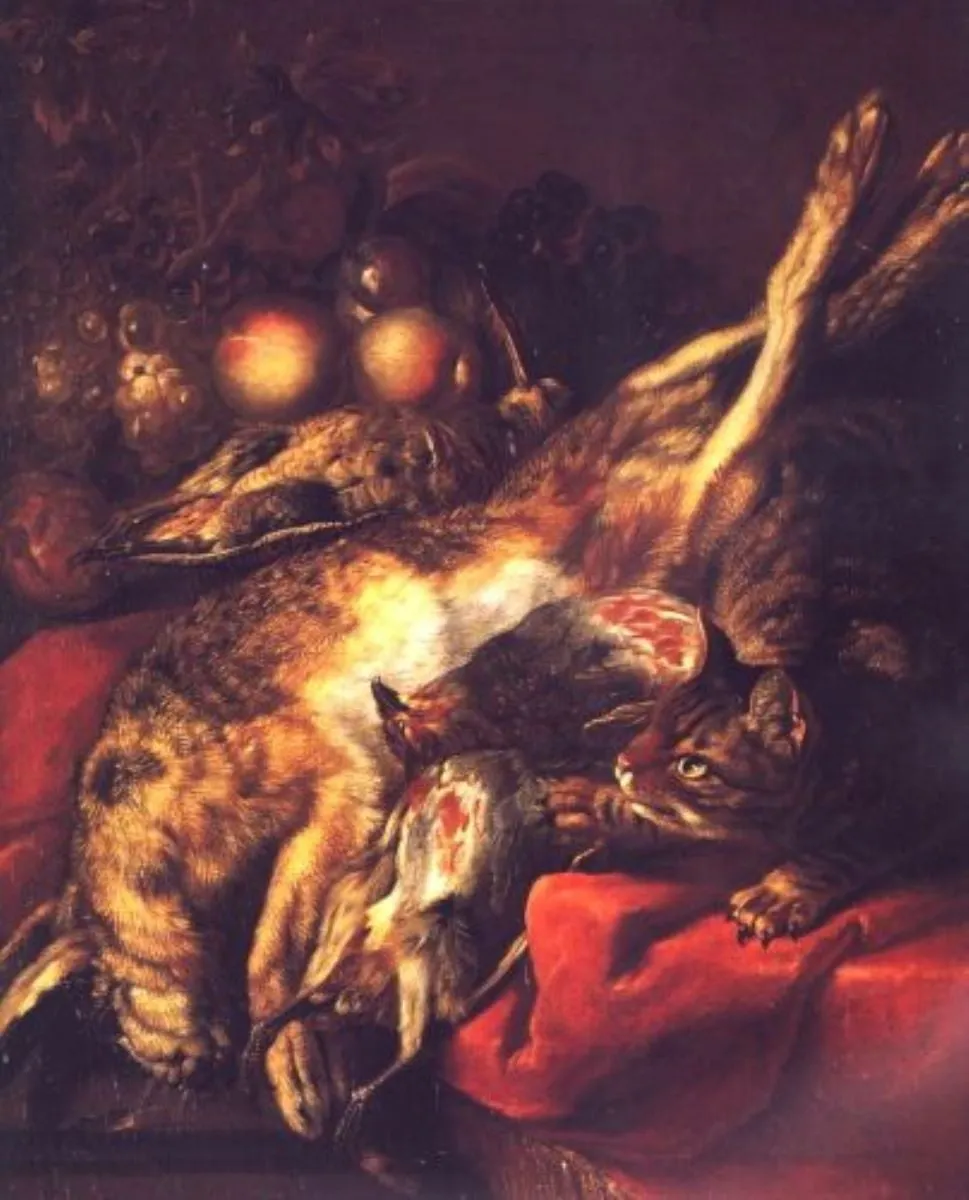
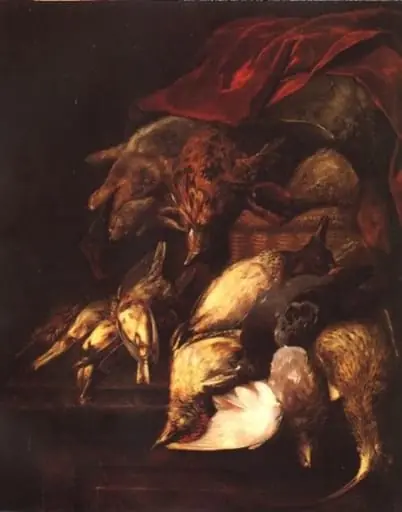
Natură moartă cu pisică; pandant: Natură moartă cu postament de piatră is an unspecified painting by the Baroque artist Jacob van Schuppen. It is held in the collection of the Brukenthal National Museum. This still life painting features a deceased cat placed among ordinary objects, set against a dark, unobtrusive background.
About this work
Overview
The cat’s still form and the arrangement of surrounding items suggest a deliberate meditation on mortality, rendered without sentimentality.
This still life painting features a deceased cat placed among ordinary objects, set against a dark, unobtrusive background. The composition avoids dramatic flair, instead emphasizing quiet stillness. The cat’s still form and the arrangement of surrounding items suggest a deliberate meditation on mortality, rendered without sentimentality. The work belongs to a pair, the other depicting a stone pedestal, reinforcing themes of absence and transience.
Subject & Meaning
The dead cat, positioned with unnatural stillness, functions as a memento mori — a reminder of life’s impermanence. Its presence among mundane objects elevates the ordinary into a contemplative space. The absence of human figures shifts focus to the animal’s vulnerability, inviting reflection on decay and the quiet end of life. The paired painting with a stone pedestal may imply the emptiness left behind, deepening the theme of loss.
Technique & Style
The artist employs fine, visible brushwork to render the cat’s fur with tactile precision, capturing individual strands and subtle variations in light. The dark background enhances the three-dimensionality of the form, isolating the subject with dramatic contrast. Objects surrounding the cat are rendered with restrained detail, avoiding distraction. The overall approach is observational, prioritizing texture and tonal harmony over narrative drama.
History & Provenance
Attributed to Jacob van Schuppen, the painting is part of a small group of still lifes from the late 17th or early 18th century. Its pairing with a depiction of a stone pedestal suggests a deliberate thematic diptych, though the full history of its creation and early ownership remains undocumented. The work entered public collections in the 20th century, where it was recognized for its unusual subject matter within the genre.
Context
In the tradition of Northern European still life, animals — especially dead ones — occasionally appeared as symbols of mortality or domestic life. Van Schuppen’s inclusion of a cat, rather than more conventional game or fruit, diverges from typical fare. This choice aligns with a quieter, more introspective branch of the genre, influenced by Dutch and Flemish painters who favored subdued, contemplative compositions over ostentation.
Legacy
The painting stands as a rare example of a domestic animal treated with solemnity in early modern still life. Its emotional restraint and technical focus on texture have drawn scholarly attention for its deviation from ornamental norms. While not widely reproduced, it remains a significant reference in studies of mortality symbolism and the evolution of animal representation in European painting.
Artist & collection
Artist
Jacob van Schuppen made formal European portraits and still lifes in the late 1600s.

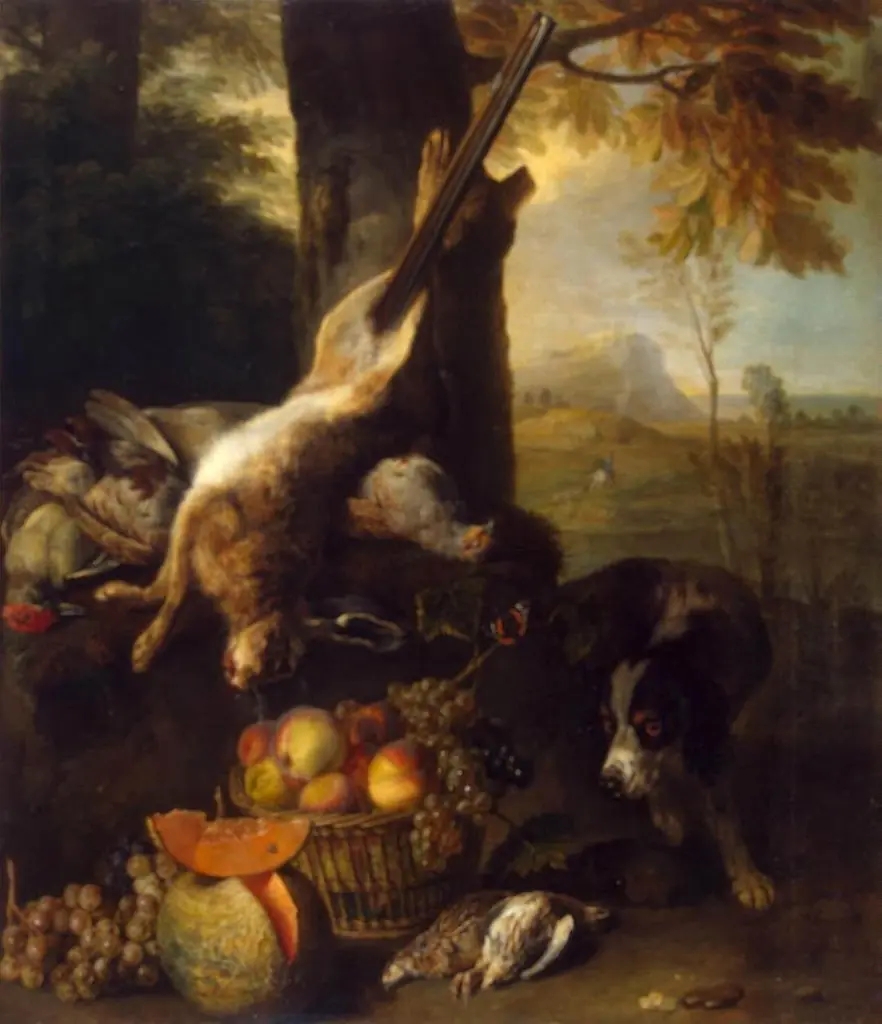 Still Life with a Dead Hare and Fruit
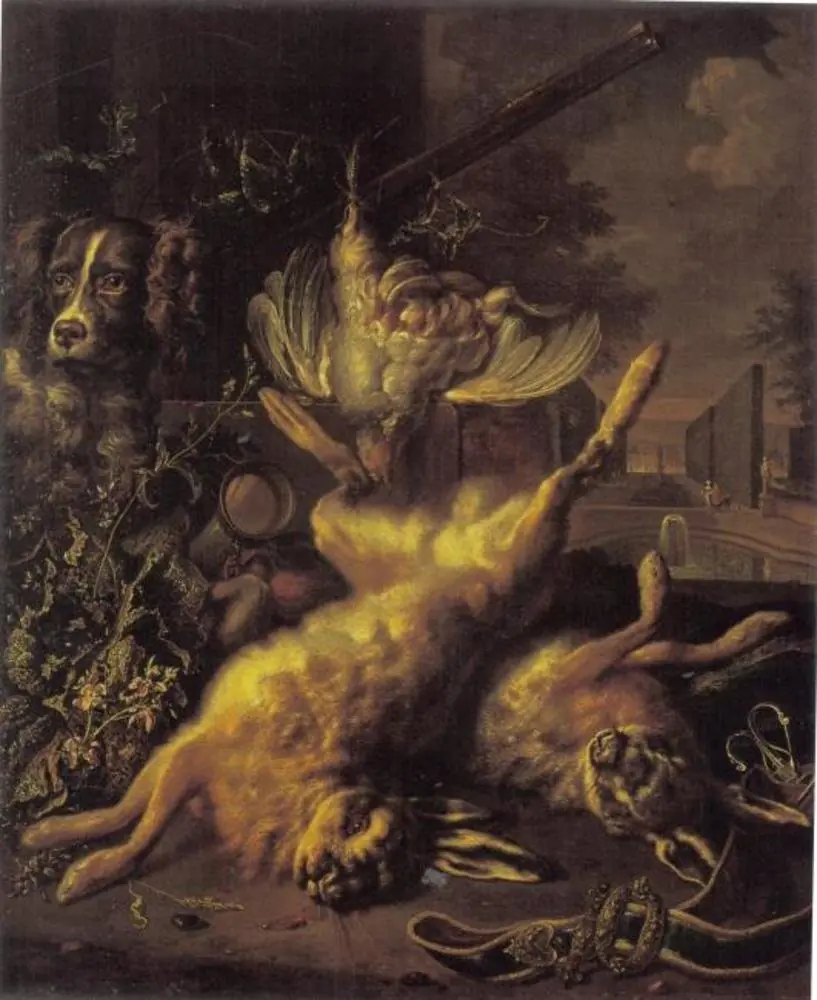 Hunting Trophies
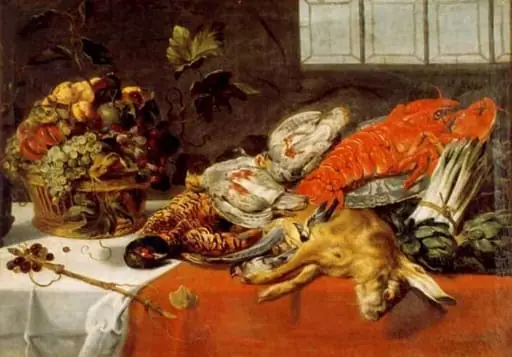 Natură moartă cu homar
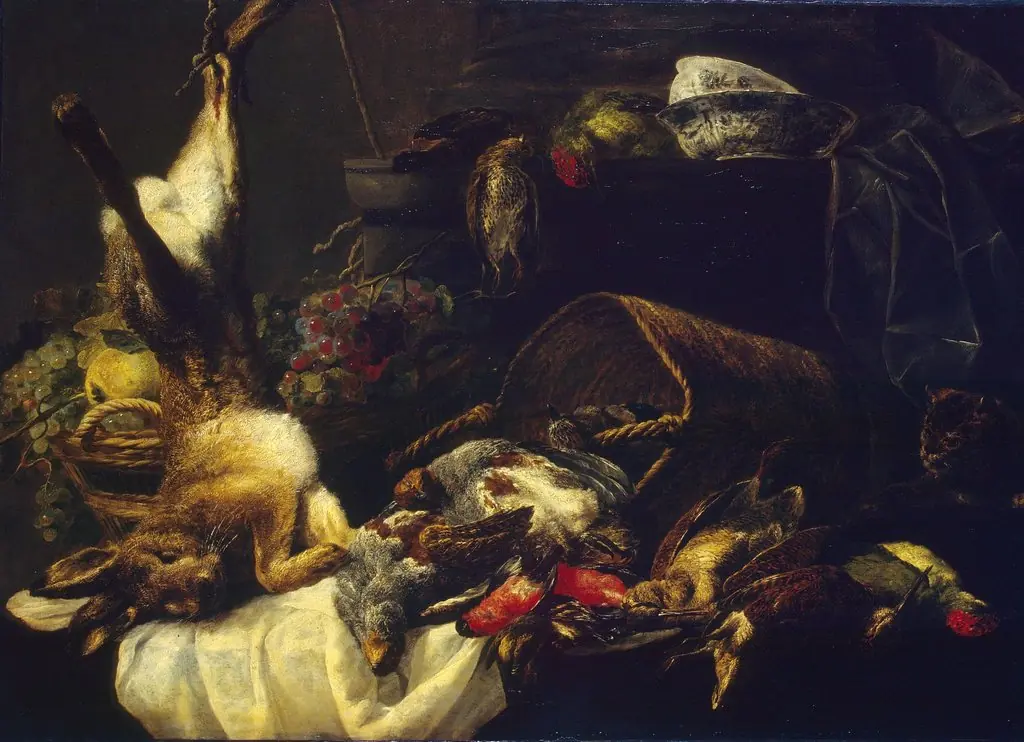 Dead Game
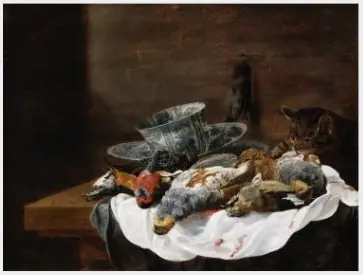 Still Life with Dead Birds
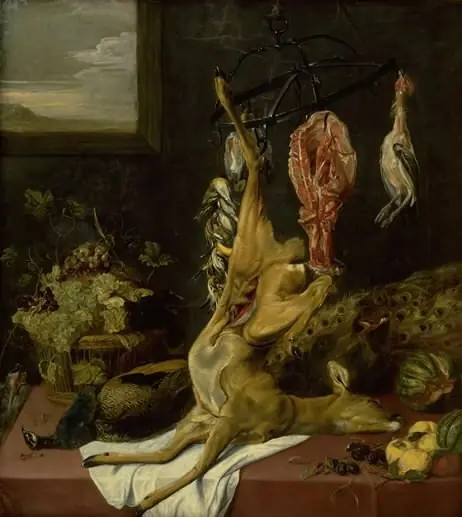 Game and Fruits
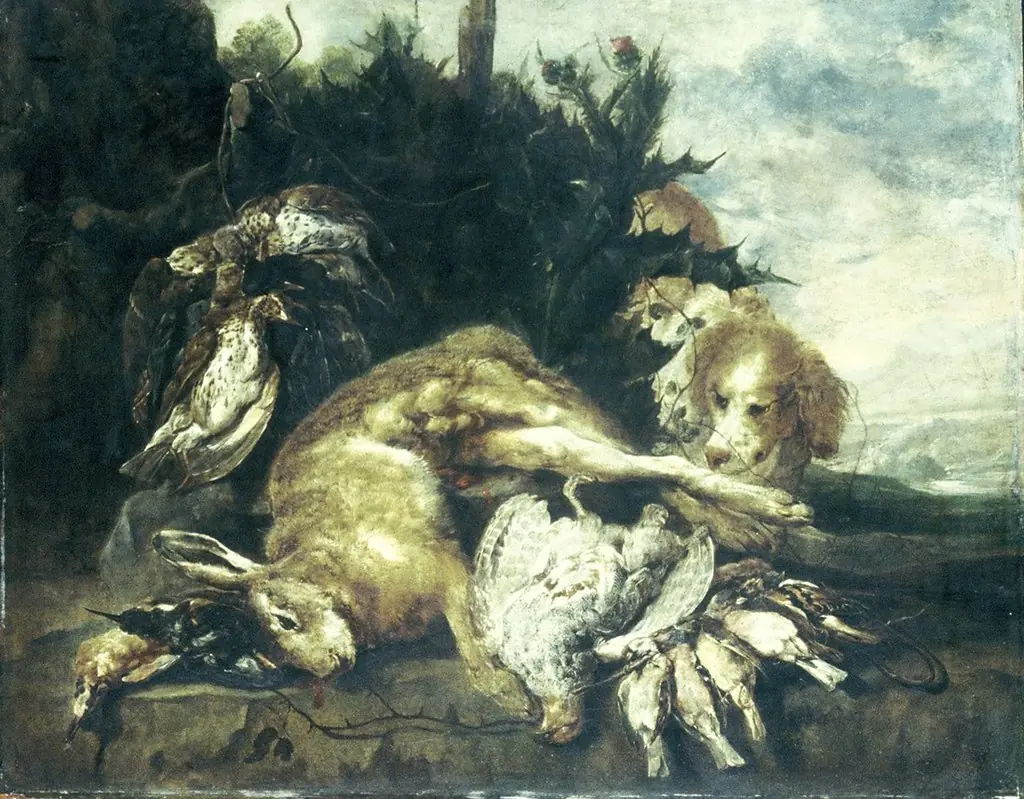 Naturaleza muerta
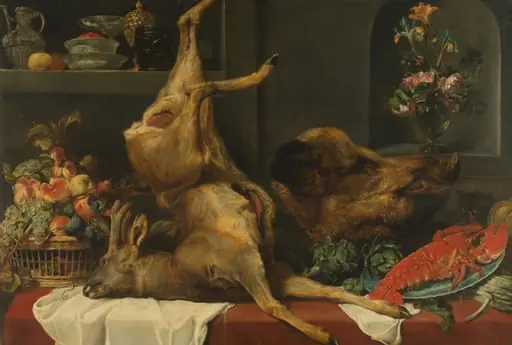 Larder Still life
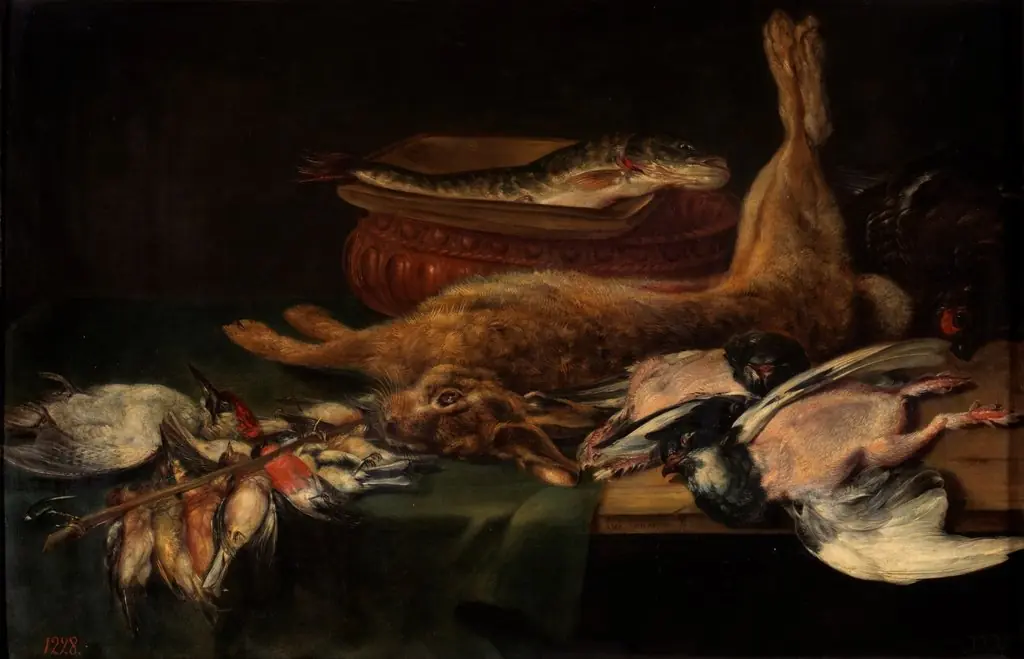 Still life with a hare, dead birds and fish
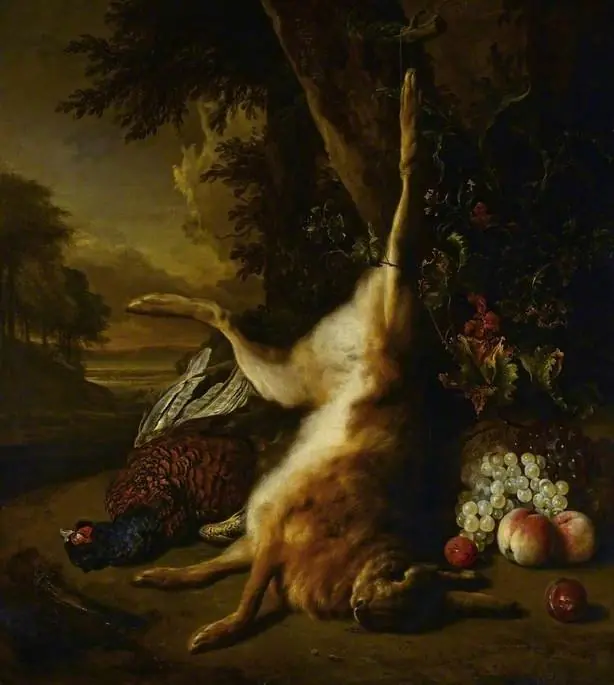 Dead game and fruit
 Păsări și iepure mort; pandant; Păsări moarte cu cocoș de munte
 Natură moartă cu postament de piatră; pandant: Natură moartă cu pisică