Artwork
Naturaleza muerta
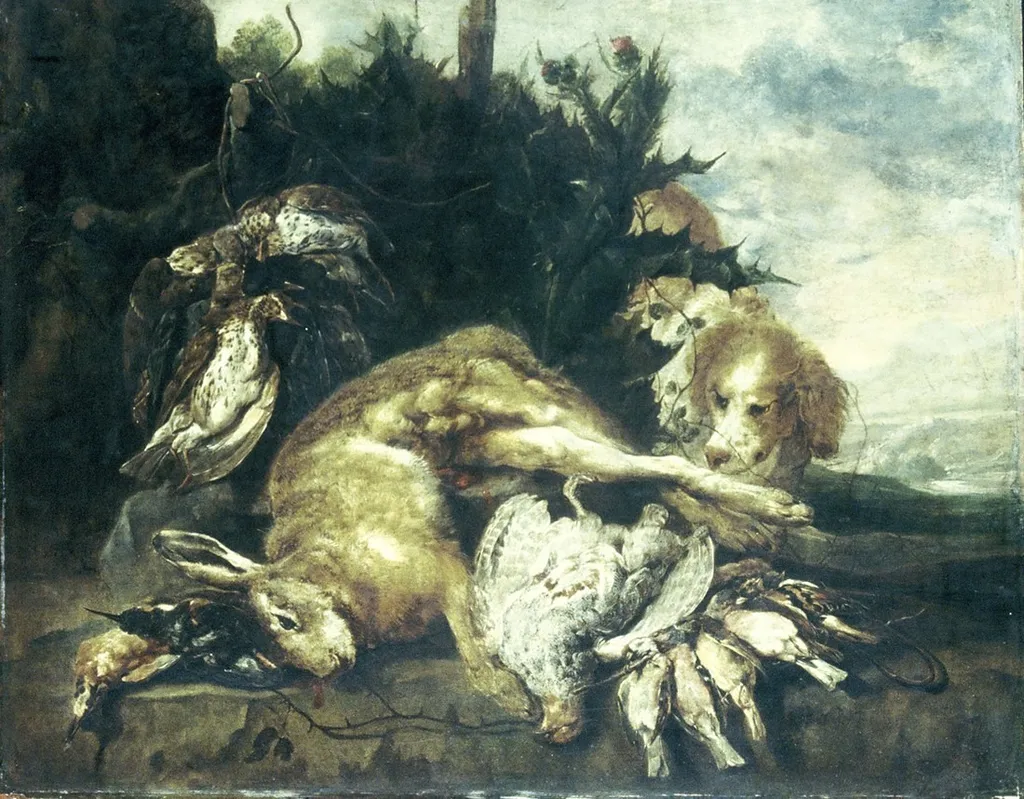
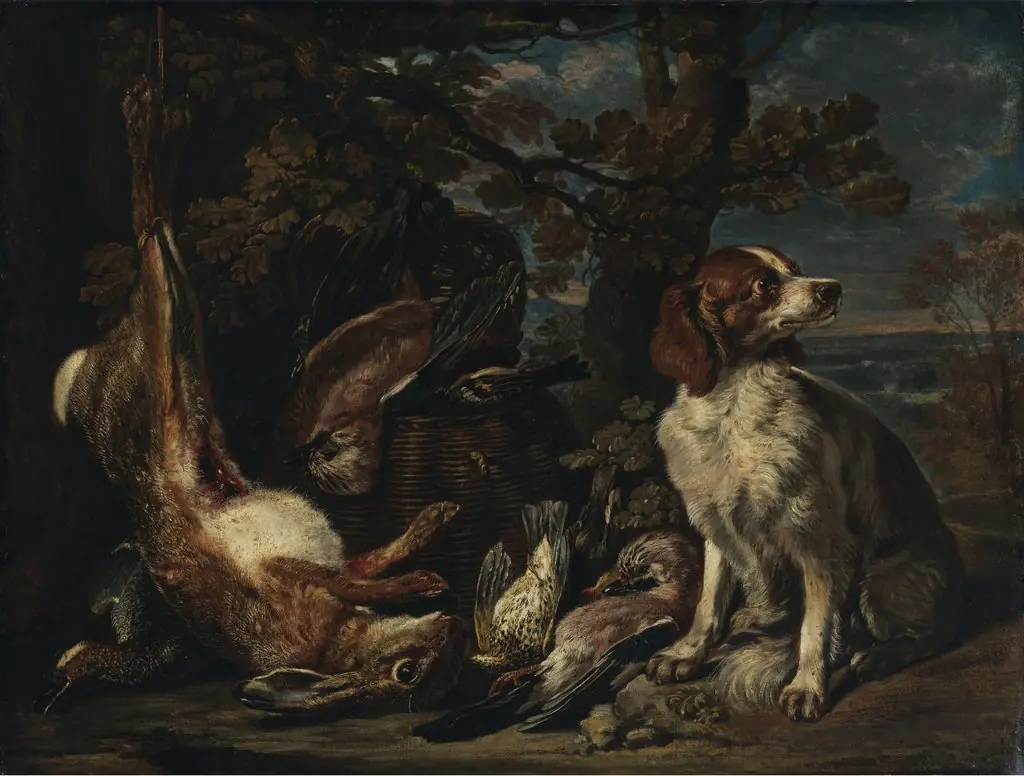
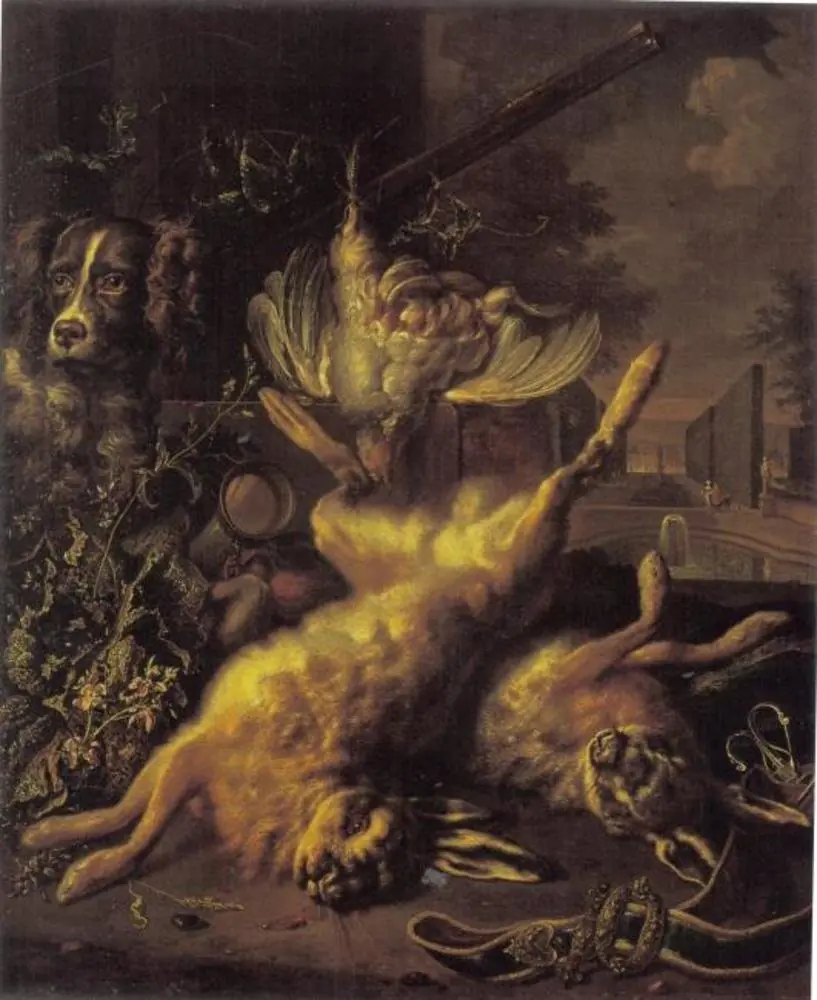
Naturaleza muerta is an oil painting by the Flemish Baroque painting artist Jan Fyt. It dates from 1646 and is held in the collection of the National Museum of Fine Arts, Argentina.
About this work
Overview
Fyt’s attention to texture and form reflects his mastery of Flemish Baroque conventions, particularly in the rendering of fur, feathers, and skin.
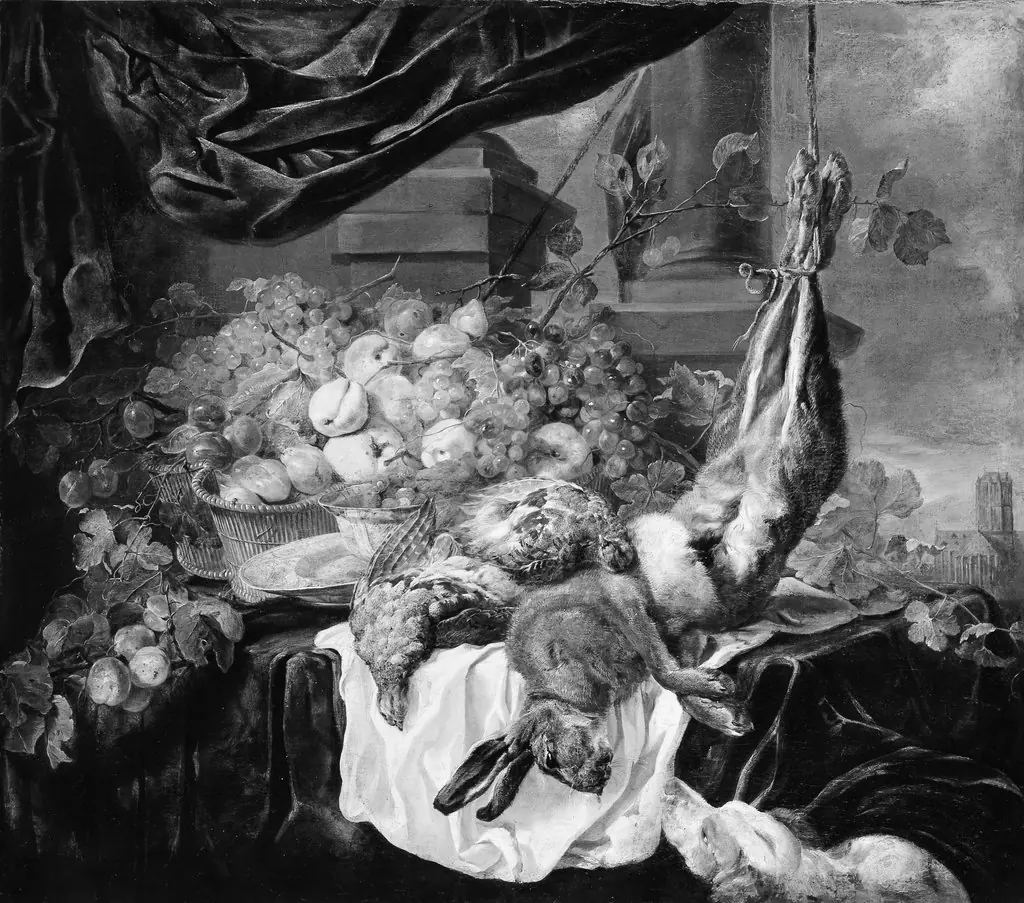
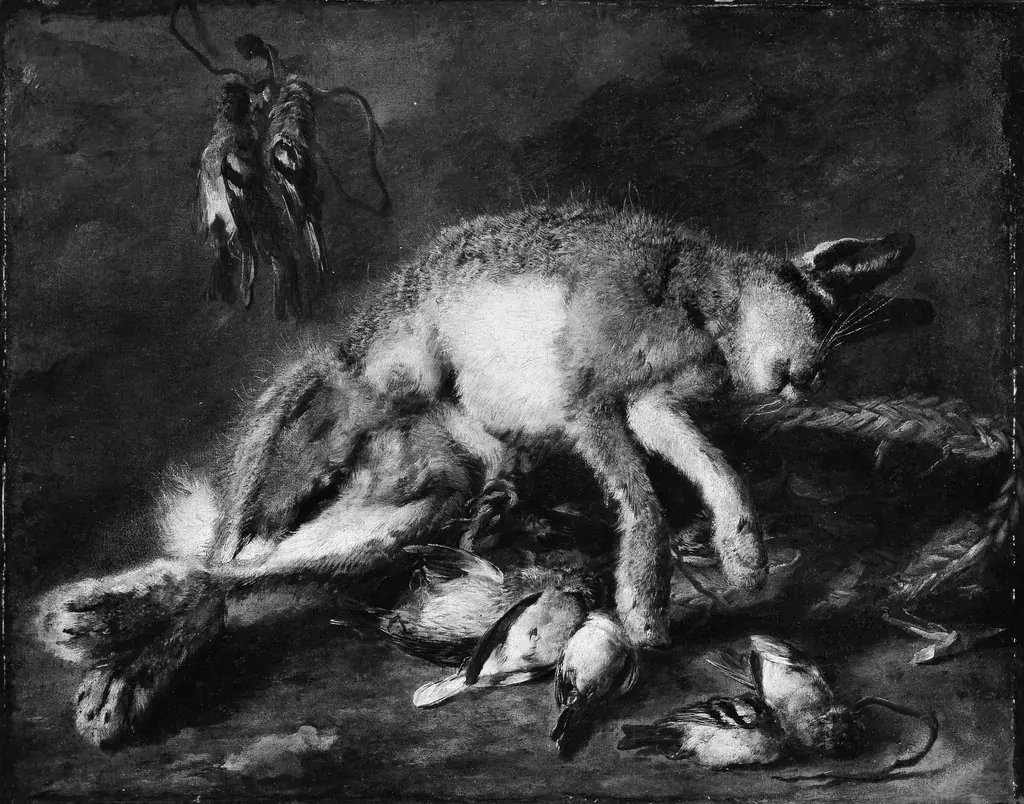
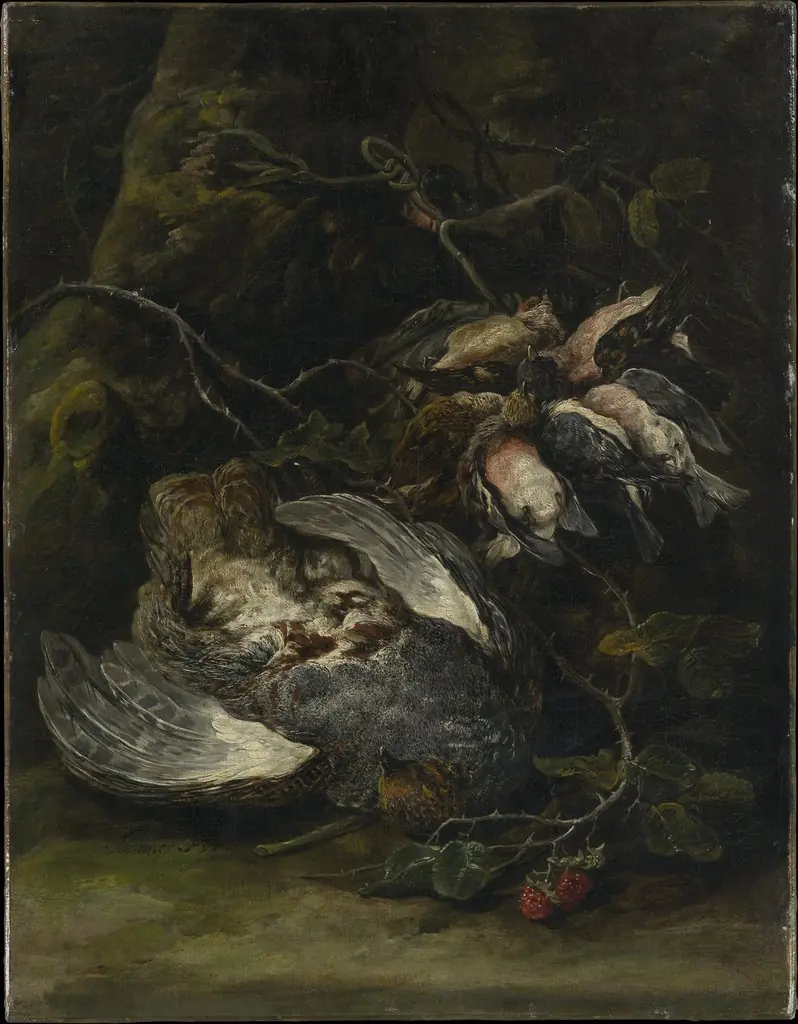
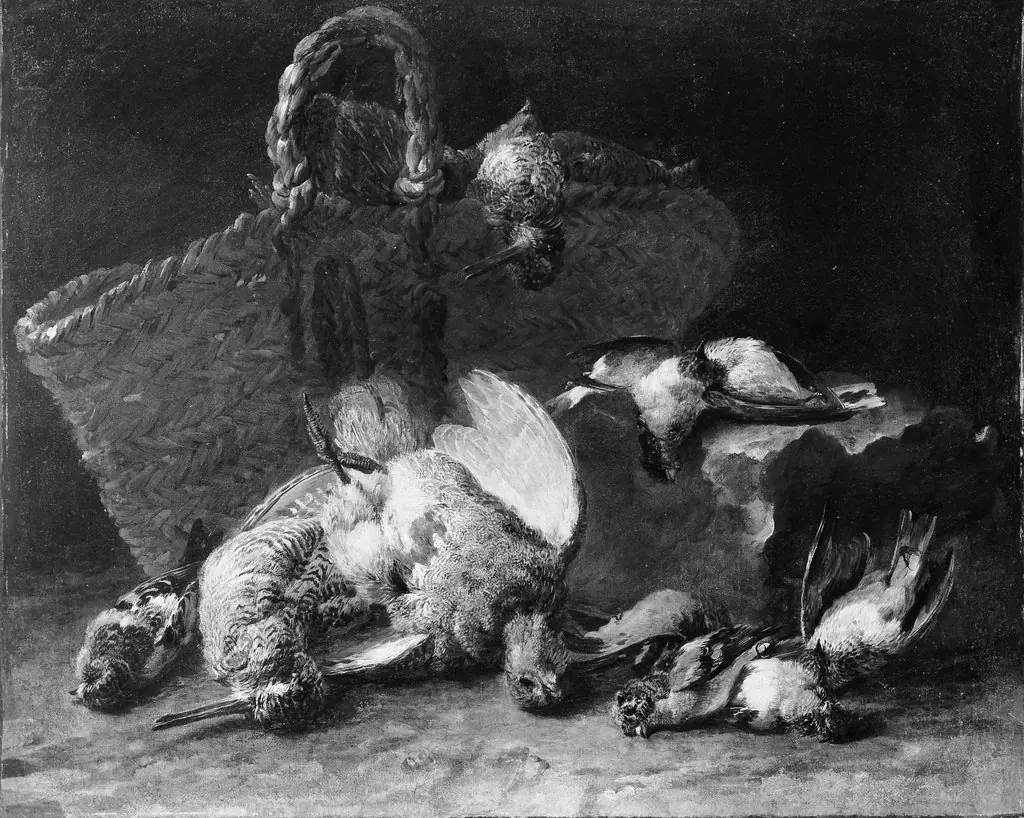
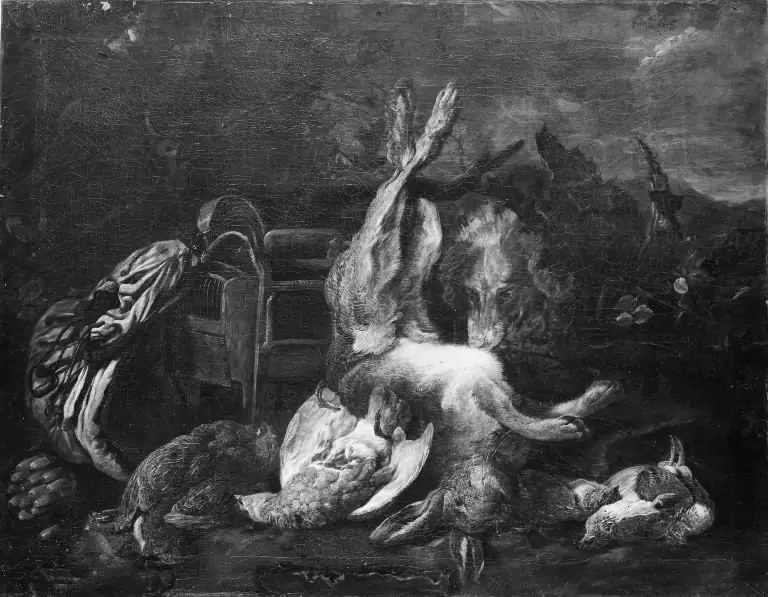
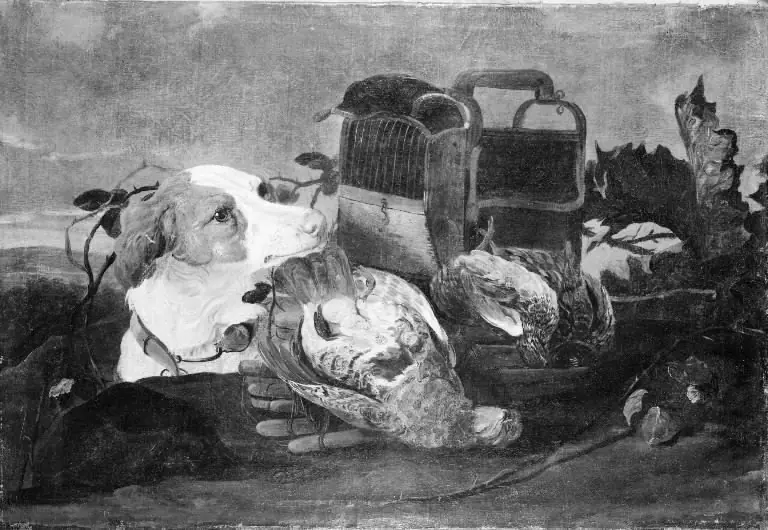
Painted around 1646, this oil-on-canvas still life by Jan Fyt presents a quiet yet intense arrangement of hunted game centered around a dog. The composition avoids theatricality, focusing instead on the quiet presence of the animals and the subtle interplay of light and shadow. Fyt’s attention to texture and form reflects his mastery of Flemish Baroque conventions, particularly in the rendering of fur, feathers, and skin.
Subject & Meaning
The painting depicts a dog gazing outward, flanked by dead birds and a rabbit arranged in a loose heap. The dog’s direct gaze introduces a psychological dimension, suggesting observation or ownership. Rather than celebrating the hunt, the scene evokes stillness and mortality. The absence of human figures and the muted setting shift focus to the animals themselves, implying a contemplative reflection on nature’s cycles.
Technique & Style
Fyt employed chiaroscuro to model the forms with quiet precision, using soft transitions between light and shadow to give volume to fur and feathers. The palette is restrained, dominated by browns, grays, and muted greens, enhancing the somber tone. Brushwork varies subtly—fine details in the dog’s whiskers contrast with looser strokes in the background foliage—creating depth without distraction. The dark, undefined backdrop isolates the subjects, intensifying their presence.
History & Provenance
Created during Fyt’s mature period in Antwerp, the painting entered the collection of the National Museum of Fine Arts in Buenos Aires in the 20th century. Its journey from 17th-century Flanders to South America reflects broader patterns of European art dispersal. While its early ownership is undocumented, its stylistic consistency with Fyt’s known works supports its attribution and places it within his corpus of game still lifes.
Context
In mid-17th-century Flanders, still lifes featuring hunted game were popular among elite collectors, symbolizing wealth and control over nature. Fyt’s work aligned with this trend but distinguished itself through emotional restraint and naturalistic detail. Unlike more ornate Dutch examples, his compositions often emphasized quiet dignity over abundance. This painting reflects a regional preference for subdued realism over decorative flourish.
Legacy
Fyt’s approach influenced later Flemish and Dutch still life painters through his emphasis on tactile realism and psychological nuance. While not widely exhibited in his time, his works gained recognition in the 19th and 20th centuries for their technical discipline. Today, this painting stands as a quiet example of how Baroque artists transformed everyday subjects into meditations on life, death, and observation.
Artist & collection
Artist
Jan Fijt, Jan Fijt or Johannes Fijt (or Fyt) (19 August 1609 – 11 September 1661) was a Flemish Baroque painter, draughtsman and etcher.

Museum
National Museum of Fine Arts, Argentina
Continue through works from the same source collection.