Artwork
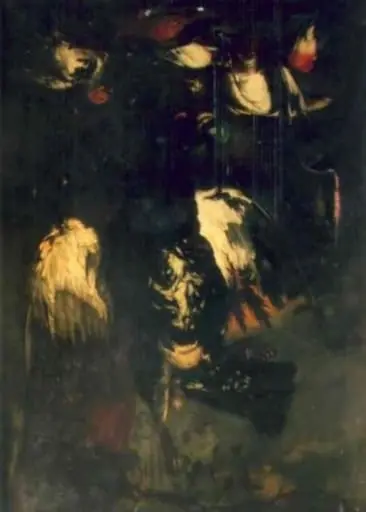
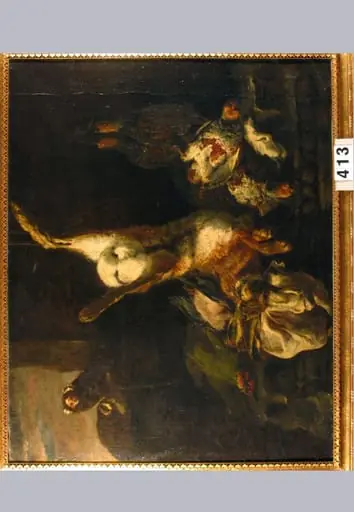
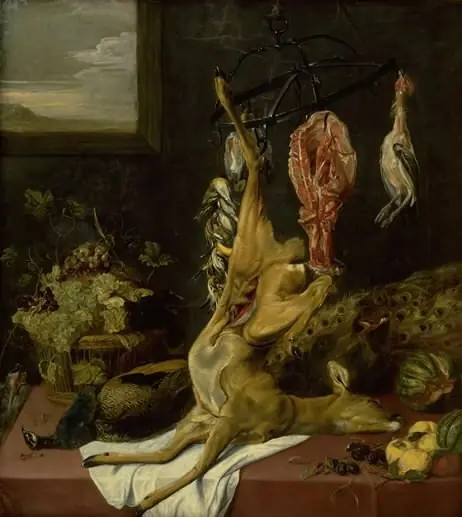
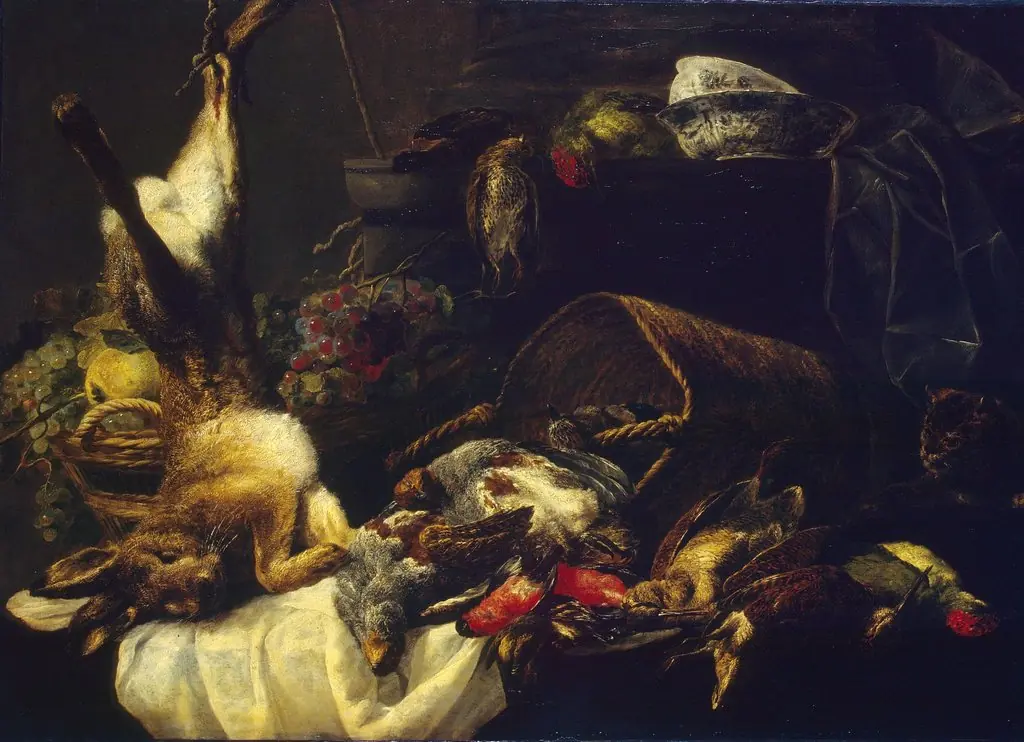
Păsări și iepure mort; pandant; Păsări moarte cu cocoș de munte
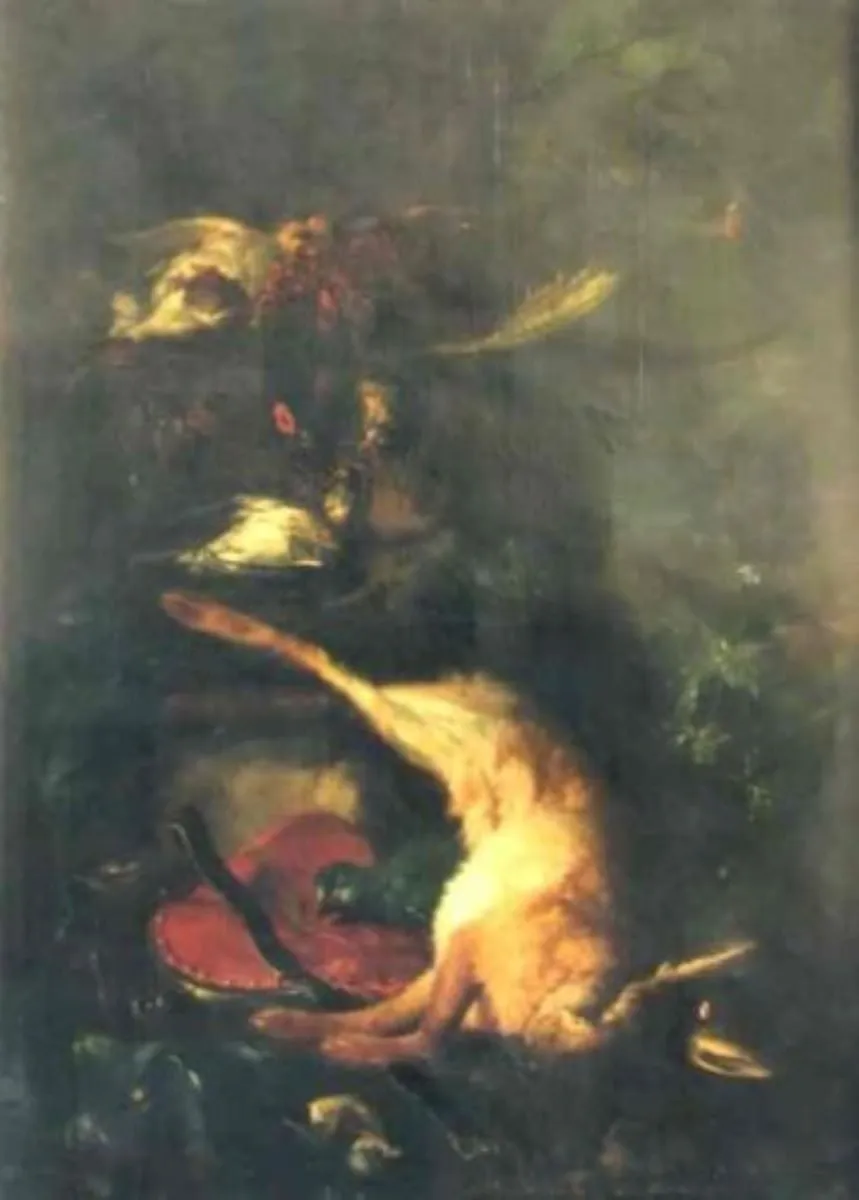
Păsări și iepure mort; pandant; Păsări moarte cu cocoș de munte is an unspecified painting by the Baroque artist Franz Werner, zis Dapper Tamm. It dates from 1714 and is held in the collection of the Brukenthal National Museum. Created in 1714 by the German painter Franz Werner Tamm, who signed his works as Dapper, this oil composition presents a stark still‑life.
About this work
Overview
Created in 1714 by the German painter Franz Werner Tamm, who signed his works as Dapper, this oil composition presents a stark still‑life.
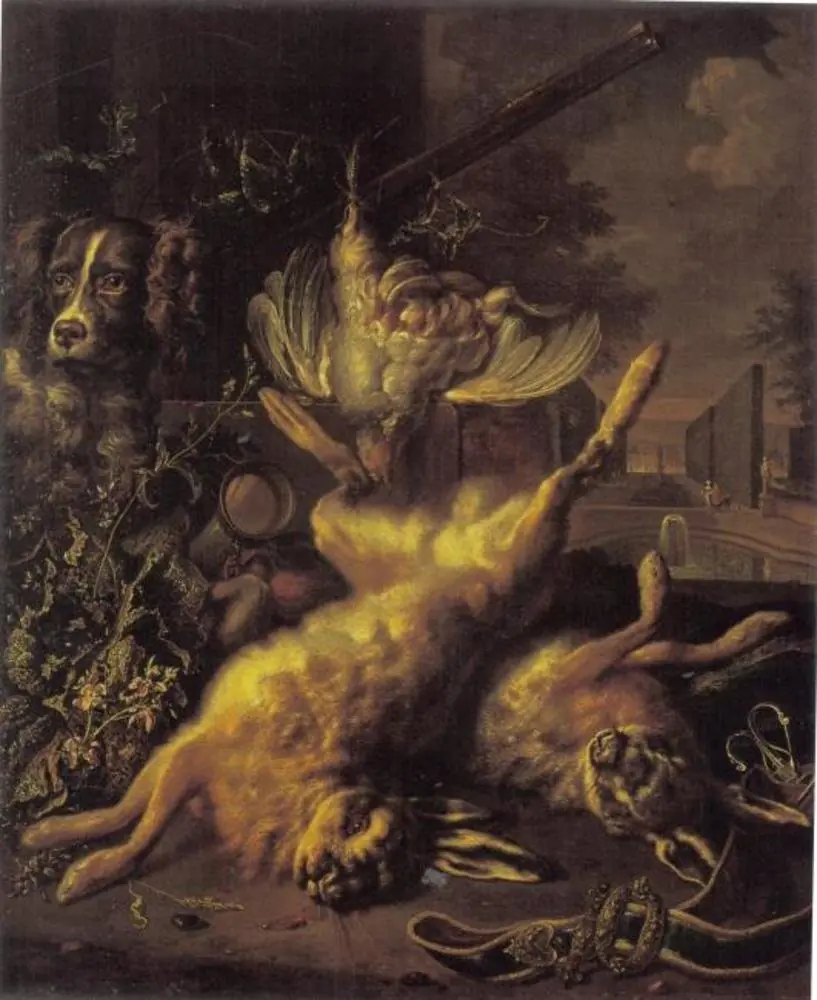
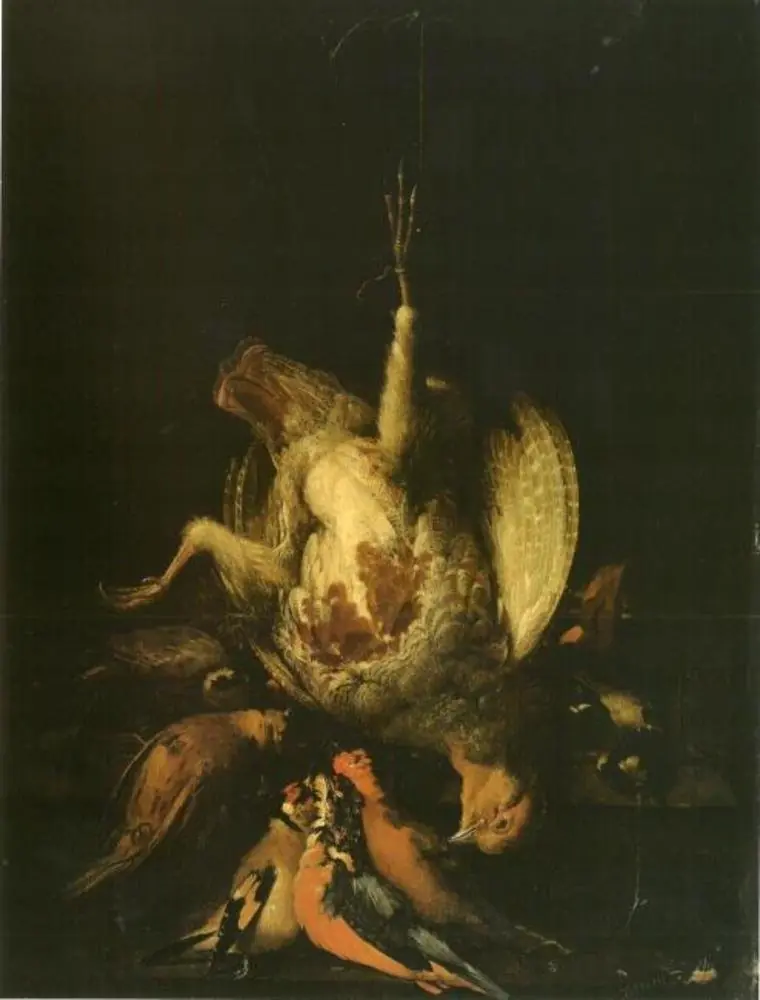
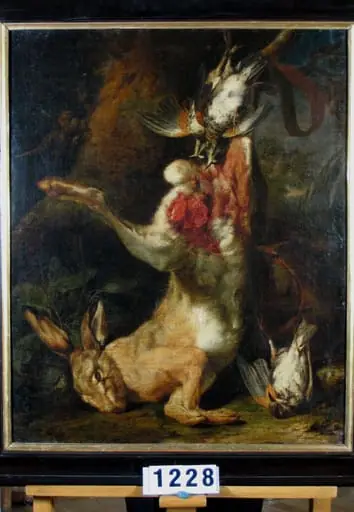
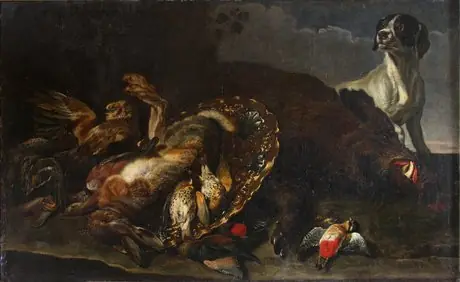
Created in 1714 by the German painter Franz Werner Tamm, who signed his works as Dapper, this oil composition presents a stark still‑life. A rabbit lies lifeless on its back amid tangled, shadowy foliage, while two birds—one vivid yellow, the other a blend of brown and red—hover nearby, seemingly pecking at the carcass. The background is rendered in muted gold and green tones, giving the scene a somber, naturalistic atmosphere.
Subject & Meaning
The central motif of a dead rabbit surrounded by foraging birds reflects the Baroque fascination with the transient nature of life and the cycles of the natural world. By juxtaposing the vulnerability of the rabbit with the active, colorful birds, the work invites contemplation of mortality, predation, and the fleeting moments of vitality within a seemingly static tableau.
Technique & Style
Tamm employs a pronounced chiaroscuro, using deep shadows to isolate the rabbit and birds from the darker undergrowth. The dramatic lighting creates a spotlight effect that heightens the three‑dimensionality of the forms. His palette is dominated by earthy, muddy hues, punctuated by bright accents of yellow and red, while the background’s gold‑green washes provide a subtle, atmospheric depth.
History & Provenance
The painting, catalogued under the title Păsări și iepure mort; pandant; Păsări moarte cu cocoș de munte, is attributed to Tamm’s early period, when he was establishing his reputation for detailed animal studies. Though specific ownership records are scarce, the work has been referenced in several 18th‑century inventories of German collections, indicating its circulation among patrons interested in naturalistic still‑lifes.
Artist & collection
Artist
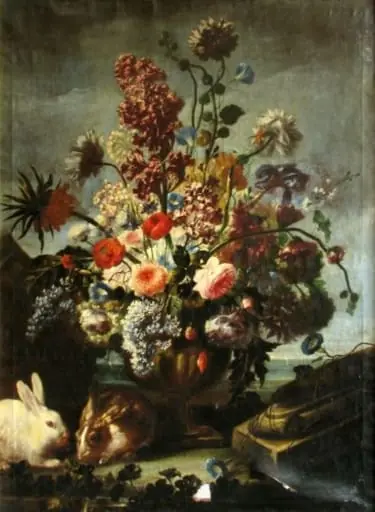
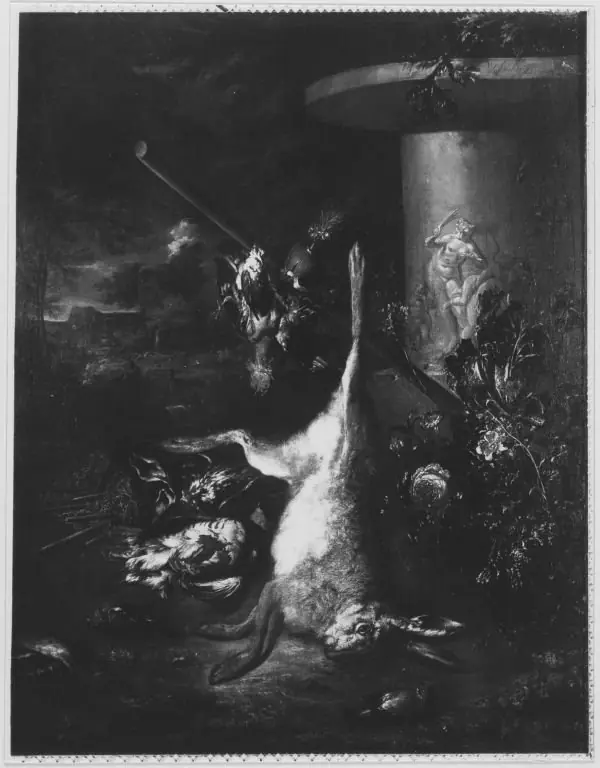
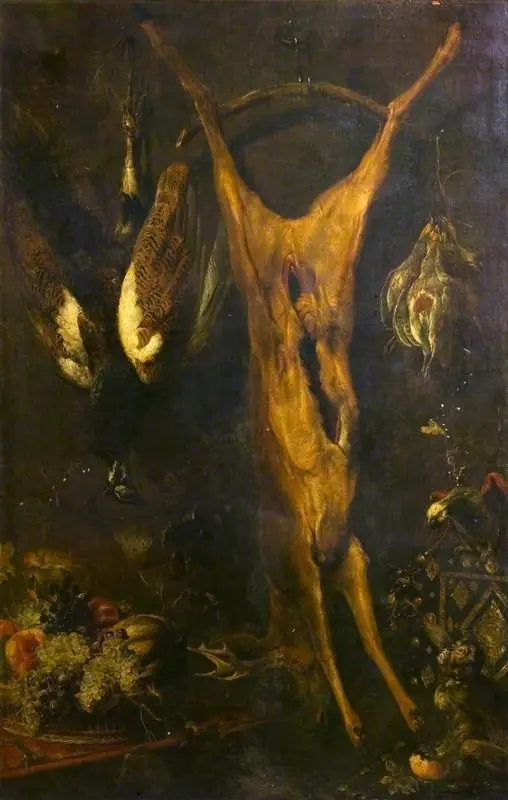
Franz Werner Tamm painted still lifes tied to 17th‑century European traditions, often pairing dead game with live birds or blooming flowers.