Artwork
Boucle d'or
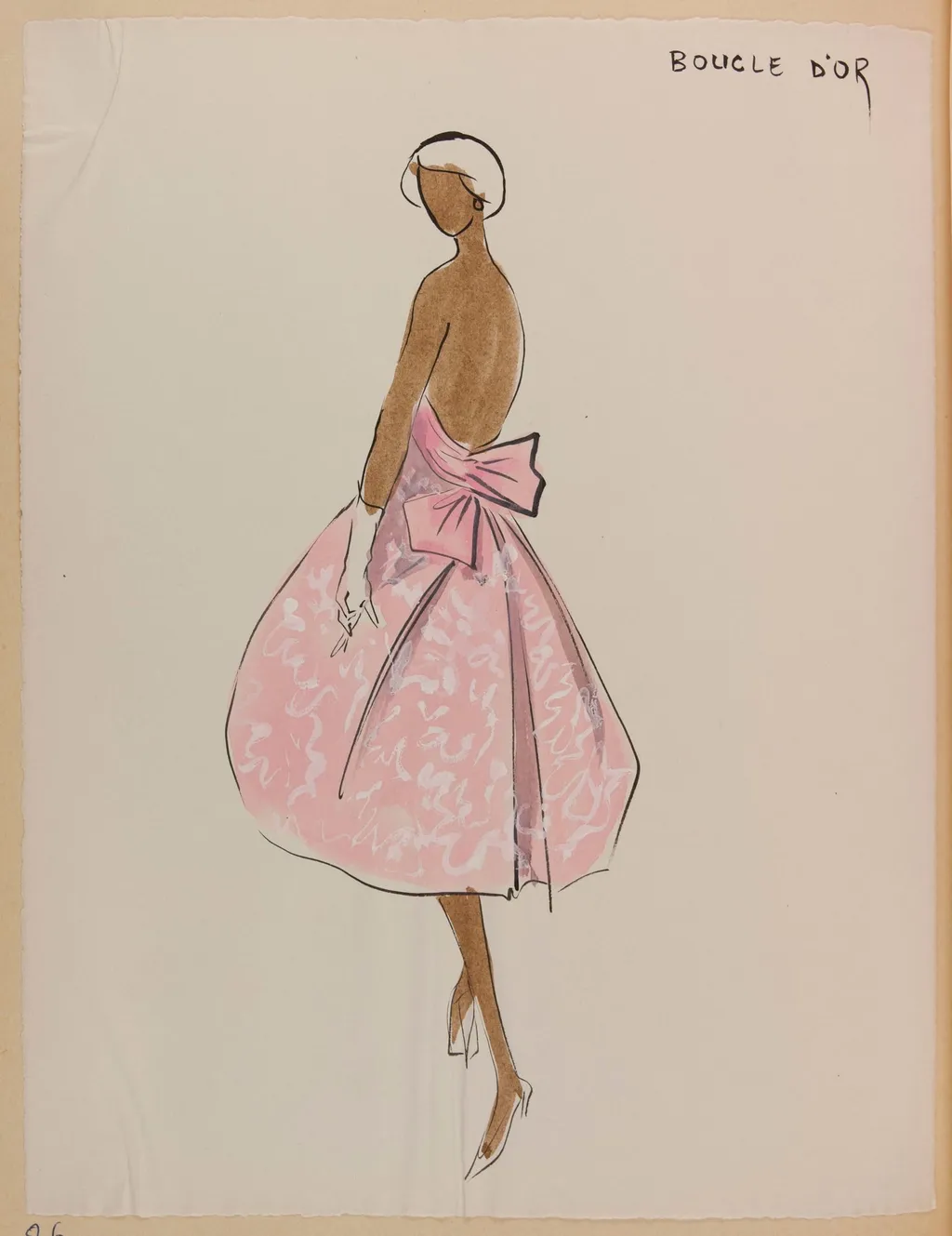
Boucle d'or is a drawing by Marie-Louise Carven. It dates from 1956 and is held in the collection of the Palais Galliera - Musée de la Mode de la Ville de Paris.
About this work
Overview
Created around 1956 by French designer Marie-Louise Carven, *Boucle d'or* is a fashion sketch that captures a garment from her prêt-à-porter collection.
Created around 1956 by French designer Marie-Louise Carven, *Boucle d'or* is a fashion sketch that captures a garment from her prêt-à-porter collection. Carven, who founded her label in 1945, focused on modest silhouettes suited to petite frames. This drawing exemplifies her approach to accessible luxury, blending delicate detailing with wearable forms, and reflects her role in bridging haute couture with ready-to-wear fashion.
Subject & Meaning
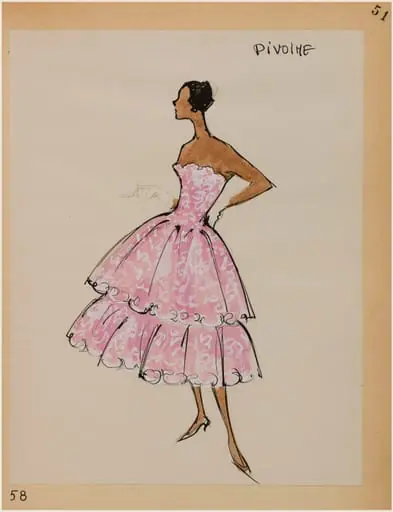
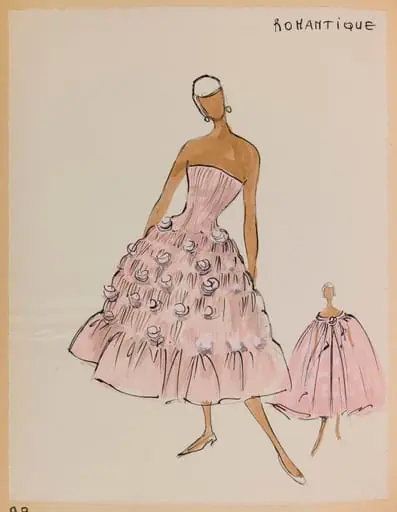
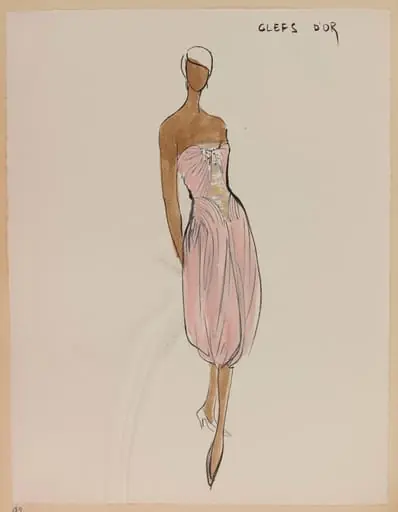
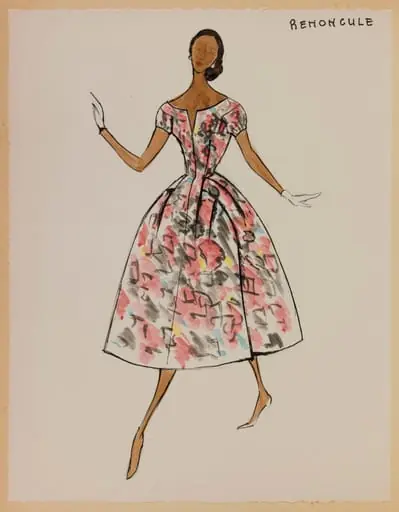
The sketch depicts a woman in profile, wearing a loose, flared pink dress with a prominent bow at the waist. The title, meaning 'Golden Lock,' likely references the golden hue of the bow, suggesting a subtle nod to fairy-tale imagery. The figure’s relaxed posture and simple footwear convey ease and everyday grace, aligning with Carven’s vision of femininity rooted in comfort rather than grandeur.
Technique & Style
Rendered with minimal lines and restrained color, the sketch emphasizes clarity over detail. The dress features a repetitive small-patterned texture, likely intended to suggest gingham or lace, materials Carven favored. The wide skirt and defined waist create a balanced silhouette, while the absence of facial features directs focus to the garment’s form and movement, characteristic of her functional yet poetic design language.
History & Provenance
As part of Carven’s early ready-to-wear output, *Boucle d'or* emerged during a period when fashion was shifting toward mass production. Though the sketch’s original archival context is undocumented, its existence reflects Carven’s commitment to designing for a broader audience. It likely served as a design reference for production teams, preserving her aesthetic in a format accessible beyond the atelier.
Context
In mid-1950s France, couture remained dominant, but Carven was among the pioneers to challenge its exclusivity. Her use of light fabrics, pastel tones, and playful details like bows catered to postwar desires for youthful, practical elegance. *Boucle d'or* fits within this movement, aligning with broader cultural shifts toward democratized fashion and the rise of the modern working woman.
Legacy
Carven’s work, including sketches like *Boucle d'or*, helped redefine femininity in fashion by prioritizing livability without sacrificing charm. Her early adoption of prêt-à-porter influenced later designers seeking to merge craftsmanship with accessibility. Though less celebrated than contemporaries, her contributions remain a quiet benchmark in the evolution of 20th-century women’s wear.
Artist & collection
Artist
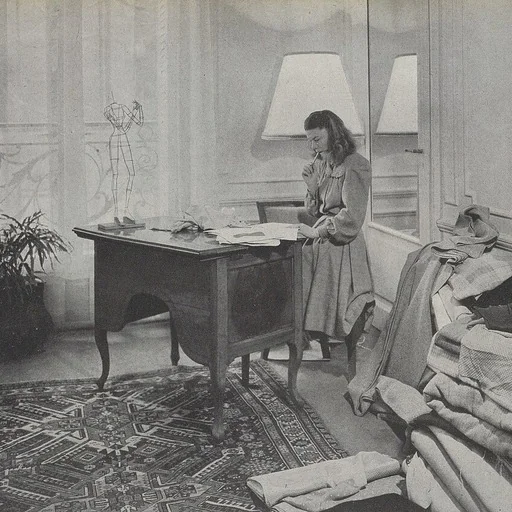
Marie-Louise Carven (31 August 1909 – 8 June 2015), born Carmen de Tommaso, was a French fashion designer who founded the house of Carven in 1945.
Museum
Palais Galliera - Musée de la Mode de la Ville de Paris
Continue through works from the same source collection.
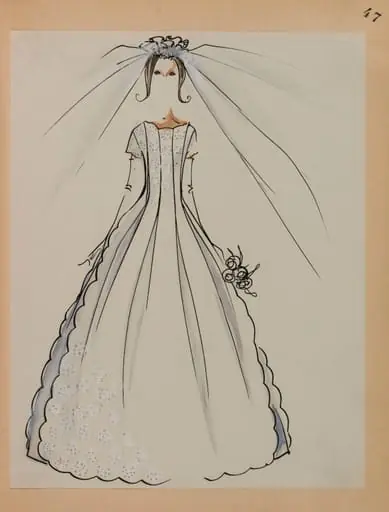 Robe de mariée festonnée et son voile
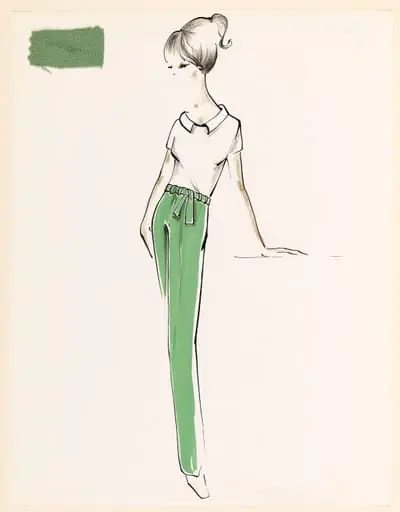 Haut blanc à manches courtes et pantalon vert à ceinture nouée
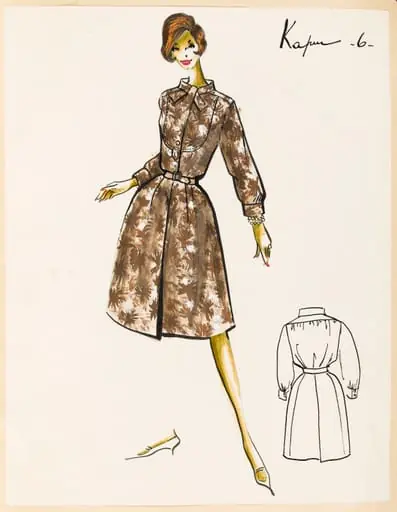 Kapur
Kapur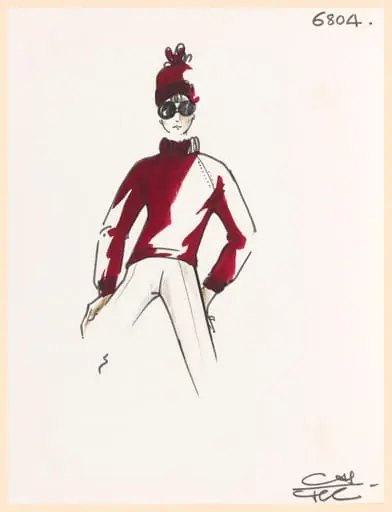 Pull-over à manches longues pourpre, bonnet assorti, pantalon et lunettes de soleil
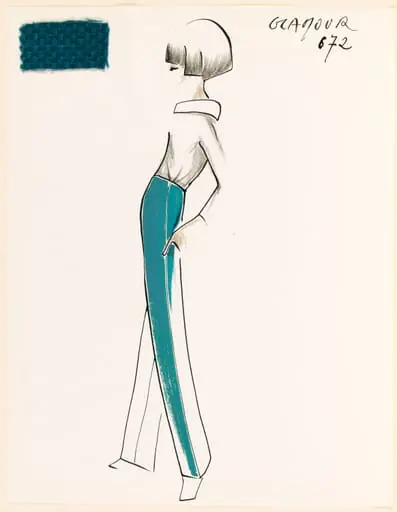 GLAMOUR
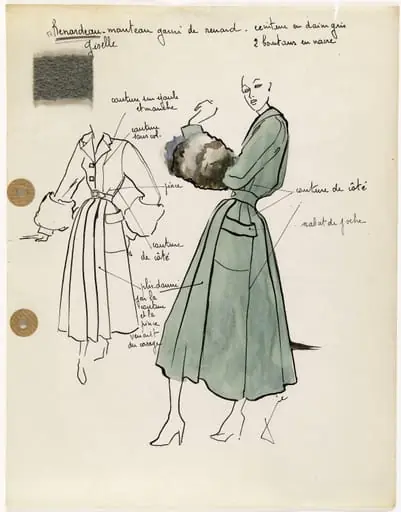 'Renardeau'
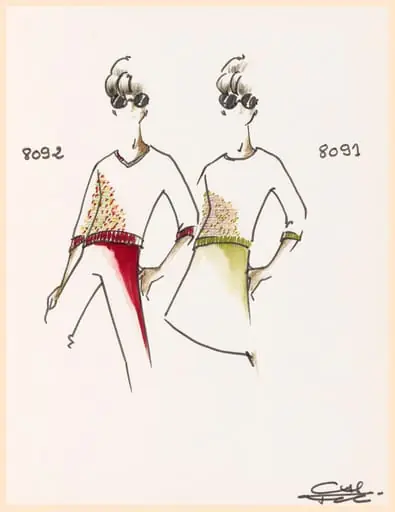 Pull-over à manches trois quarts et à encolure V à motifs multicolores, pantalon cerise et lunettes de soleil
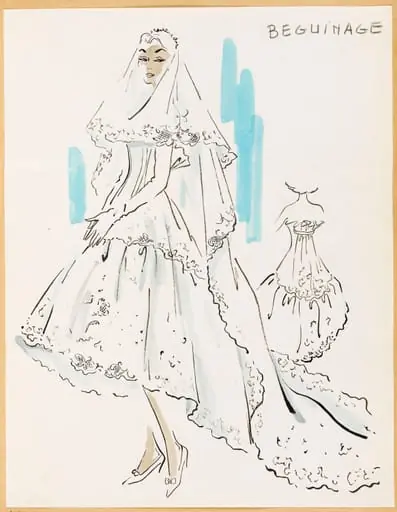 Béguinage