Artwork
Candide
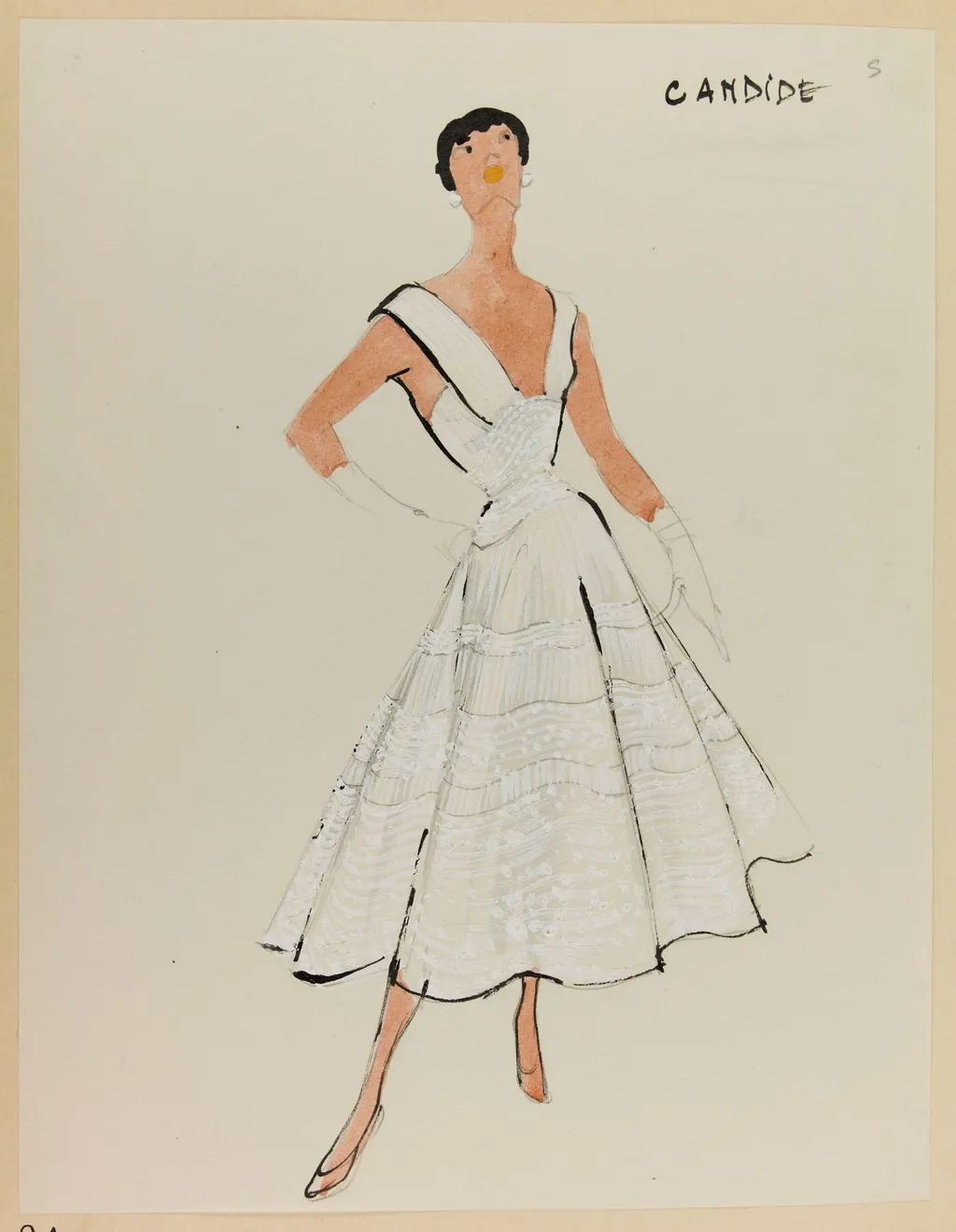
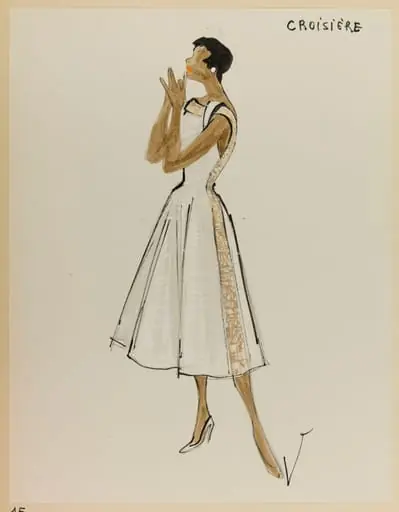
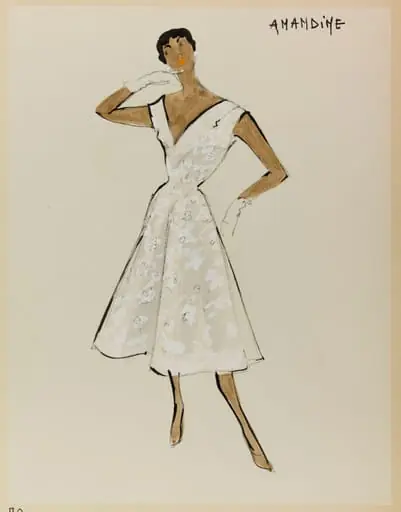
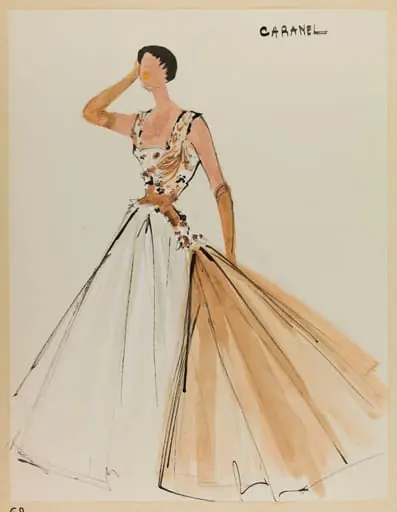
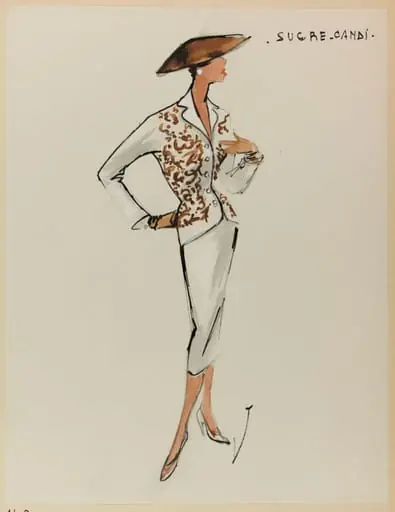
Candide is a drawing by Marie-Louise Carven. It dates from 1953 and is held in the collection of the Palais Galliera - Musée de la Mode de la Ville de Paris.
About this work
Overview
This piece belongs to the Museum of Ethnography’s collection, reflecting its role in documenting mid-century fashion culture beyond garments themselves.
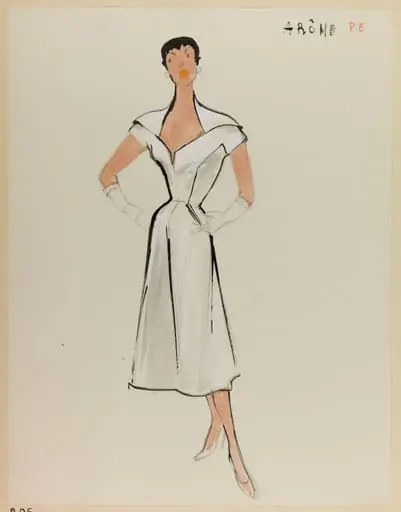
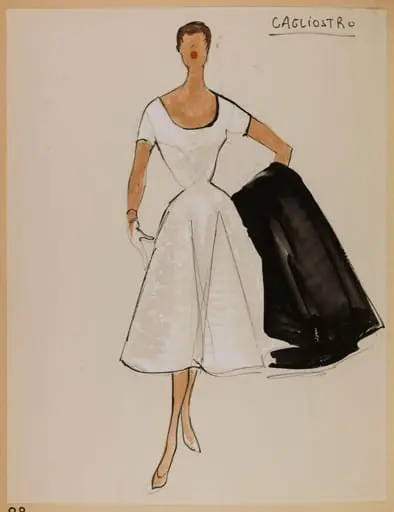
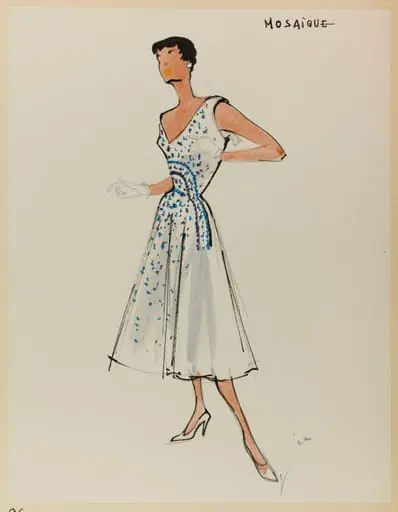
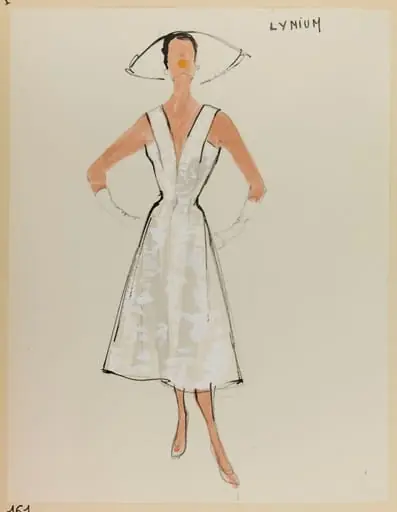
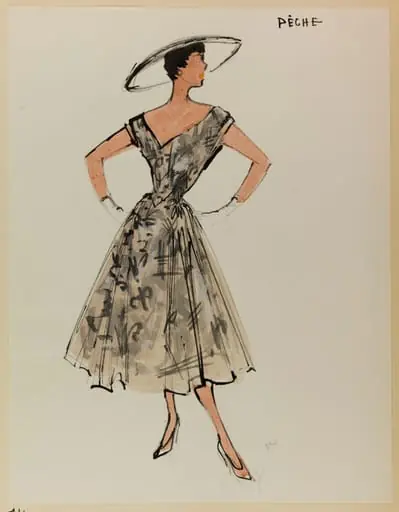
Created around 1953, *Candide* is a pencil drawing by French designer Marie-Louise Carven, best known for founding her eponymous fashion house in 1945. The work captures a woman in a tailored white dress, rendered with restrained precision. Though often associated with textile design, Carven also produced illustrative studies to communicate her aesthetic. This piece belongs to the Museum of Ethnography’s collection, reflecting its role in documenting mid-century fashion culture beyond garments themselves.
Subject & Meaning
The figure in *Candide* embodies a quiet confidence, standing with one hand on her hip and the other at her side. Her short bob, white gloves, and yellow-painted lips suggest a deliberate stylization—neither fully realistic nor fantastical. The yellow lips, unusual in naturalistic portraiture, may signal a playful or theatrical dimension, aligning with Carven’s interest in blending elegance with whimsy. The image functions as both a fashion study and a portrait of a modern, self-possessed woman.
Technique & Style
Carven rendered the figure using clean, uncluttered lines with minimal shading, emphasizing form over texture. The dress’s V-neck and full skirt are defined by fluid contours, while the gloves and heels are suggested with subtle precision. The absence of background or environmental detail focuses attention on silhouette and posture. This restrained approach mirrors the clarity of her garment designs, prioritizing structure and proportion over ornamental detail.
History & Provenance
The drawing emerged during Carven’s active years as a couturier, when she was pioneering ready-to-wear collections in Paris. Its inclusion in the Museum of Ethnography suggests early institutional recognition of fashion as cultural artifact. While the exact provenance prior to museum acquisition is undocumented, its preservation reflects a growing interest in the 20th century in archiving fashion as a form of social expression, not merely commercial output.
Context
In postwar Paris, fashion illustration served as a bridge between design and public perception. Carven’s work aligned with a broader movement toward accessible elegance, contrasting with the opulence of earlier haute couture. Her focus on petite figures and lightweight fabrics responded to changing lifestyles. *Candide* reflects this ethos—its simplicity and clarity mirror the practical yet refined sensibility of 1950s urban women seeking both style and comfort.
Legacy
Though Carven is primarily remembered for her clothing lines and innovations like the patented push-up bra, *Candide* reveals her broader engagement with visual communication. The drawing stands as a testament to designers who used illustration not merely as a tool, but as an extension of their aesthetic philosophy. It contributes to the historical record of how fashion was envisioned, marketed, and understood beyond the runway.
Artist & collection
Artist
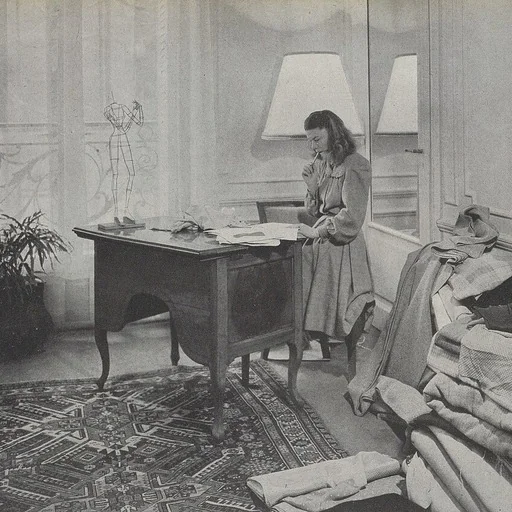
Marie-Louise Carven (31 August 1909 – 8 June 2015), born Carmen de Tommaso, was a French fashion designer who founded the house of Carven in 1945.
Museum
Palais Galliera - Musée de la Mode de la Ville de Paris
Continue through works from the same source collection.
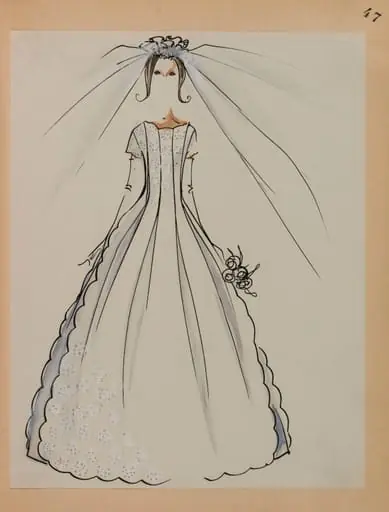 Robe de mariée festonnée et son voile
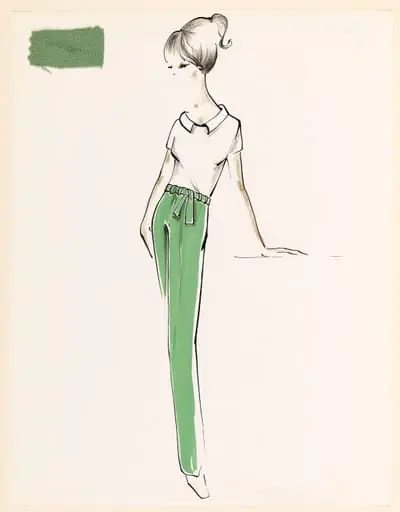 Haut blanc à manches courtes et pantalon vert à ceinture nouée
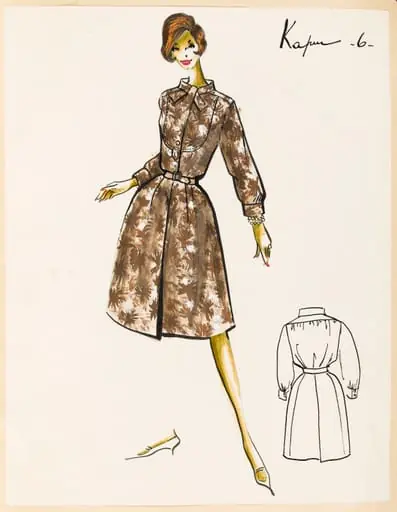 Kapur
Kapur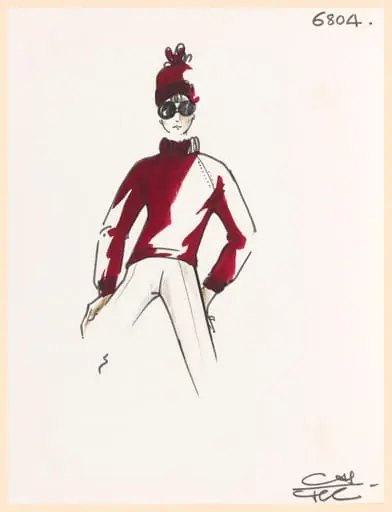 Pull-over à manches longues pourpre, bonnet assorti, pantalon et lunettes de soleil
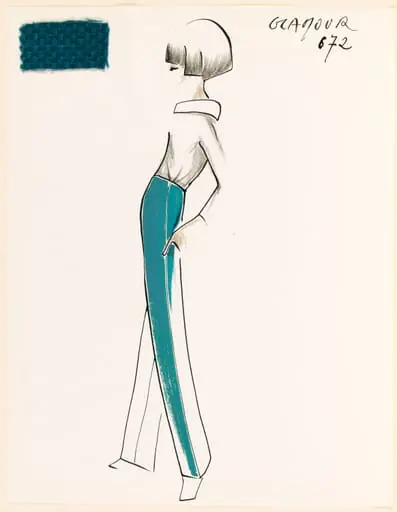 GLAMOUR
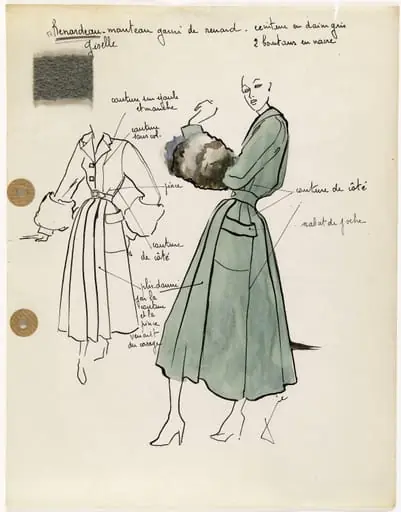 'Renardeau'
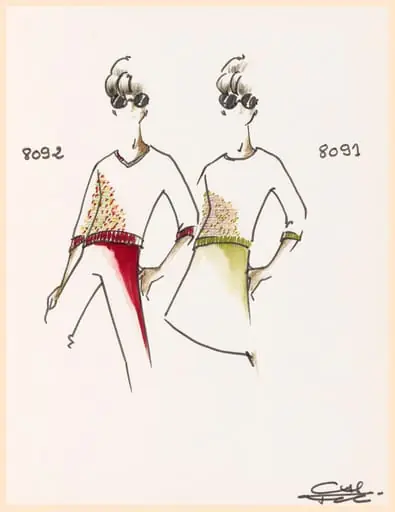 Pull-over à manches trois quarts et à encolure V à motifs multicolores, pantalon cerise et lunettes de soleil
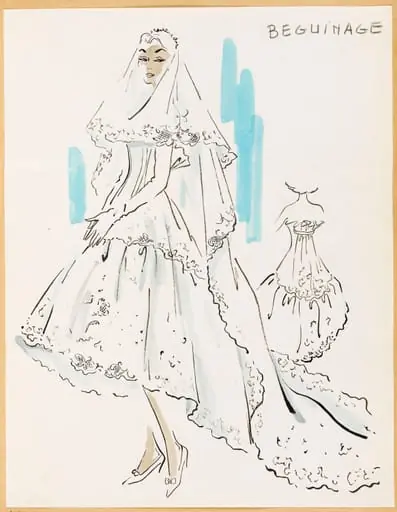 Béguinage