Artwork
Europe
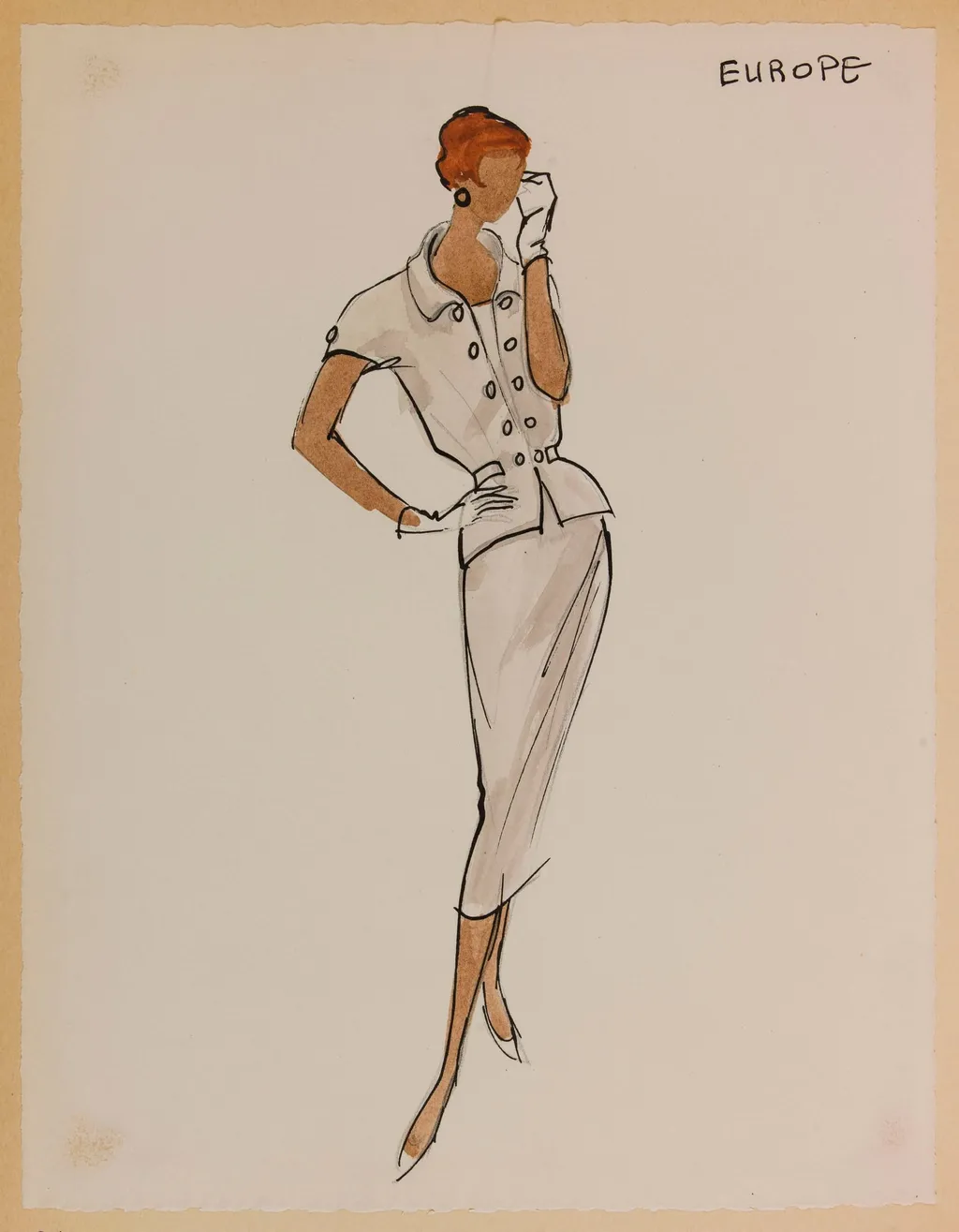
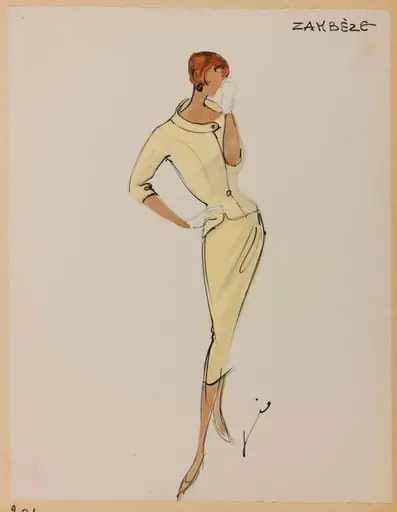
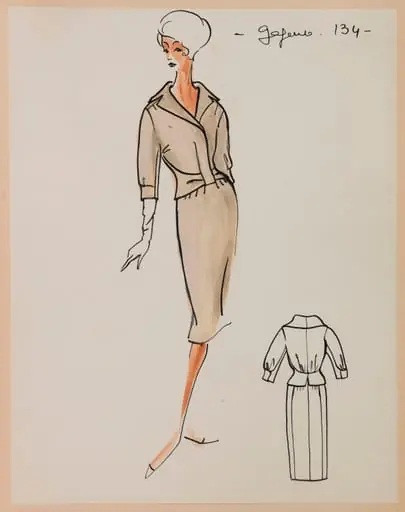
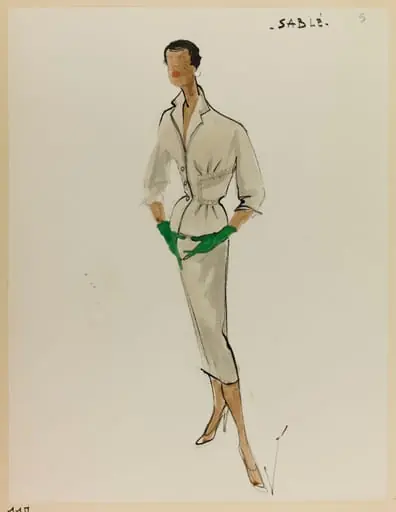
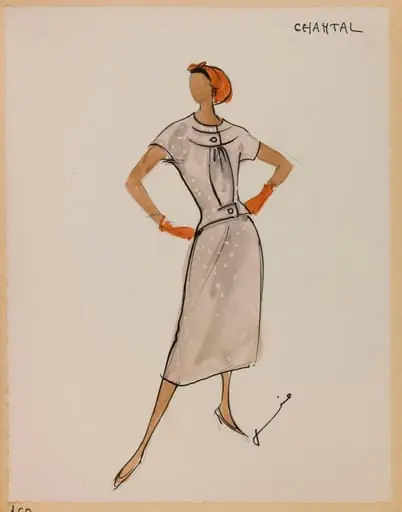
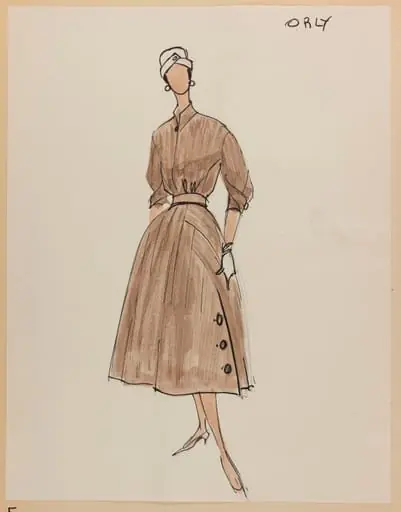
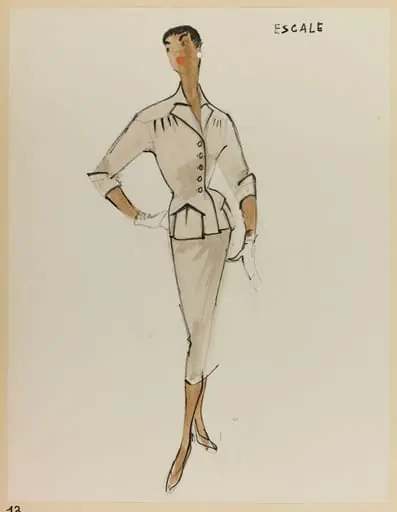
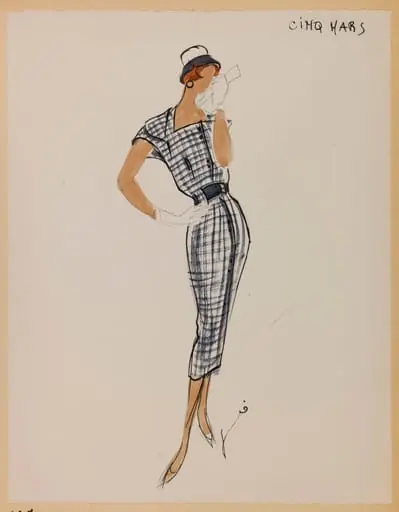
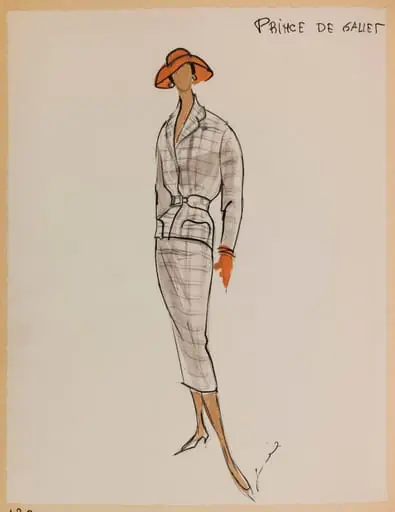
Europe is a drawing by Marie-Louise Carven. It dates from 1956 and is held in the collection of the Palais Galliera - Musée de la Mode de la Ville de Paris.
About this work
Overview
The image titled *Europe*, created around 1956, is a photographic representation of a woman dressed in a design by French couturier Marie-Louise Carven.
The image titled *Europe*, created around 1956, is a photographic representation of a woman dressed in a design by French couturier Marie-Louise Carven. It captures a moment of composed elegance, reflecting Carven’s signature aesthetic of refined simplicity. Though the medium is photographic, the attire and styling are directly tied to Carven’s fashion house, established in 1945, which pioneered accessible haute couture for smaller frames and everyday wear.
Subject & Meaning
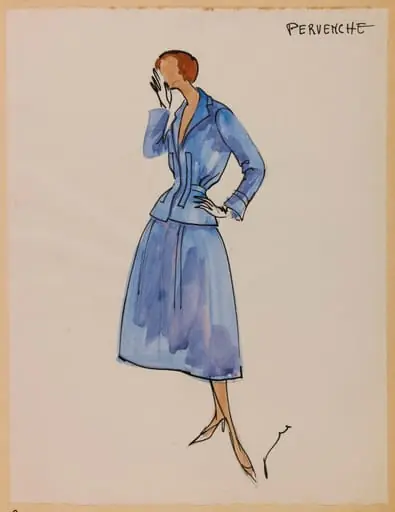
The woman depicted stands with one hand resting on her hip and the other near her face, conveying quiet self-assurance. Her short red hair, white gloves, and tailored dress suggest a deliberate performance of poise, aligning with mid-century ideals of feminine grace. The title *Europe* may allude to a continental identity shaped by postwar refinement, where fashion served as both personal expression and cultural signal.
Technique & Style
The dress features a fitted silhouette, knee-length cut, front buttons, and a structured collar—hallmarks of Carven’s design language. Lightweight fabrics like cotton or gingham, though not visible in detail, are implied by the crispness of the lines. The monochrome palette and neutral background focus attention on form and posture, emphasizing clarity and restraint over ornamentation, consistent with Carven’s modernist approach to couture.
History & Provenance
The image resides in the collection of the Museum of Ethnography, suggesting its use as a cultural artifact rather than a fashion editorial. Its preservation indicates recognition of Carven’s influence beyond the runway—capturing how everyday style reflected broader social norms. While the photographer is unattributed, the image’s inclusion in an ethnographic context underscores its role in documenting postwar European identity through dress.
Context
In the mid-1950s, Parisian fashion was redefining itself after wartime austerity. Carven stood apart by designing for petite figures and introducing ready-to-wear lines, making elegance accessible. This image reflects a moment when fashion photography began to document not just garments, but the demeanor and autonomy of the modern woman—aligned with shifting gender roles and the rise of consumer culture in Europe.
Legacy
Carven’s emphasis on proportion, comfort, and understated luxury influenced later designers who prioritized wearability without sacrificing sophistication. Though the image is not a garment itself, its preservation in an ethnographic archive signals its value as evidence of how fashion shaped personal and cultural identity. It remains a quiet testament to a designer who redefined elegance for ordinary life.
Artist & collection
Artist
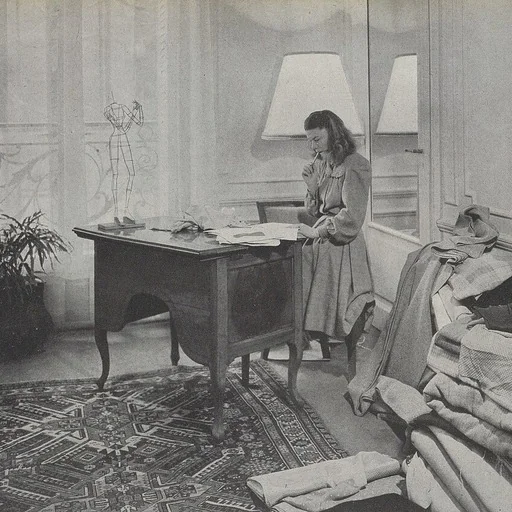
Marie-Louise Carven (31 August 1909 – 8 June 2015), born Carmen de Tommaso, was a French fashion designer who founded the house of Carven in 1945.
Museum
Palais Galliera - Musée de la Mode de la Ville de Paris
Continue through works from the same source collection.
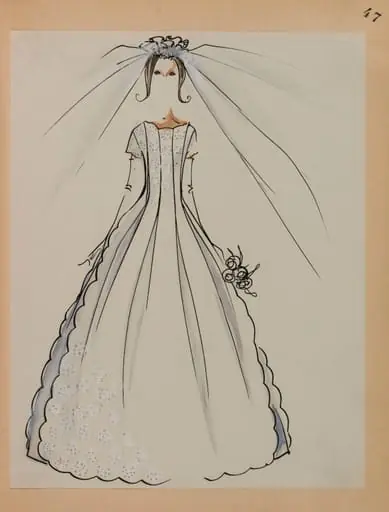 Robe de mariée festonnée et son voile
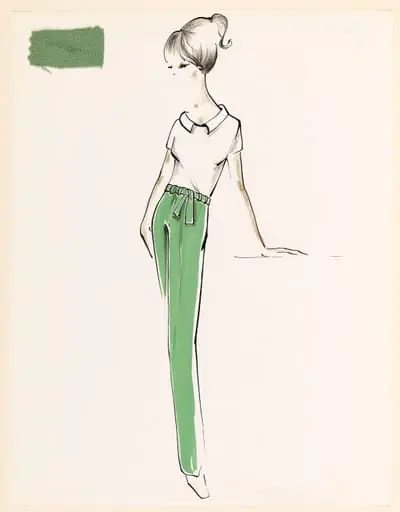 Haut blanc à manches courtes et pantalon vert à ceinture nouée
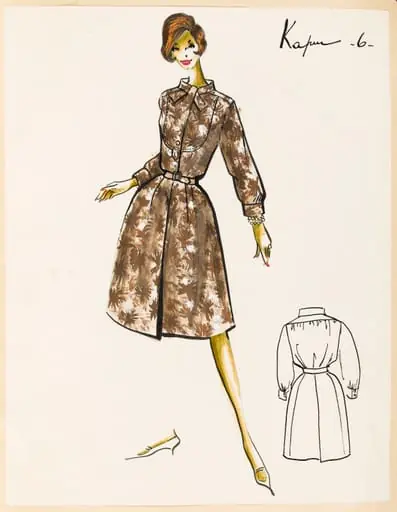 Kapur
Kapur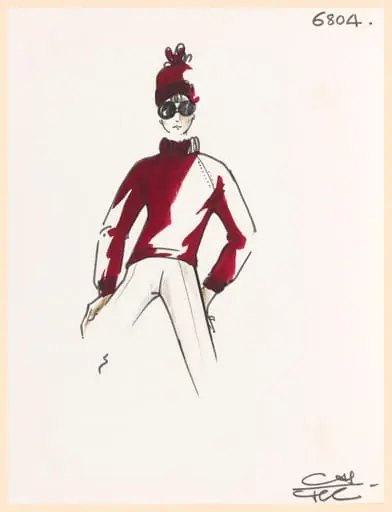 Pull-over à manches longues pourpre, bonnet assorti, pantalon et lunettes de soleil
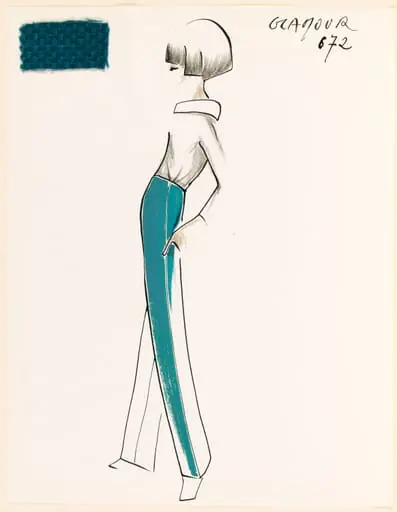 GLAMOUR
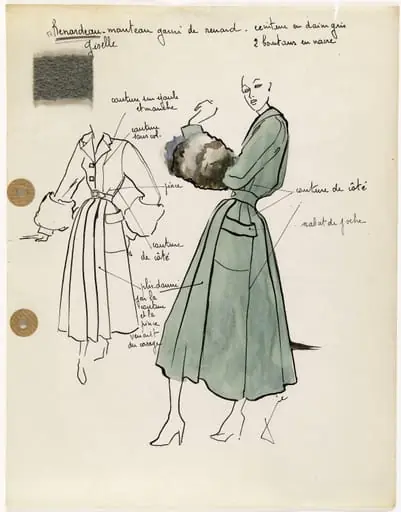 'Renardeau'
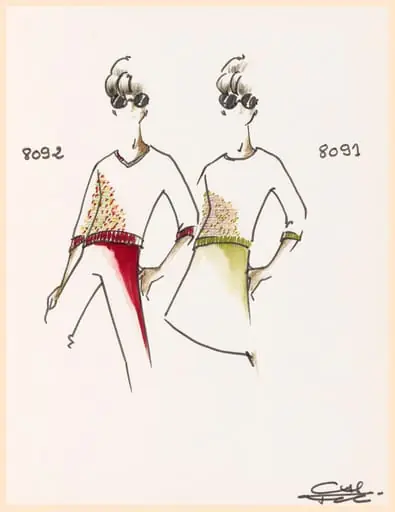 Pull-over à manches trois quarts et à encolure V à motifs multicolores, pantalon cerise et lunettes de soleil
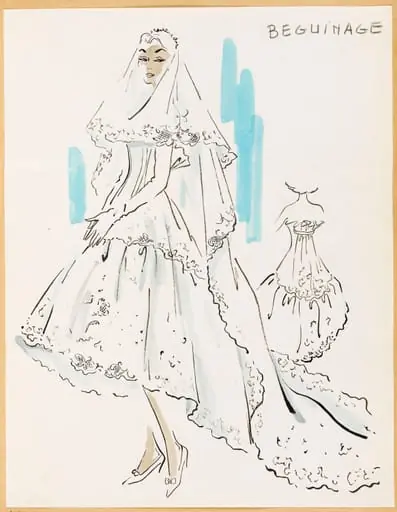 Béguinage