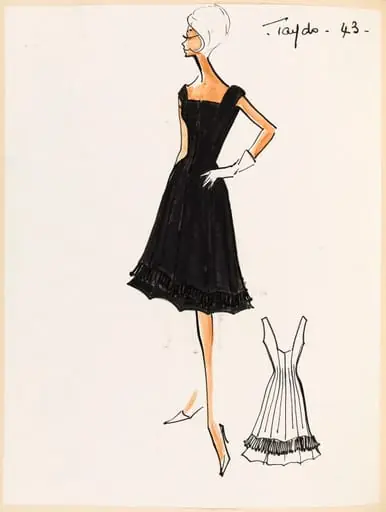
Artwork
Matador
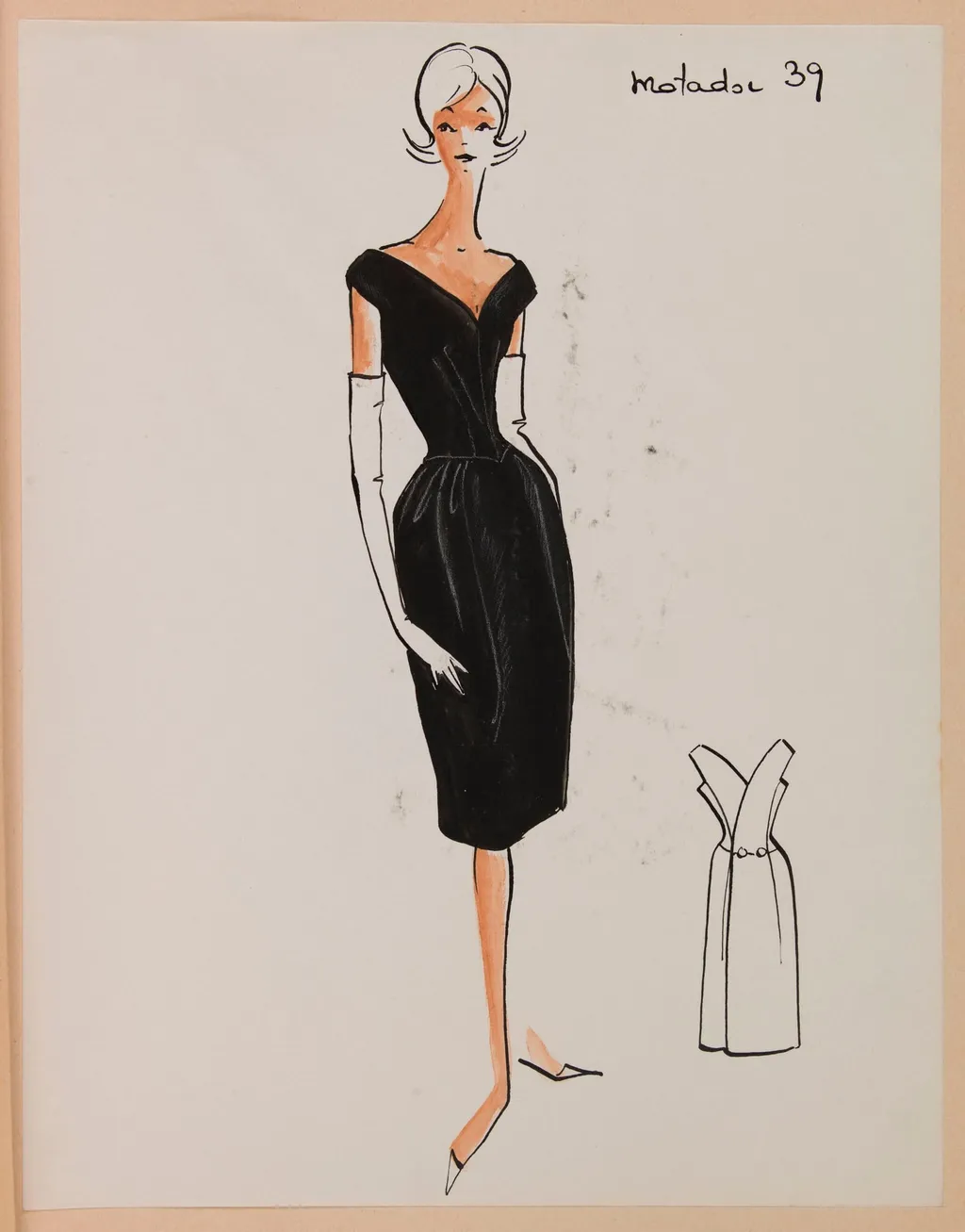
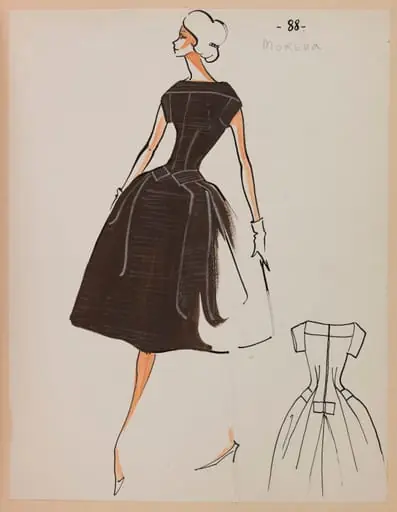
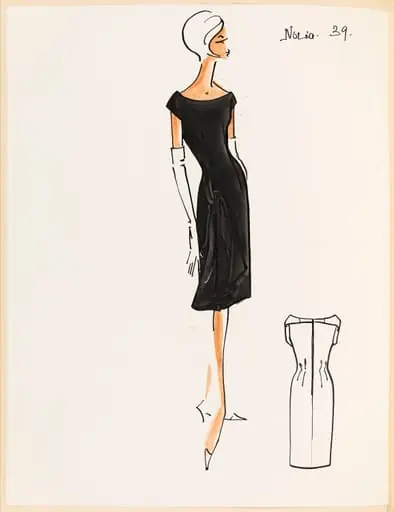
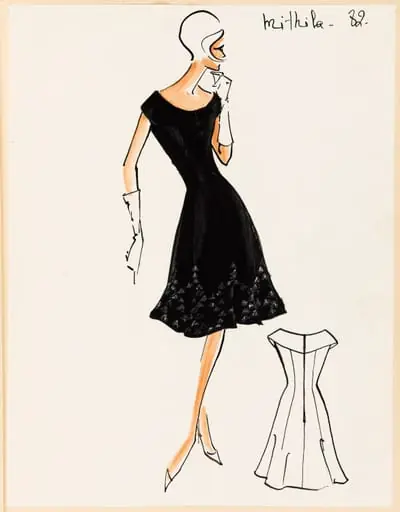
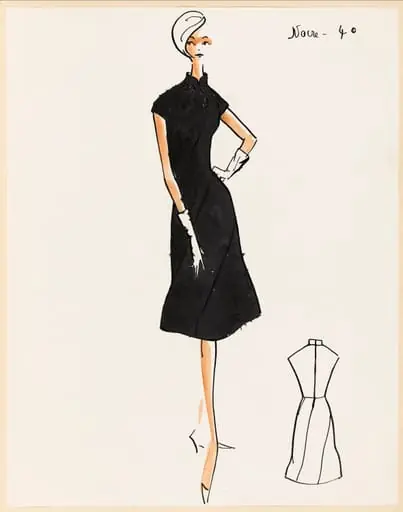
Matador is a drawing by Marie-Louise Carven. It dates from 1958 and is held in the collection of the Palais Galliera - Musée de la Mode de la Ville de Paris.
About this work
Overview
The sketch is held in the Museum of Ethnography, where it serves as a record of mid-century French fashion design rather than theatrical costume.
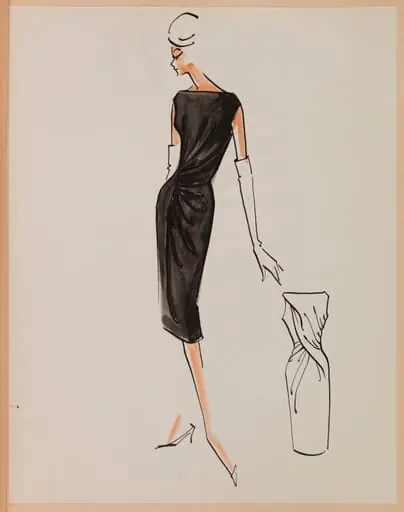
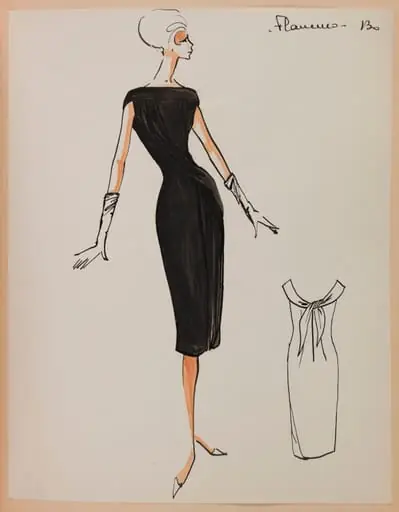
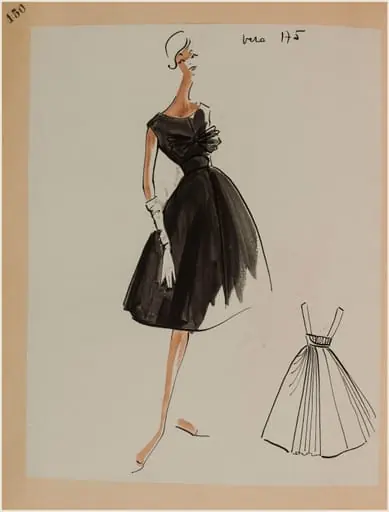
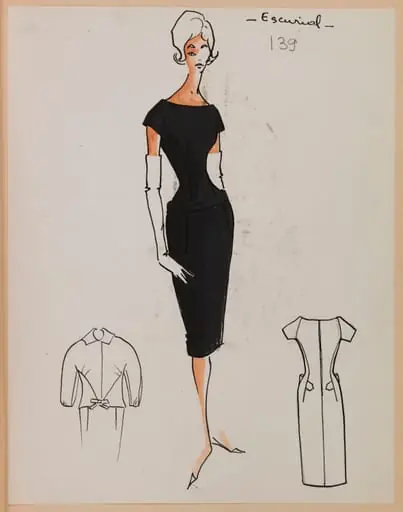
Created around 1958, *Matador* is a fashion sketch by Marie-Louise Carven, founder of the Parisian house Carven. The drawing captures a woman in a matador-inspired ensemble, rendered with swift, confident lines. Though presented as a costume, the design reflects Carven’s signature focus on tailored silhouettes and wearable elegance. The sketch is held in the Museum of Ethnography, where it serves as a record of mid-century French fashion design rather than theatrical costume.
Subject & Meaning
The figure in *Matador* wears a sleek black dress echoing traditional matador attire, but stripped of ornamental excess. The pose—hand on hip, head held high—conveys poise rather than performance. Carven reimagines the bullfighter’s garb as a statement of feminine authority, aligning the costume’s drama with the quiet confidence of modern womanhood. The design avoids literal theatricality, instead transforming cultural symbols into everyday elegance.
Technique & Style
Carven rendered the sketch in bold, unblended black lines with minimal shading, emphasizing form over detail. The dress is defined by clean contours and a pronounced V-neck, with a subtle bow at the shoulder visible in the rear view. The loose, rapid strokes suggest a working drawing, prioritizing silhouette and movement over finish. This approach reflects her design philosophy: precision in structure, restraint in decoration.
History & Provenance
Marie-Louise Carven established her fashion house in 1945 and became known for pioneering prêt-à-porter in French couture. *Matador* dates from the height of her influence, when she was refining designs for petite figures and experimenting with structural innovation, including patented undergarments. The sketch entered the Museum of Ethnography’s collection as part of a broader effort to document fashion as cultural artifact, not merely luxury object.
Context
In the late 1950s, fashion was shifting toward accessibility and practicality, and Carven was at the forefront. Her work responded to postwar demands for clothing that was both stylish and suited to active lifestyles. *Matador* reflects this transition: the matador motif, once theatrical, becomes a vehicle for modern femininity. The sketch aligns with broader trends in European design that valued simplicity and bodily freedom.
Legacy
Carven’s sketches, including *Matador*, illustrate her role in redefining couture for a new generation of women. Her emphasis on fit, proportion, and understated detail influenced later designers who prioritized wearable artistry over spectacle. Though less celebrated than contemporaries, her contributions to ready-to-wear and body-conscious design remain embedded in the evolution of 20th-century fashion.
Artist & collection
Artist
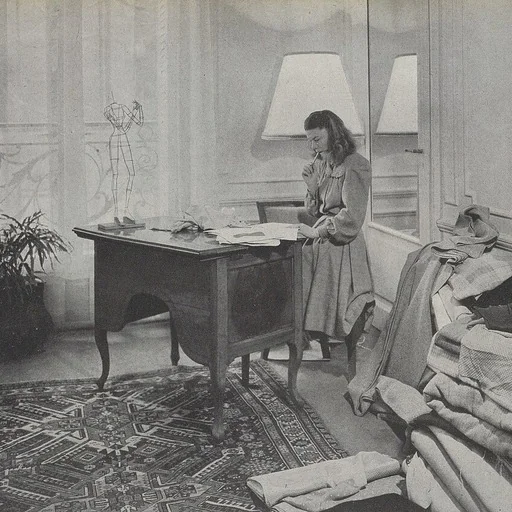
Marie-Louise Carven (31 August 1909 – 8 June 2015), born Carmen de Tommaso, was a French fashion designer who founded the house of Carven in 1945.
Museum
Palais Galliera - Musée de la Mode de la Ville de Paris
Continue through works from the same source collection.
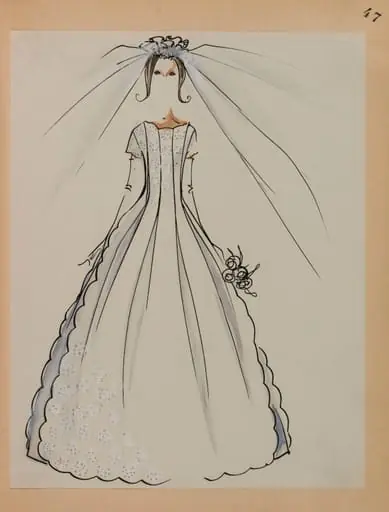 Robe de mariée festonnée et son voile
 Haut blanc à manches courtes et pantalon vert à ceinture nouée
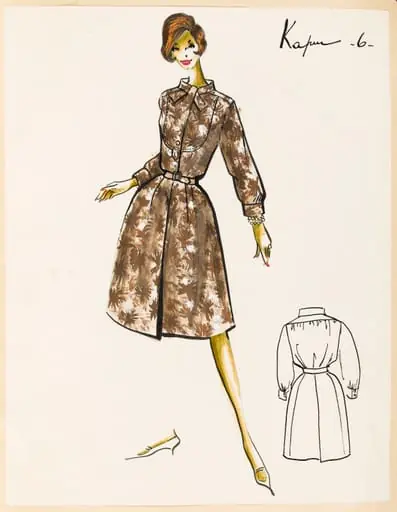 Kapur
Kapur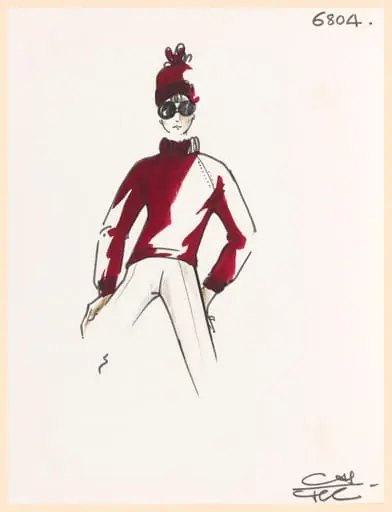 Pull-over à manches longues pourpre, bonnet assorti, pantalon et lunettes de soleil
 GLAMOUR
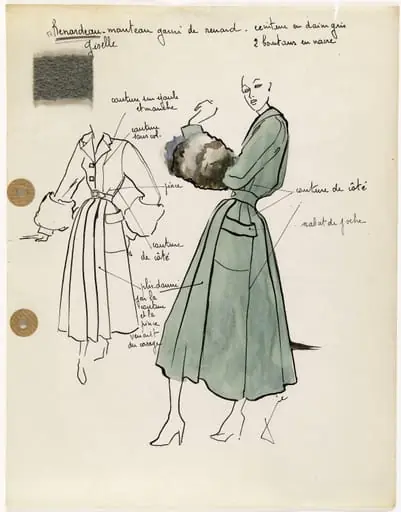 'Renardeau'
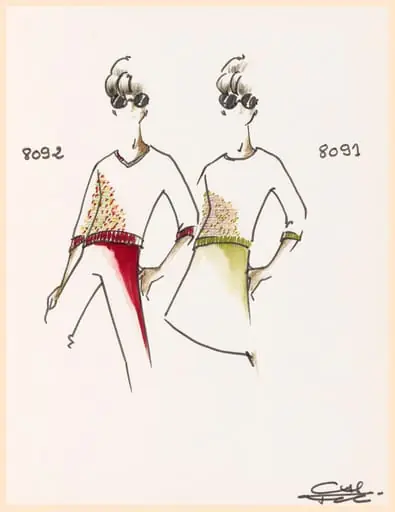 Pull-over à manches trois quarts et à encolure V à motifs multicolores, pantalon cerise et lunettes de soleil
 Béguinage