Artwork
Pastèque
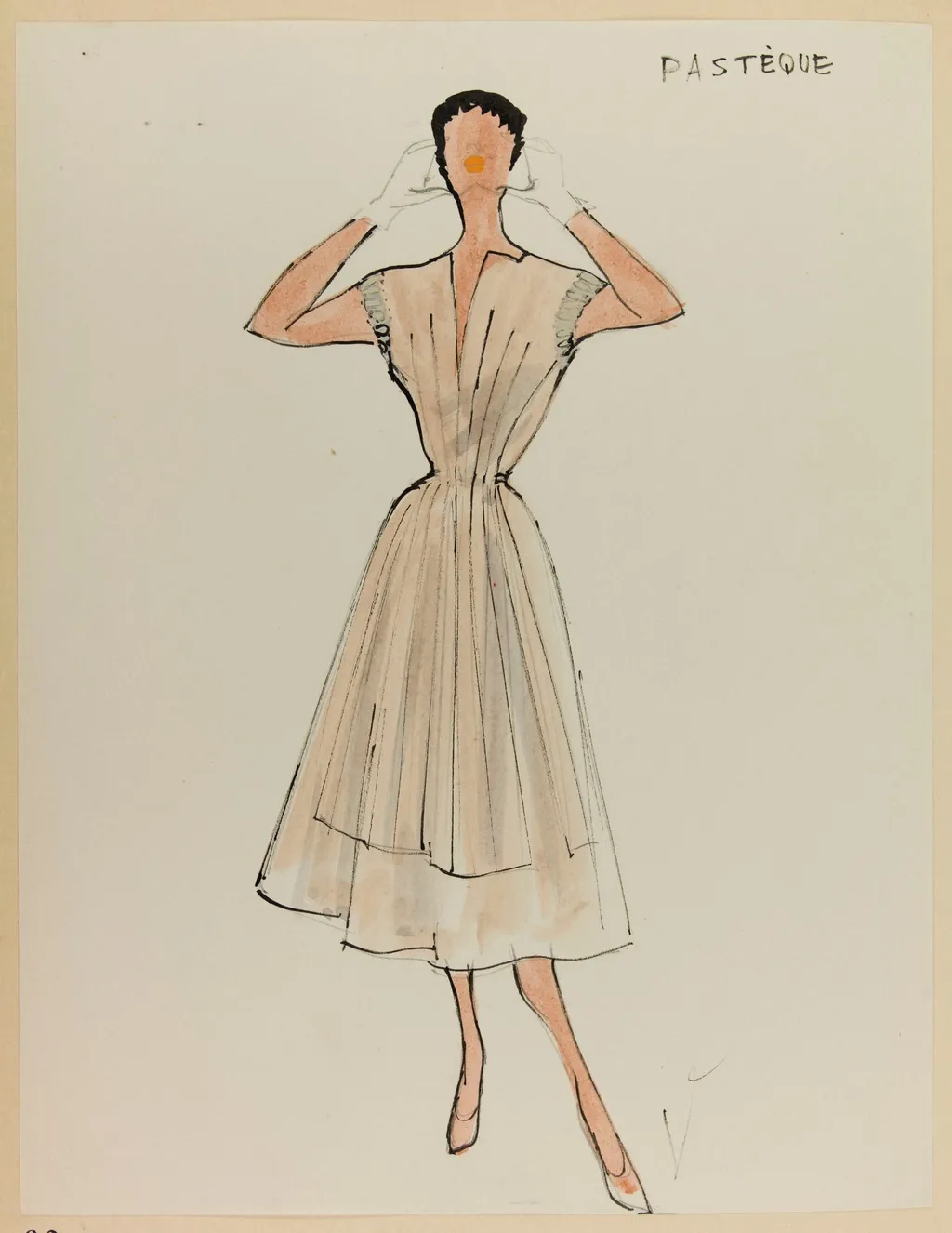
Pastèque is a drawing by Marie-Louise Carven. It dates from 1953 and is held in the collection of the Palais Galliera - Musée de la Mode de la Ville de Paris.
About this work
Overview
The work captures a moment of quiet elegance, depicting a woman in a simple dress with raised hands, rendered in clean, restrained lines.
Pastèque is a pencil drawing from approximately 1953, created by French designer Marie-Louise Carven. It belongs to a series of fashion illustrations produced alongside her clothing designs. The work captures a moment of quiet elegance, depicting a woman in a simple dress with raised hands, rendered in clean, restrained lines. The title, written in the upper right, ties the image to Carven’s playful naming convention for her collections.
Subject & Meaning
The figure in Pastèque is shown in a poised, introspective gesture—hands near the head—as if adjusting a hat or smoothing hair. The pose suggests casual grace rather than performative display. The absence of facial detail universalizes the subject, allowing the viewer to focus on silhouette and movement. The title, meaning 'watermelon' in French, hints at Carven’s affection for whimsical, nature-inspired names that softened the formality of postwar fashion.
Technique & Style
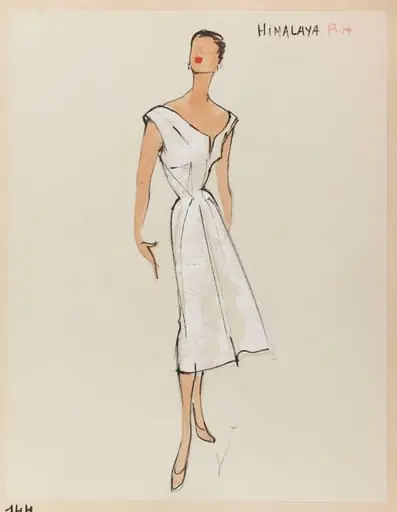
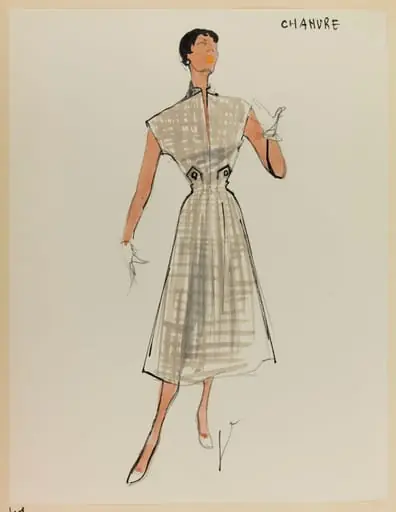
Carven rendered the figure with minimal yet deliberate linework, avoiding shading or texture in favor of clarity. The dress, with its V-neck and short sleeves, is defined by smooth contours, while gloves and heels are suggested rather than elaborated. This economy of detail reflects her design philosophy: elegance through simplicity. The drawing’s lightness mirrors the airy fabrics she favored in her garments, reinforcing a cohesive aesthetic across mediums.
History & Provenance
Created during the early years of Carven’s fashion house, Pastèque likely served as a design reference or promotional sketch for a seasonal collection. Though not widely exhibited, such illustrations were circulated among clients and press to convey the mood of her prêt-à-porter lines. The drawing remains a private artifact of her creative process, preserved as part of her personal archive rather than a public museum holding.
Context
In postwar Paris, Carven distinguished herself by designing for smaller frames and promoting accessible fashion. While haute couture dominated the scene, her focus on ready-to-wear and light, colorful textiles offered an alternative. Pastèque reflects this shift—not only in its subject’s modest attire but in its unpretentious execution, aligning with a broader movement toward democratic, everyday elegance in fashion.
Legacy
Pastèque exemplifies Carven’s quiet influence on 20th-century fashion illustration. Her drawings, though less documented than her garments, reveal a consistent vision: femininity expressed through restraint and precision. Today, they serve as historical records of how fashion was conceptualized beyond the runway, emphasizing the designer’s role as both artist and advocate for practical beauty.
Artist & collection
Artist
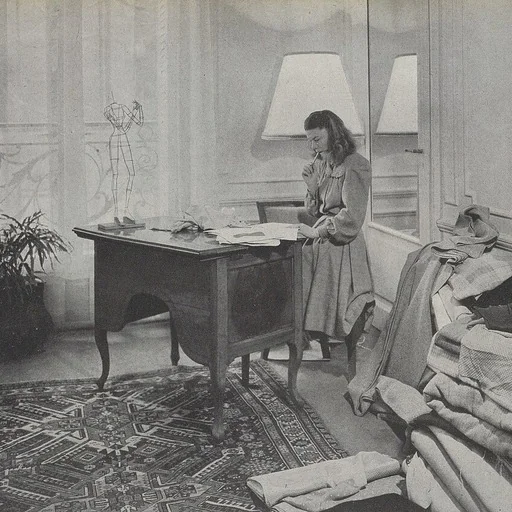
Marie-Louise Carven (31 August 1909 – 8 June 2015), born Carmen de Tommaso, was a French fashion designer who founded the house of Carven in 1945.
Museum
Palais Galliera - Musée de la Mode de la Ville de Paris
Continue through works from the same source collection.
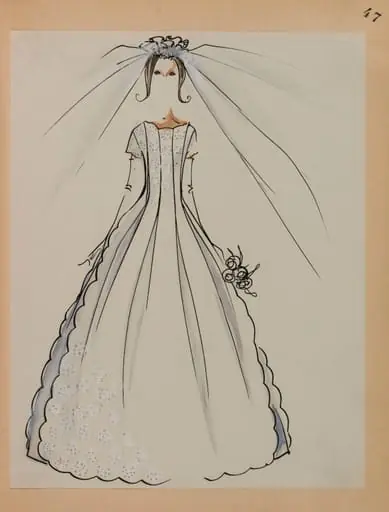 Robe de mariée festonnée et son voile
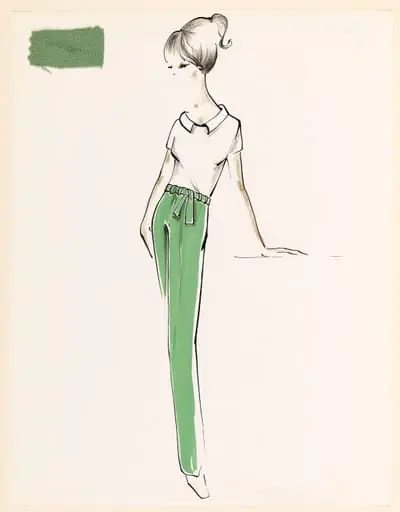 Haut blanc à manches courtes et pantalon vert à ceinture nouée
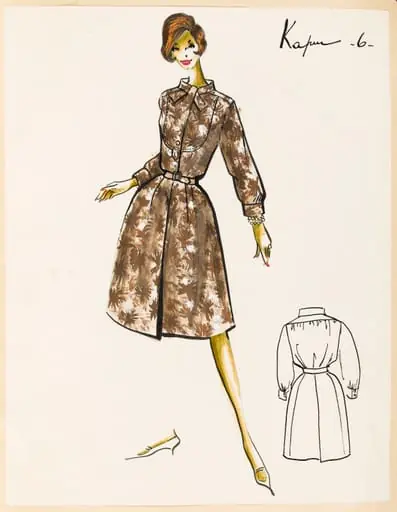 Kapur
Kapur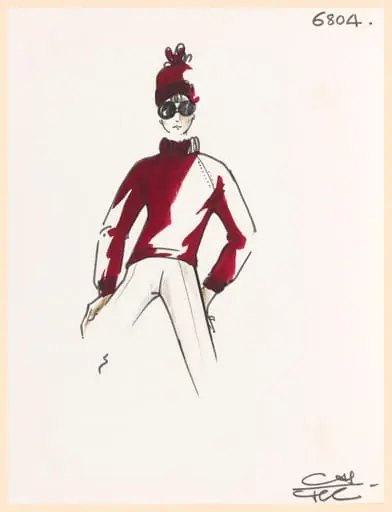 Pull-over à manches longues pourpre, bonnet assorti, pantalon et lunettes de soleil
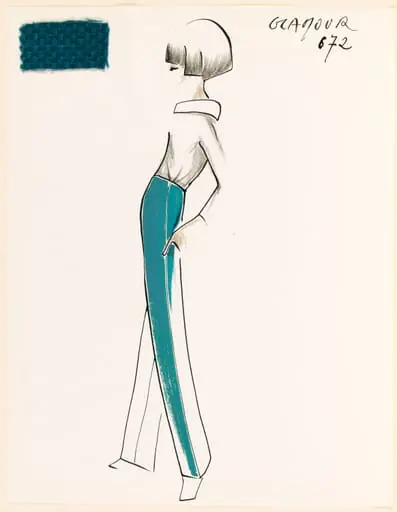 GLAMOUR
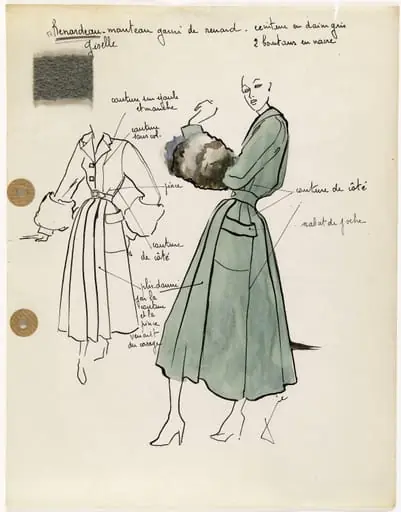 'Renardeau'
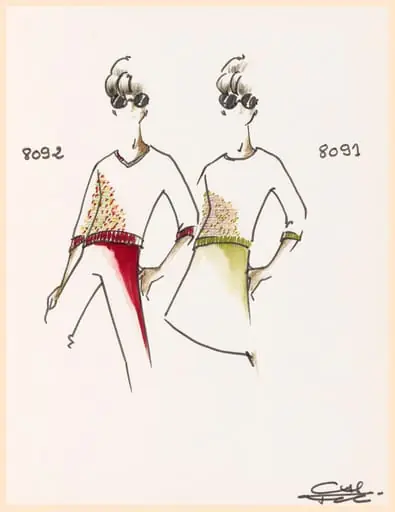 Pull-over à manches trois quarts et à encolure V à motifs multicolores, pantalon cerise et lunettes de soleil
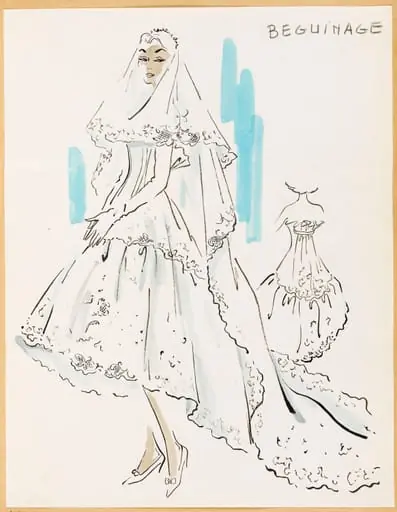 Béguinage