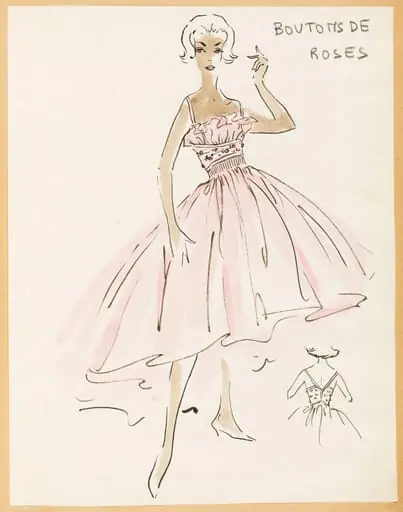
Artwork
Robe rose à une bretelle
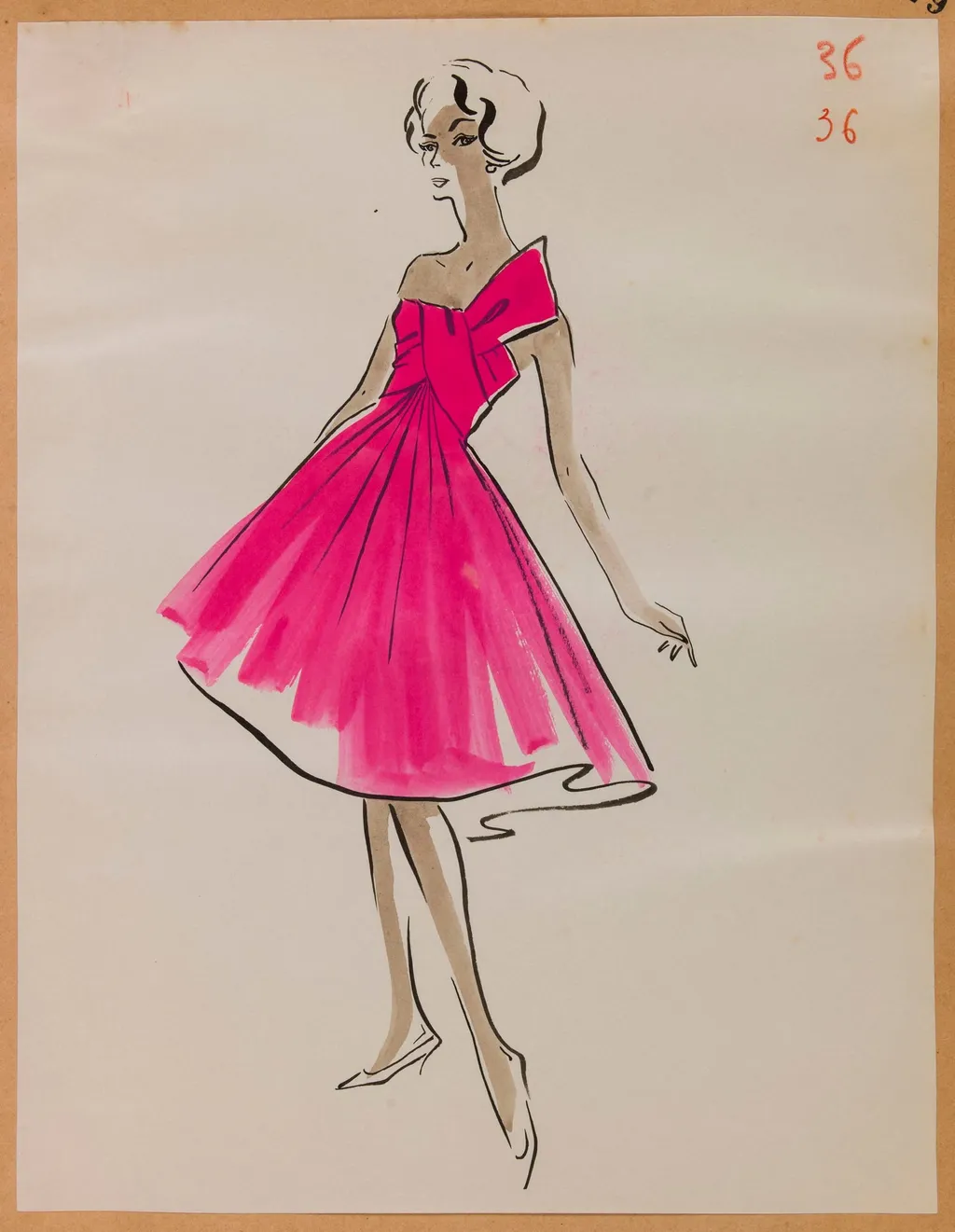
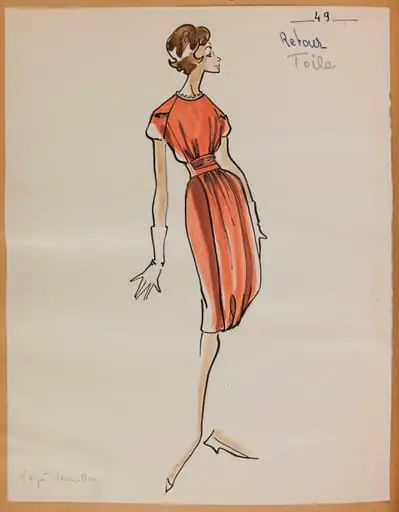
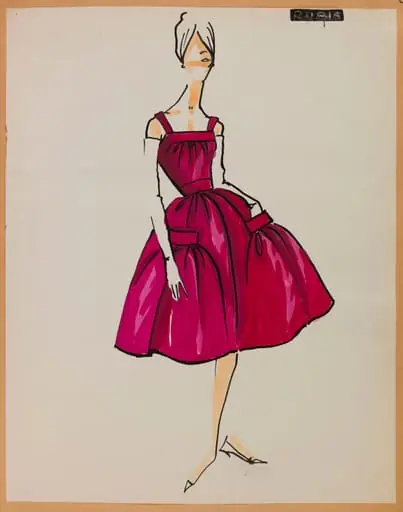
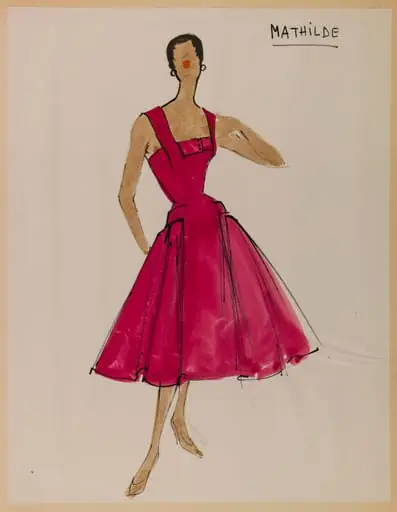
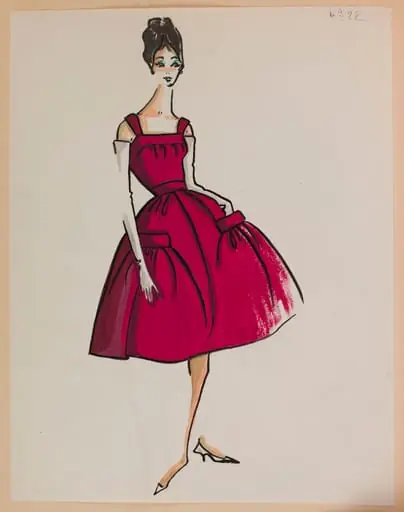
Robe rose à une bretelle is a drawing by Marie-Louise Carven. It dates from 1957 and is held in the collection of the Palais Galliera - Musée de la Mode de la Ville de Paris.
About this work
Overview
Designed for petite figures, it reflects Carven’s shift toward accessible, ready-to-wear fashion.
Created around 1957 by French designer Marie-Louise Carven, this pink gingham dress features a single shoulder strap and a flared skirt, embodying her focus on lightweight, feminine silhouettes. Designed for petite figures, it reflects Carven’s shift toward accessible, ready-to-wear fashion. The garment is part of the Museum of Ethnography’s collection, where it is preserved as an example of mid-century French design that blurred the line between couture and everyday wear.
Subject & Meaning
The dress’s single strap subverts traditional expectations of formal attire, suggesting a deliberate playfulness. Its bright pink gingham fabric and airy skirt evoke a sense of movement and ease, aligning with postwar ideals of youthful, carefree femininity. Rather than emphasizing structure, the design prioritizes comfort and spontaneity, reflecting Carven’s broader philosophy of clothing as an extension of personal expression rather than rigid convention.
Technique & Style
Constructed from cotton gingham, the dress uses a lightweight, woven textile to achieve a soft, flowing drape. The single strap reduces bulk at the shoulder while maintaining balance, and the skirt’s fullness is achieved through careful cutting and gathering. The fabric’s small check pattern adds visual rhythm without overwhelming the form, showcasing Carven’s skill in combining simplicity with subtle detail.
History & Provenance
Marie-Louise Carven founded her fashion house in 1945 and was among the first French designers to embrace prêt-à-porter. This dress, likely produced in the late 1950s, represents her transition from haute couture to more commercially viable designs. It entered the Museum of Ethnography’s collection as part of a broader effort to document everyday fashion as cultural artifact, rather than solely elite attire.
Context
In postwar France, fashion was redefining gender and social norms. Carven’s designs responded to women’s increasing participation in public life, offering garments that were both elegant and practical. The single-strap dress aligned with emerging trends favoring informality and mobility, contrasting with the structured silhouettes of earlier decades and reflecting a cultural shift toward relaxed, modern aesthetics.
Legacy
Carven’s innovations in ready-to-wear and her emphasis on fit for petite figures influenced later designers seeking to democratize fashion. The single-strap dress remains a quiet but significant example of how small design choices—like a strap or a checkered fabric—could challenge norms and expand the language of women’s clothing beyond traditional forms.
Artist & collection
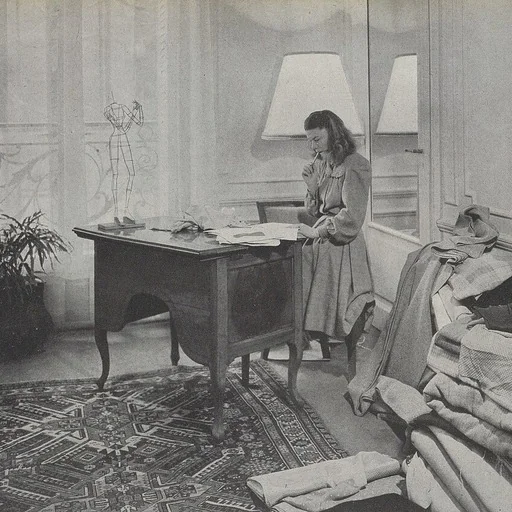
Artist
Marie-Louise Carven (31 August 1909 – 8 June 2015), born Carmen de Tommaso, was a French fashion designer who founded the house of Carven in 1945.
Museum
Palais Galliera - Musée de la Mode de la Ville de Paris
Continue through works from the same source collection.
 Robe de mariée festonnée et son voile
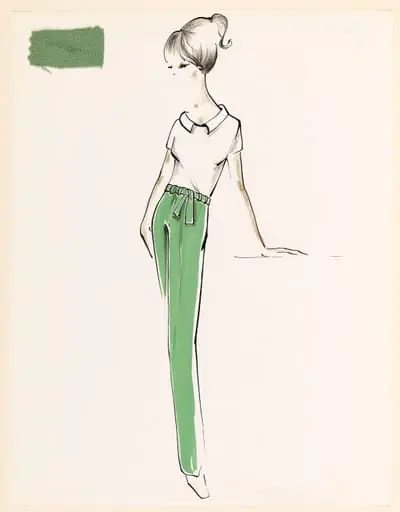 Haut blanc à manches courtes et pantalon vert à ceinture nouée
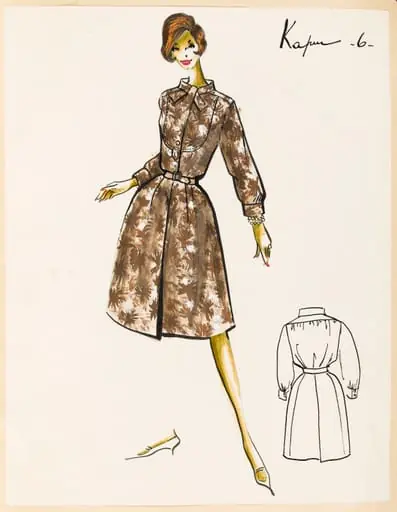 Kapur
Kapur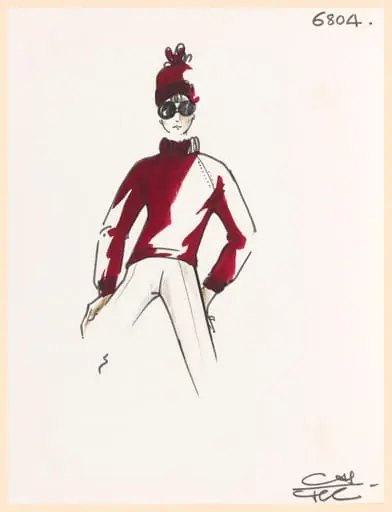 Pull-over à manches longues pourpre, bonnet assorti, pantalon et lunettes de soleil
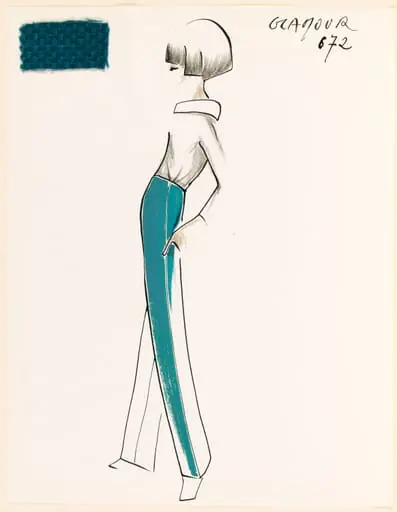 GLAMOUR
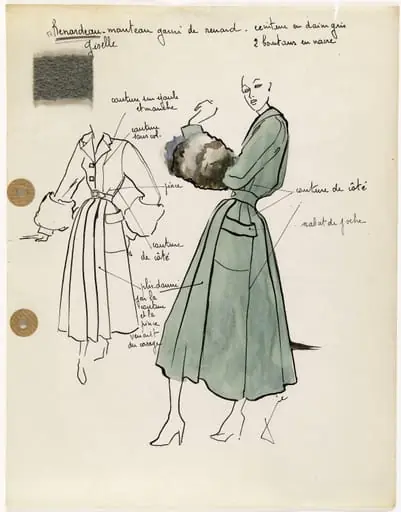 'Renardeau'
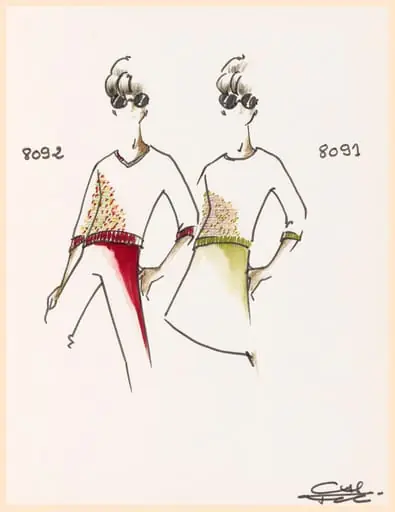 Pull-over à manches trois quarts et à encolure V à motifs multicolores, pantalon cerise et lunettes de soleil
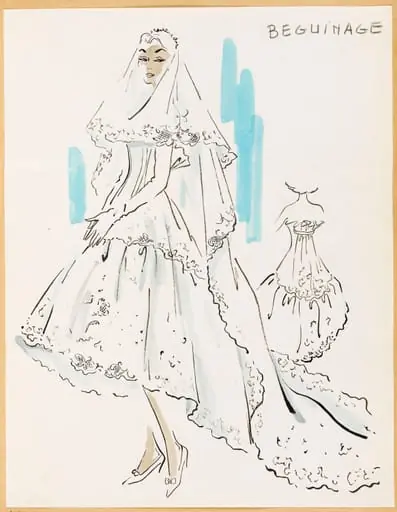 Béguinage