Artwork
Senora
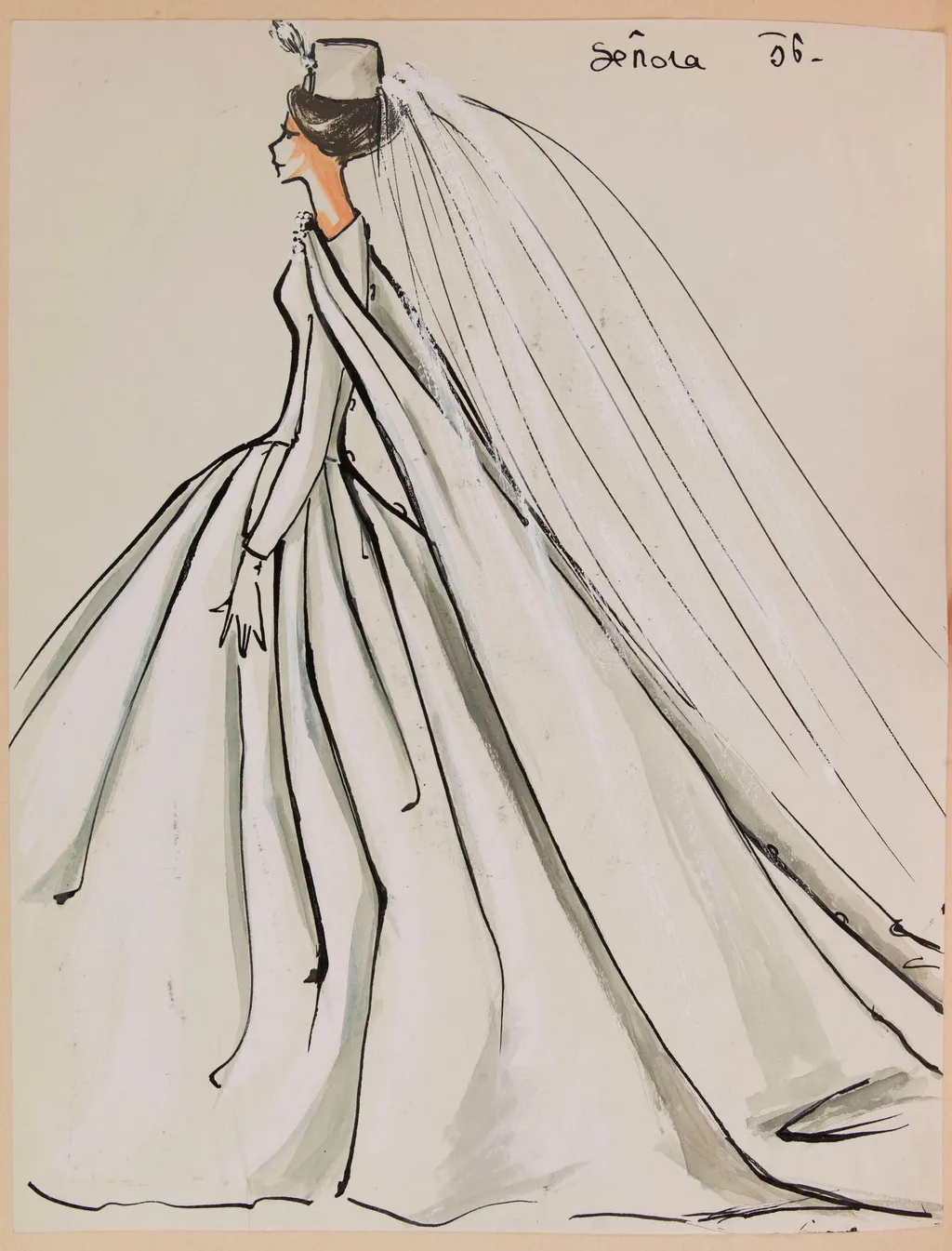
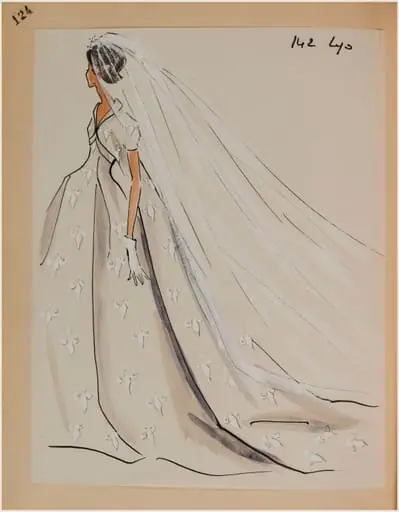
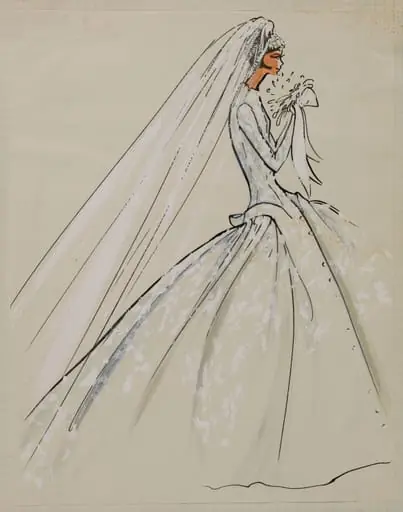
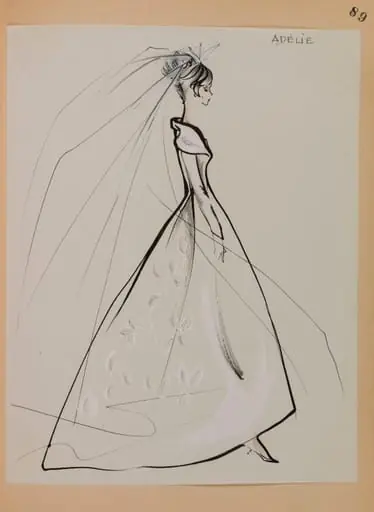
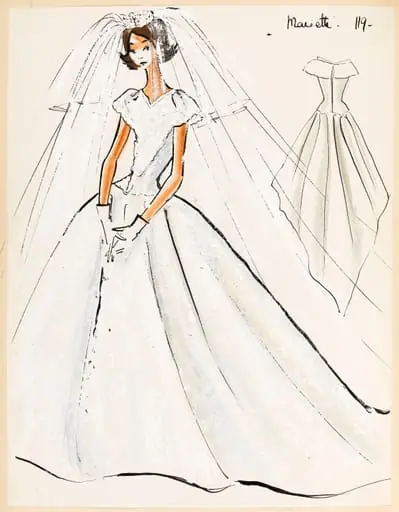
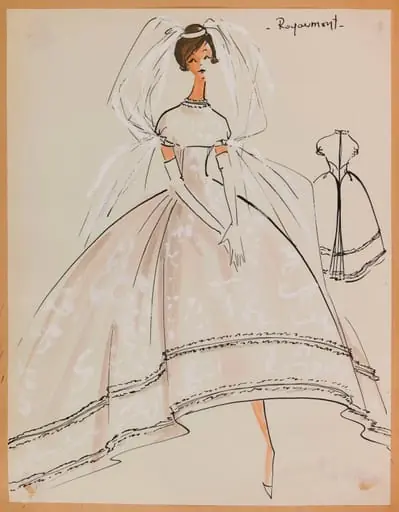
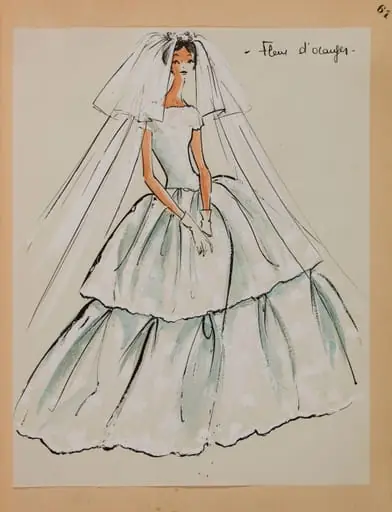
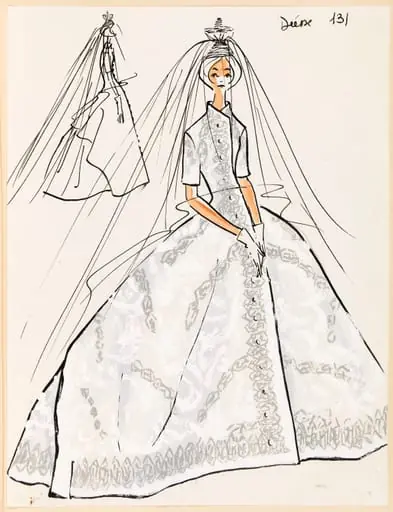
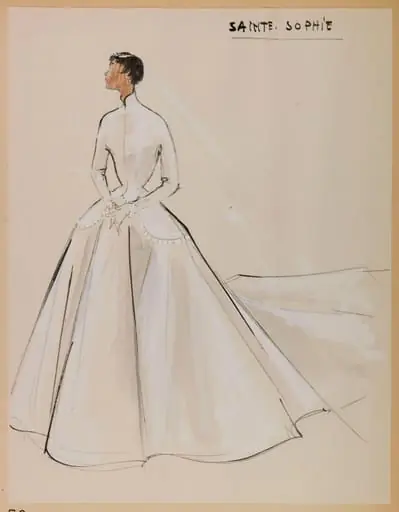
Senora is a drawing by Marie-Louise Carven. It dates from 1958 and is held in the collection of the Palais Galliera - Musée de la Mode de la Ville de Paris.
About this work
Overview
This piece resides in the Museum of Ethnography’s collection, suggesting its cultural resonance beyond fashion circles.
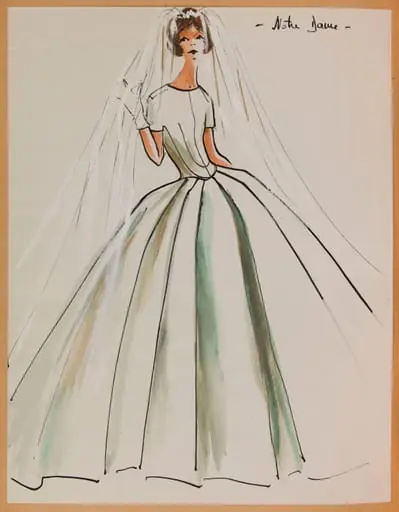
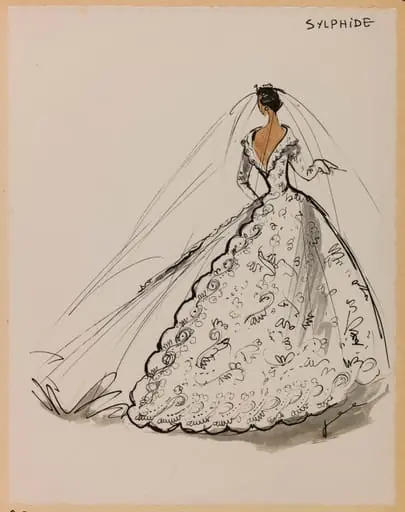
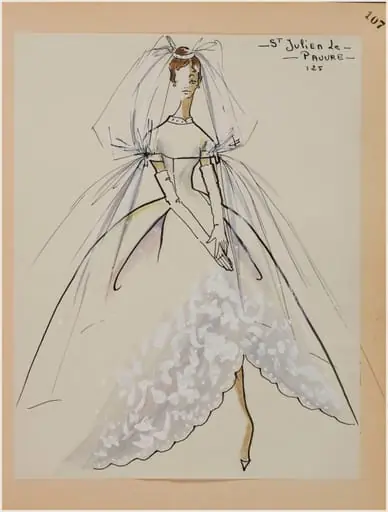
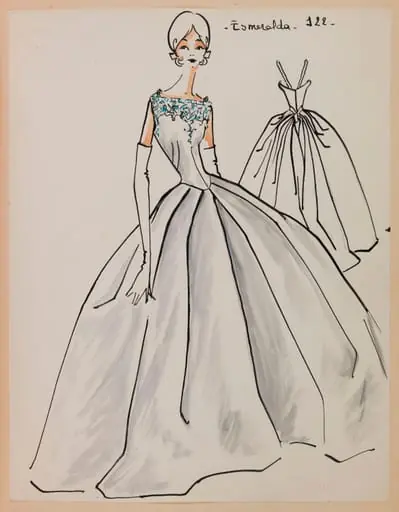
Created around 1958 by French designer Marie-Louise Carven, *Señora* is a drawn portrait of a bride, produced as part of her broader engagement with fashion imagery. Though best known for founding her eponymous couture house in 1945 and pioneering ready-to-wear for petite figures, Carven also produced detailed illustrations to convey the silhouette and spirit of her designs. This piece resides in the Museum of Ethnography’s collection, suggesting its cultural resonance beyond fashion circles.
Subject & Meaning
The subject is a bride depicted in a flowing white gown with long sleeves and a high neckline, her dark hair gathered in an elegant updo and crowned with a long veil that drapes behind her. Her profile, turned slightly left, conveys quiet composure. The image avoids theatricality, instead emphasizing grace and restraint. It reflects mid-century ideals of feminine poise, possibly intended as a stylized representation of bridal attire suitable for a modern, understated ceremony.
Technique & Style
Rendered in fine black ink with delicate tonal shading, the drawing achieves volume through subtle gradations rather than heavy outlines. The lines are precise yet fluid, suggesting the weight and movement of fabric without literal detail. The veil and gown flow with implied motion, while the absence of background focuses attention on the figure’s form. This restrained technique aligns with Carven’s aesthetic of elegance through simplicity.
History & Provenance
The work was produced during Carven’s active years as a designer, likely as a preparatory or promotional illustration for a bridal collection. It entered the Museum of Ethnography’s holdings at some point after its creation, possibly through donation or acquisition aimed at documenting 20th-century fashion as cultural artifact. Its presence in an ethnographic context signals recognition of dress as a marker of social ritual.
Context
In the late 1950s, Parisian fashion was transitioning from haute couture dominance toward accessible ready-to-wear. Carven, among the first to embrace this shift, used illustrations like *Señora* to communicate design intent beyond the runway. The bride’s modest, refined appearance reflects postwar values of understated luxury, contrasting with the more ornate styles of earlier decades and aligning with a growing preference for wearable elegance.
Legacy
*Señora* endures as a quiet testament to Carven’s ability to merge artistic draftsmanship with commercial design. While not widely exhibited, its preservation in an ethnographic museum underscores its role in documenting how fashion articulated social norms around gender and ceremony. The drawing remains a representative example of mid-century French design sensibility, valued for its clarity and restraint.
Artist & collection
Artist
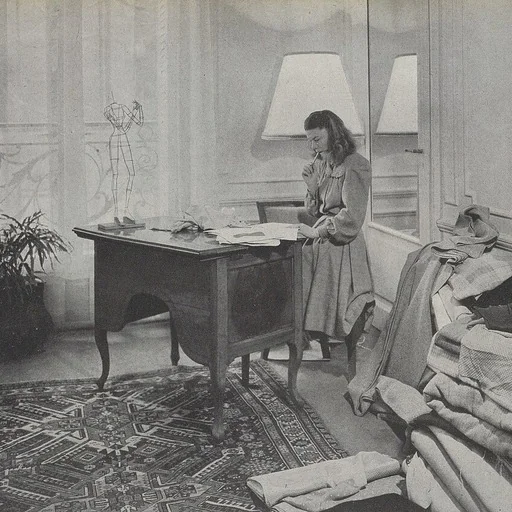
Marie-Louise Carven (31 August 1909 – 8 June 2015), born Carmen de Tommaso, was a French fashion designer who founded the house of Carven in 1945.
Museum
Palais Galliera - Musée de la Mode de la Ville de Paris
Continue through works from the same source collection.
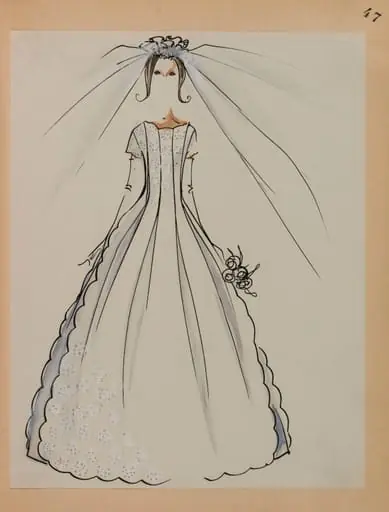 Robe de mariée festonnée et son voile
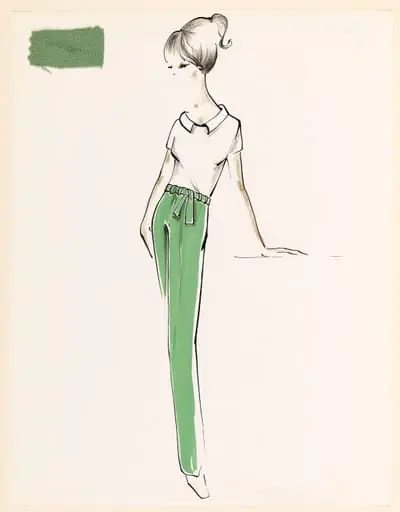 Haut blanc à manches courtes et pantalon vert à ceinture nouée
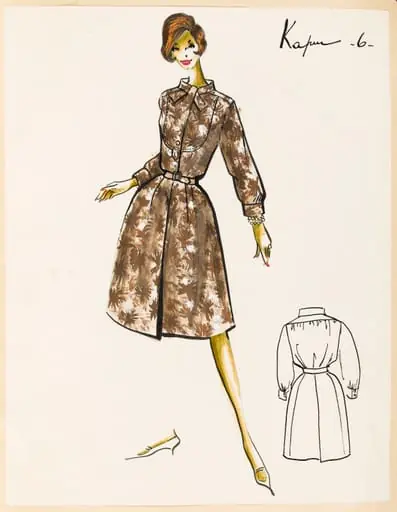 Kapur
Kapur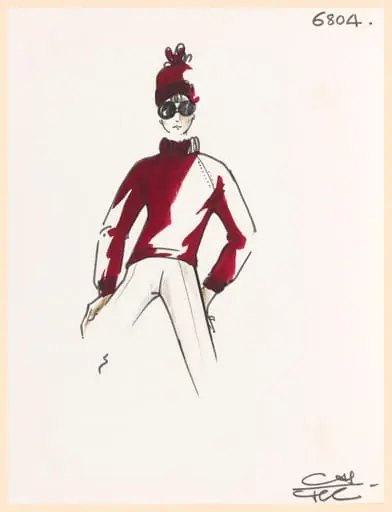 Pull-over à manches longues pourpre, bonnet assorti, pantalon et lunettes de soleil
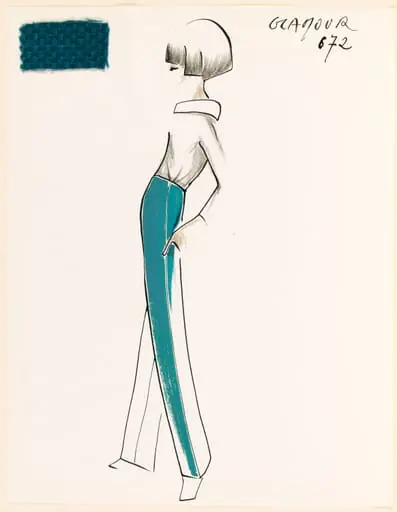 GLAMOUR
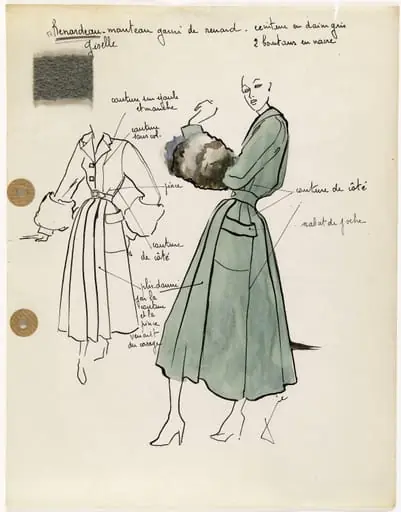 'Renardeau'
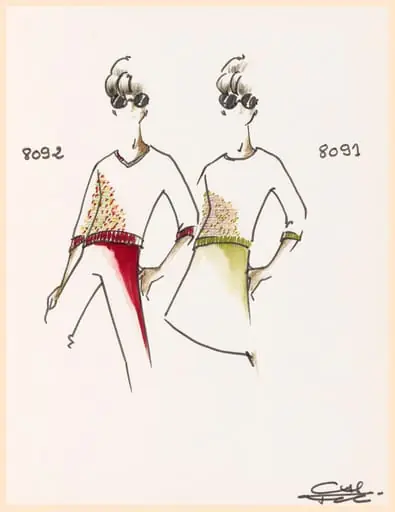 Pull-over à manches trois quarts et à encolure V à motifs multicolores, pantalon cerise et lunettes de soleil
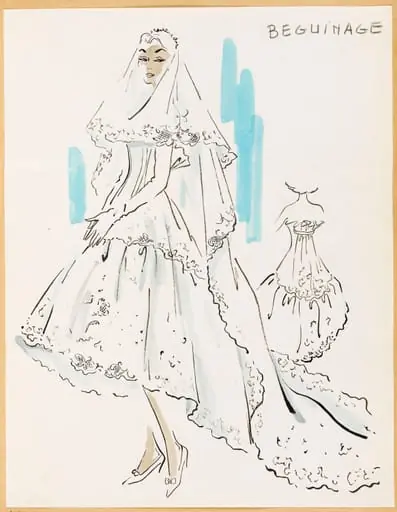 Béguinage