Artwork
Portrait of Antoni Tyszkiewicz (1709–1762), Leliwa coat of arms, bishop of Samogitia
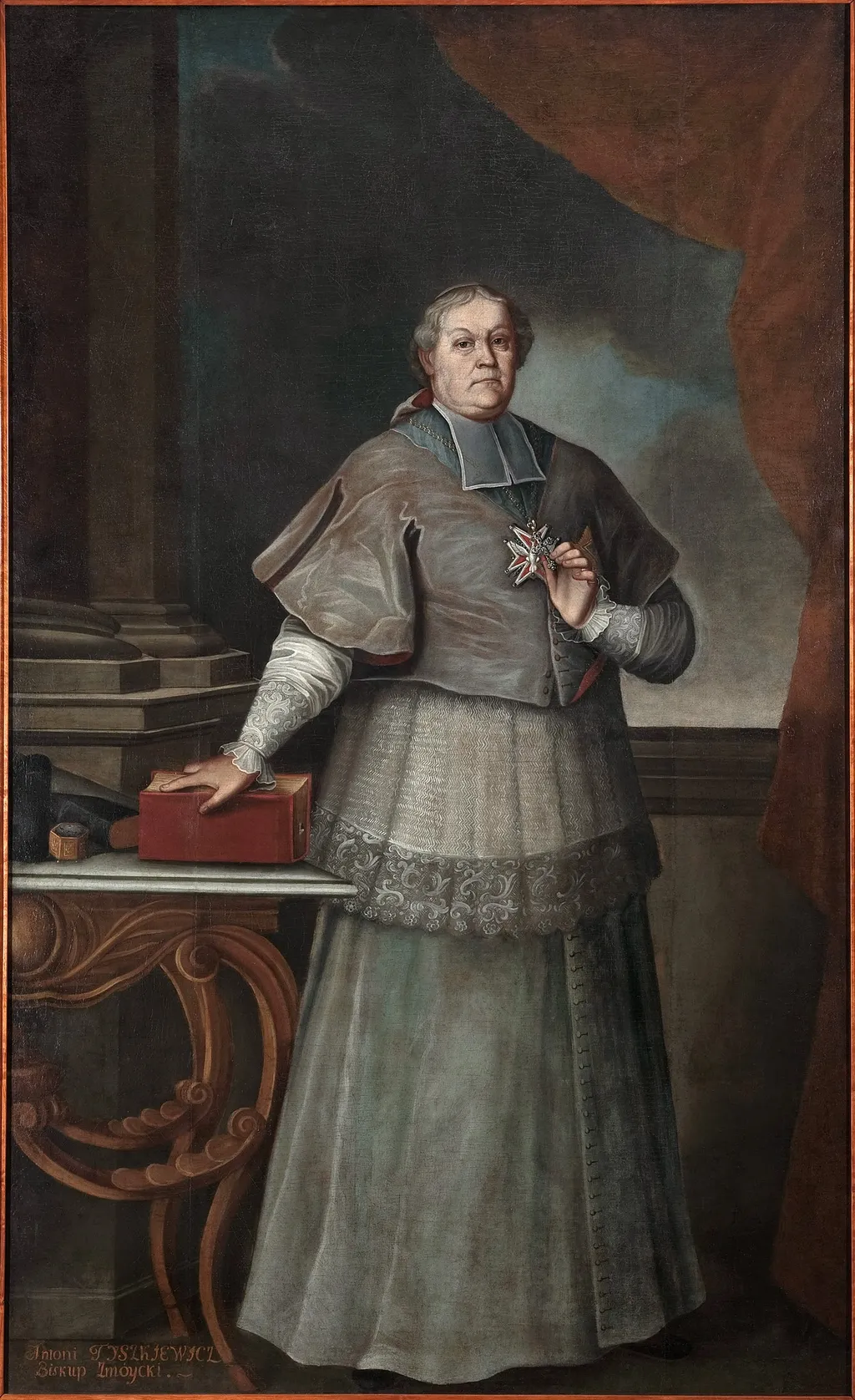
Portrait of Antoni Tyszkiewicz (1709–1762), Leliwa coat of arms, bishop of Samogitia is an oil painting by the Neoclassicist artist Unknown. It dates from 1797 and is held in the collection of the National Museum in Warsaw. This oil painting depicts Antoni Tyszkiewicz, bishop of Samogitia, rendered in a formal, restrained composition.
About this work
Overview
This oil painting depicts Antoni Tyszkiewicz, bishop of Samogitia, rendered in a formal, restrained composition.
This oil painting depicts Antoni Tyszkiewicz, bishop of Samogitia, rendered in a formal, restrained composition. He is shown standing beside a wooden desk, dressed in a dark robe with white lace cuffs and a star-shaped emblem on his chest, signaling his ecclesiastical and noble status. The background is dimly lit, with faint outlines of bookshelves suggesting scholarly association. The lighting emphasizes his face and hands, drawing attention to his expression and the object he holds.
Subject & Meaning
Tyszkiewicz is portrayed as both a church leader and a member of the Polish-Lithuanian nobility, his attire blending clerical and aristocratic elements. The Leliwa coat of arms on his chest confirms his lineage, while the star-shaped pin likely denotes membership in a chivalric order. The small object in his hand—possibly a reliquary or document—hints at his administrative or spiritual duties. The setting implies a space of study and authority, reinforcing his dual role in church and state.
Technique & Style
The artist employs chiaroscuro to model the bishop’s form with subtle gradations of light and shadow, enhancing volume without dramatic contrast. The dark background isolates the figure, focusing attention on his face and hands. Textures are rendered with precision: the sheen of fabric, the grain of wood, and the delicate lace of the cuffs. Brushwork is controlled and refined, avoiding overt flourish in favor of dignified realism.
History & Provenance
Commissioned during Tyszkiewicz’s tenure as bishop of Samogitia in the mid-18th century, the portrait likely served to affirm his status within the ecclesiastical hierarchy and noble circles of the Polish-Lithuanian Commonwealth. It remained in family or diocesan collections until entering public ownership, though specific provenance details prior to modern cataloging remain limited.
Context
In the 18th century, bishops in the Polish-Lithuanian Commonwealth often held significant political influence alongside their religious roles. Portraits like this one were tools of identity, merging ecclesiastical authority with noble heritage. The inclusion of heraldic symbols and scholarly elements reflected the interconnectedness of church, aristocracy, and learning in Eastern European elite culture.
Legacy
The portrait stands as a representative example of ecclesiastical portraiture in the Polish-Lithuanian Commonwealth, illustrating how religious figures were visually aligned with noble tradition. Its restrained aesthetic reflects broader trends in 18th-century portraiture that favored dignity over ornamentation. It remains a key visual record of a regional bishop’s public persona during a period of political and cultural transition.
Artist & collection

 Domestic Scene
 Giacomo and Cardinal Marco, investing Andrea, Abbot of San Zeno, with his Benefice
 The Nymph of Fontainebleau
 Portrait of a Woman
 Madonna and Child with Saints in the Enclosed Garden
 Venus and Minerva
 Family Group of Four on Sofa
 Wall painting from Room H of the Villa of P. Fannius Synistor at Boscoreale
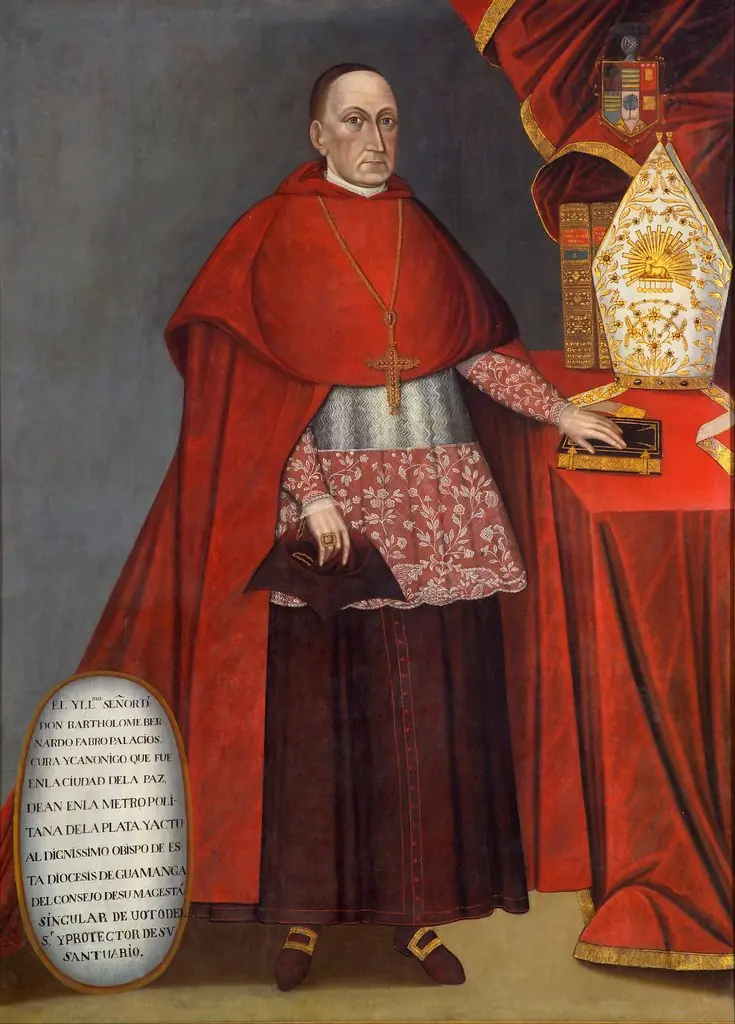 Bartholomew Fabro y Palacios, Bishop of Huamanga
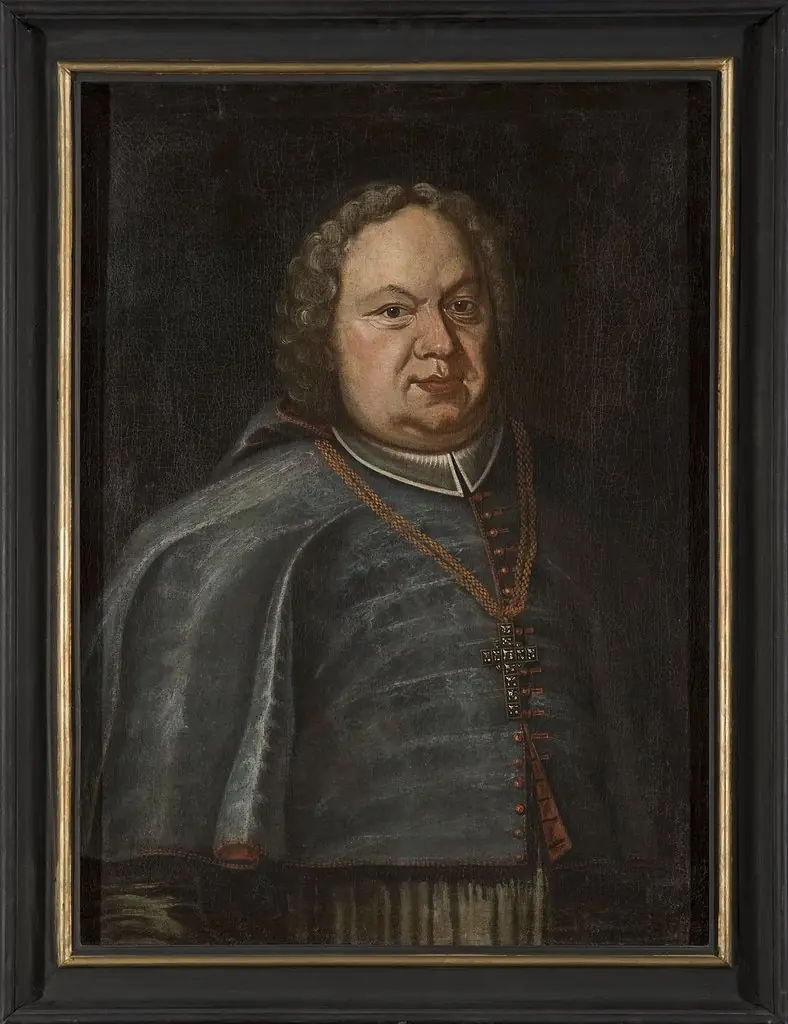 Portrait of Maciej Łubieński /?/ (d. 1652), primate
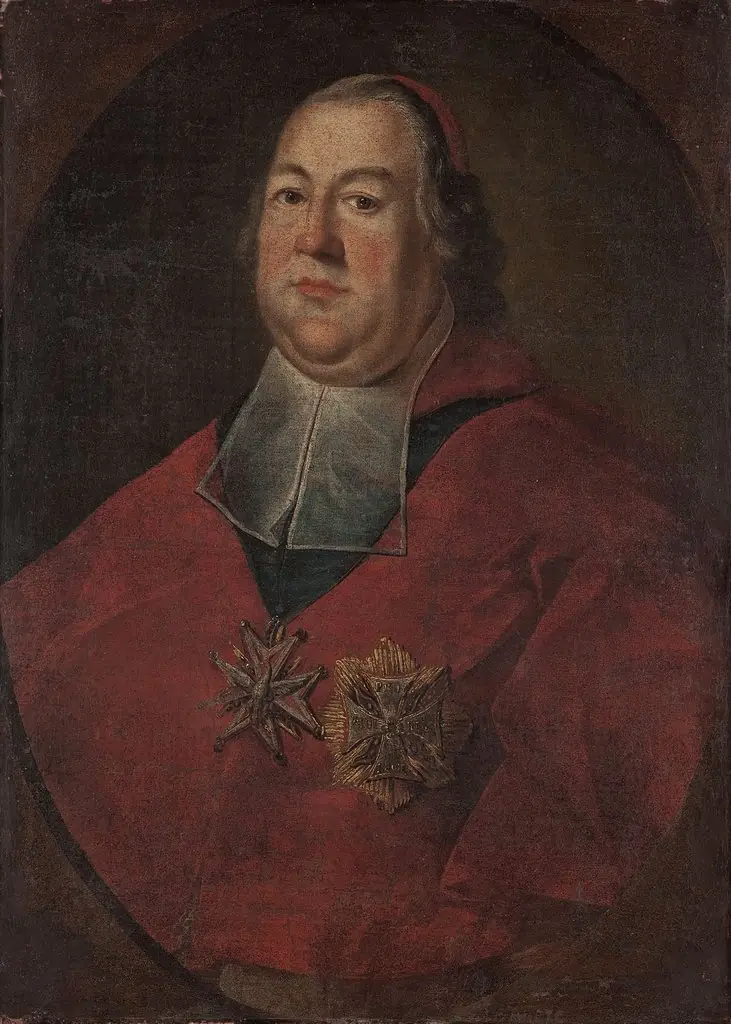 Portrait of Adam Ignacy Komorowski ? (1699–1759), bishop of Livonia, primate from 1748
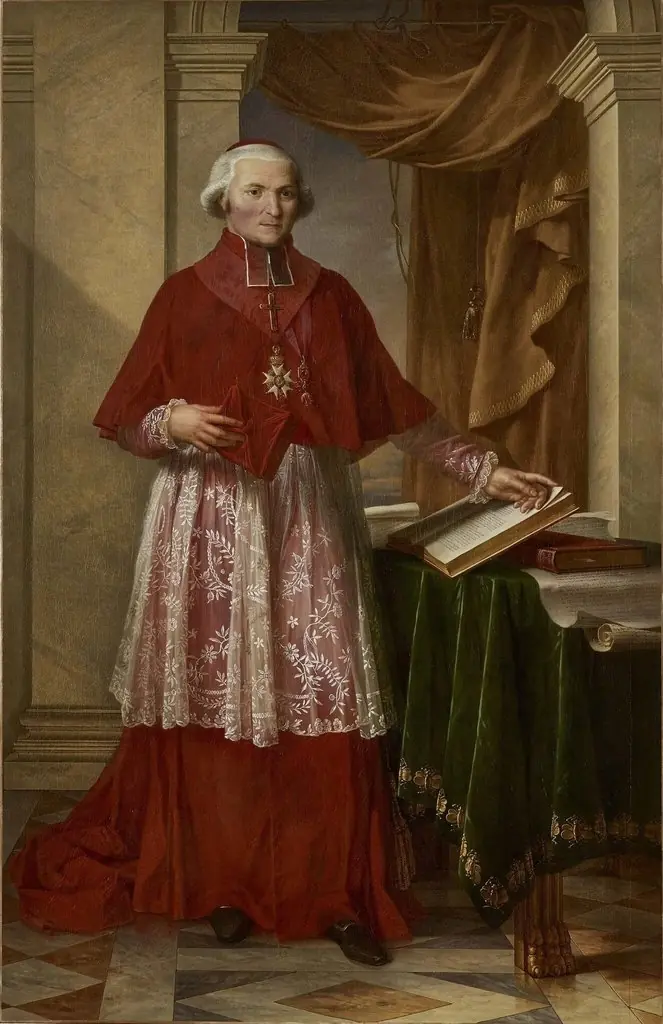 Portrait of Joseph Fesch
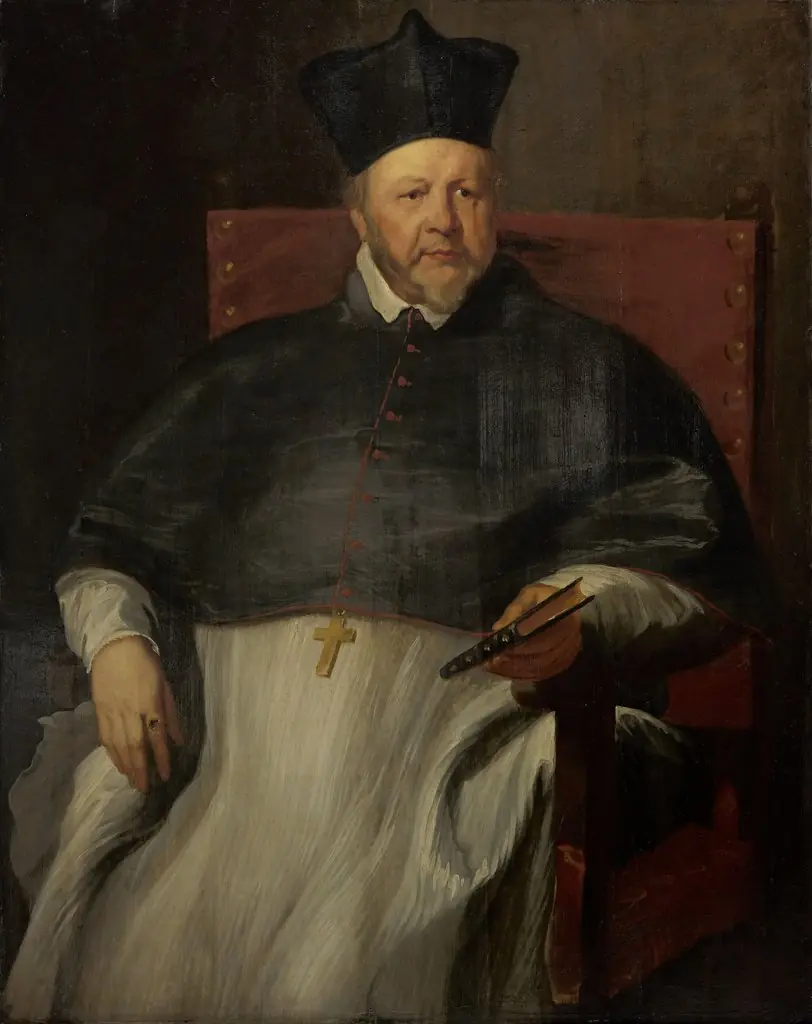 Joannes Malderus, Bishop of Antwerp
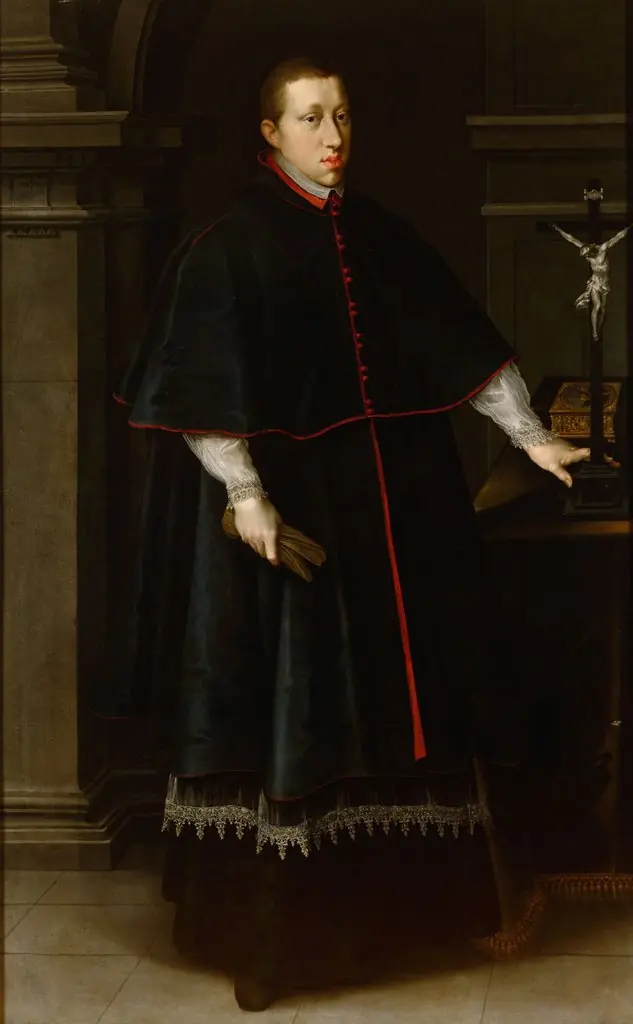 Archduke Leopold V (1586-1632) in the Spiritual Garment
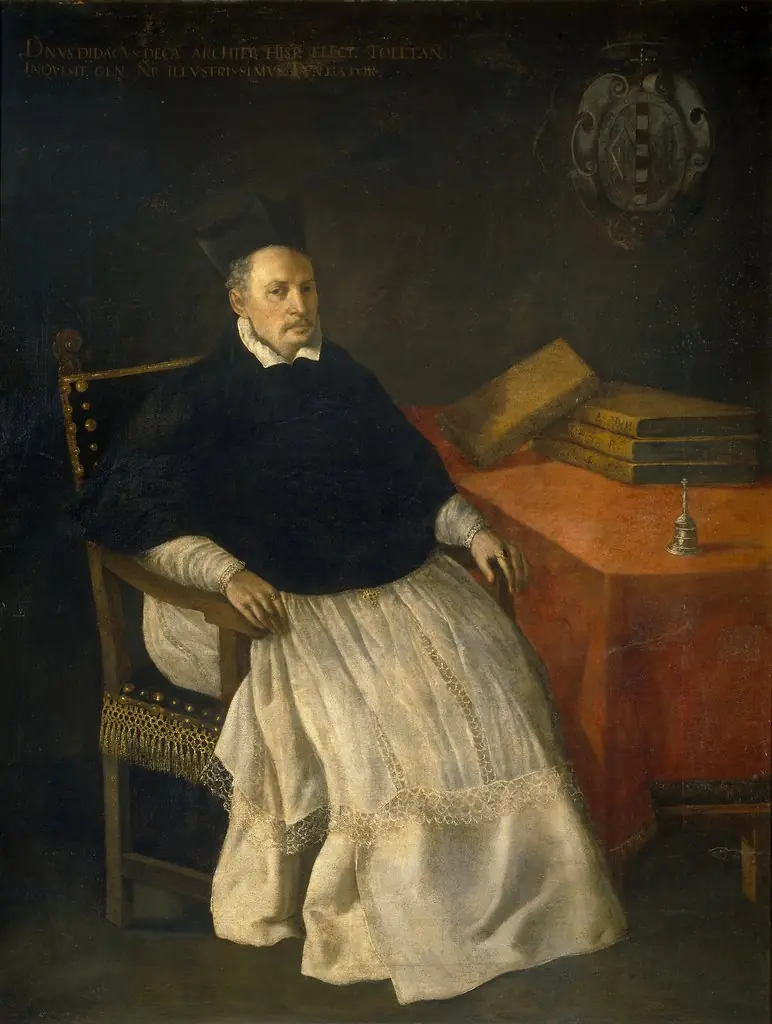 Fray Diego de Deza y Tavera arzobispo de Sevilla
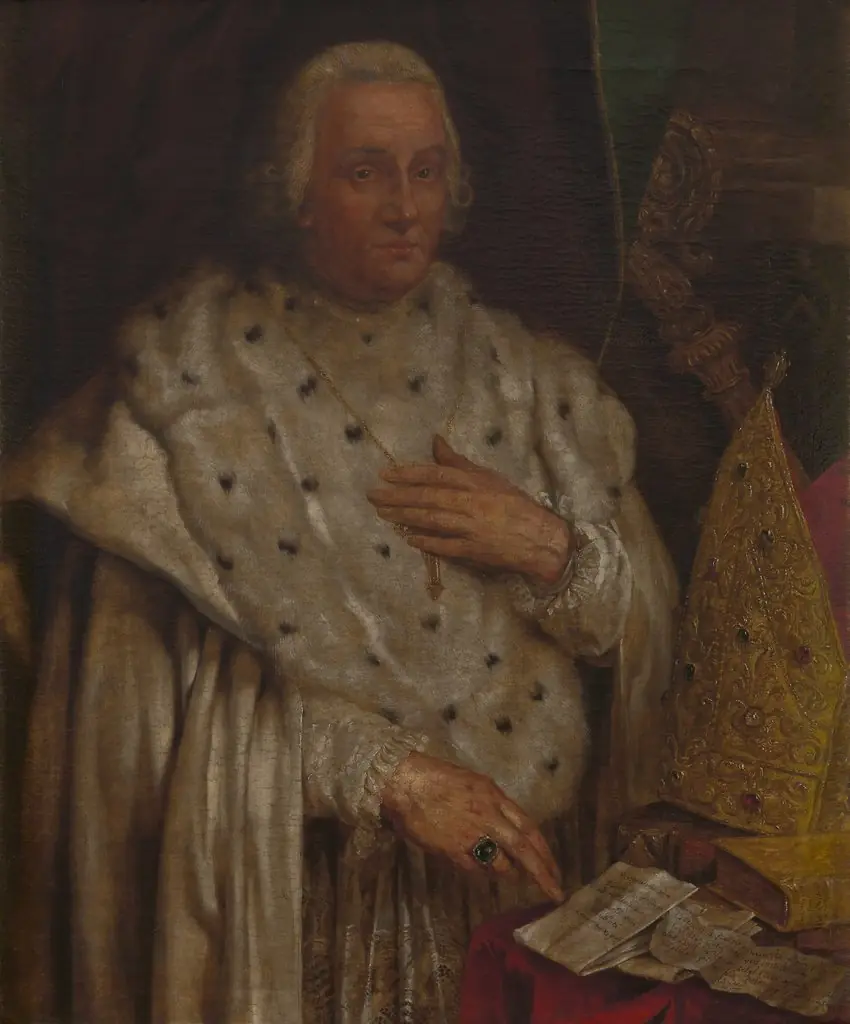 Godefried Hermans, Abbot of Tongerlo
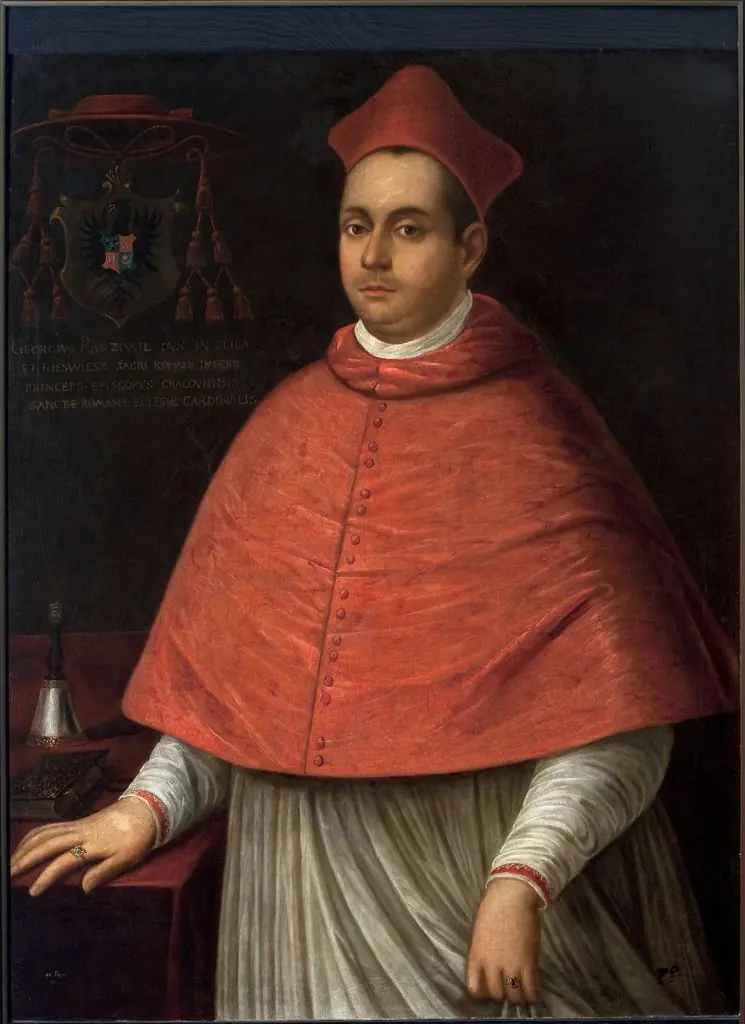 Portrait of Jerzy Radziwiłł (1556–1600), cardinal
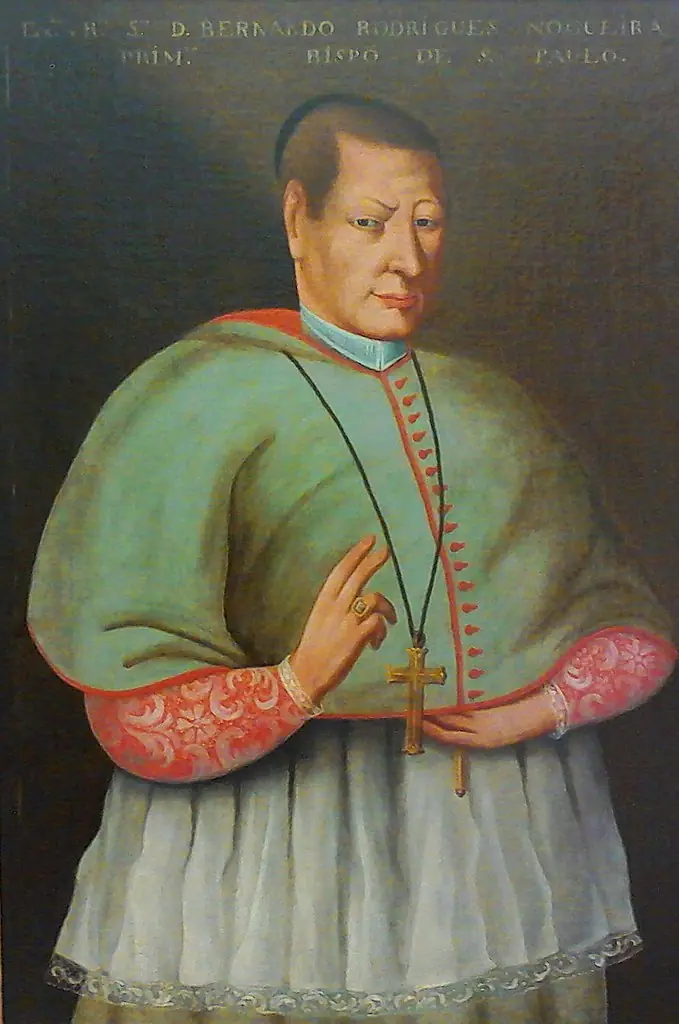 Portrait of Dom Bernardo Rodrigues Nogueira, 1st Bishop of São Paulo