Artwork
Portrait of Joseph Fesch
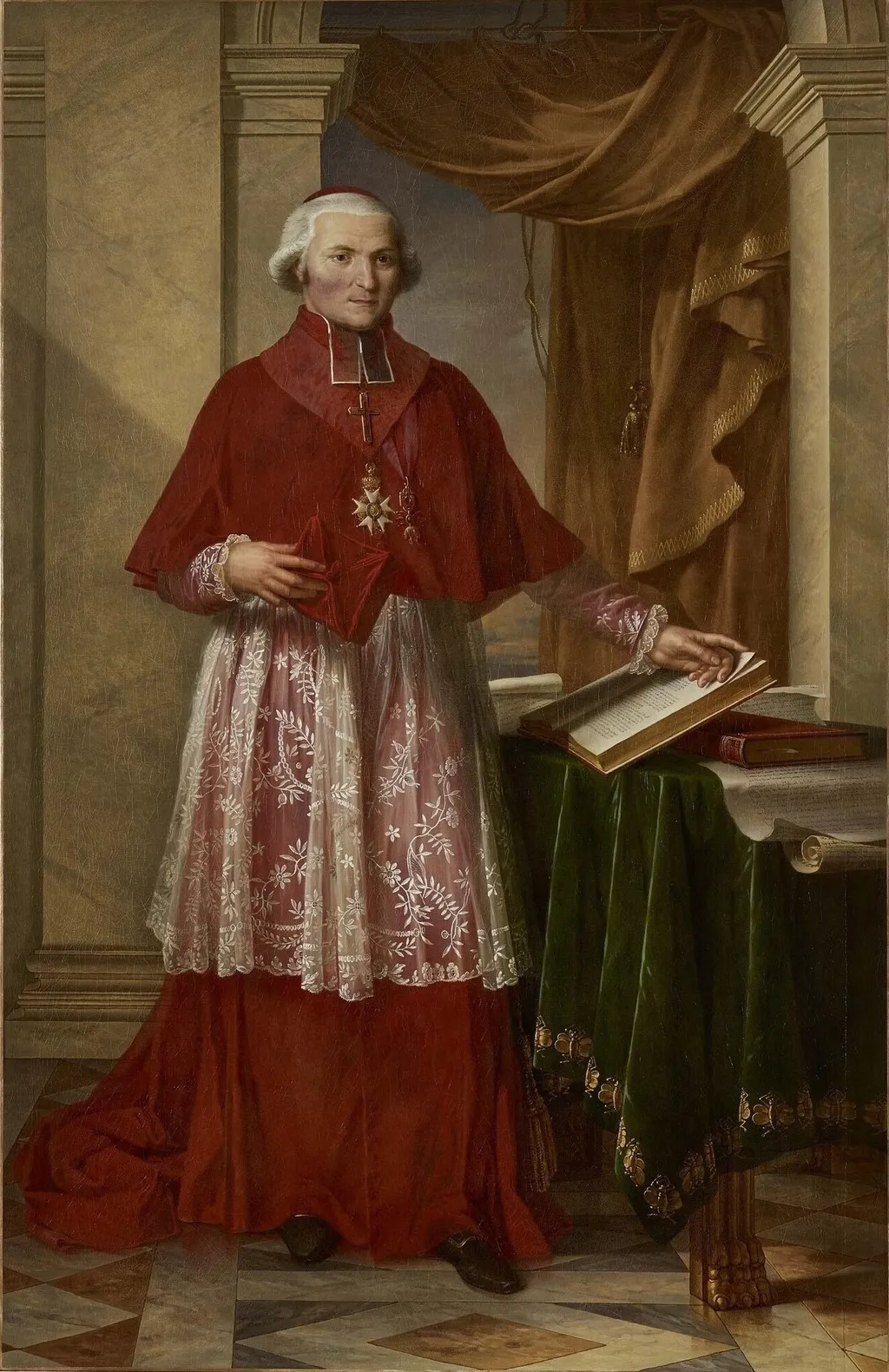
Portrait of Joseph Fesch is an oil painting by the Neoclassicist artist Charles Meynier. It dates from 1806 and is held in the collection of the Museum of the History of France.
About this work
Overview
Charles Meynier’s 1806 oil portrait presents Joseph Fesch, a high‑ranking cleric, in a formal interior. The canvas, now part of the Palace of Versailles collection, exemplifies the neoclassical aesthetic that dominated French painting at the turn of the nineteenth century.
Subject & Meaning
Fesch is shown in a red and white ecclesiastical robe, a crucifix resting on his chest, and a book held in his hands, underscoring his religious office and scholarly pursuits. The composed pose and dignified attire convey authority and piety within a restrained, courtly setting.
Technique & Style
Meynier employs a smooth, polished finish typical of neoclassical portraiture, rendering textures—from the sheen of the fabric to the gleam of the book—with meticulous brushwork. The limited palette and balanced composition reflect the influence of contemporaries such as Jacques‑Louis David, emphasizing clarity and rational order.
History & Provenance
Created during the Napoleonic era, the portrait entered the royal holdings that later formed the Palace of Versailles museum’s collection. Its survival in a public institution ensures continued access to scholars studying the period’s visual culture.
Context
The work appears against a backdrop of a modestly furnished room, featuring a table draped with a green cloth, situating Fesch within a domestic yet official environment. This setting aligns with early‑19th‑century French conventions for depicting clerical figures, blending personal and institutional identity.
Own this work as a print
Artist & collection
Artist
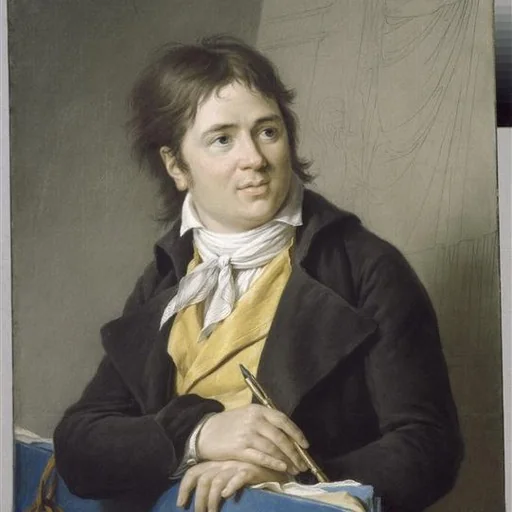
Charles Meynier (1763 or 1768, Paris – 1832, Paris) was a French painter of historical subjects in the late 18th and early 19th century. He was a contemporary of Antoine-Jean Gros and Jacques-Louis David.

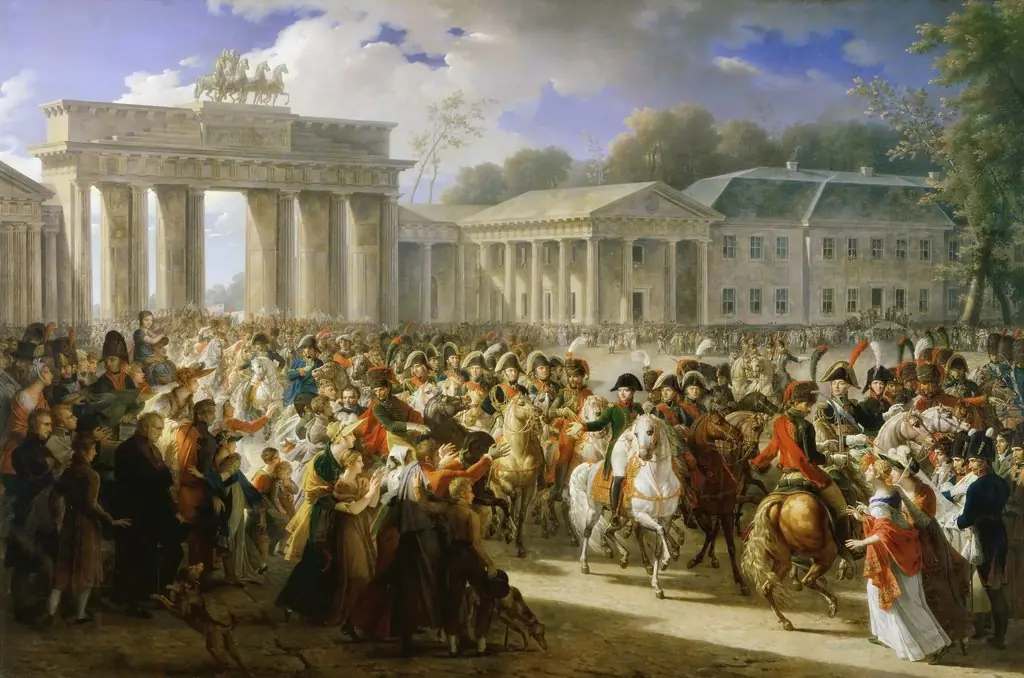 Entry of Napoleon I into Berlin, 27th October 1806
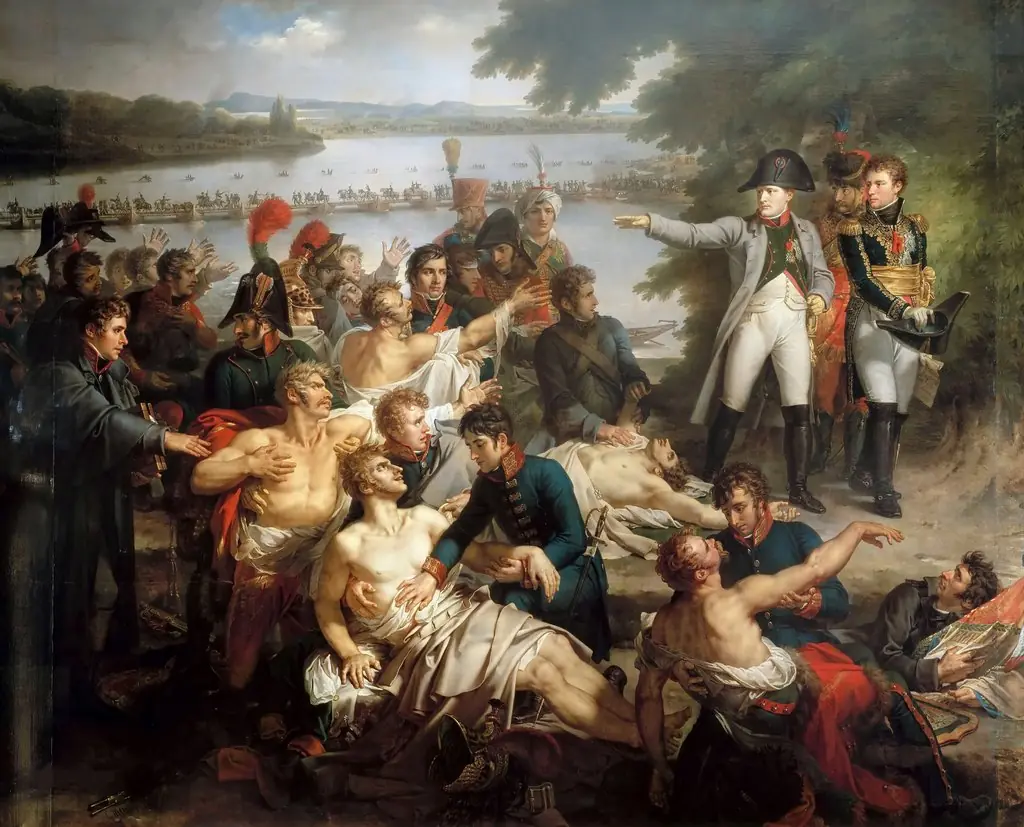 Napoleon's Return to the Island of Lobau After the Battle of Essling
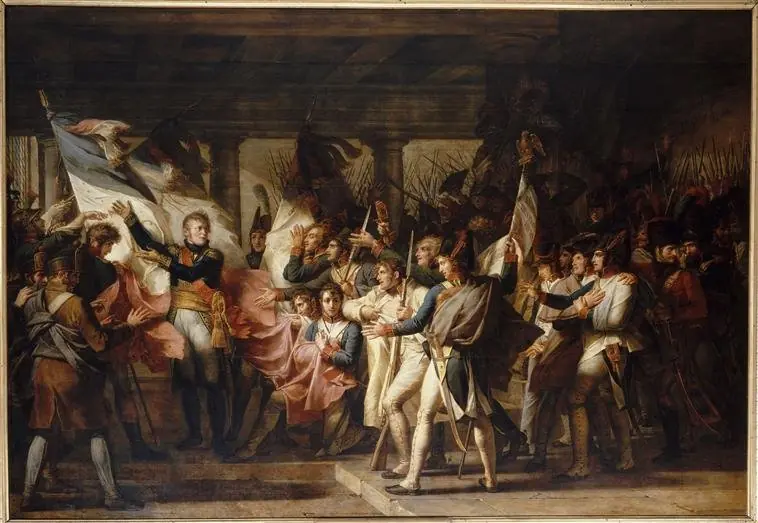 Marshal Ney hands over their flags to the soldiers of the 76th Line Regiment, November 7, 1805
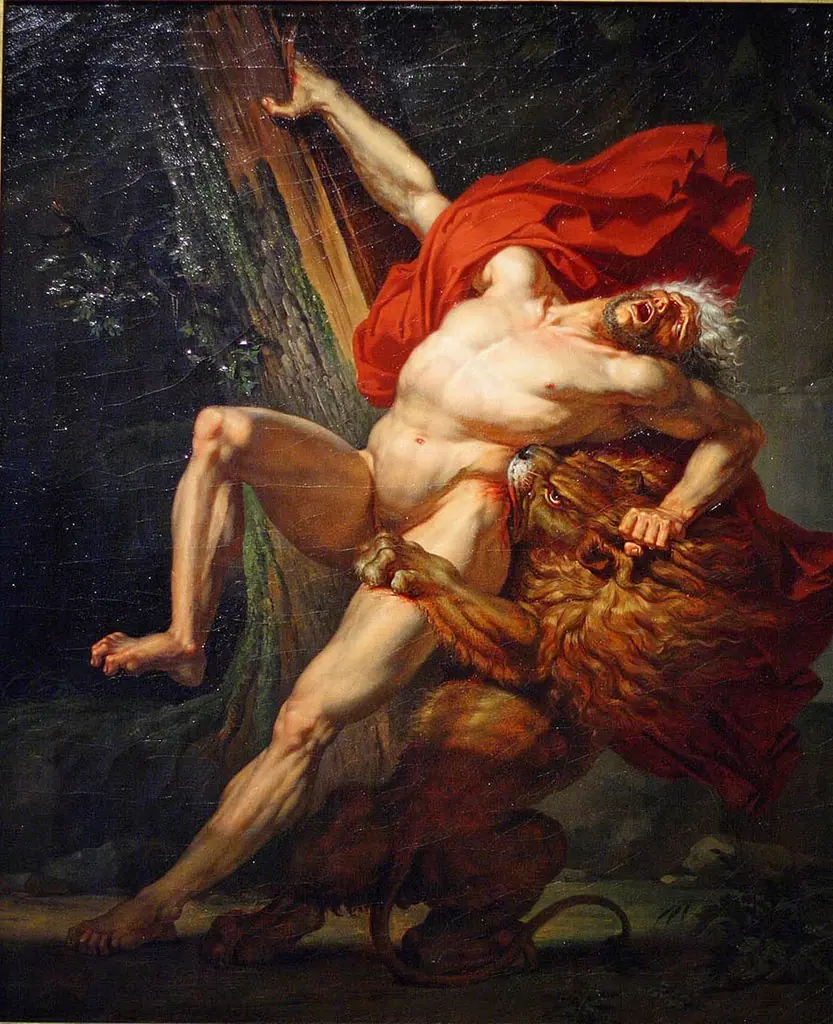 Milo of Croton, Attempting to Test His Strength, Is Caught and Devoured by a Lion
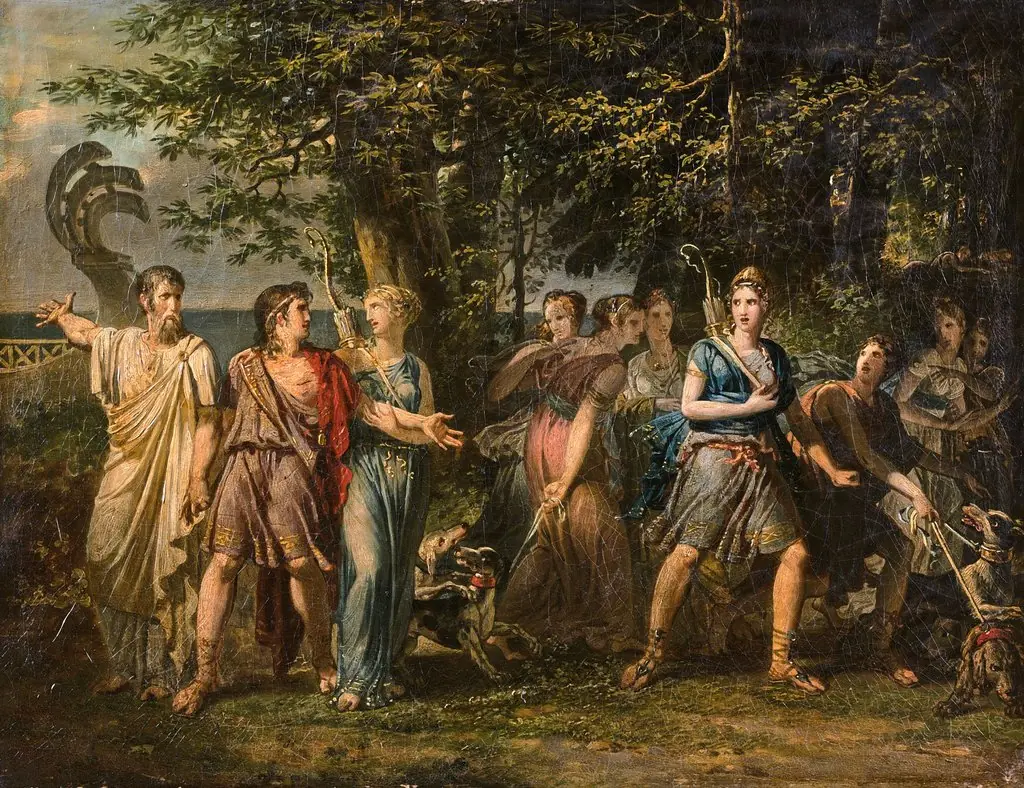 Telemachus, Urged by Mentor, Leaving the Island of Calypso
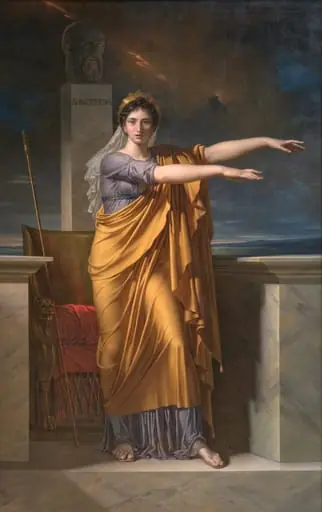 Polyhymnia, Muse of Eloquence
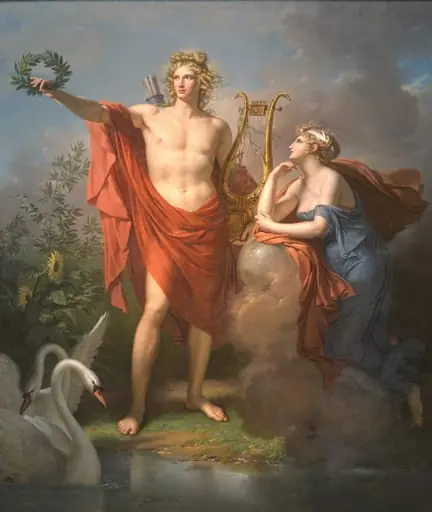 Apollo, God of Light, Eloquence, Poetry, and the Fine Arts with Urania, Muse of Astronomy
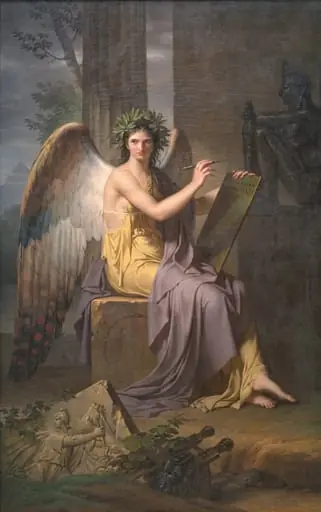 Clio, Muse of History
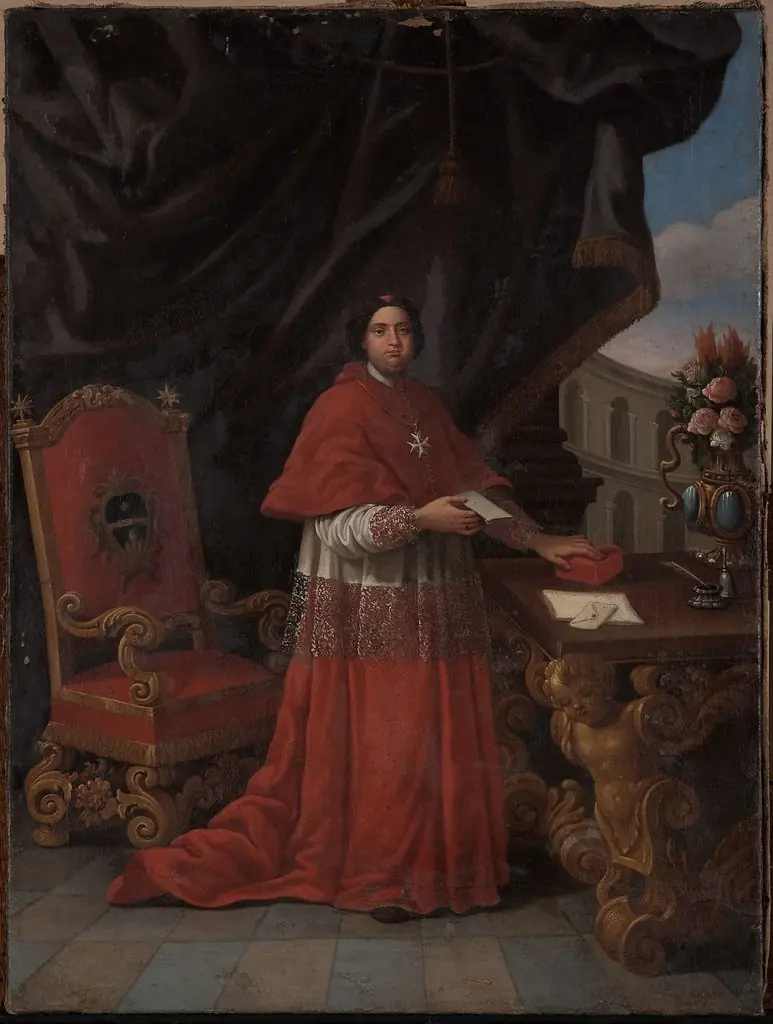 Portrait of a cardinal, Knight of Malta
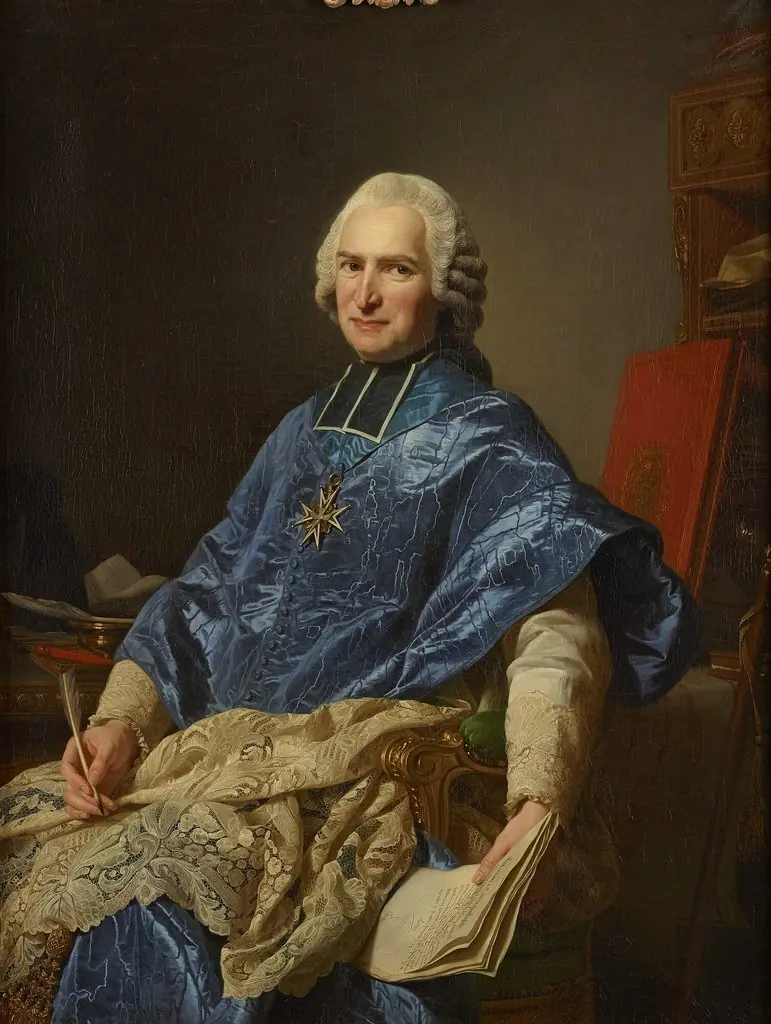 Portrait of Joseph Marie Terray
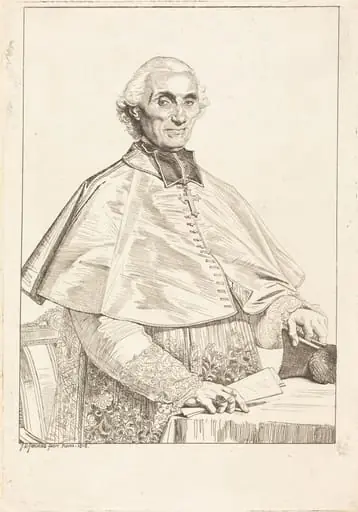 Gabriel Cortois de Pressigny
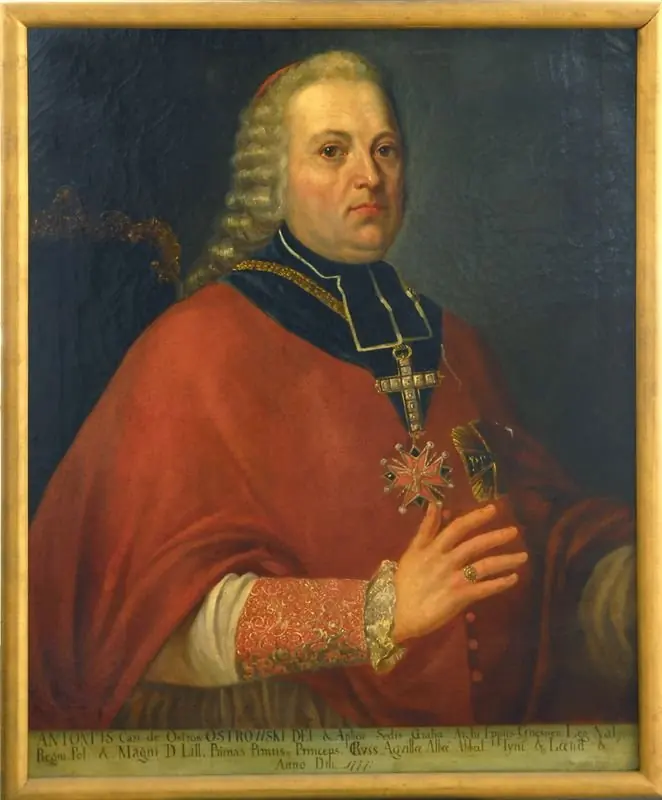 Portrait of Antoni Ostrowski, archbishop of Gniezno
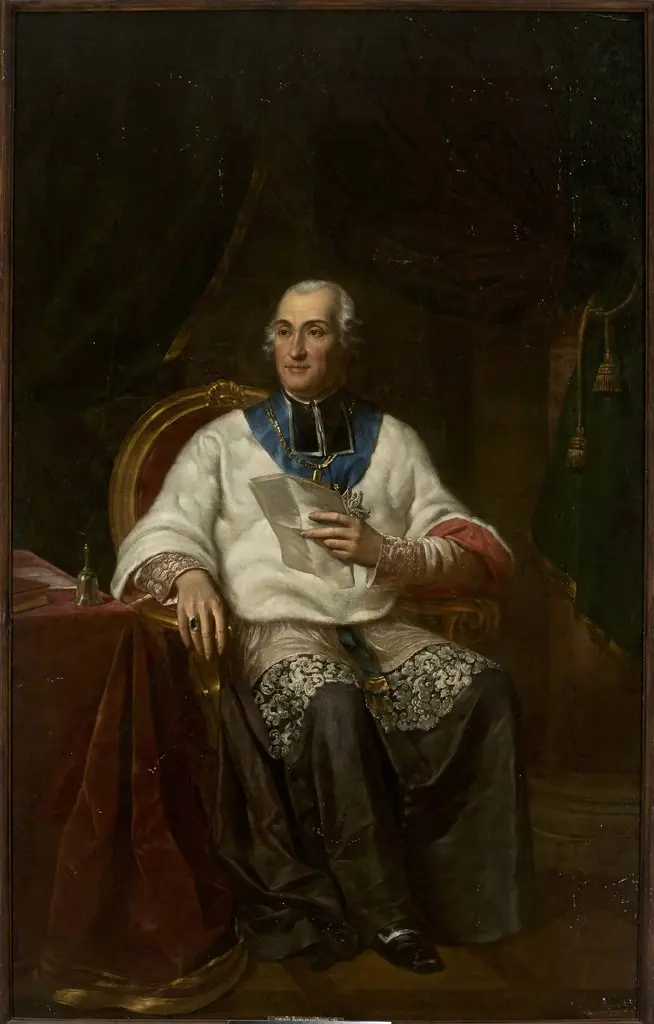 Portrait of Adam Krasiński (1714–1800), bishop of Kamieniec
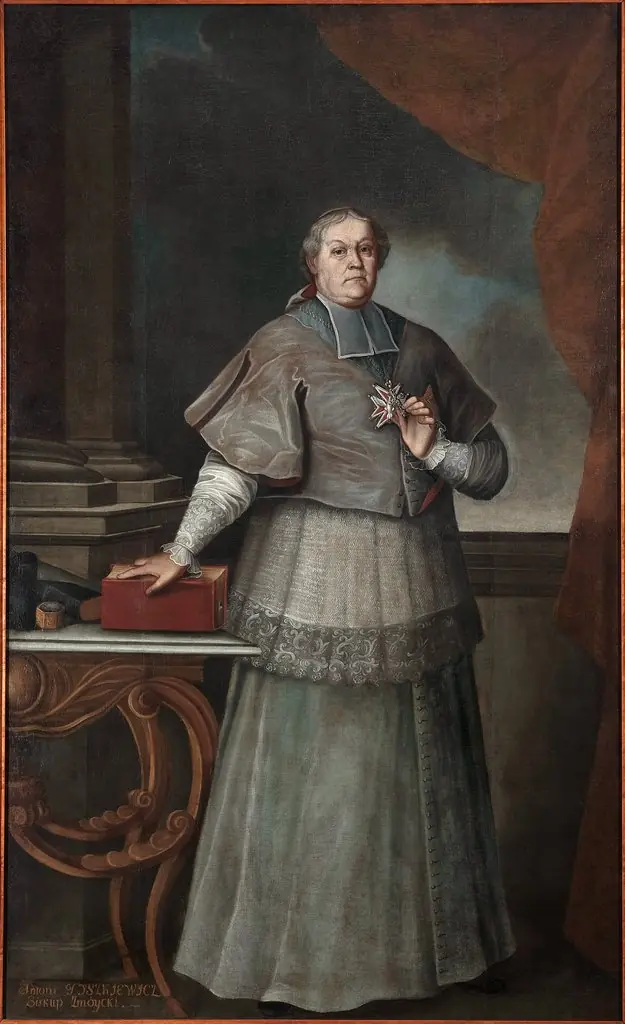 Portrait of Antoni Tyszkiewicz (1709–1762), Leliwa coat of arms, bishop of Samogitia
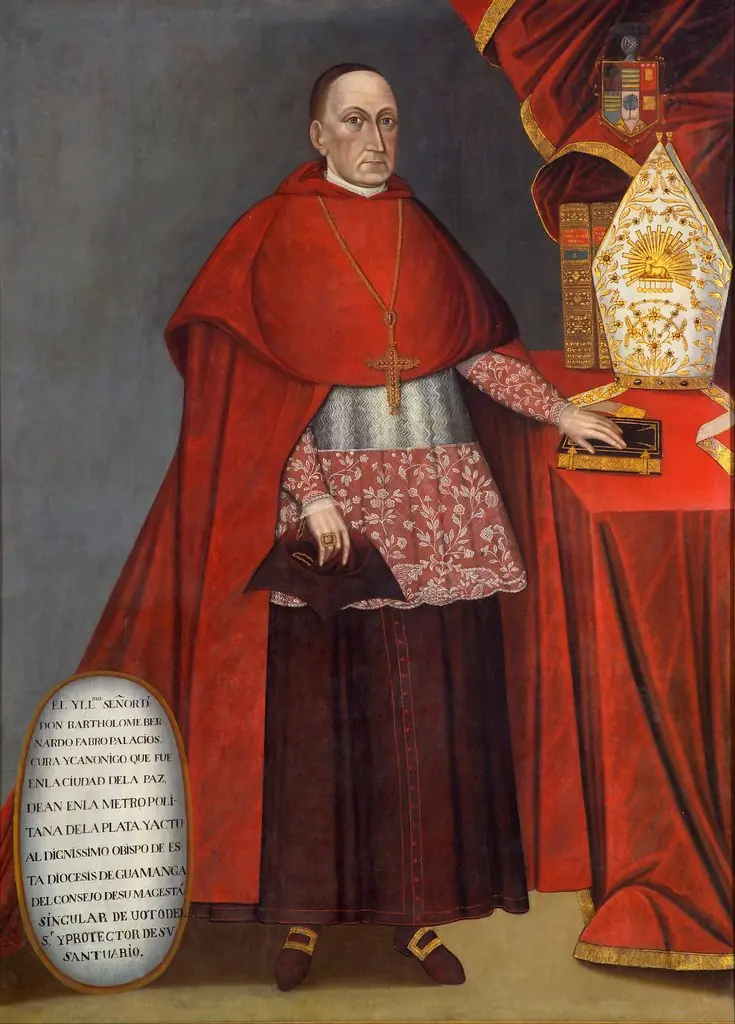 Bartholomew Fabro y Palacios, Bishop of Huamanga
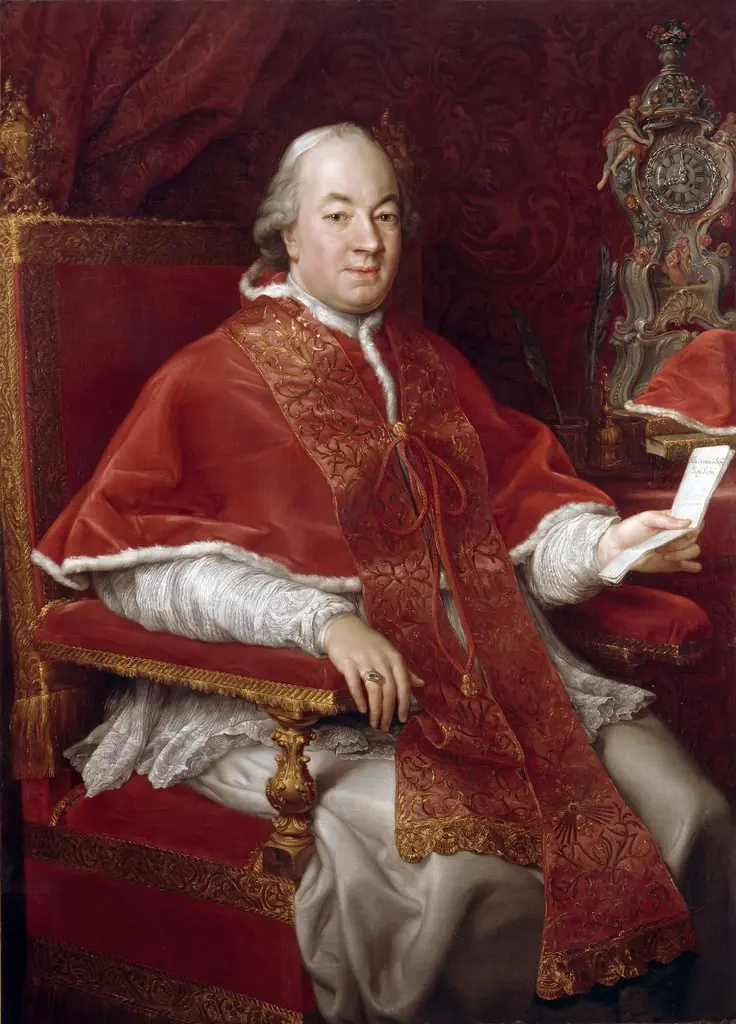 Portrait of Pope Pius VI, Giovanni Angelo Braschi (1717-1799)
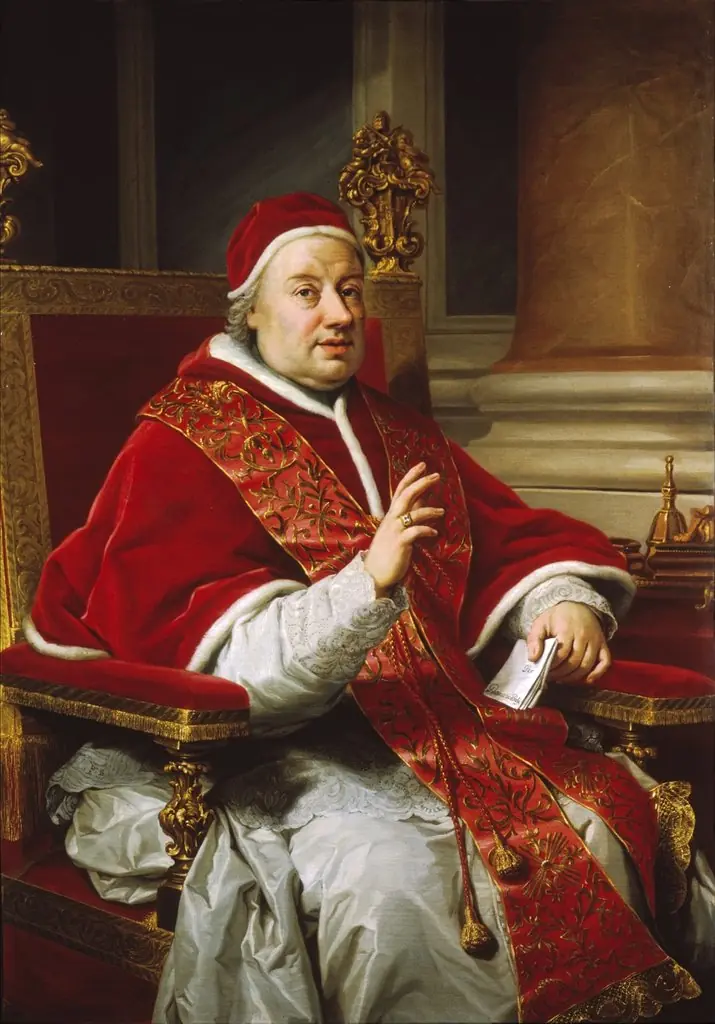 Portrait of Pope Clement XIII
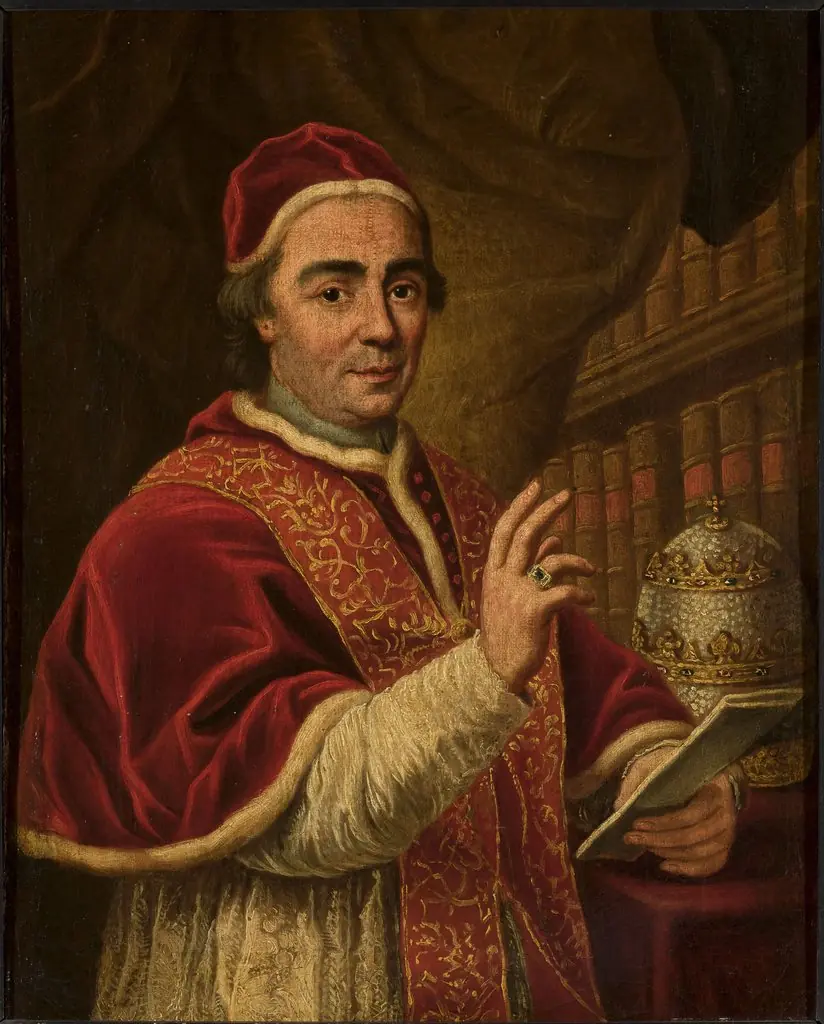 Portrait of pope Clement XIII
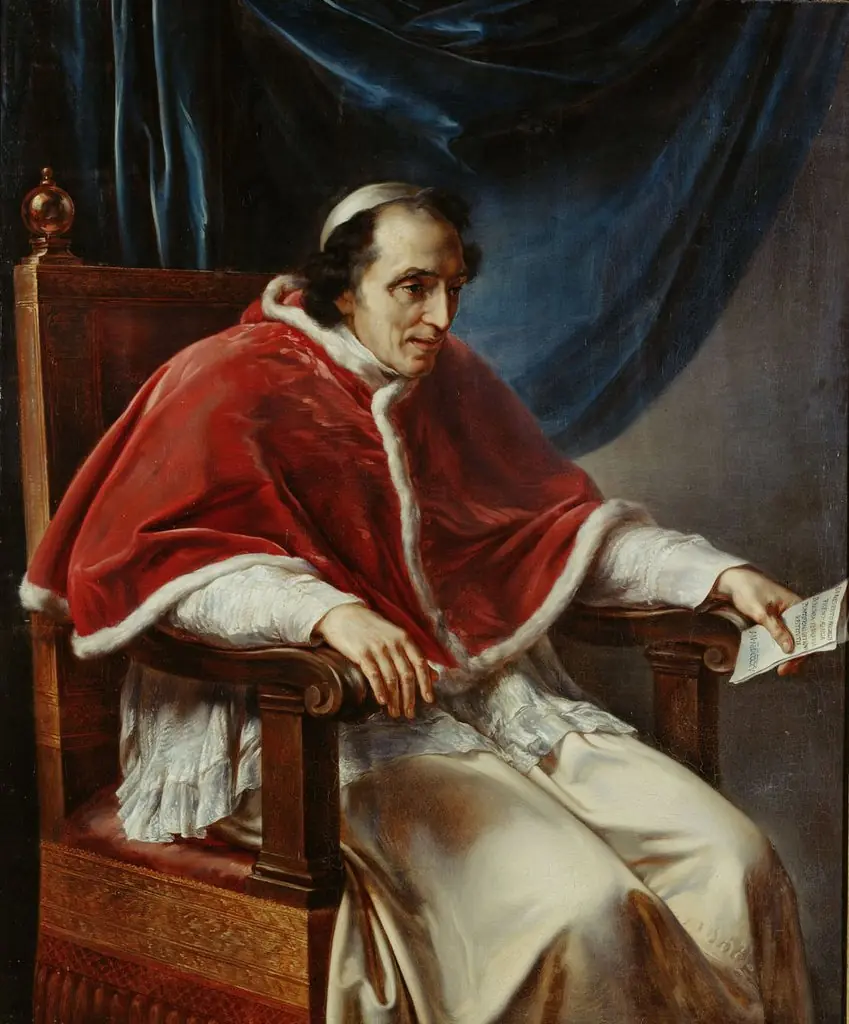 Pope Pius VII (1742-1823)
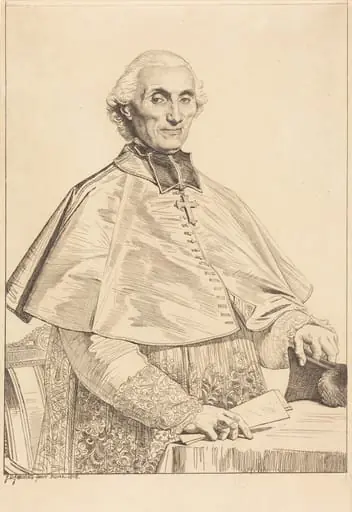 Gabriel Cortois de Pressigny