Artwork
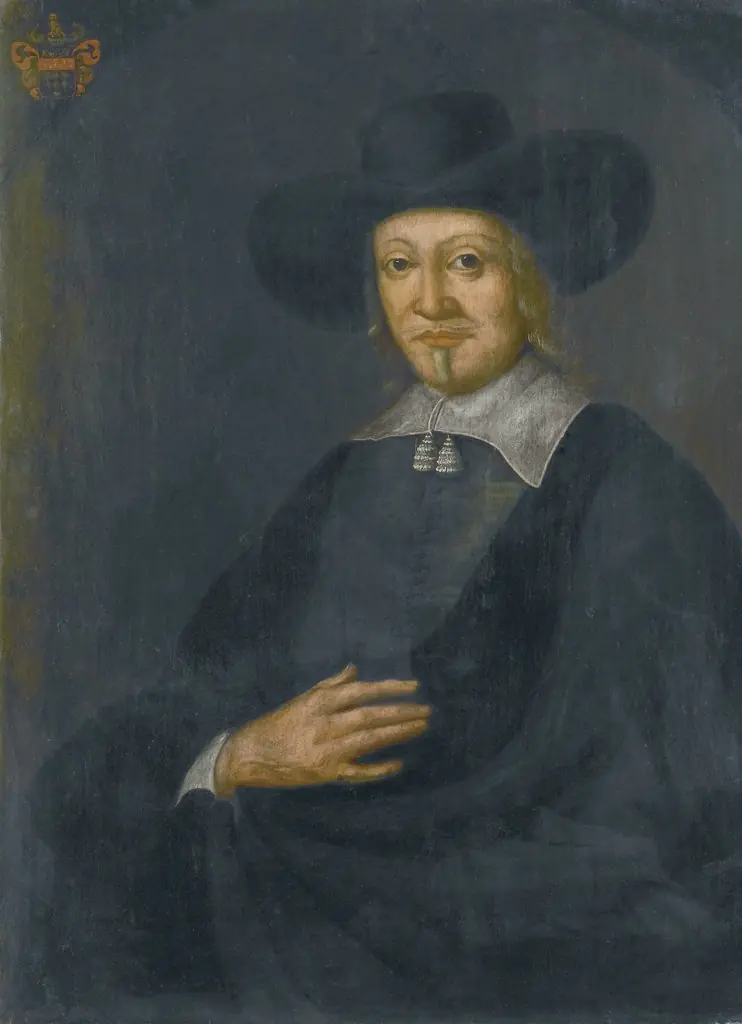
Copy after portrait of Karel Reyniersz (1604-1653), Governor-General of the Dutch East Indies
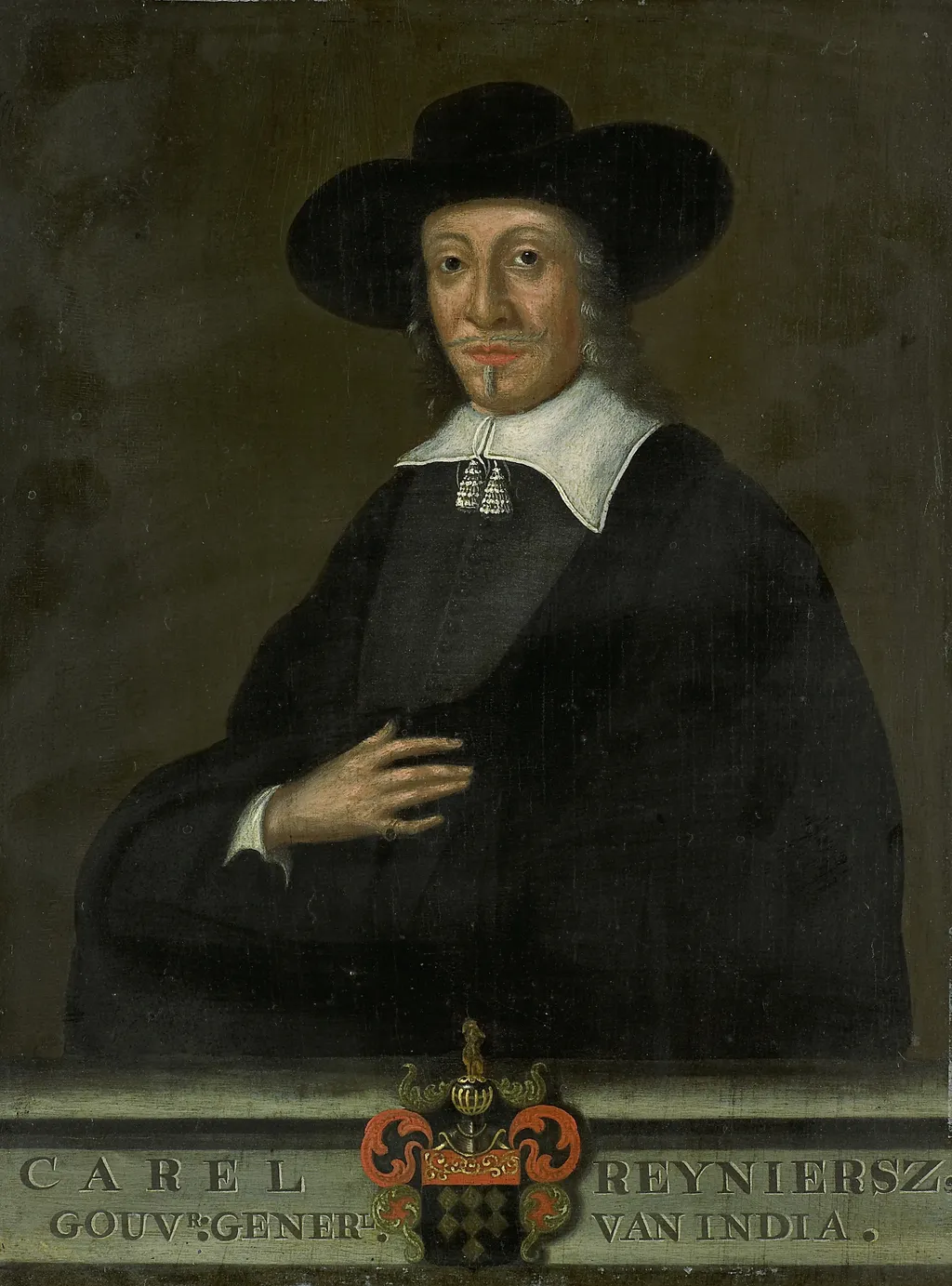
Copy after portrait of Karel Reyniersz (1604-1653), Governor-General of the Dutch East Indies is an oil painting. It dates from 1775 and is held in the collection of the Rijksmuseum. The oil painting portrays Karel Reyniersz, who served as Governor‑General of the Dutch East Indies in the early 17th century.
About this work
Overview
The oil painting portrays Karel Reyniersz, who served as Governor‑General of the Dutch East Indies in the early 17th century. He is depicted in a dark robe and wide‑brimmed hat, set against a deep, shadowy background that emphasizes his solemn demeanor. A heraldic shield with a crown and scrolls rests on a ledge beneath him, flanked by his name and title in Dutch.
Subject & Meaning
Reyniersz is shown with a white collar and cuffs that contrast with his black attire, highlighting his official status. His hands are positioned near his chest, a pose often used to convey authority and resolve. The inclusion of the coat of arms and the inscription underscores his role as a high‑ranking colonial administrator.
Technique & Style
The composition relies on chiaroscuro, the dramatic use of light and shadow, to model the figure and give a three‑dimensional presence. The bright white of the collar and cuffs emerges from the surrounding darkness, while the background remains uniformly dark, directing focus to the sitter’s face and attire.
History & Provenance
Created as a copy after an original portrait, the work dates from the period when Reyniersz governed the Dutch East Indies (1604‑1653). The copy likely served a commemorative purpose, preserving the likeness of the colonial official for later audiences.
Context
Reyniersz’s tenure coincided with the Dutch East India Company’s expansion in Southeast Asia, a time when portraiture was employed to assert the legitimacy and prestige of company officials. The formal dress and heraldic elements reflect contemporary conventions for representing governmental authority.
Artist & collection

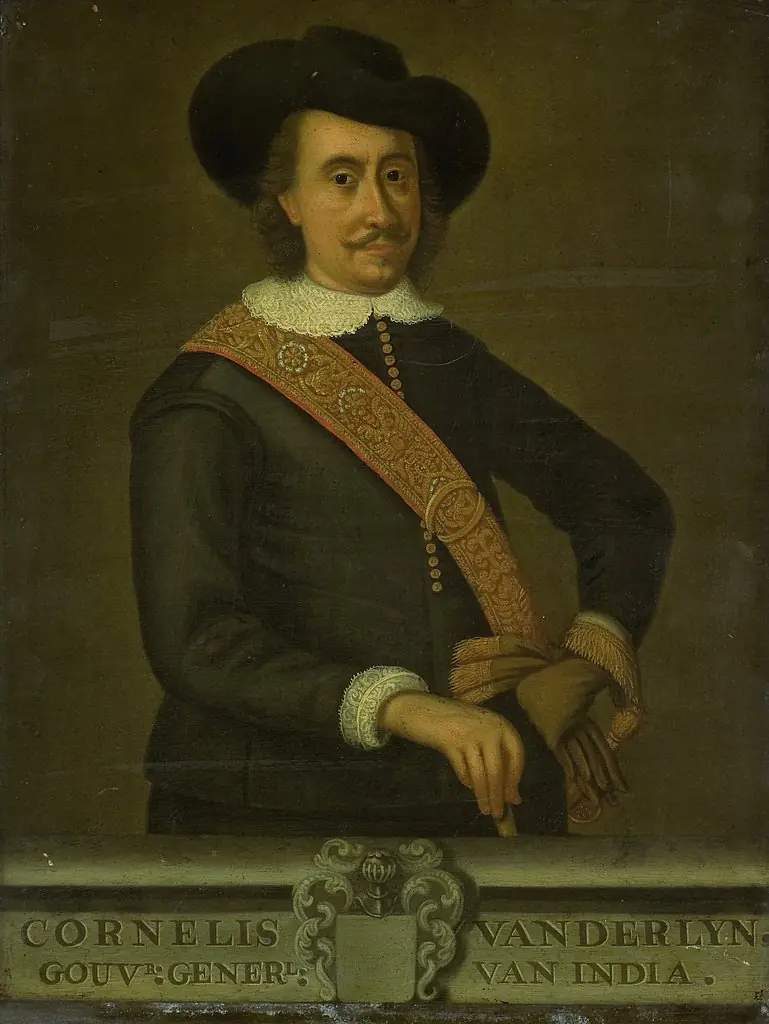 Portrait of Cornelis van der Lijn (1608-1679)
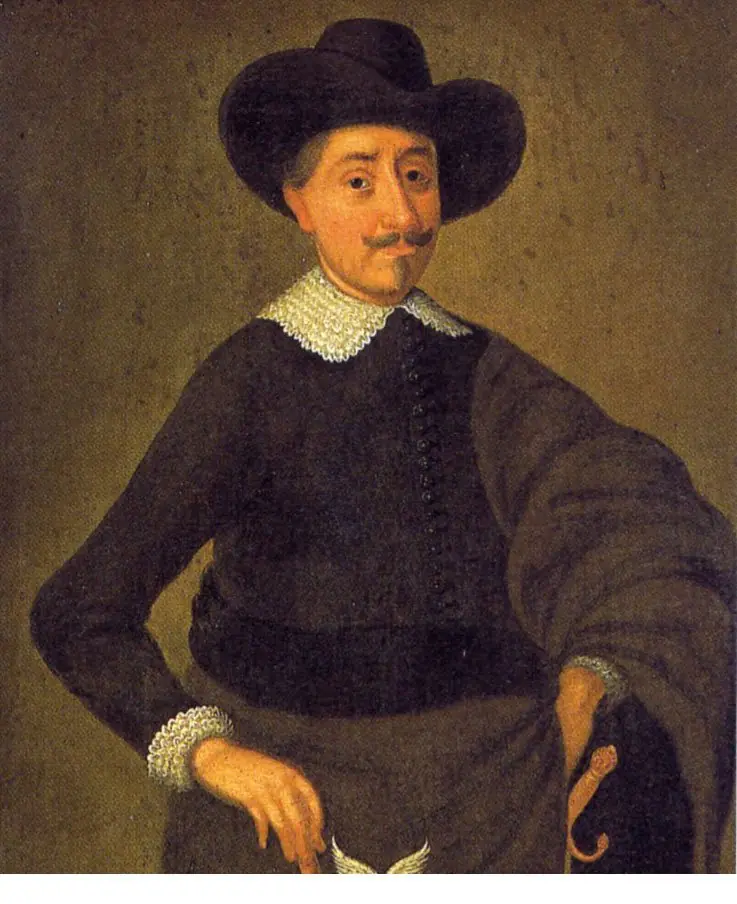 Portrait of Antonio van Diemen (1593-1645)
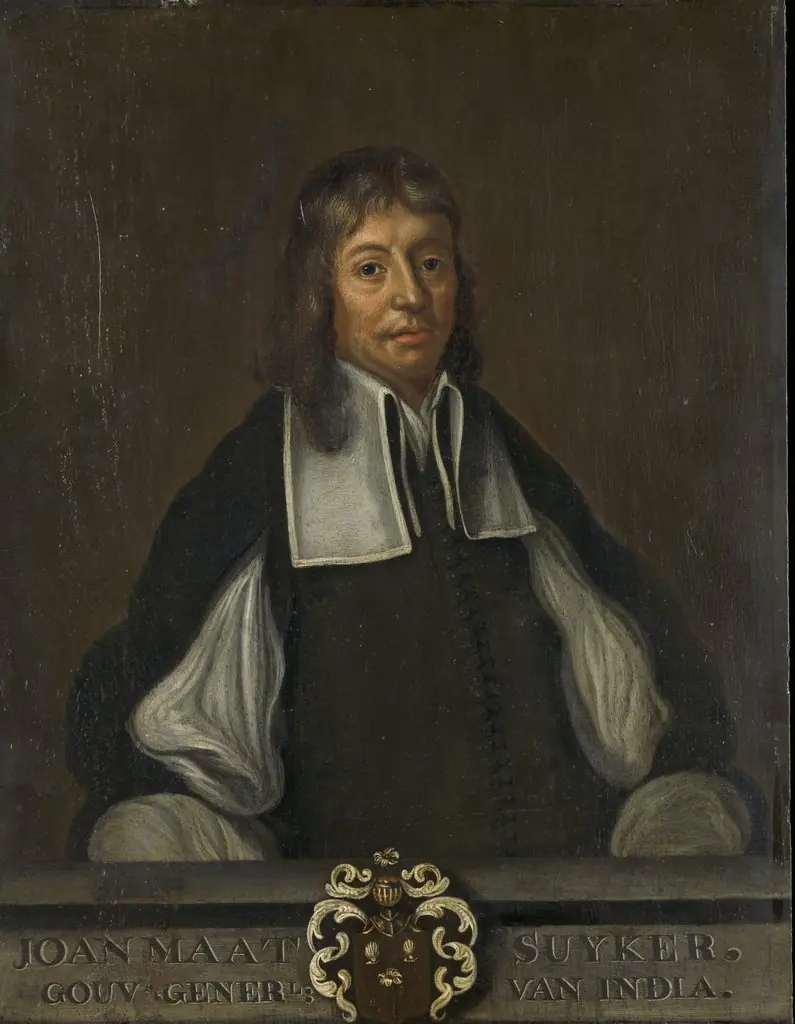 Portrait of Joan Maetsuyker (1606-78), Governor general (1653-78)
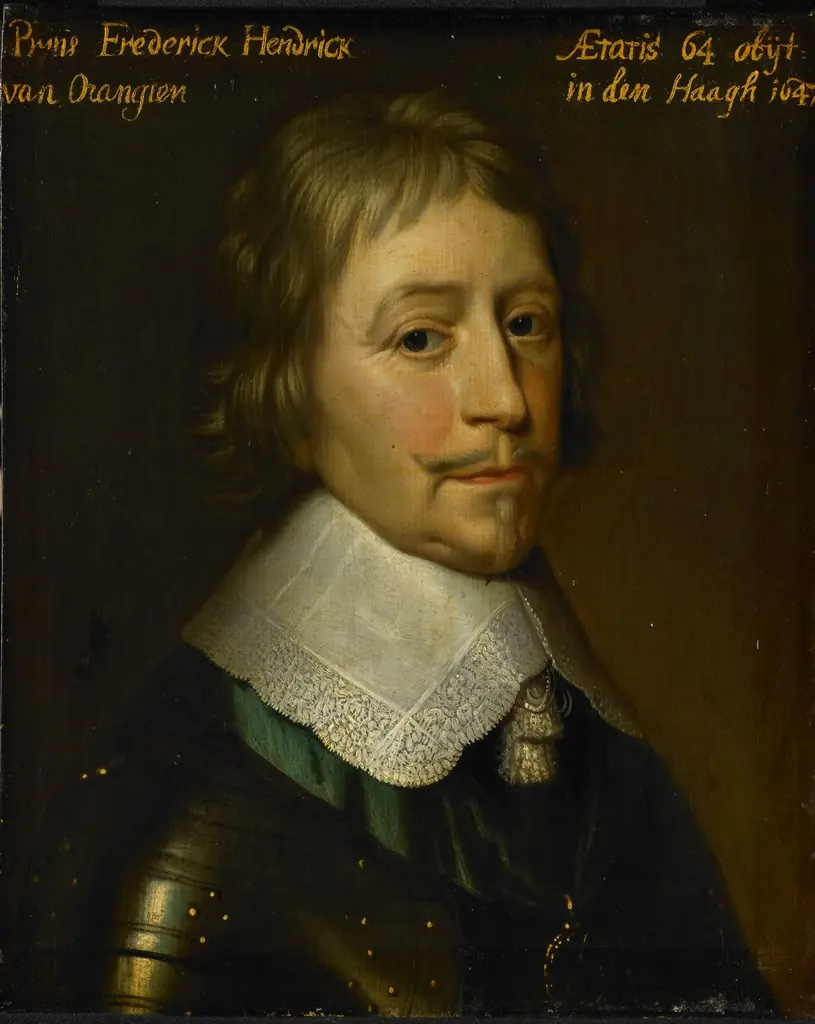 Portrait of Frederik Hendrik (1584-1647), Prince of Orange
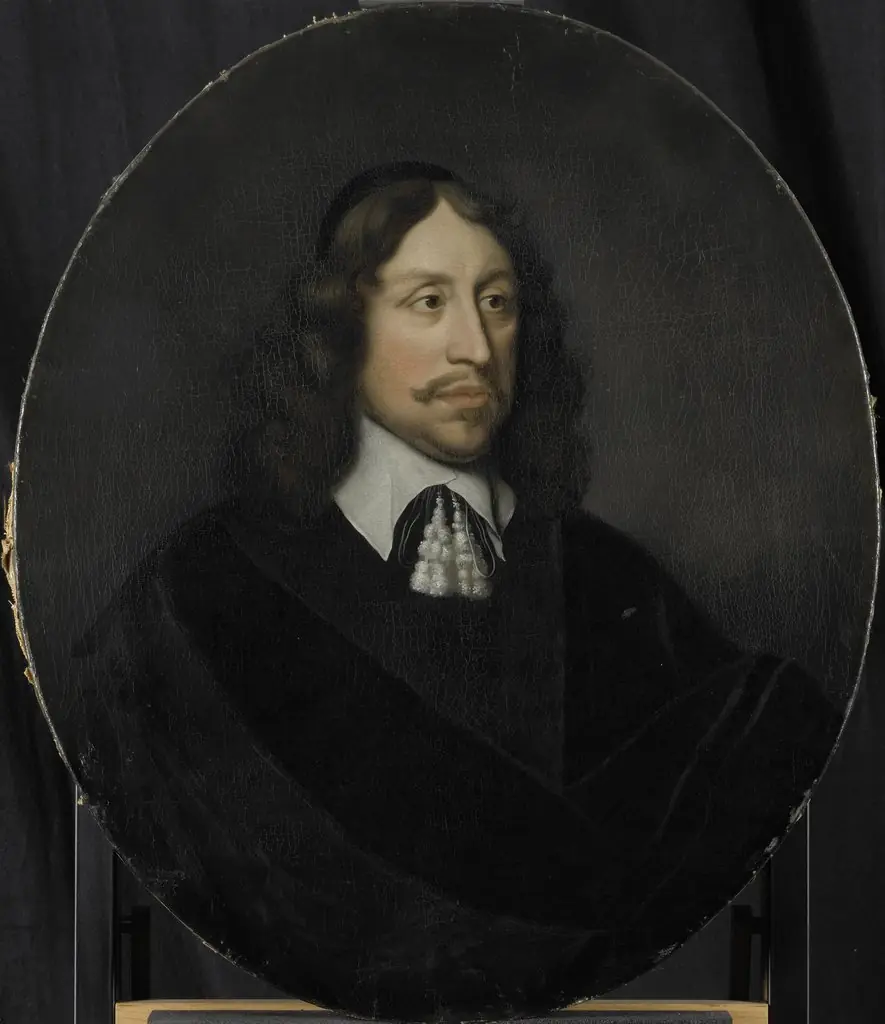 Portrait of Johan de Vries, Director of the Rotterdam Chamber of the Dutch East India Company, elected 1667
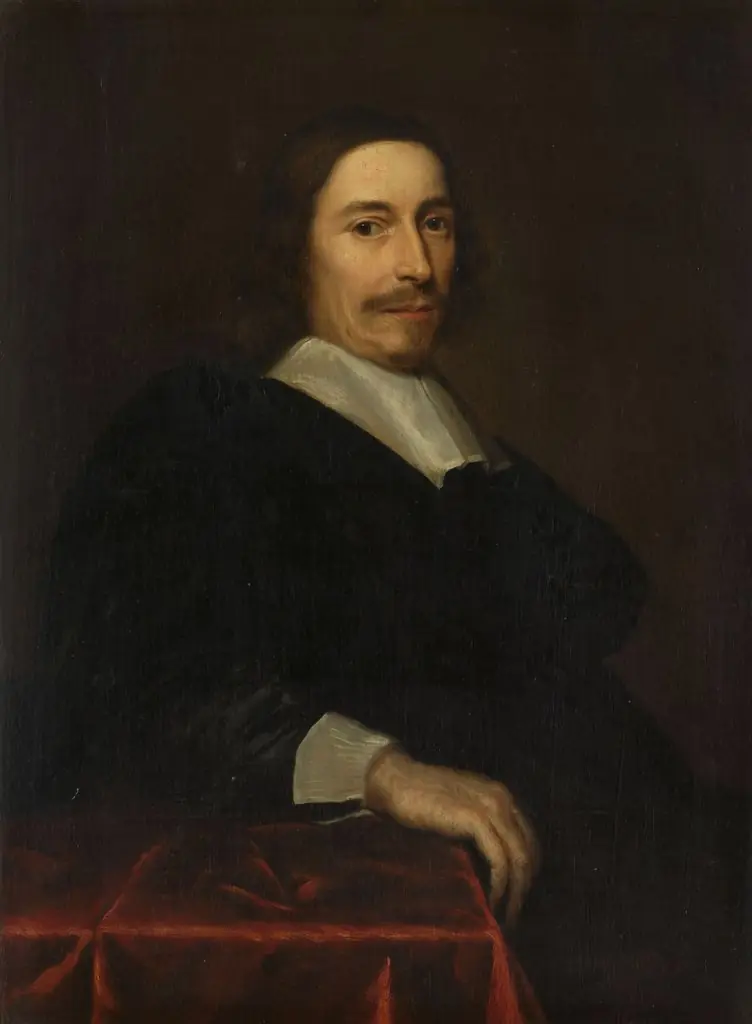 Jacob de Witt (1589-1674)
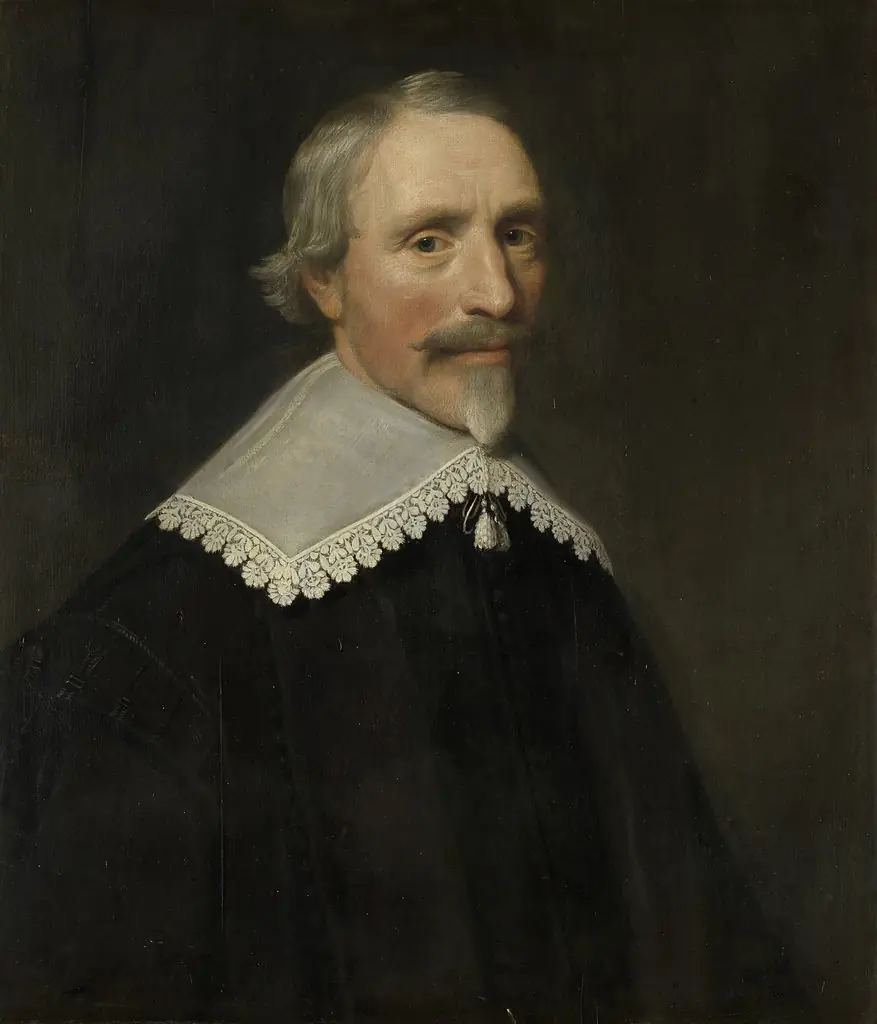 Portrait of Jacob Cats (1577-1660)
 Portrait of Karel Reyniersz, Governor-General of the Dutch East Indies