Artwork
Frances Tradescant
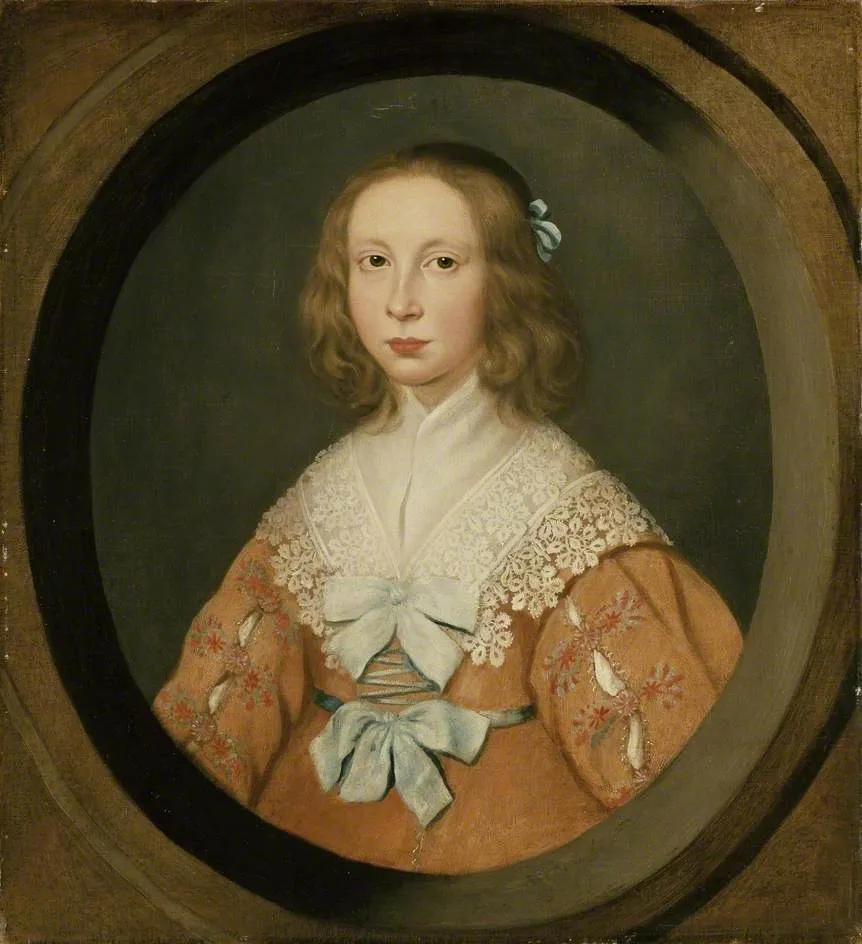
Frances Tradescant is an oil painting by the Early Baroque Italian artist Unknown. It dates from 1638 and is held in the collection of the Ashmolean Museum.
About this work
The use of oil paint and the detailed depiction of the subject's clothing and accessories are notable aspects of the artwork.
This portrait shows a young girl with shoulder-length, wavy brown hair, adorned with a blue bow on the right side. She wears a white lace-trimmed collar and a brown dress featuring a white bow at the waist, complemented by a blue sash. Her sleeves are embellished with red and blue floral embroidery. The background is a dark gray color. The painting's style and the subject's attire suggest it was created in the 17th century. The use of oil paint and the detailed depiction of the subject's clothing and accessories are notable aspects of the artwork.
Overview
This oil painting depicts a young girl in mid-17th-century attire, rendered with careful attention to textile detail and subtle color harmonies. The dark gray background isolates the figure, directing focus to her clothing and delicate facial features. The medium and technique align with portraiture practices of the period, emphasizing material richness over environmental context.
Subject & Meaning
The subject is identified as Frances Tradescant, likely a member of a prominent English family known for horticulture and collecting. Her refined garments suggest upper-class status, while the bow and embroidery reflect personal adornment rather than symbolic narrative. The portrait serves as a record of identity and social standing, typical of domestic portraiture in early modern England.
Technique & Style
Oil paint is applied with precision to capture the texture of lace, silk, and embroidery. The brown dress and blue sash contrast subtly against the muted background, while the red and blue floral patterns on the sleeves demonstrate fine brushwork. Lighting is even and diffuse, avoiding dramatic chiaroscuro, consistent with English portrait conventions of the time.
History & Provenance
The painting is associated with the Tradescant family, known for their collection of natural specimens and artifacts. Its survival suggests it remained within family hands or was preserved by later descendants. No documented exhibition history exists prior to modern cataloging, but its condition indicates careful storage over centuries.
Context
In 17th-century England, portraits of children were often commissioned to affirm lineage and social position. Unlike grand aristocratic commissions, this work reflects a more intimate, middle-gentry aesthetic. The emphasis on fabric detail mirrors contemporary interest in material culture, particularly among families engaged in collecting and trade.
Legacy
The painting contributes to the visual record of domestic life in early modern England. While not widely exhibited, it remains a representative example of non-royal portraiture from the period. Its preservation offers insight into the clothing, craftsmanship, and social values of a family connected to the era’s scientific and cultural networks.
Artist & collection

 Domestic Scene
 Giacomo and Cardinal Marco, investing Andrea, Abbot of San Zeno, with his Benefice
 The Nymph of Fontainebleau
 Portrait of a Woman
 Madonna and Child with Saints in the Enclosed Garden
 Venus and Minerva
 Family Group of Four on Sofa
 Wall painting from Room H of the Villa of P. Fannius Synistor at Boscoreale
 Portrait of an Unknown Lady
 Unknown Lady
 James Bertie (1653–1699), 2nd Son of James, Earl of Abingdon
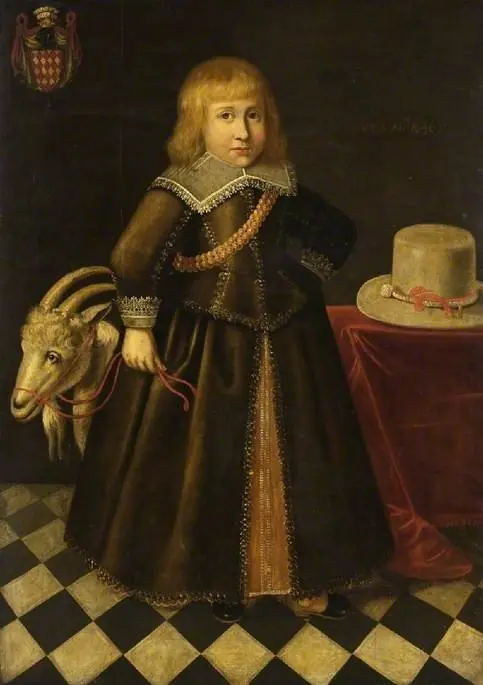 Portrait of a child with a toy goat
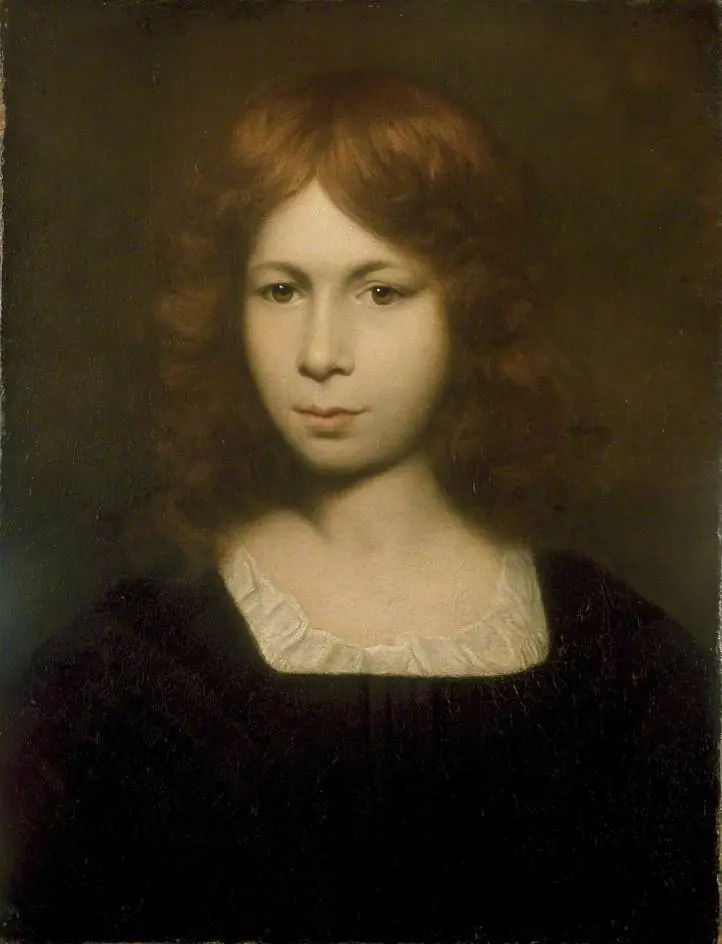 Portrait of a young Girl
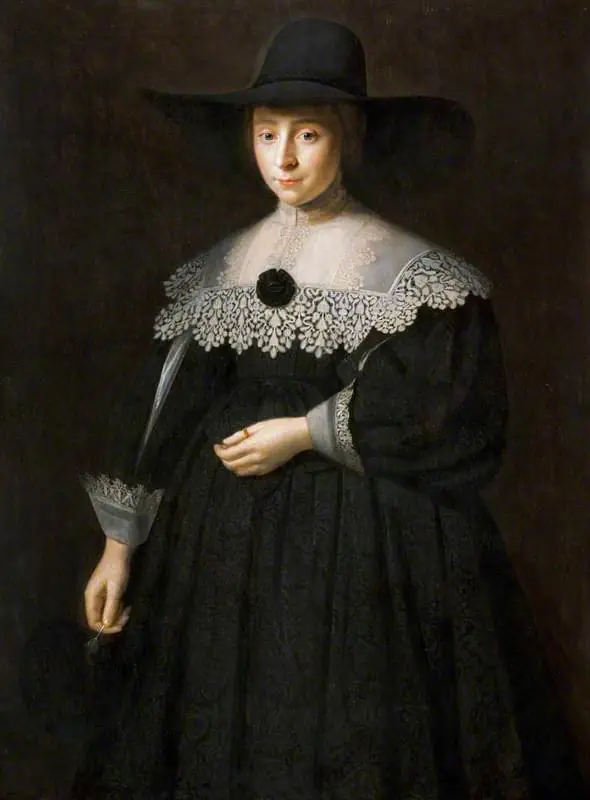 The Young Housekeeper
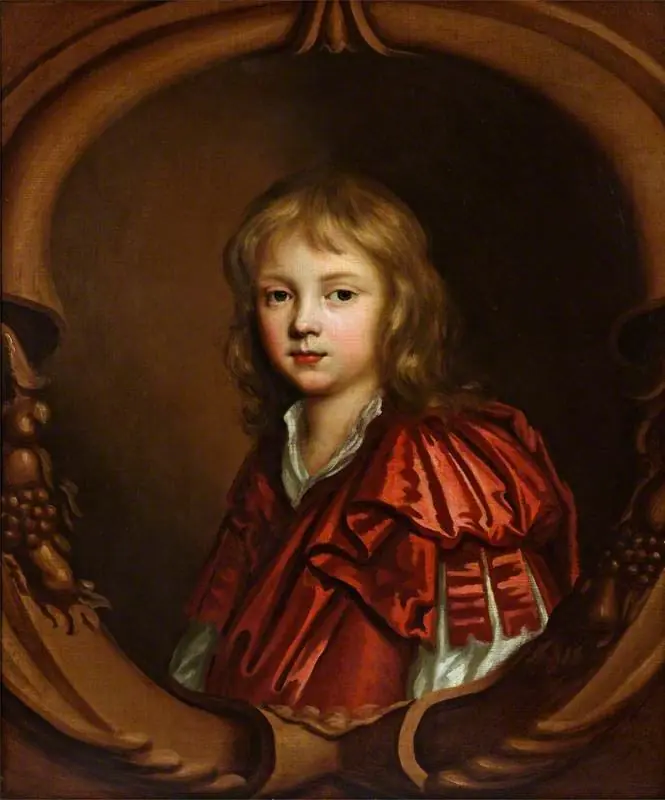 Portrait of a Boy
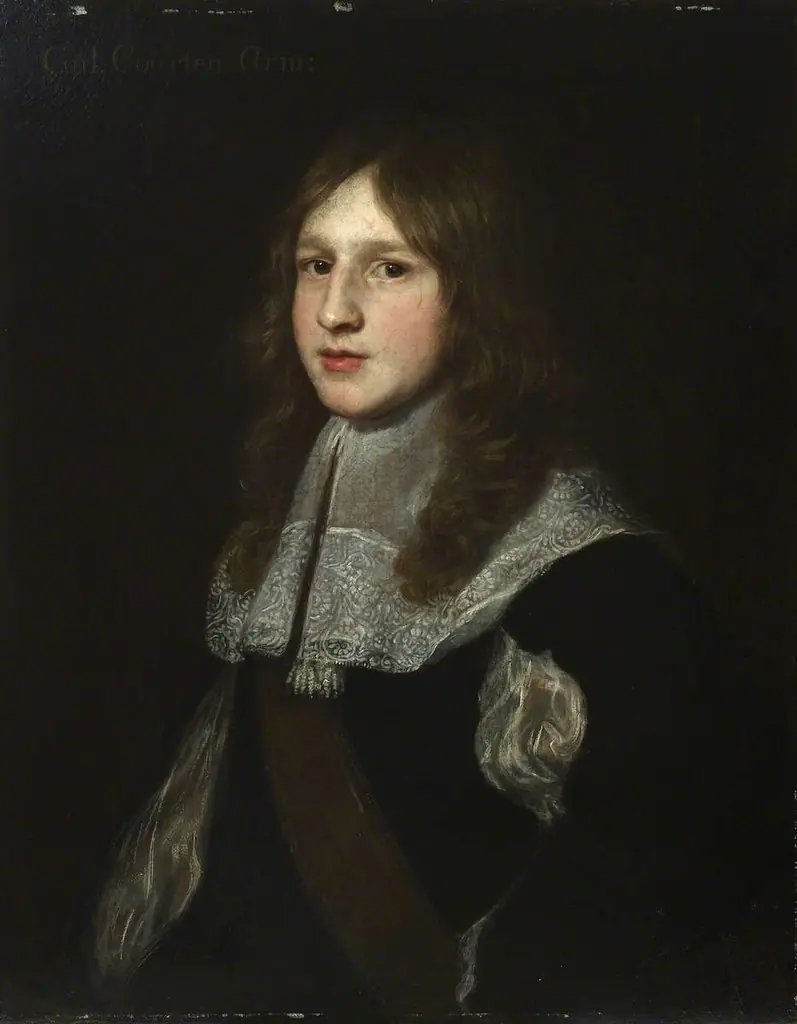 William Courten (alias Charleton, 1642–1702), When Young
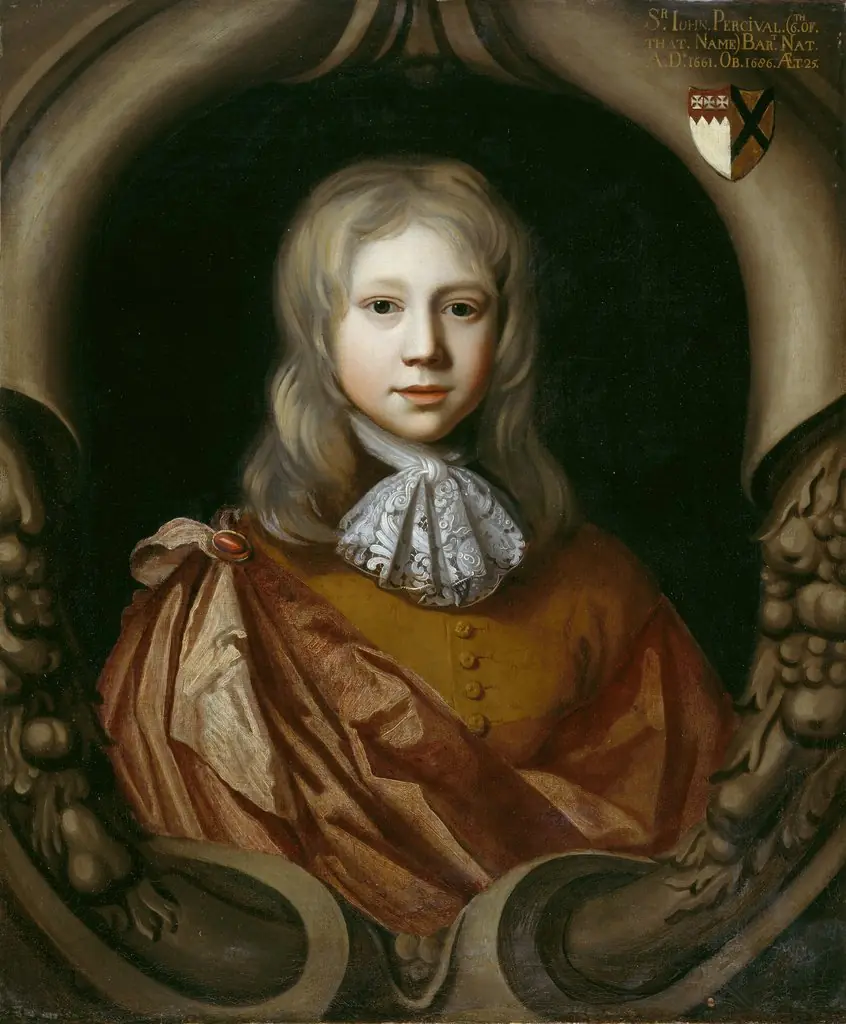 Portrait of Sir John Perceval, 3rd Bt (1660-1686)