Artwork
James Bertie (1653–1699), 2nd Son of James, Earl of Abingdon
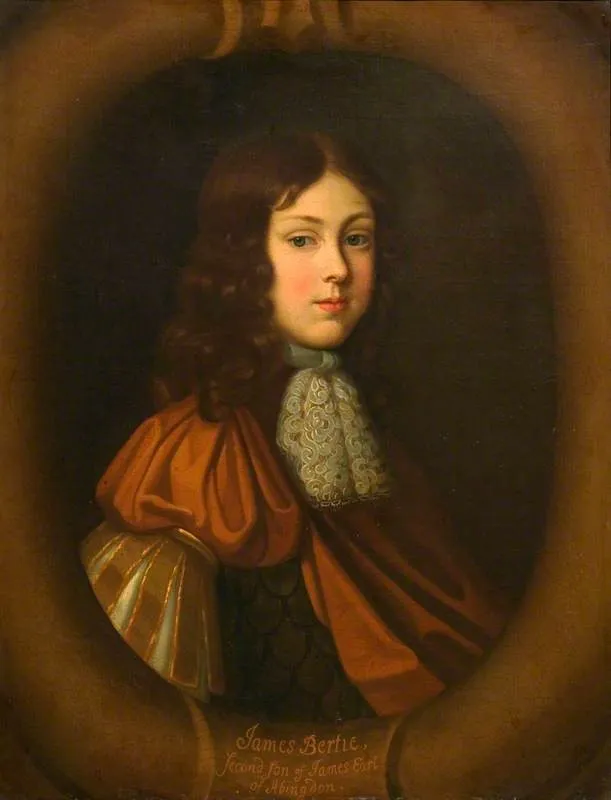
James Bertie (1653–1699), 2nd Son of James, Earl of Abingdon is an oil painting by the Barbizon school artist Peter Lely. It dates from 1659 and is held in the collection of the Victoria and Albert Museum.
About this work
If you're interested in learning more about this style of painting, you might want to look up the artist Peter Lely.
This painting is a portrait of a young man with long, dark hair and a serious expression. He is wearing a red jacket with puffy sleeves and a white lace collar. The background is dark, which helps the subject stand out.
The young man's clothing and hairstyle suggest that the painting is from the 17th century. The artist has used oil paint to create a detailed and realistic image. The painting is well-preserved and is now held at the Victoria and Albert Museum.
If you're interested in learning more about this style of painting, you might want to look up the artist Peter Lely.
Overview
This 17th-century oil portrait, created circa 1659 by Sir Peter Lely, depicts James Bertie, second son of James, Earl of Abingdon. The work exemplifies Lely's role as a prominent portraitist to the English royal court and aristocracy.
Subject & Meaning
The subject, James Bertie, is portrayed as a young man with a serious demeanor, dressed in attire reflective of his social status: a red jacket with puffy sleeves and a white lace collar. The somber background emphasizes his figure.
Technique & Style
Executed in oil paint, the portrait showcases Lely's adherence to the English Baroque portrait tradition, characterized by detailed realism. Despite later associations with the Barbizon school, this work remains rooted in Baroque stylistics.
History & Provenance
Originally part of Sir Peter Lely's extensive collection of aristocratic portraits, the painting is now part of the Victoria and Albert Museum's collection, where it is well-preserved.
Context
Created during Lely's establishment as a leading royal court painter, the portrait reflects the artistic preferences of England's 17th-century elite, emphasizing status through formal, detailed depictions.
Legacy
While Lely's work influenced subsequent portrait traditions, this specific portrait primarily serves as a testament to his prolific output and the enduring legacy of English Baroque portraiture in national collections.
Artist & collection
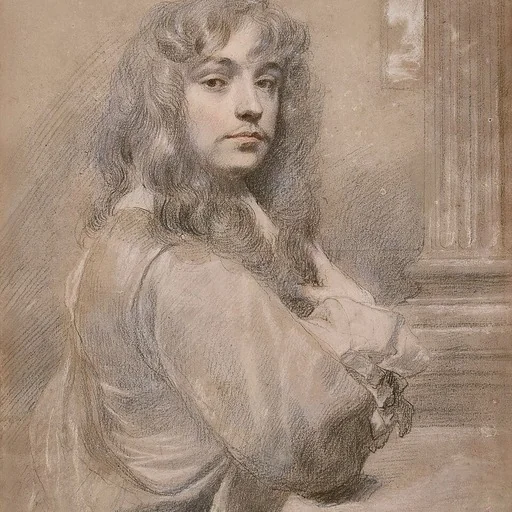
Artist
Sir Peter Lely (Dutch: ; 14 September 1618 – 30 November 1680) was a painter of Dutch origin whose career was nearly all spent in England, where he became the dominant portrait painter to the court.

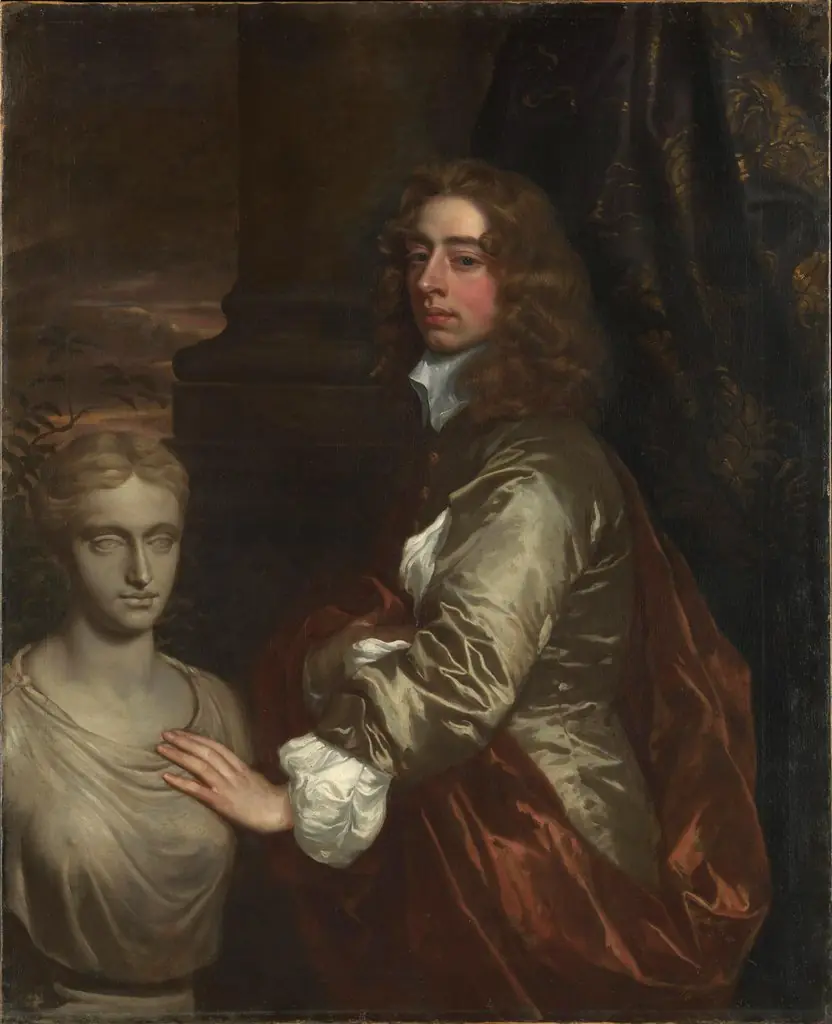 Sir Henry Capel (1638–1696)
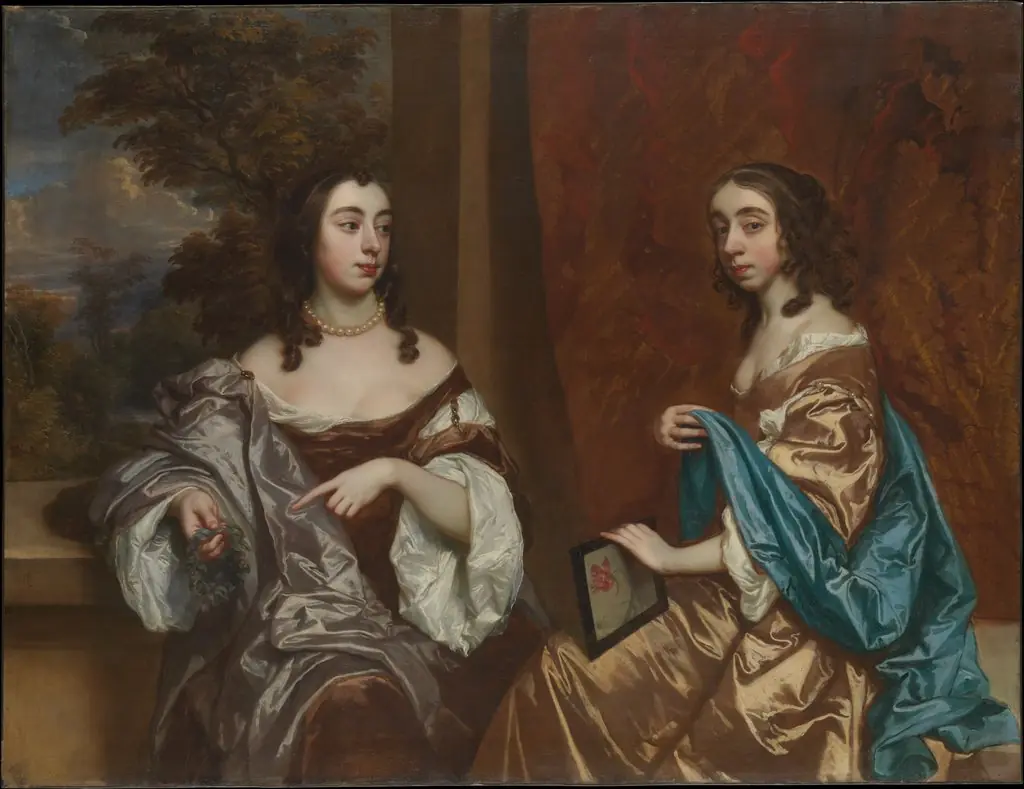 Mary Capel (1630–1715), Later Duchess of Beaufort, and Her Sister Elizabeth (1633–1678), Countess of Carnarvon
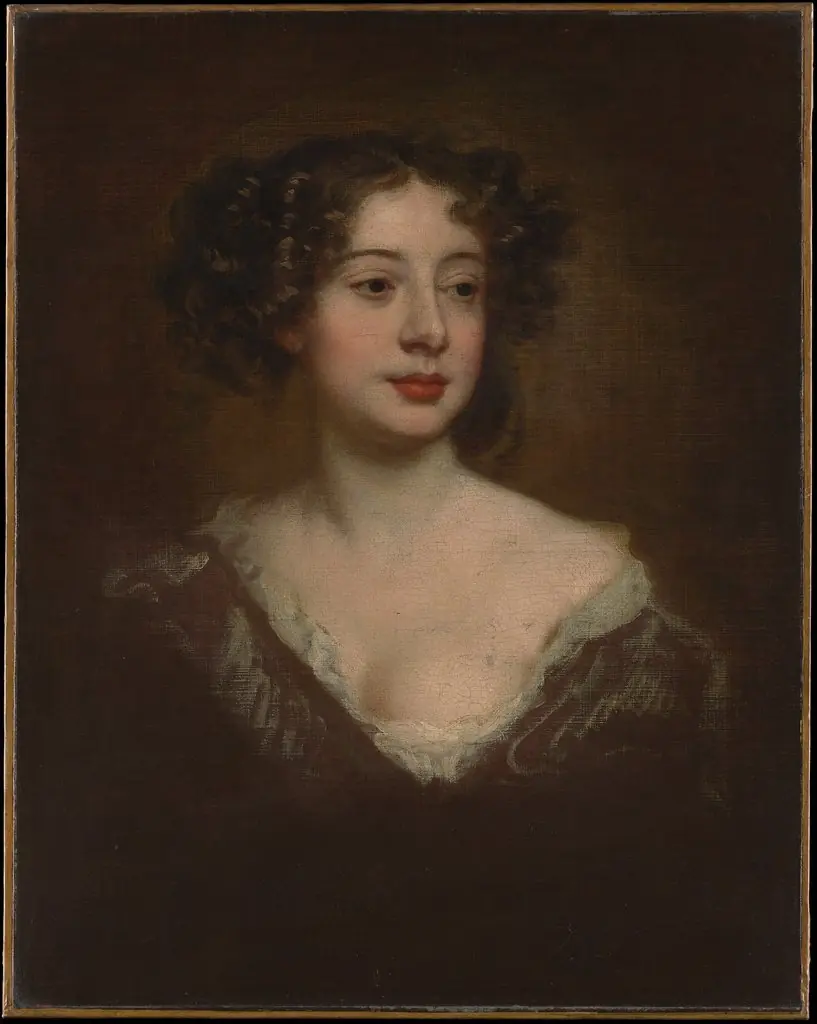 Study for a Portrait of a Woman
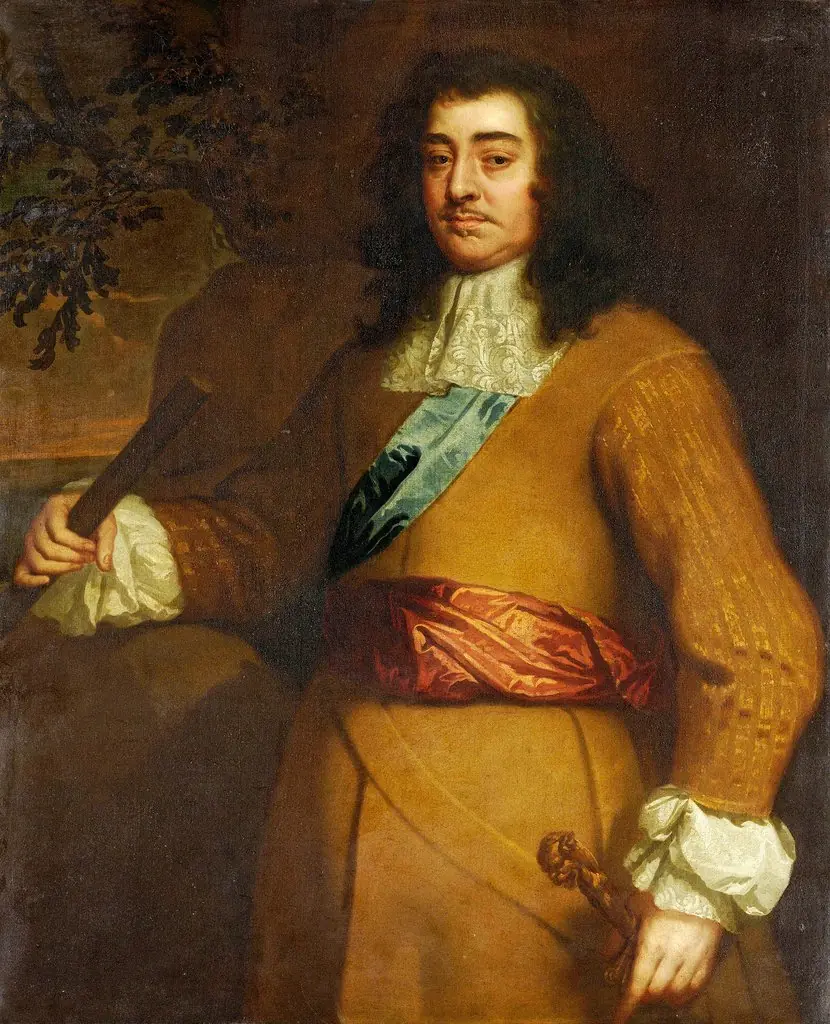 Portrait of George Monck, 1st Duke of Albemarle, English Admiral and Statesman
 Portrait of a Man
 Portrait of a Woman
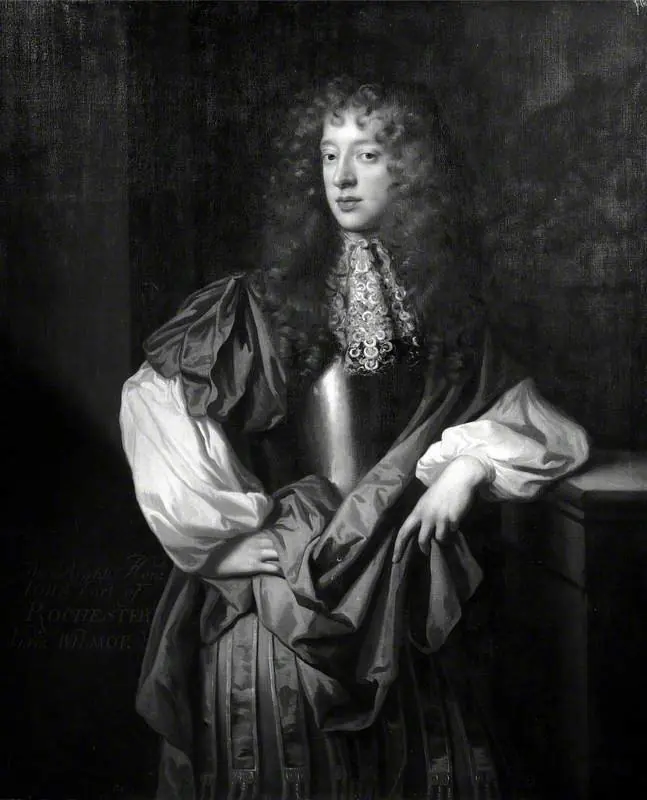 John Wilmot (1647–1680), 2nd Earl of Rochester
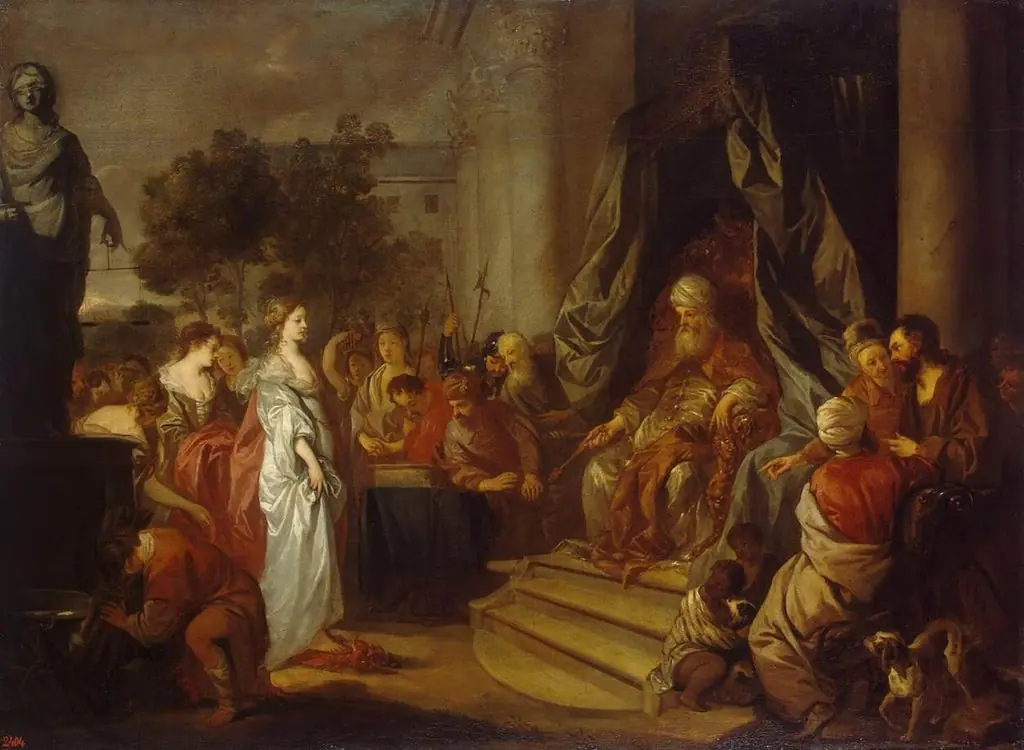 Historical Scene
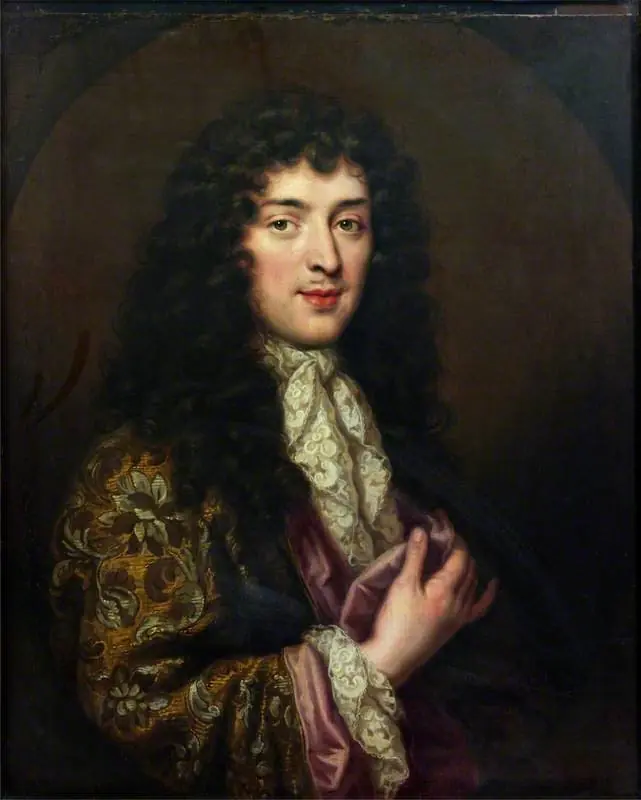 Portrait of a Young Man
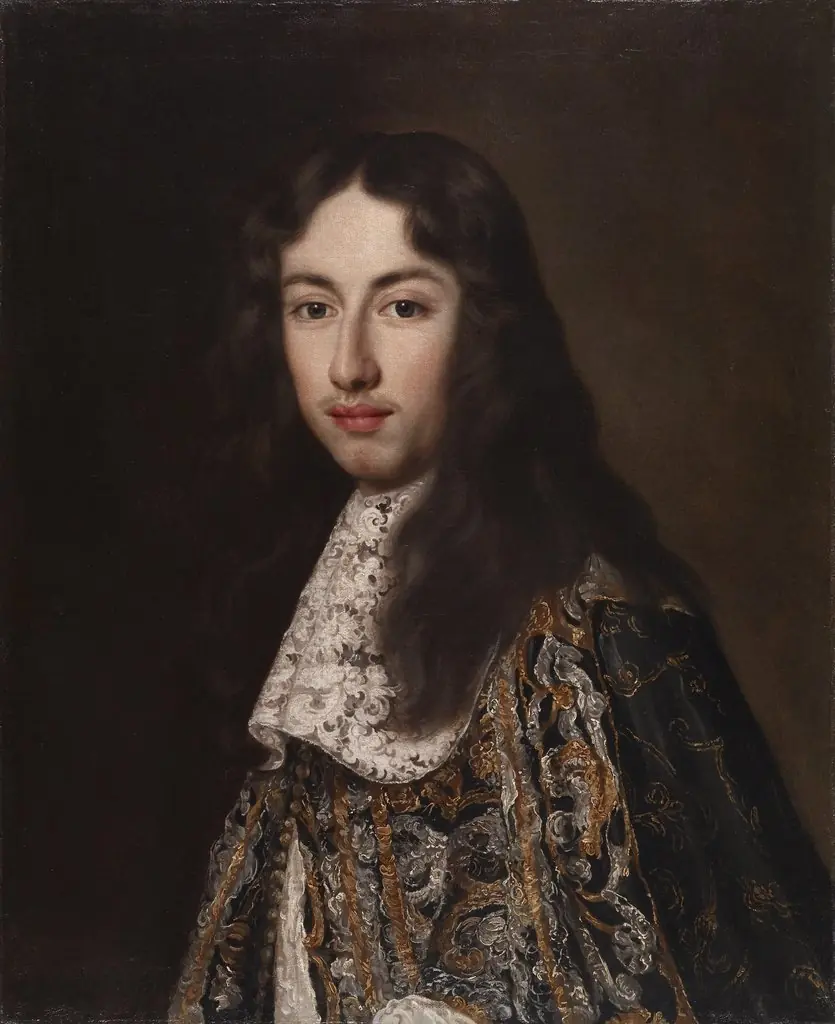 Portrait of Livio Odescalchi
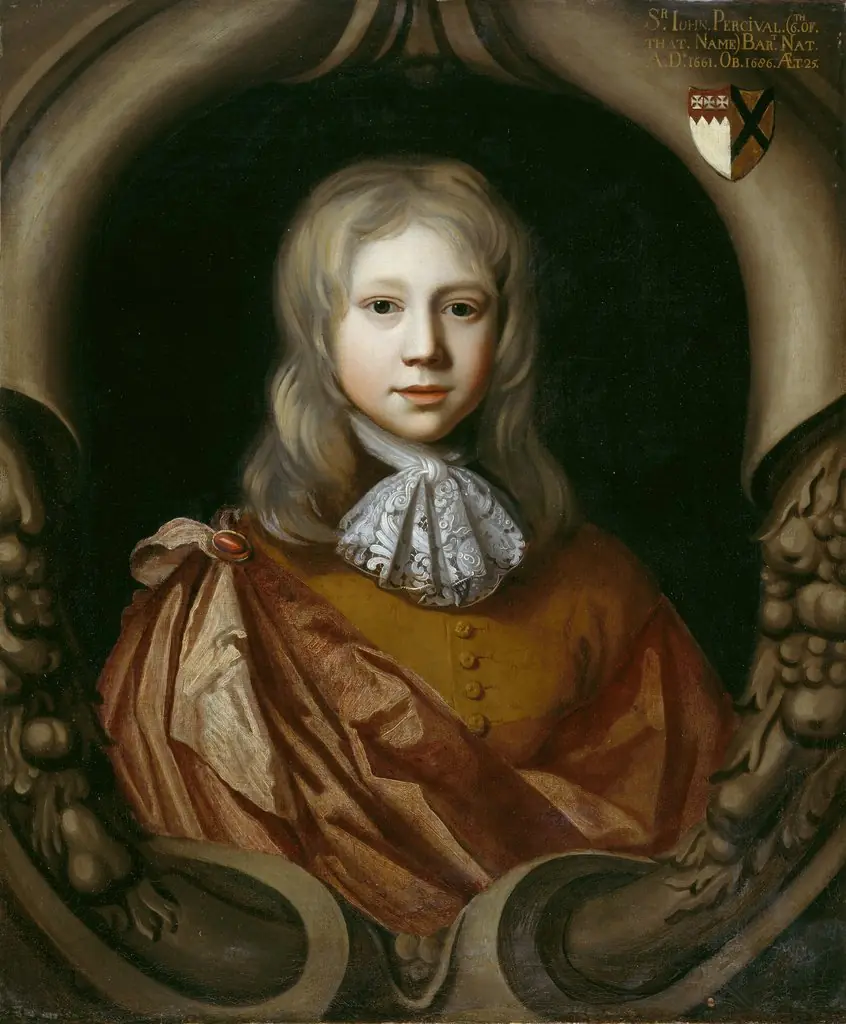 Portrait of Sir John Perceval, 3rd Bt (1660-1686)
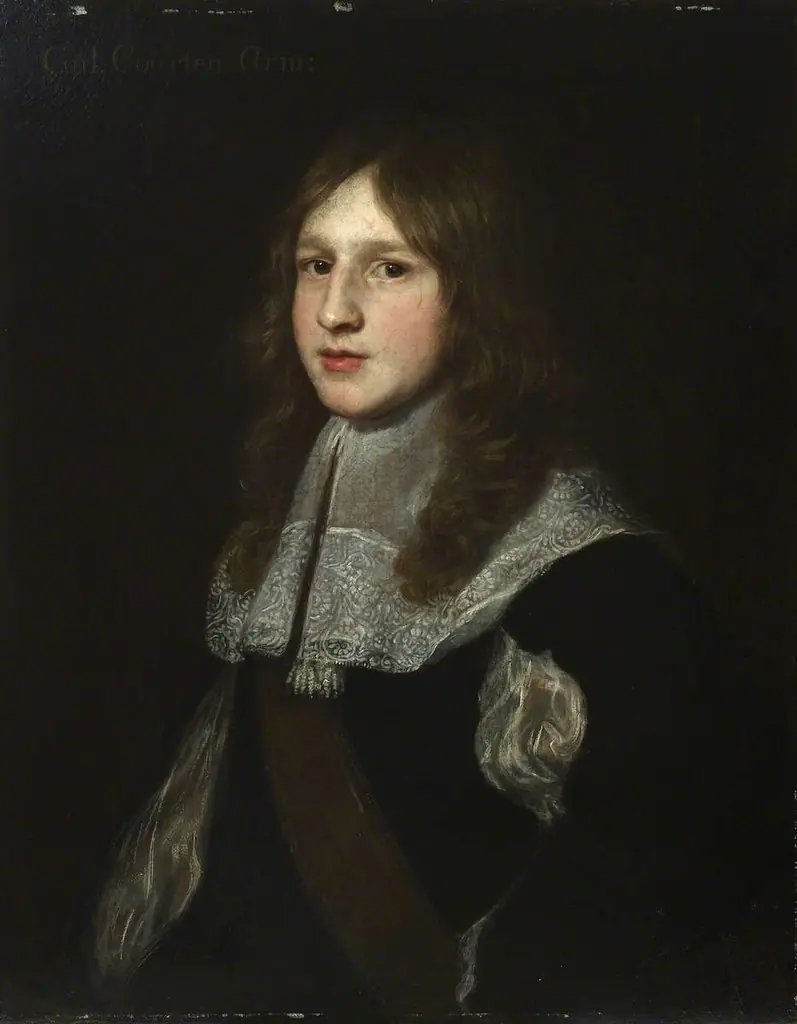 William Courten (alias Charleton, 1642–1702), When Young
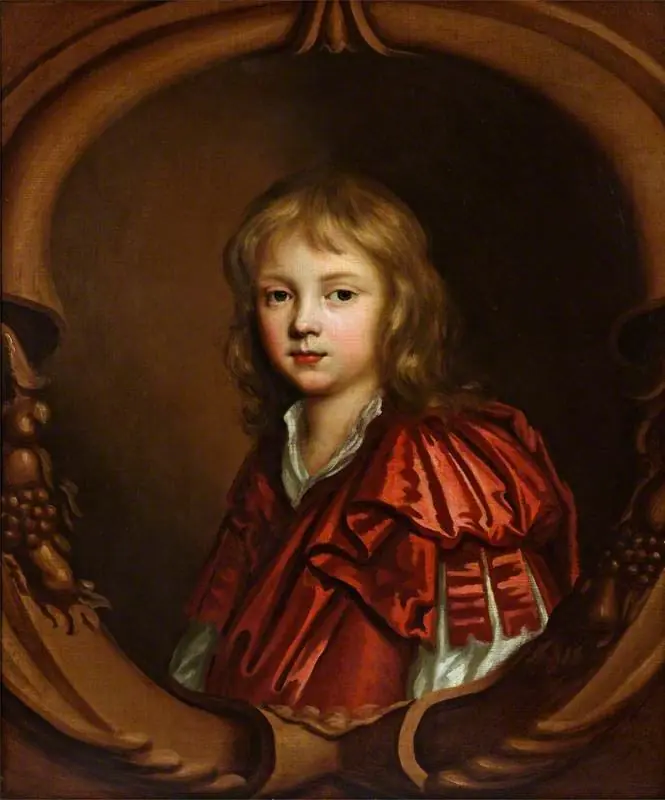 Portrait of a Boy
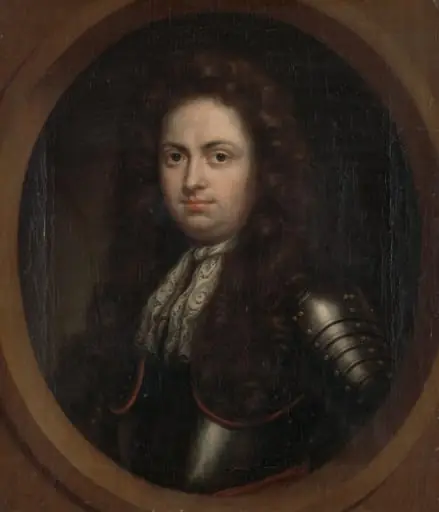 Aernout van Citters (1661-1718), Son of Aernout van Citters and Christina de Brauw
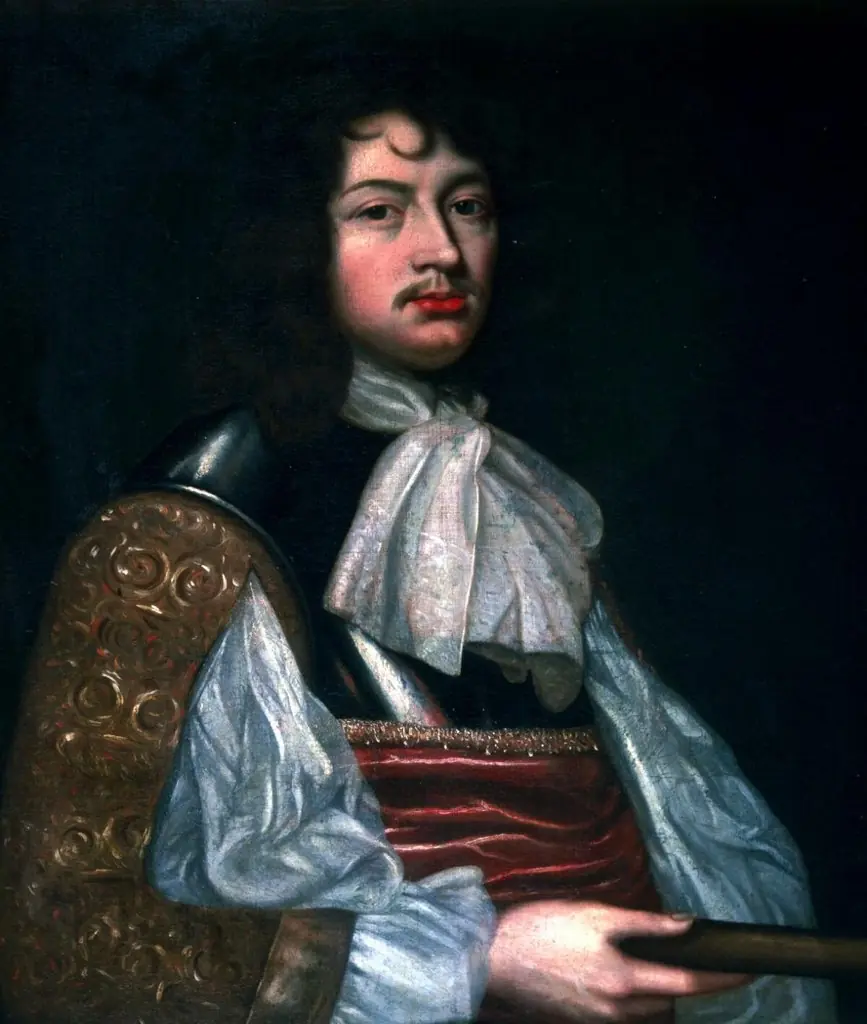 Prince Rupert of the Rhine?
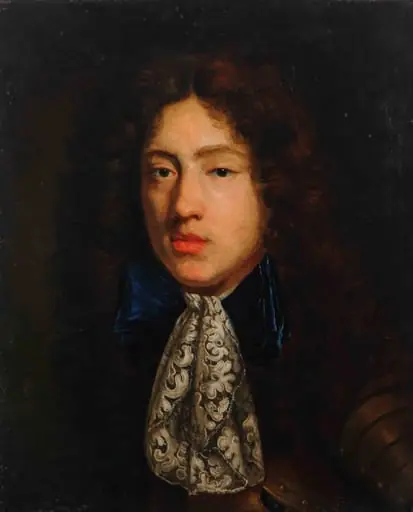 Portretul unui tânăr ofițer
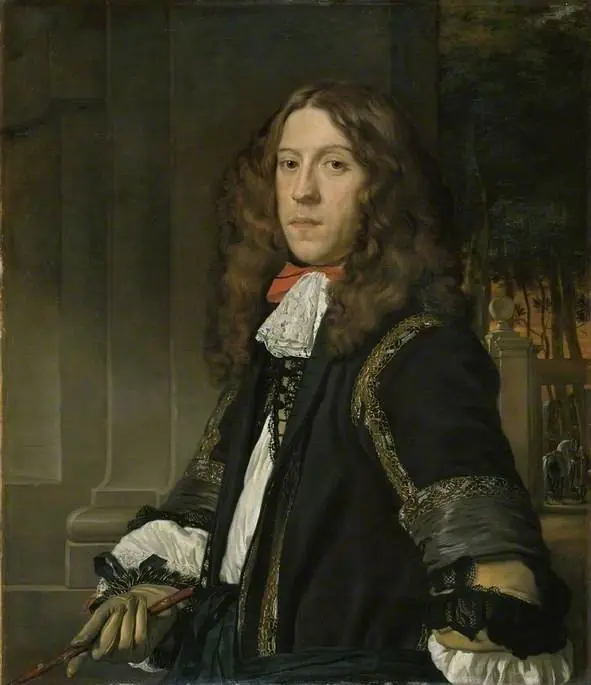 Portrait of a man
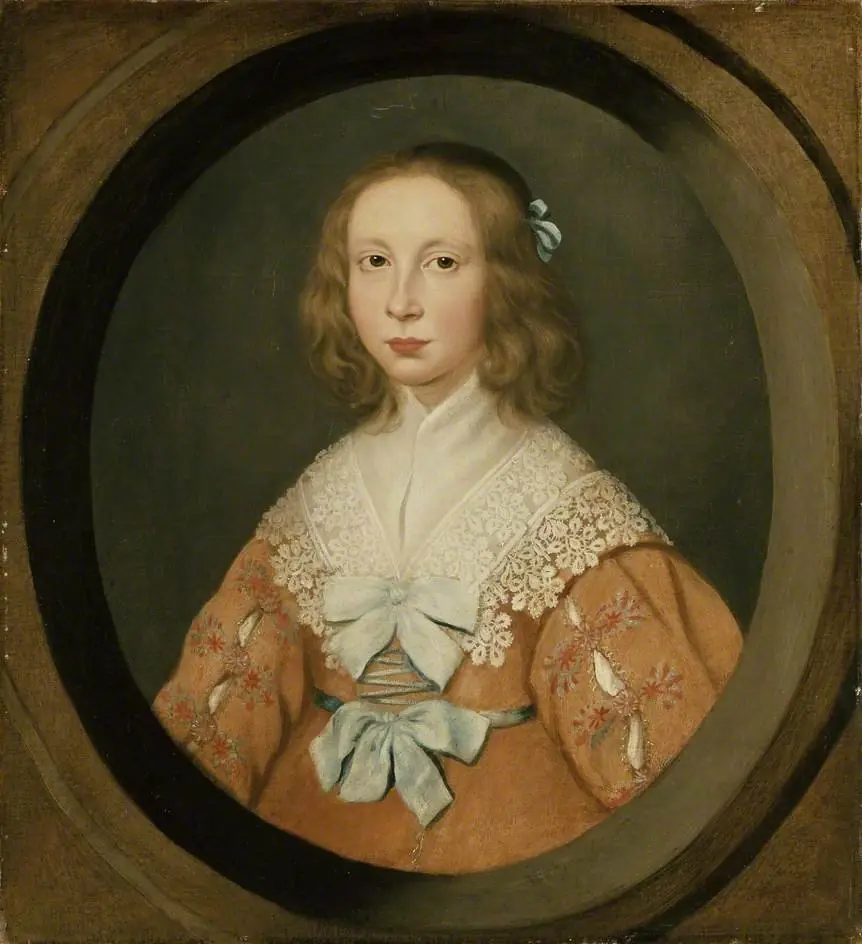 Frances Tradescant
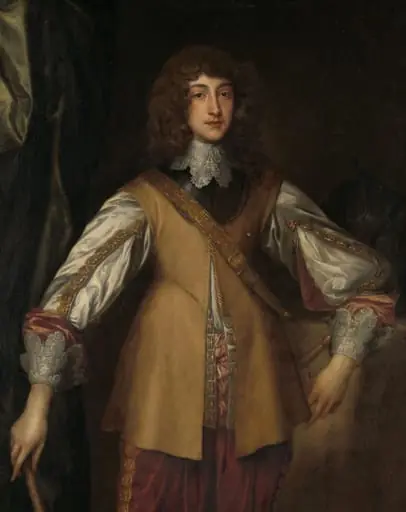 Portrait of Rupert (1619-1682), Prince-Palatine of the Rhine, in Combat Dress
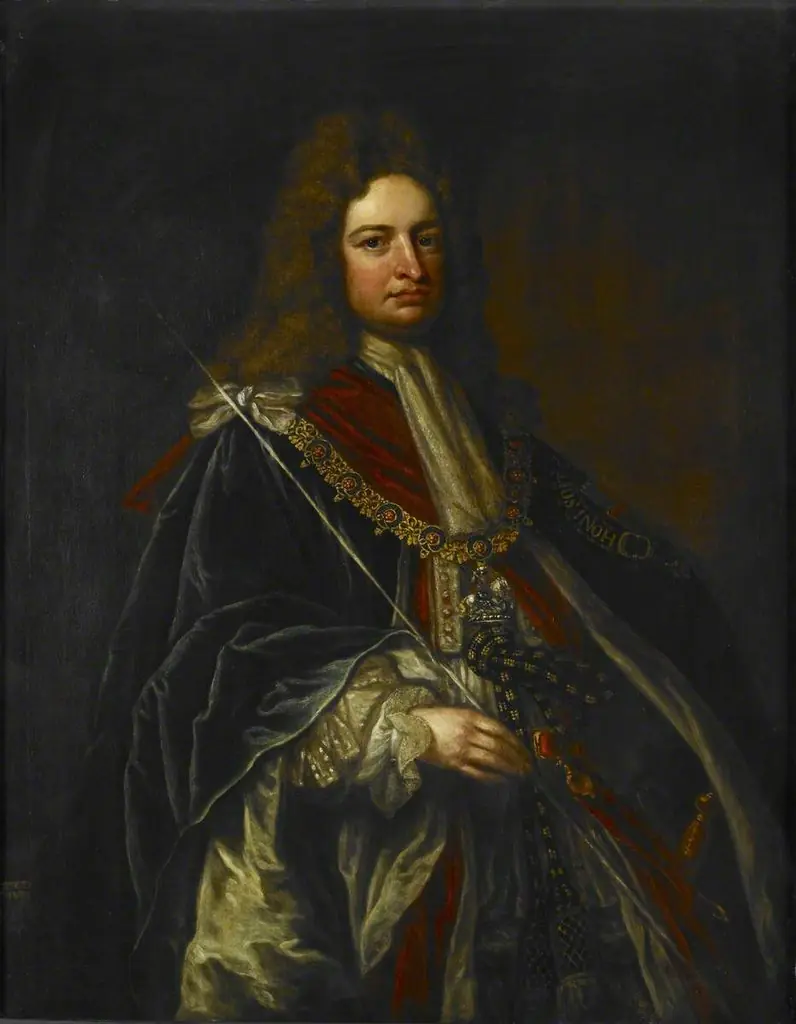 Robert Harley (1661–1724), 1st Earl of Oxford and Mortimer