Artwork
Portrait of a child with a toy goat
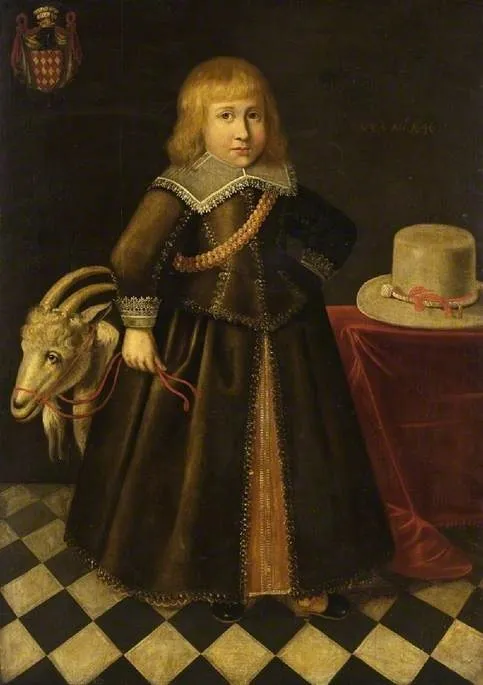
Portrait of a child with a toy goat is an oil painting by the Dutch Golden Age artist Unknown. It dates from 1646 and is held in the collection of the Fitzwilliam Museum. The work is an oil painting depicting a young child dressed in an elaborate dark gown trimmed with gold.
About this work
Overview
The work is an oil painting depicting a young child dressed in an elaborate dark gown trimmed with gold. The figure stands on a checkerboard floor, clutching a small goat-shaped toy attached to a red leash, and is positioned beside a red table that bears a hat. The composition is set against a dark backdrop that accentuates the illuminated central figures.
Subject & Meaning
The portrait captures a moment of childhood play, emphasizing the relationship between the child and the toy goat, which appears to be fashioned from wood or ceramic. The lavish attire and the presence of decorative objects such as the hat suggest a setting of modest affluence, while the toy may symbolize innocence or pastoral nostalgia.
Technique & Style
Rendered in oil, the artist employs a limited palette of deep shadows contrasted with bright reds and gold accents, creating a striking visual hierarchy. The precise rendering of the dress’s high collar and cuffs, together with the smooth texture of the goat toy, demonstrates careful attention to material detail, while the checkerboard floor provides a geometric grounding for the scene.
History & Provenance
The painting is part of the collection of the Fitzwilliam Museum, where it is displayed as an example of portraiture that blends domestic interior with symbolic objects. Its acquisition details are not specified, but its presence in the museum indicates recognition of its relevance to the institution’s holdings of European oil paintings.
Artist & collection

 Domestic Scene
 Giacomo and Cardinal Marco, investing Andrea, Abbot of San Zeno, with his Benefice
 The Nymph of Fontainebleau
 Portrait of a Woman
 Madonna and Child with Saints in the Enclosed Garden
 Venus and Minerva
 Family Group of Four on Sofa
 Wall painting from Room H of the Villa of P. Fannius Synistor at Boscoreale
 Portrait of a Boy
 Portrait of a boy with a billygoat
 Frances Tradescant
 Portrait of a Boy
 John Tradescant III
 Portrait of a Young Boy
 Robert Gibbs at 4 1/2 Years
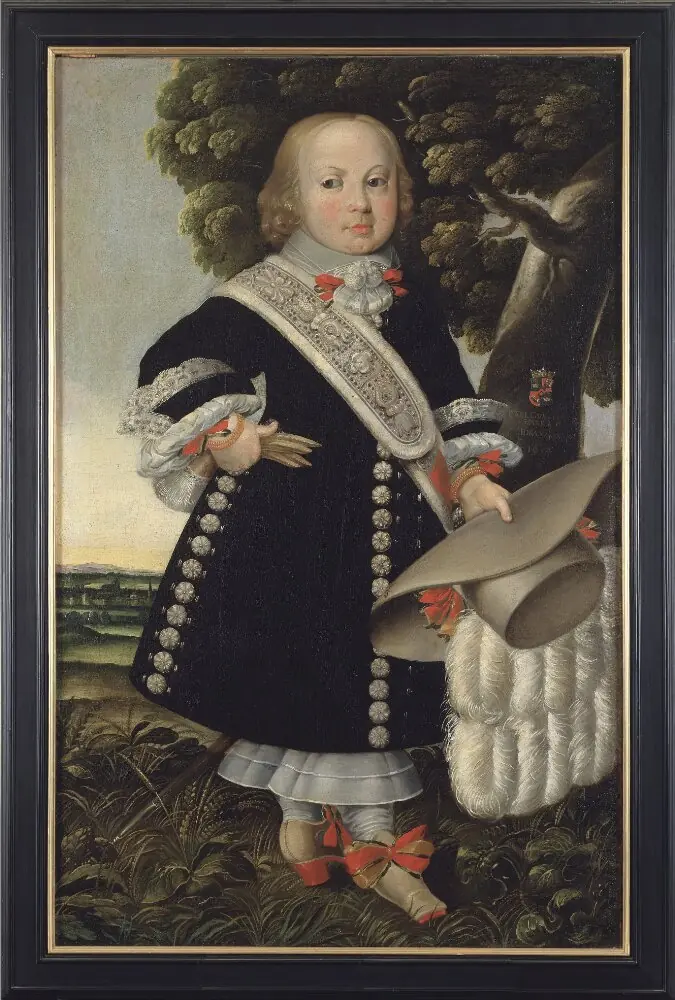 Carl Gustaf Göransson Ulfsparre som levande
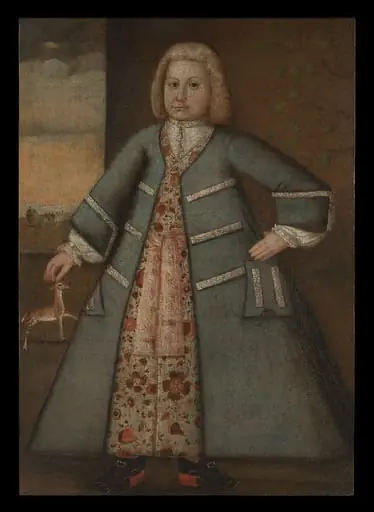 Boy with a Fawn
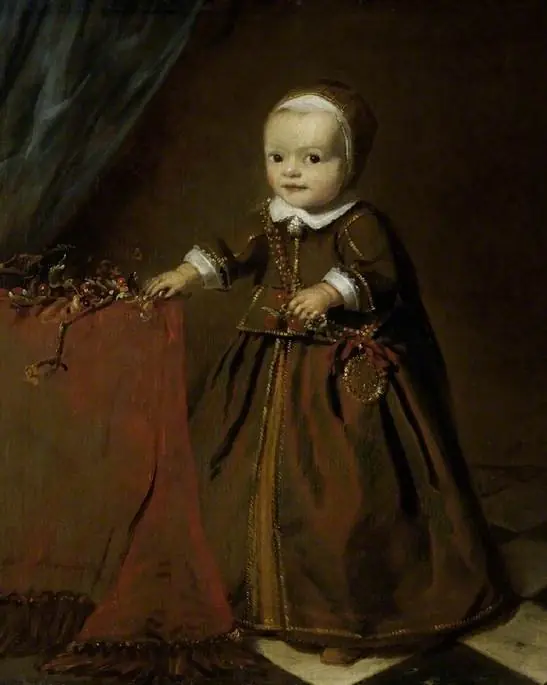 Portrait of a child, presumed Mattys Decker (b.1679)
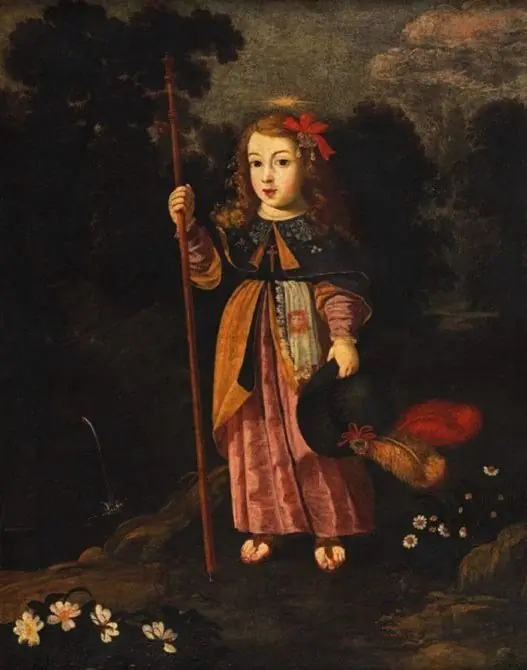 Child Jesus Pilgrim
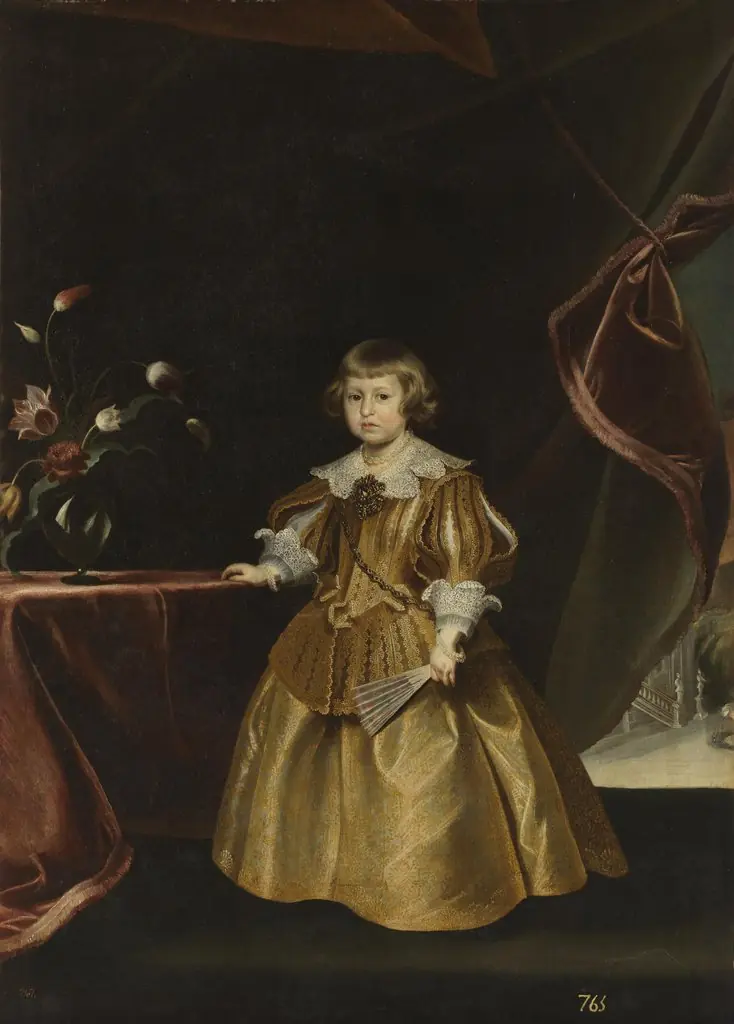 Portrait of an infanta