Artwork
Mary Tudor
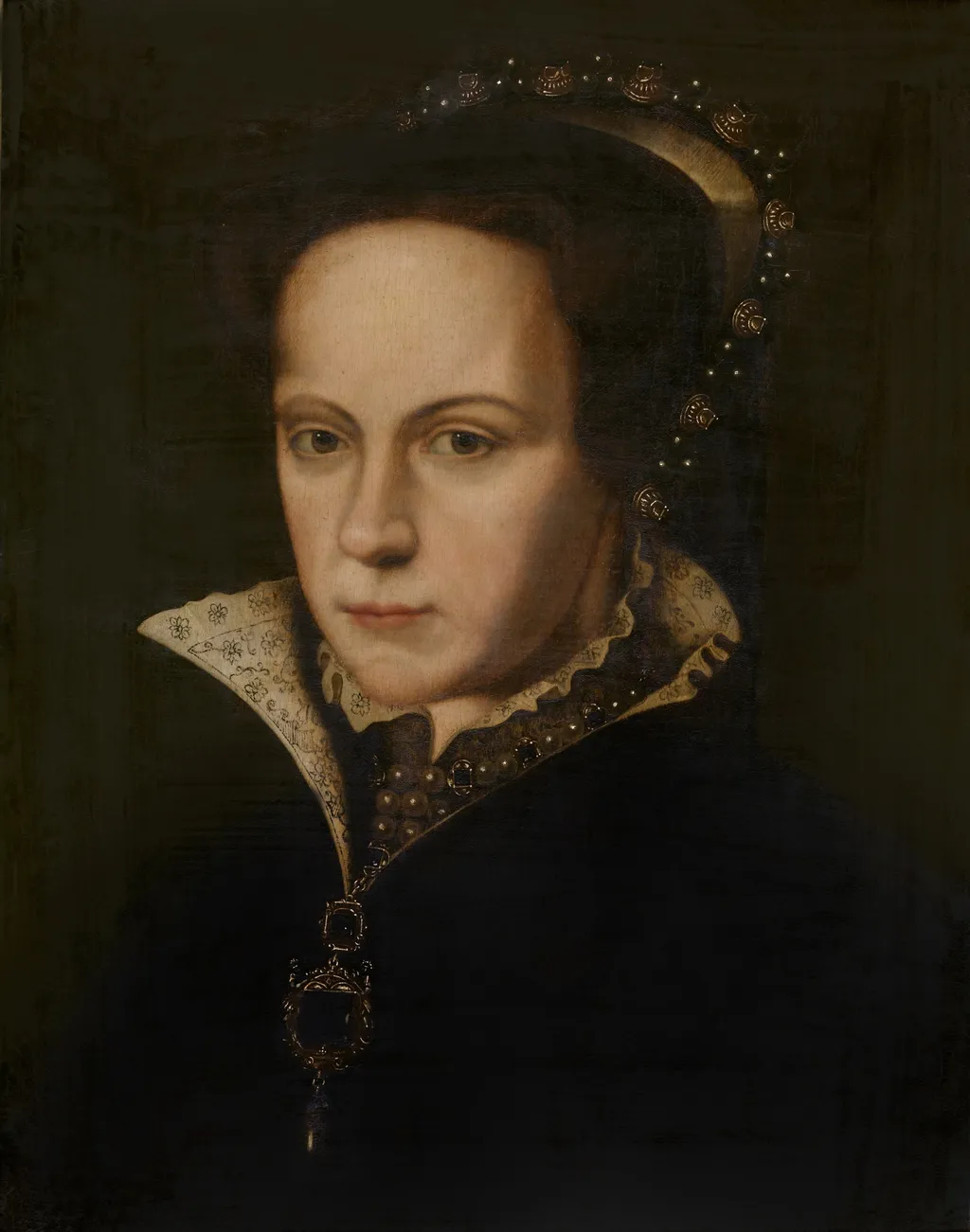
Mary Tudor is an oil painting by the Mannerist artist Unknown. It dates from 1550 and is held in the collection of the Royal Museum of Fine Arts Antwerp. The work is an oil portrait that presents a woman from the shoulders up.
About this work
Overview
The work is an oil portrait that presents a woman from the shoulders up. She is dressed in a black gown with a high, lace‑trimmed collar, and a dark headdress set with a gold band and jewels. Her hair is gathered back, and she gazes directly ahead with a neutral expression, set against a dark, unadorned background that emphasizes her formal bearing.
Subject & Meaning
The sitter is identified as Mary Tudor, a member of the English royal family, whose attire and accessories signal high rank. The restrained pose and sober expression convey a sense of dignity and decorum typical of Tudor court portraiture, where visual emphasis on lineage and status often outweighed personal sentiment.
Technique & Style
Executed in oil on canvas, the painting employs a limited palette of deep blacks, muted browns, and subtle flesh tones, allowing the intricate lace and jeweled headdress to stand out. Fine brushwork renders the texture of the fabric and the sparkle of the ornaments, while the smooth modeling of the face creates a lifelike yet formal presence.
History & Provenance
The portrait dates from the early 16th century, a period when oil painting became the preferred medium for English court commissions. It has remained within private collections for most of its existence, with documented ownership passing through several aristocratic families before entering its current museum setting.
Context
During the Tudor era, portraiture served both political and dynastic purposes, reinforcing the legitimacy of the monarchy. The black dress and elaborate headpiece reflect contemporary fashion trends among noblewomen, while the solemn composition aligns with the period’s emphasis on restraint and authority in royal imagery.
Legacy
The painting contributes to the visual record of Tudor royalty, offering scholars material evidence of clothing, jewelry, and portrait conventions of the time. Its preservation allows ongoing study of early English oil techniques and the ways in which portraiture articulated power and identity in the 1500s.
Artist & collection

 Domestic Scene
 Giacomo and Cardinal Marco, investing Andrea, Abbot of San Zeno, with his Benefice
 The Nymph of Fontainebleau
 Portrait of a Woman
 Madonna and Child with Saints in the Enclosed Garden
 Venus and Minerva
 Family Group of Four on Sofa
 Wall painting from Room H of the Villa of P. Fannius Synistor at Boscoreale
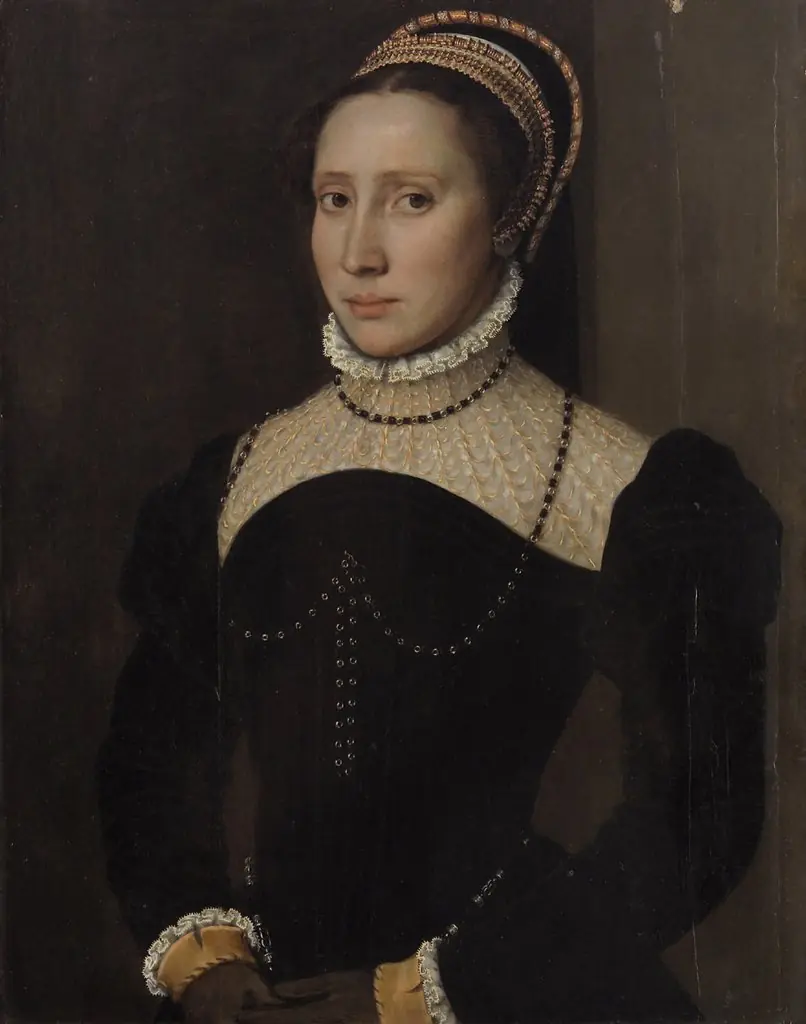 Weibliches Bildnis
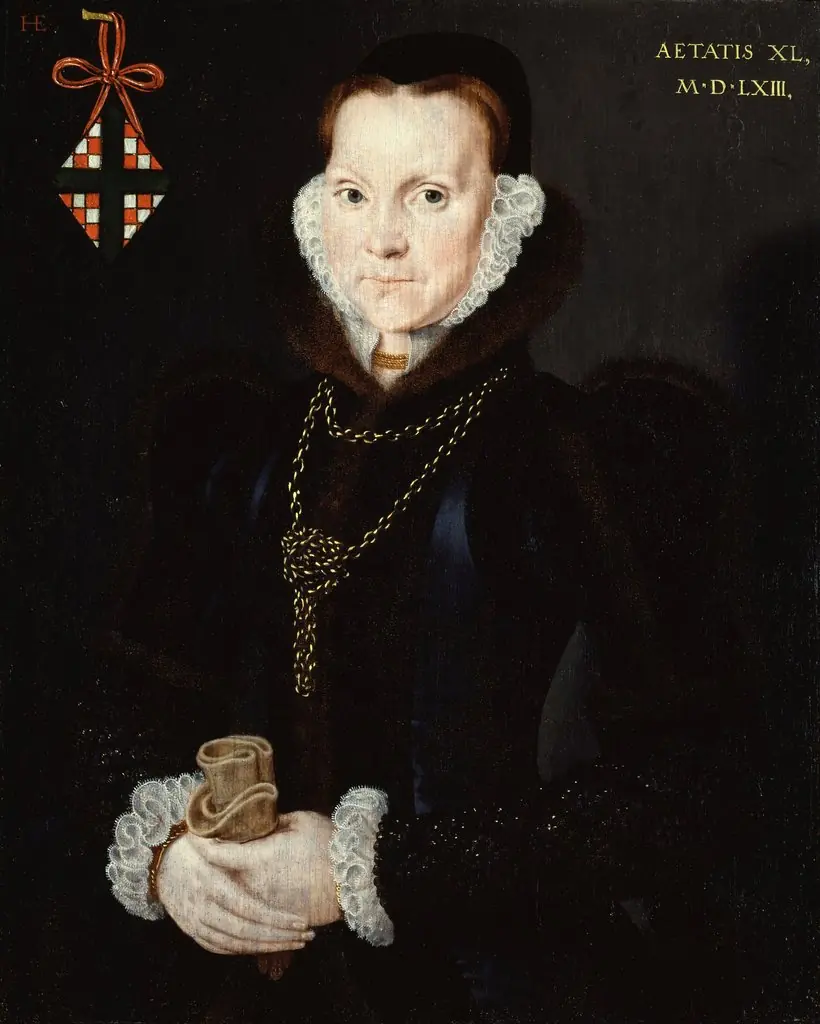 Elizabeth Roydon, Lady Golding
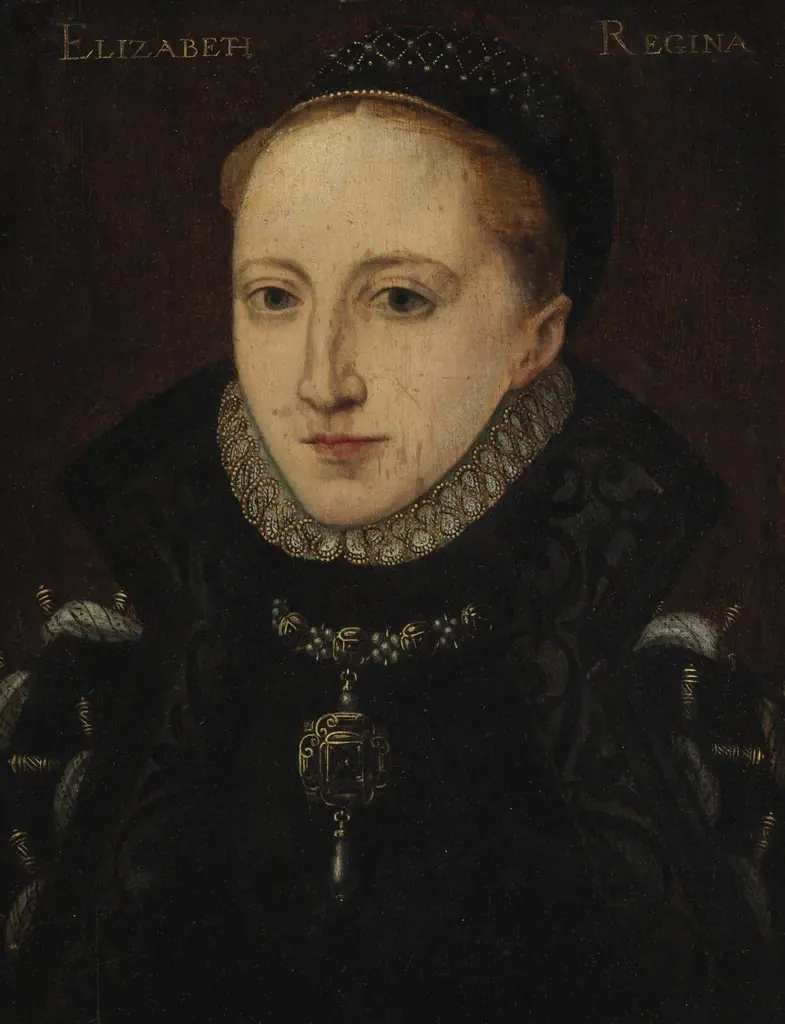 Portrait of Elizabeth I, Queen of England (1503-1603)
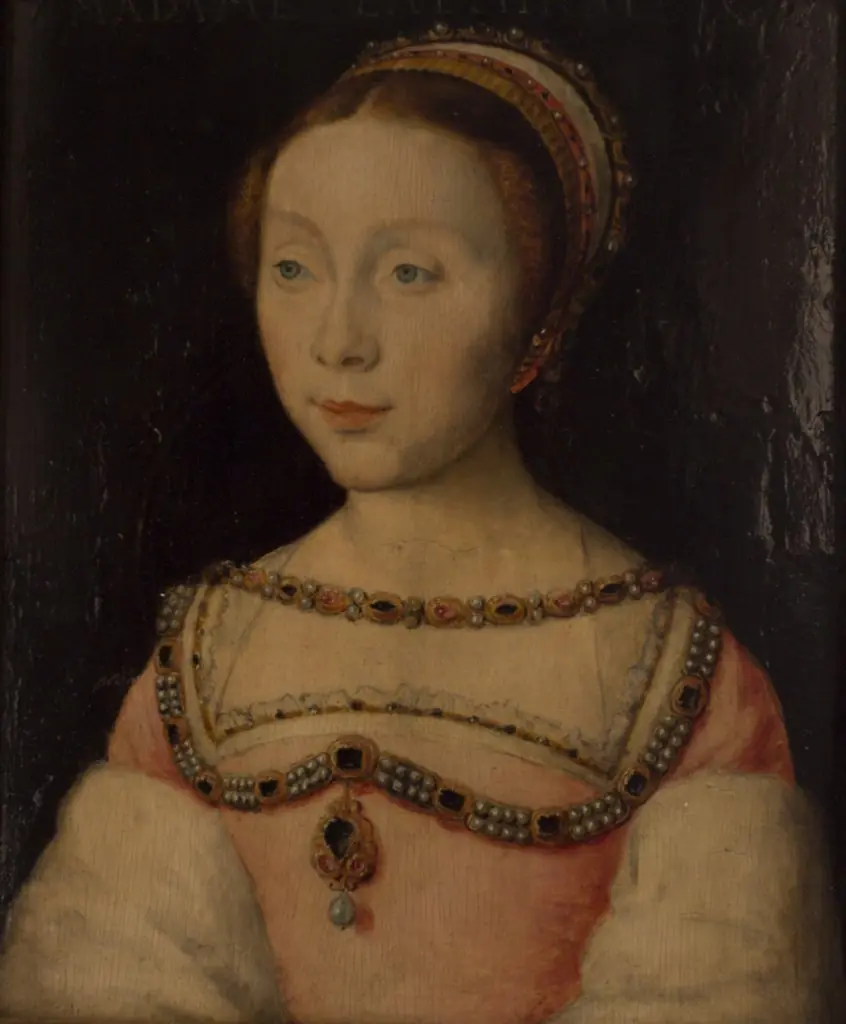 Françoise de Longwy, Countess of Chabot
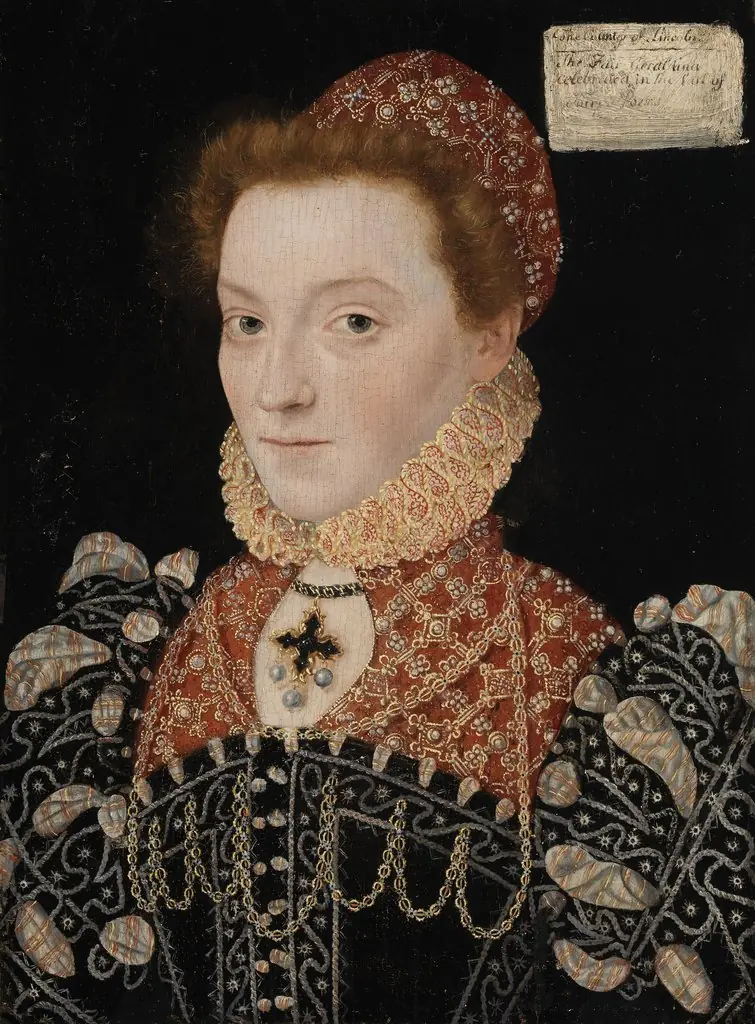 Portrait of 'The Fair Geraldine' (Elizabeth Fitzgerald, Countess of Lincoln, c1528-1590)
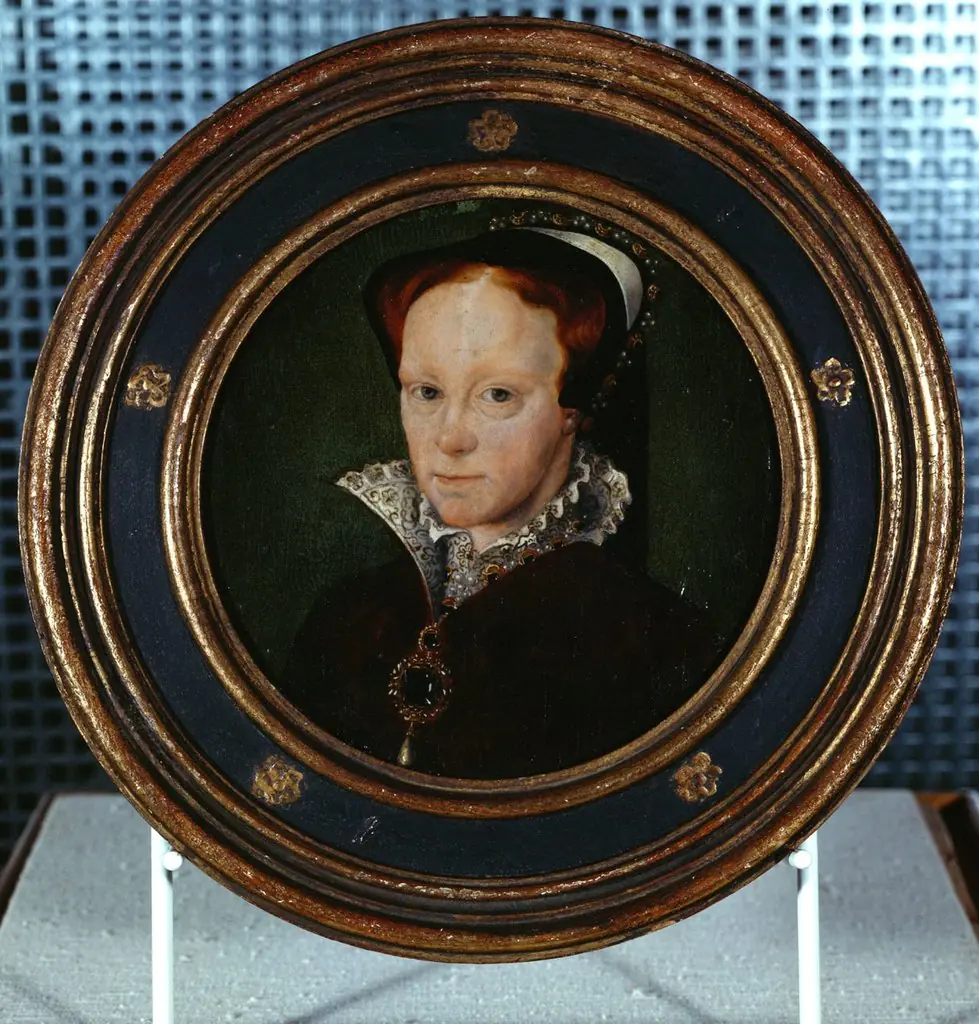 Königin Maria die Katholische (1516-1558) von England, Brustbild
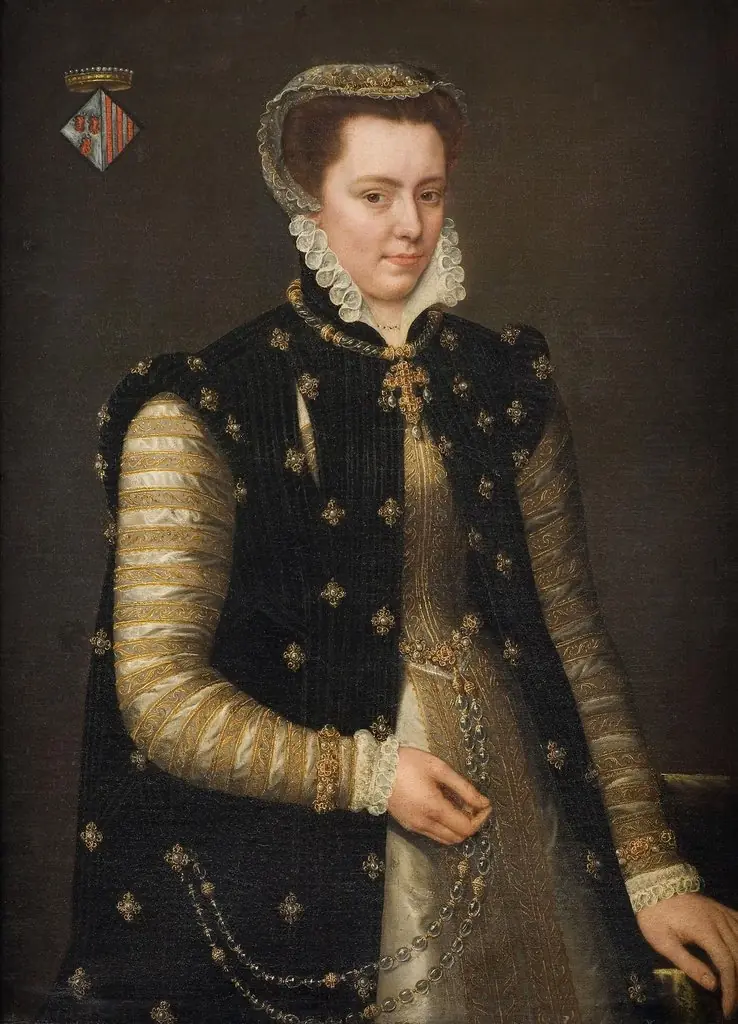 Portrait of Margaret of Parma
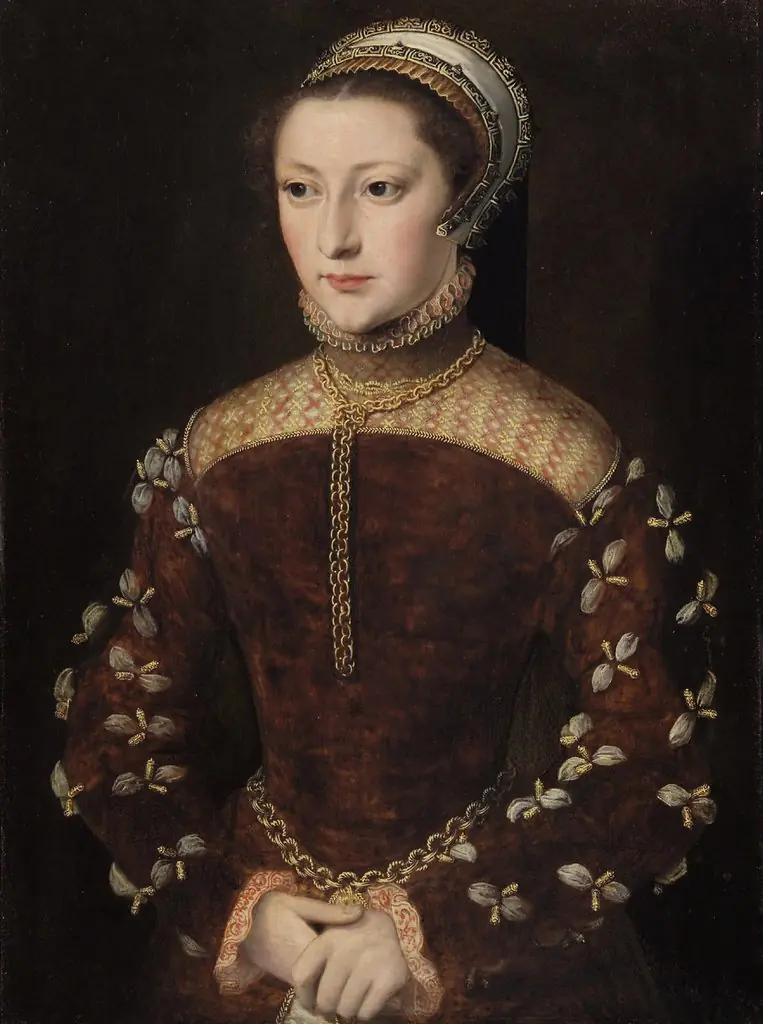 Weibliches Bildnis
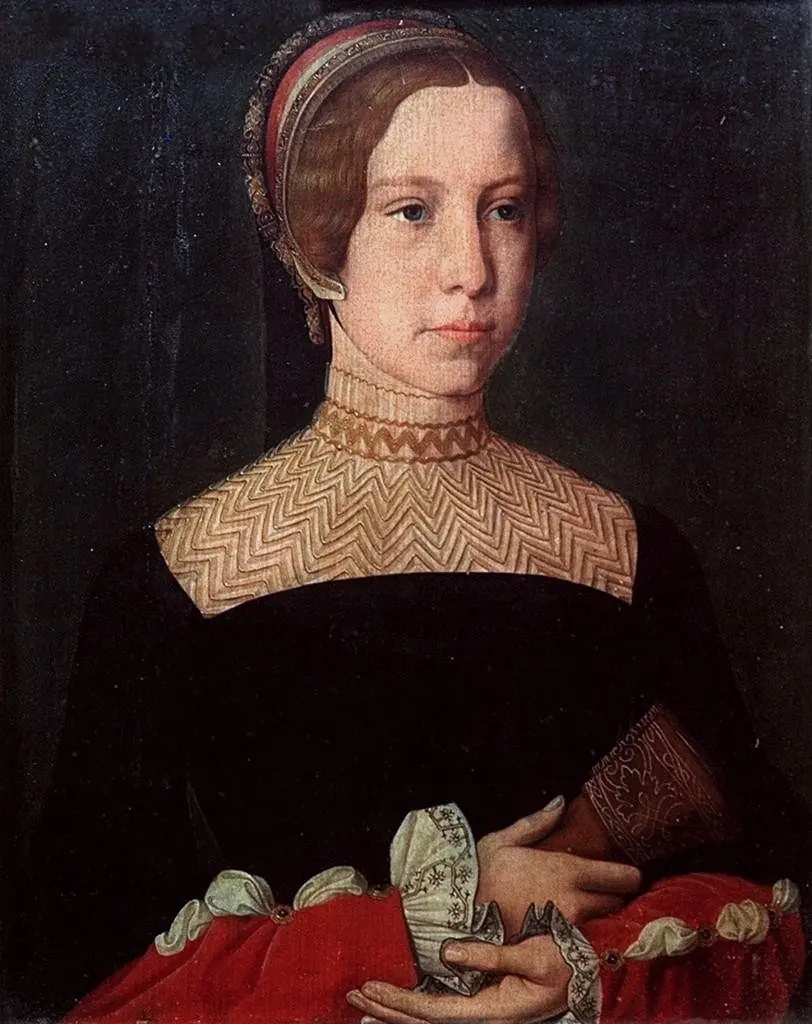 Ritratto di donna (Madeleine de la Tour d'Auvergne ?)
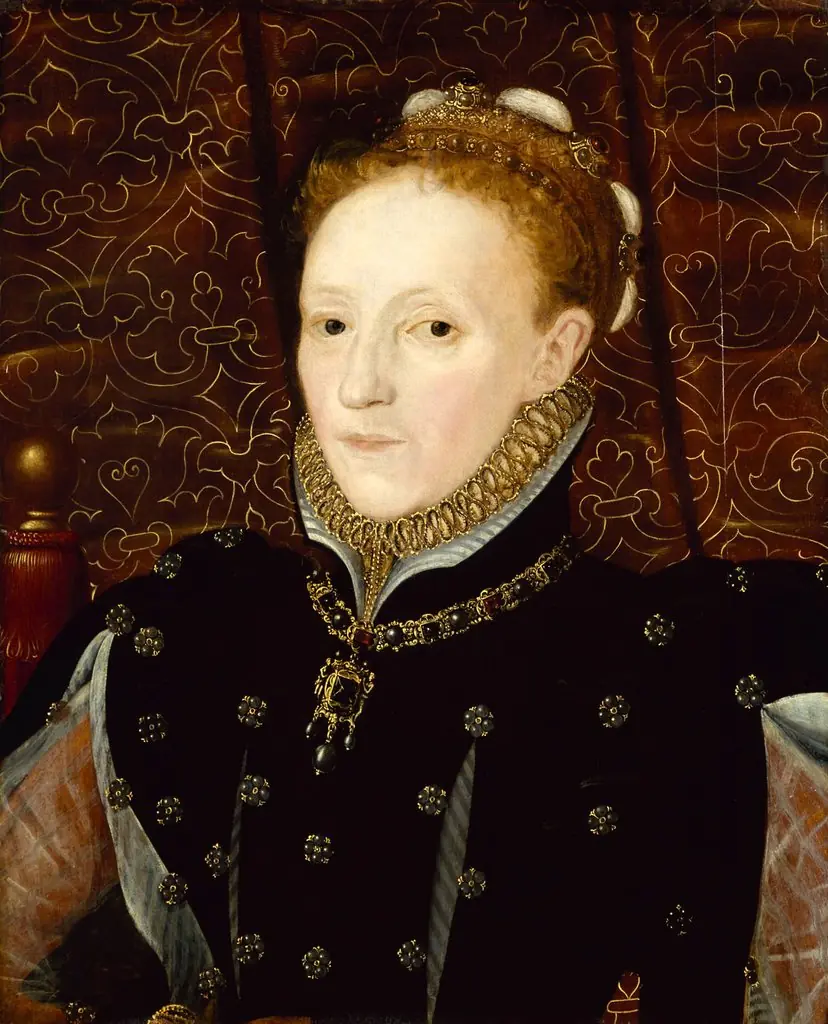 Elizabeth I