Artwork
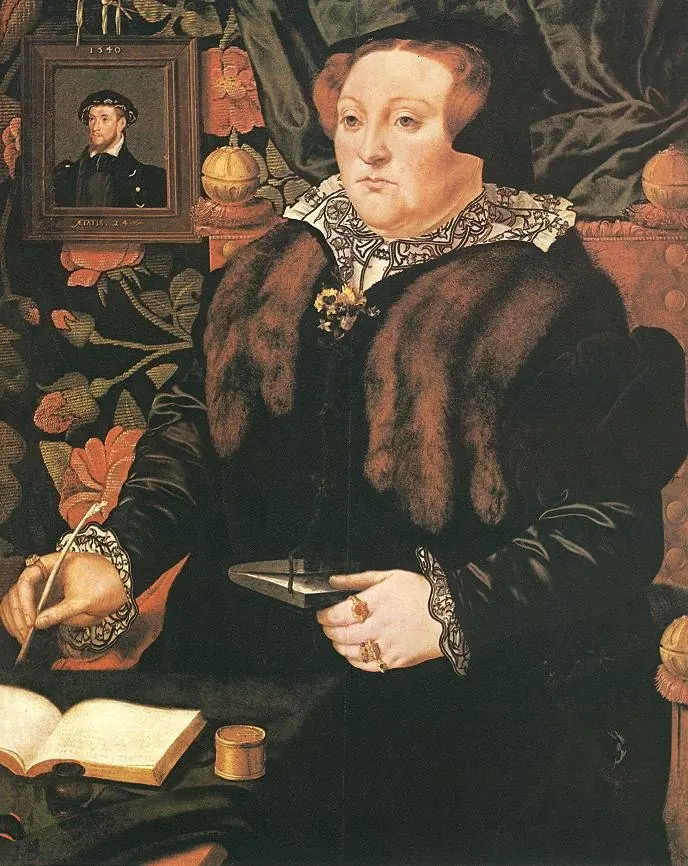
Elizabeth Roydon, Lady Golding
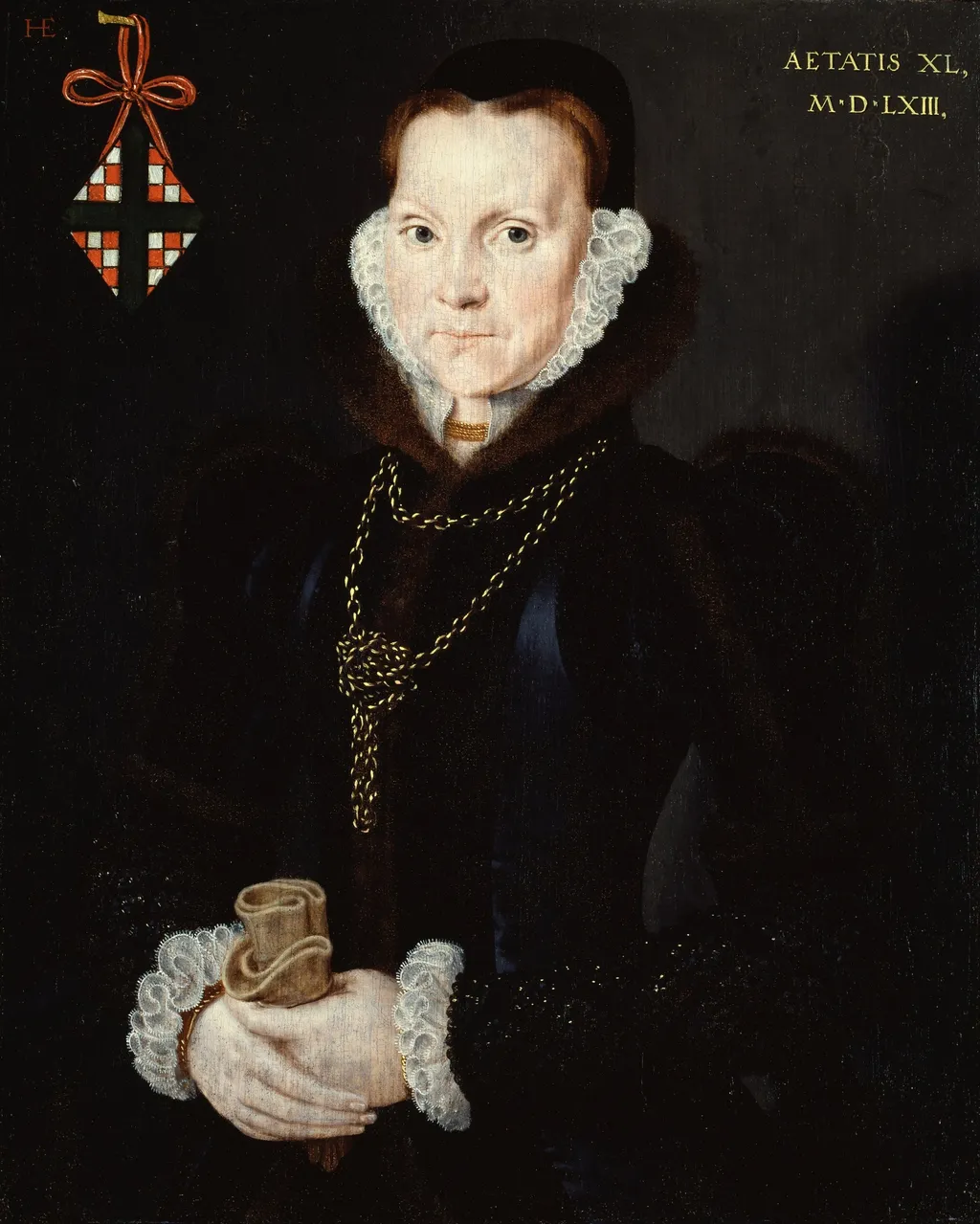
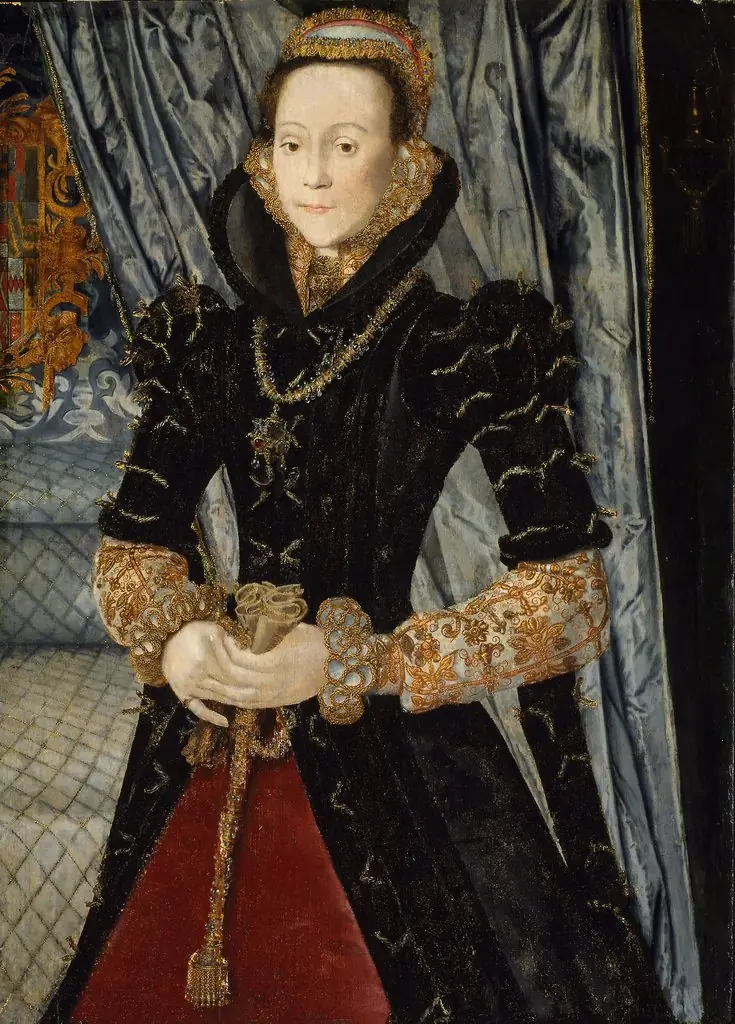
Elizabeth Roydon, Lady Golding is an oil painting by the Early Baroque Italian artist Hans Eworth. It dates from 1563 and is held in the collection of the Tate Britain.
About this work
Overview
The portrait *Elizabeth Roydon, Lady Golding*, painted in 1563 by Hans Eworth, is an oil on panel work held at Tate Britain. It exemplifies the artist's skill in capturing the likeness and status of his sitters.
Subject & Meaning
The sitter, dressed in formal attire with a gold necklace and holding a rolled paper, is depicted with an object featuring a red and white checkered pattern in the upper left corner, possibly a symbol of her identity or status.
Technique & Style
Eworth's use of oil paint achieves a high level of detail and realism, characteristic of his work and the influences of the early Baroque style. The painting showcases the artist's ability to render textures, such as the white lace cuffs and black dress.
History & Provenance
Hans Eworth, a Flemish artist active in mid-16th-century England, catered to the gentry and nobility, including notable figures like Mary I and Elizabeth I. His work is associated with the community of exiled Flemish artists in Tudor London.
Artist & collection
Artist
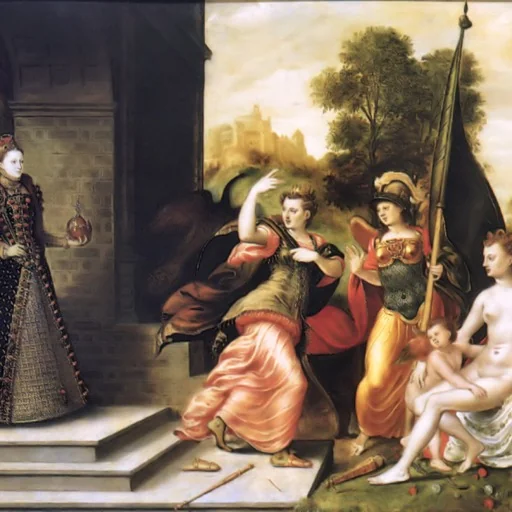
Hans Eworth (or Ewouts; c. 1520–1574) was a Flemish painter active in England in the mid-16th century. Along with other exiled Flemings, he made a career in Tudor London, painting allegorical images as well as portraits…

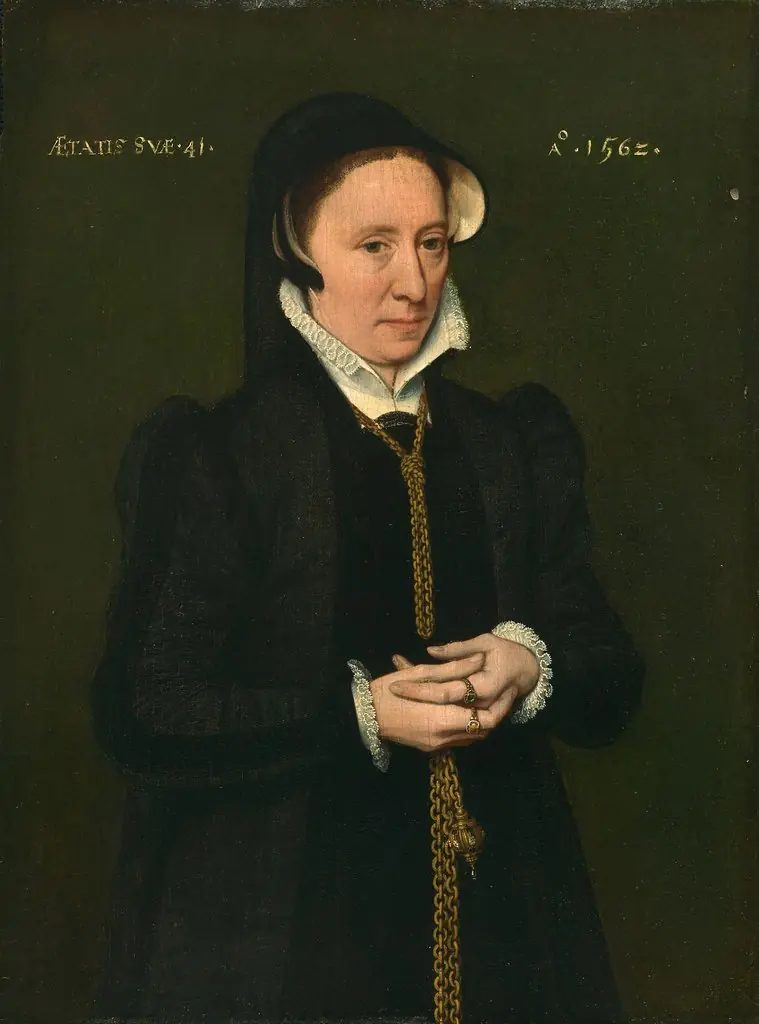 Portrait of a Woman
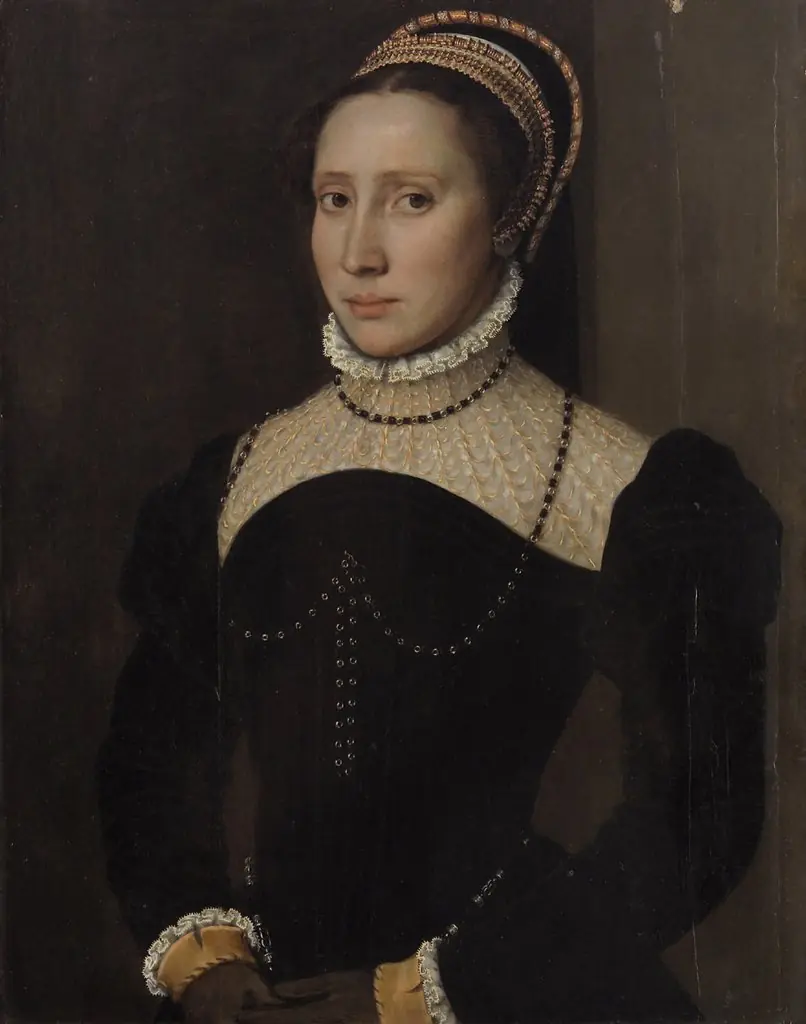 Weibliches Bildnis
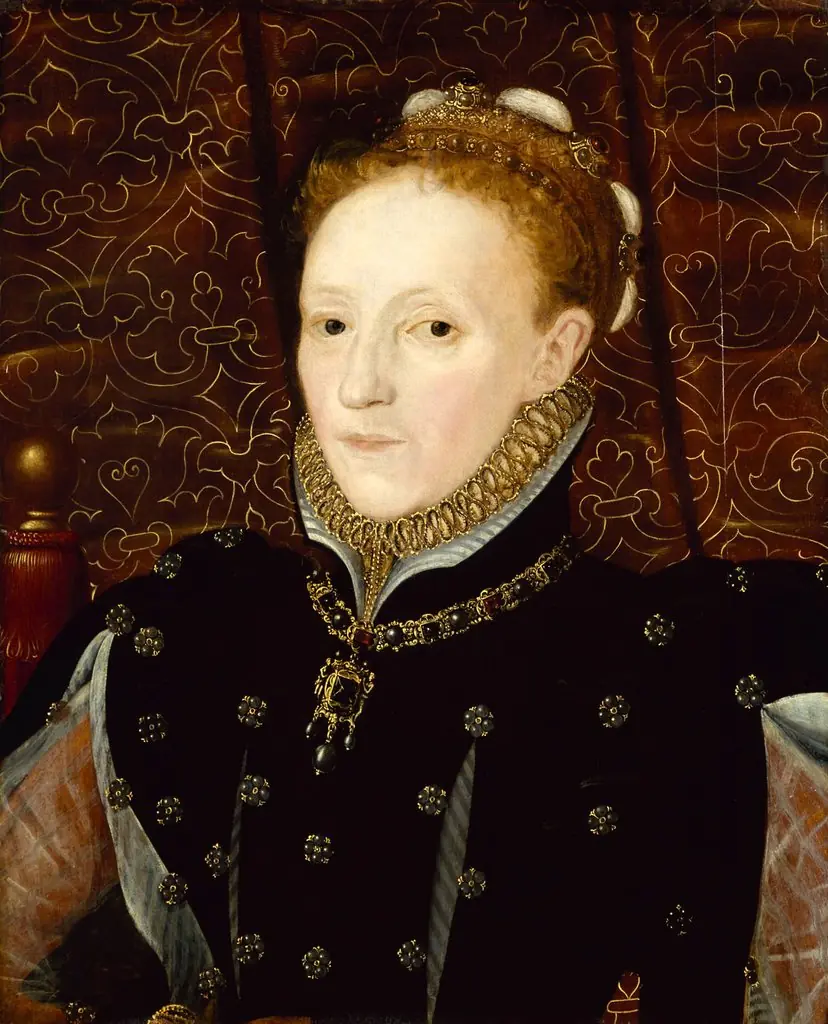 Elizabeth I
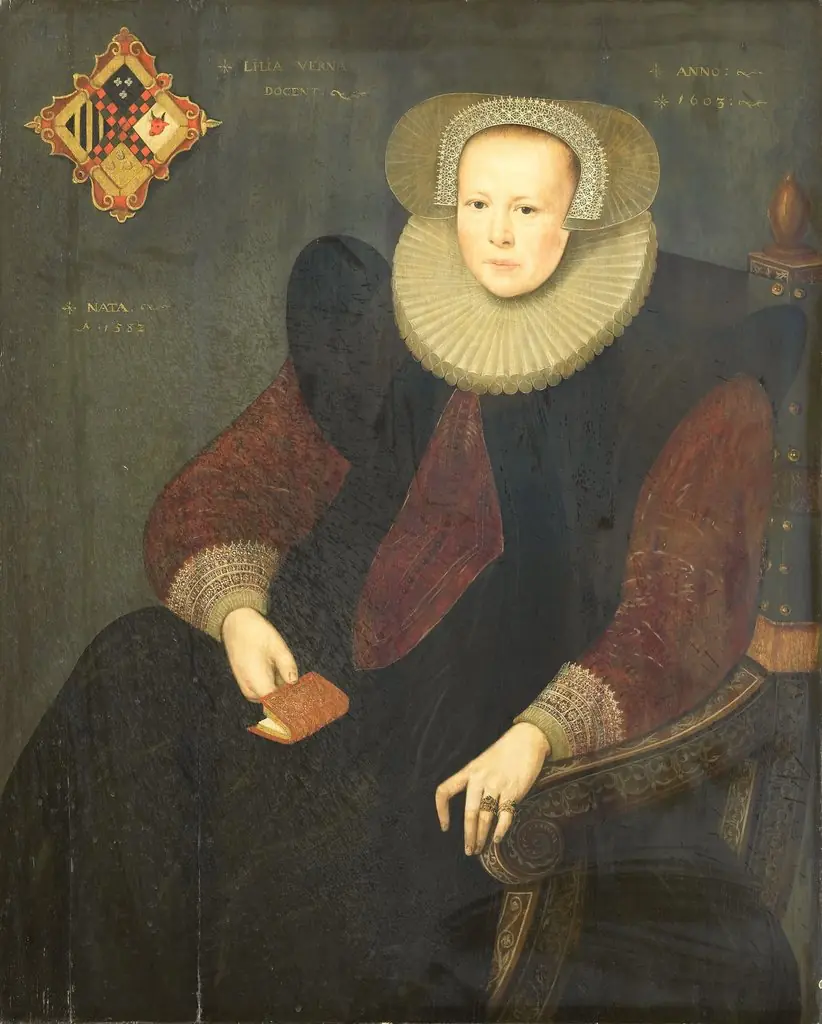 Portrait of a woman, pendant to portrait of a botanist
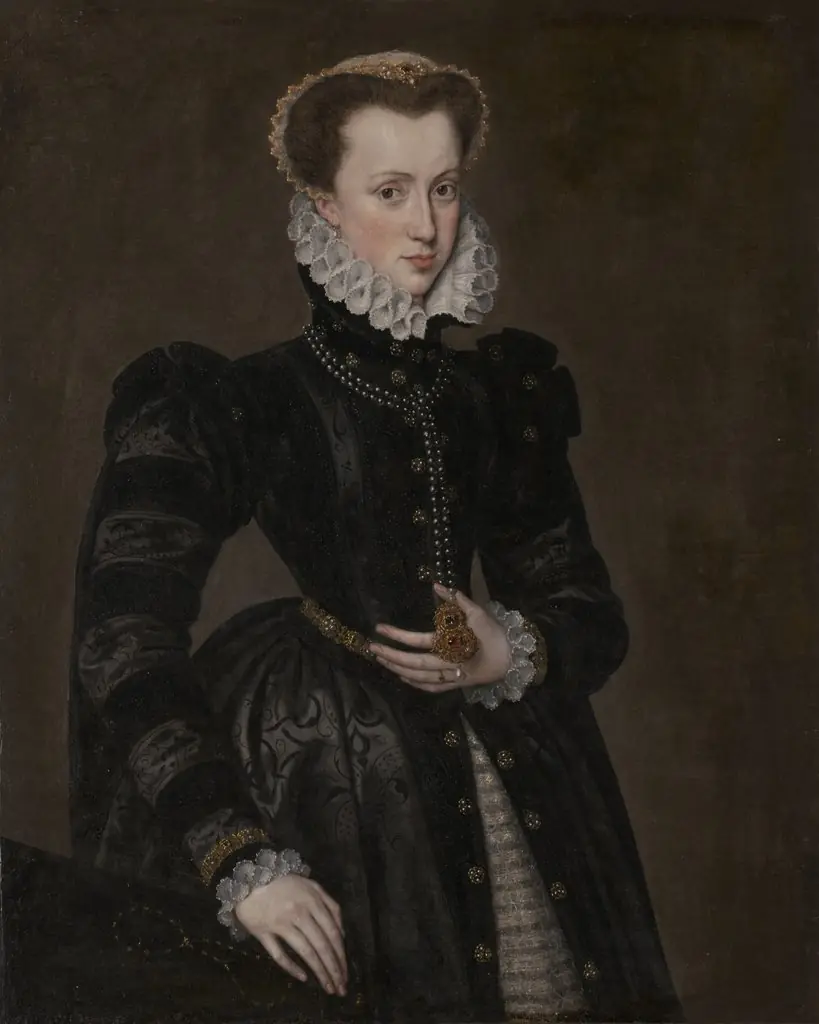 Portrait of a Court Lady
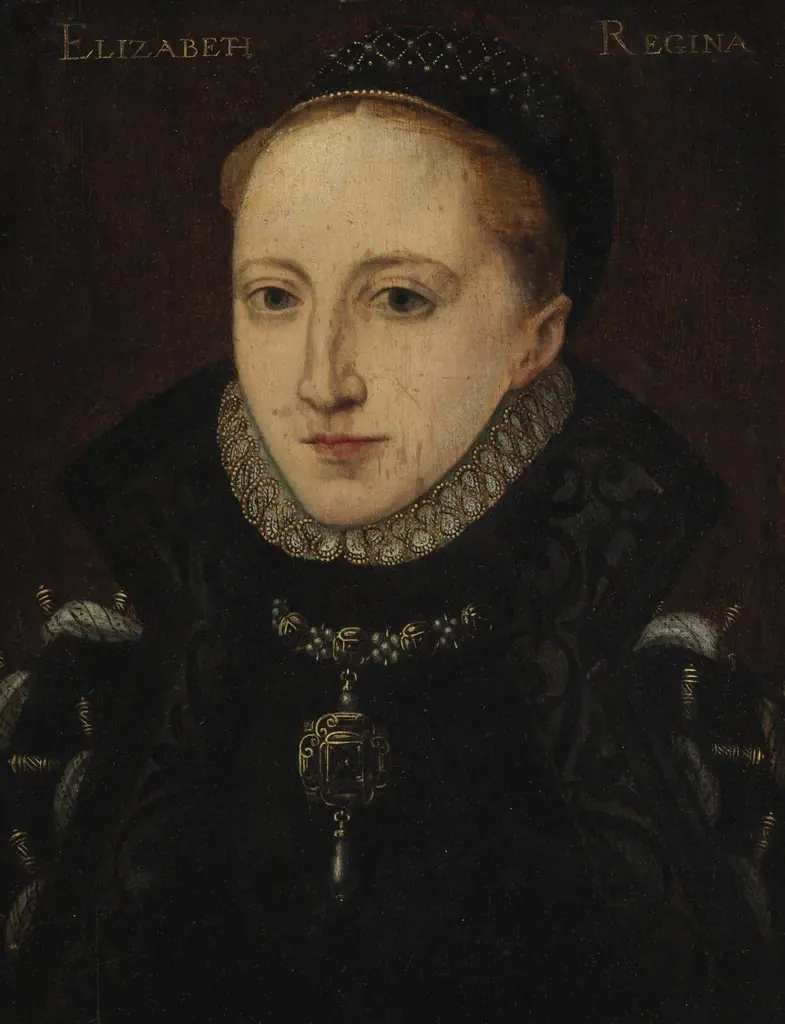 Portrait of Elizabeth I, Queen of England (1503-1603)
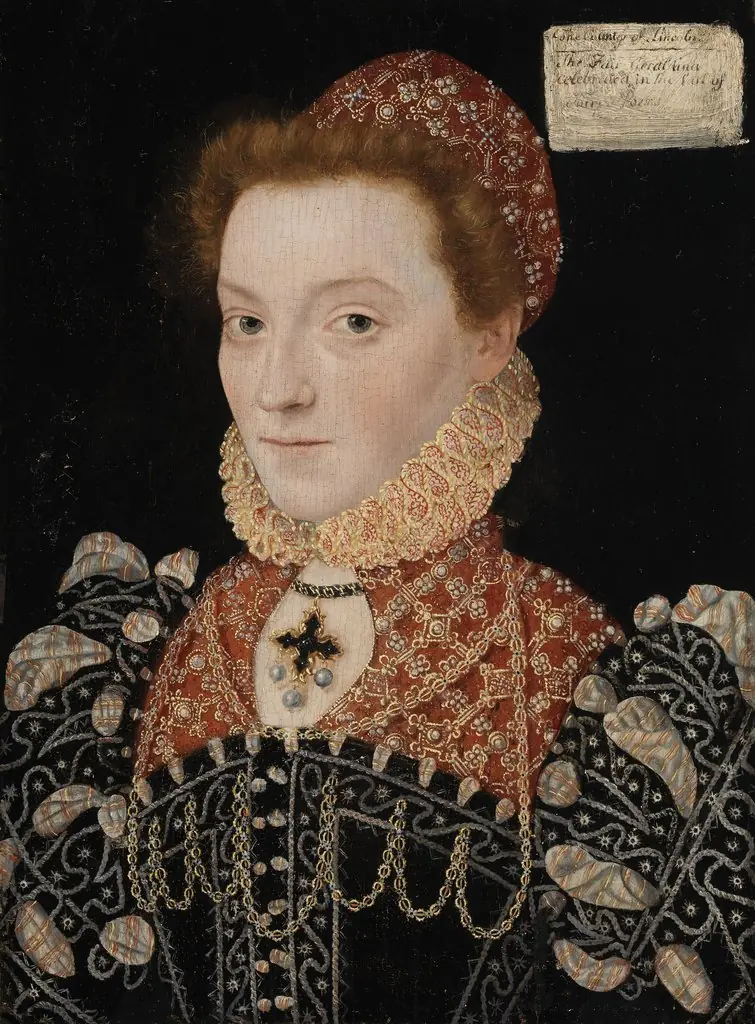 Portrait of 'The Fair Geraldine' (Elizabeth Fitzgerald, Countess of Lincoln, c1528-1590)
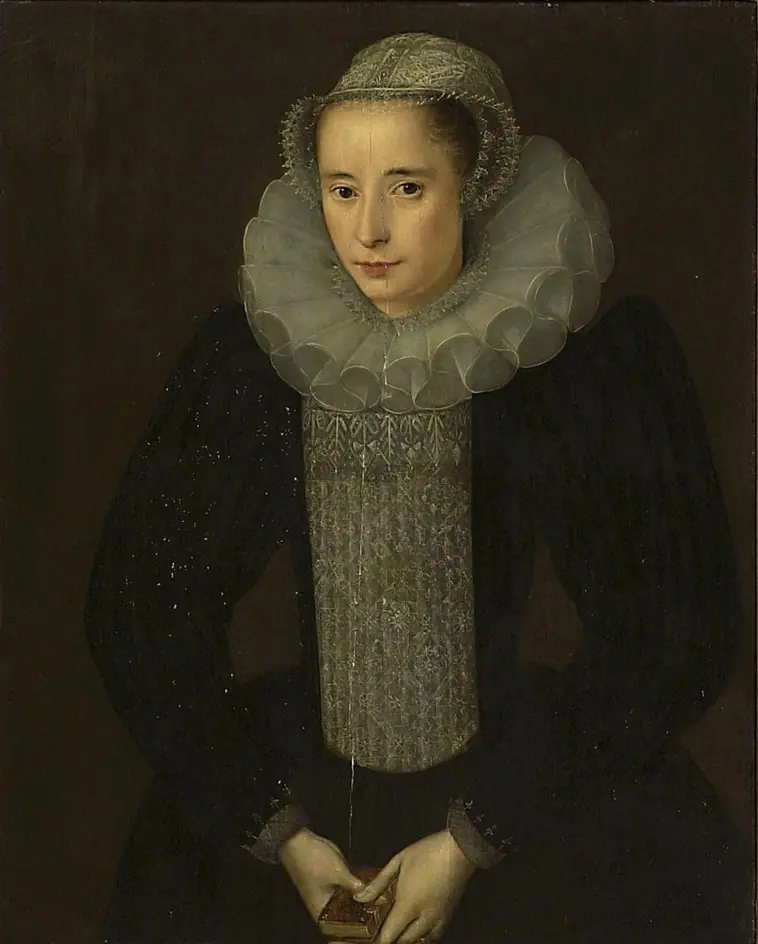 Portrait of a Lady holding a Book
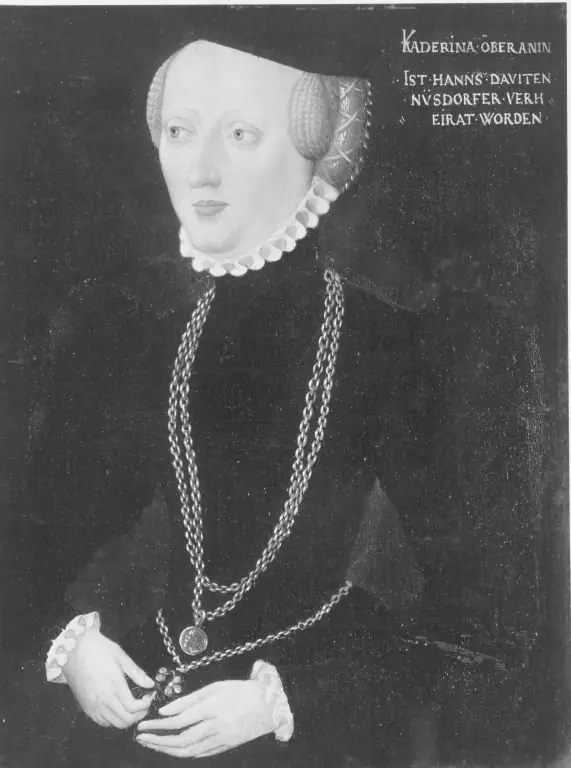 Portrait of Katharina Ebran
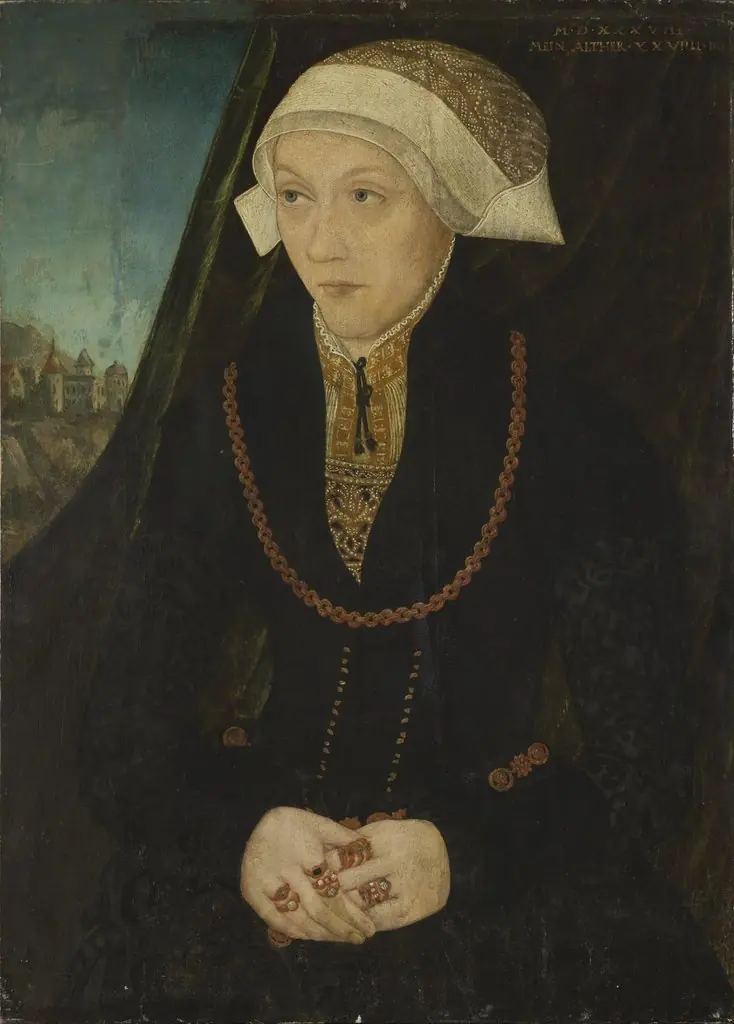 Portrait of a woman