Artwork
Portrait of Elizabeth I, Queen of England (1503-1603)
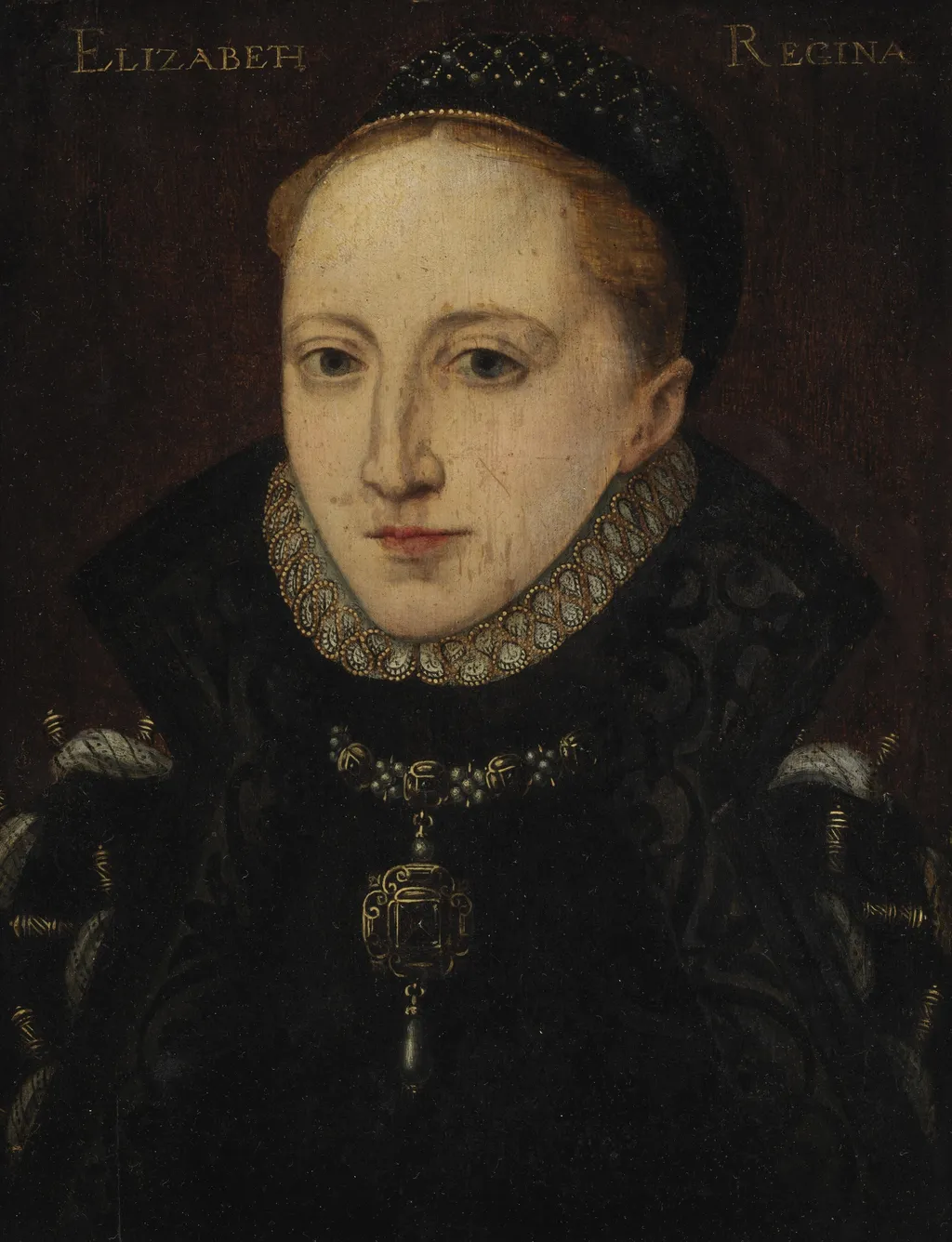
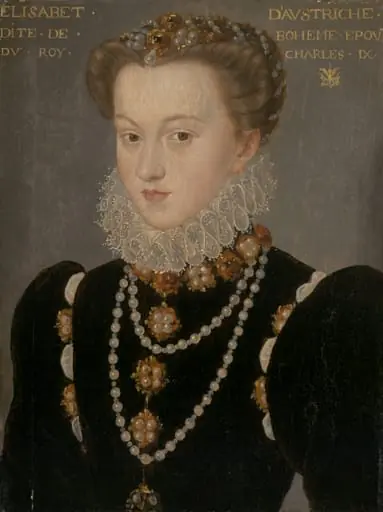
Portrait of Elizabeth I, Queen of England (1503-1603) is an unspecified painting by the Mannerist artist Unknown. It dates from 1560 and is held in the collection of the National Gallery of Ireland. This portrait depicts Elizabeth I of England, ruler from 1558 to 1603, rendered in a formal half-length composition.
About this work
Overview
The subject is shown from the chest upward, facing slightly to the right, against a deep, unmodulated background that isolates her figure.
This portrait depicts Elizabeth I of England, ruler from 1558 to 1603, rendered in a formal half-length composition. The subject is shown from the chest upward, facing slightly to the right, against a deep, unmodulated background that isolates her figure. Her attire includes a black gown and a matching hat, both embellished with fine pearl detailing, emphasizing status and restraint. The dark setting enhances the luminosity of her features and the precision of textile patterns.
Subject & Meaning
Elizabeth is portrayed with controlled dignity, her red hair and pale complexion aligned with contemporary ideals of royal beauty. The black clothing and pearl adornments reflect both mourning attire and symbolic purity, reinforcing her image as the Virgin Queen. The absence of overt regalia shifts focus to her personal authority, suggesting rule grounded in character rather than ceremonial display.
Technique & Style
The painting employs fine brushwork to render the texture of fabric and the sheen of pearls, demonstrating skilled handling of surface detail. The dark background is applied uniformly, creating a stark contrast that draws attention to the subject’s face and costume. Lighting is even and directional, modeling the features without dramatic chiaroscuro, consistent with late Tudor portraiture’s emphasis on clarity and decorum.
History & Provenance
The painting’s origins are undocumented, but its style aligns with English court portraiture of the late 16th century. It likely originated in the royal collection, possibly commissioned to affirm Elizabeth’s public image. No definitive record of its early ownership or artist exists, though it bears resemblance to works produced by anonymous painters in the Tudor workshop tradition.
Context
During Elizabeth’s reign, portraiture served political ends, disseminating controlled images of the monarch across England and abroad. This portrait reflects the shift from medieval iconography to more naturalistic, yet highly stylized, representations. The emphasis on modest dress and restrained ornamentation contrasts with continental trends, underscoring England’s distinct cultural identity under her rule.
Legacy
The portrait contributes to the enduring visual language of Elizabethan authority, reinforcing the mythos of the Virgin Queen through disciplined aesthetics. Though not attributed to a named artist, its compositional choices influenced later depictions of English royalty. It remains a reference point for understanding how image-making supported political legitimacy in early modern England.
Artist & collection

 Domestic Scene
 Giacomo and Cardinal Marco, investing Andrea, Abbot of San Zeno, with his Benefice
 The Nymph of Fontainebleau
 Portrait of a Woman
 Madonna and Child with Saints in the Enclosed Garden
 Venus and Minerva
 Family Group of Four on Sofa
 Wall painting from Room H of the Villa of P. Fannius Synistor at Boscoreale
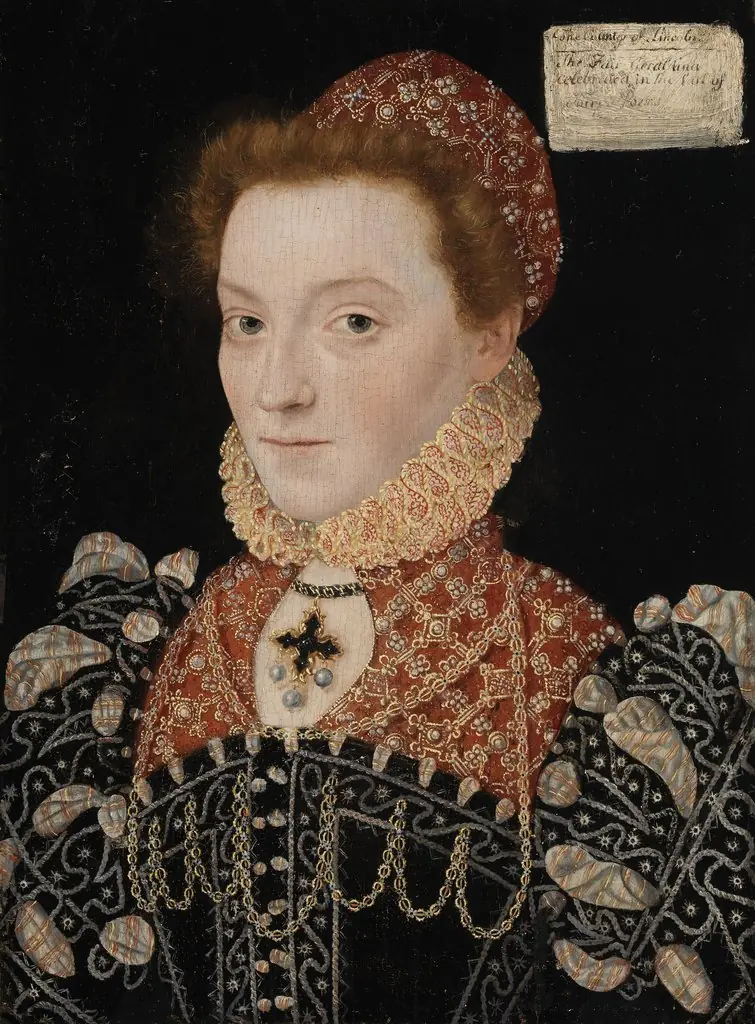 Portrait of 'The Fair Geraldine' (Elizabeth Fitzgerald, Countess of Lincoln, c1528-1590)
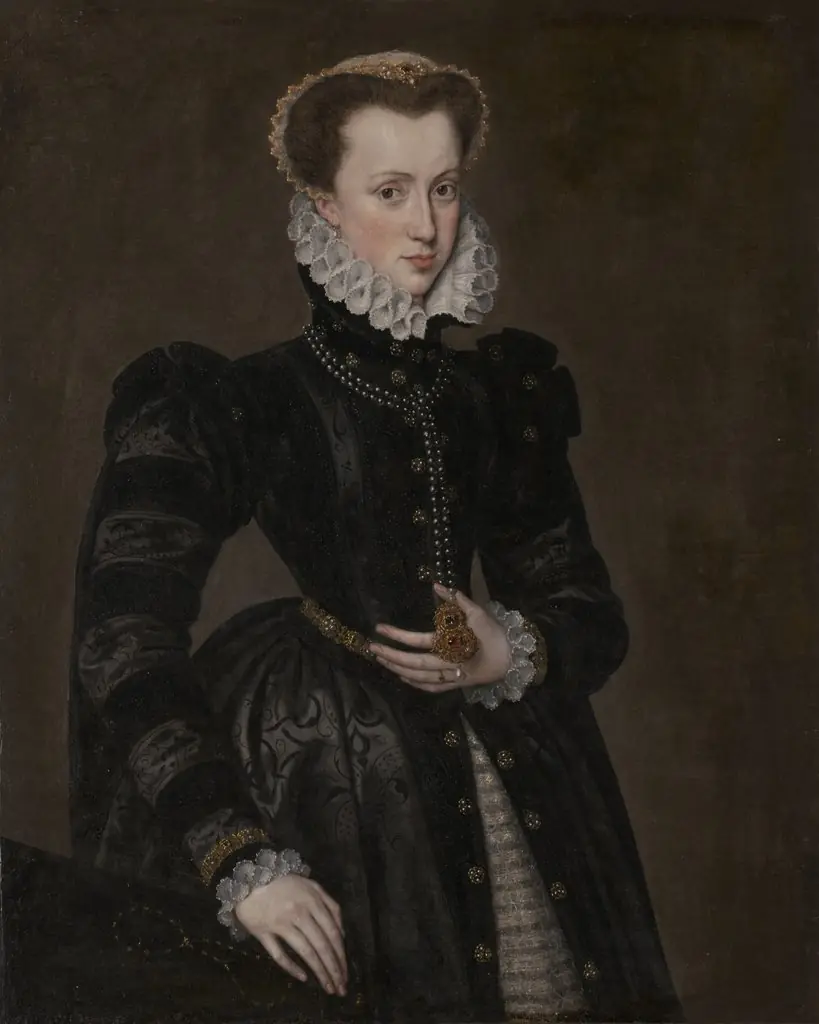 Portrait of a Court Lady
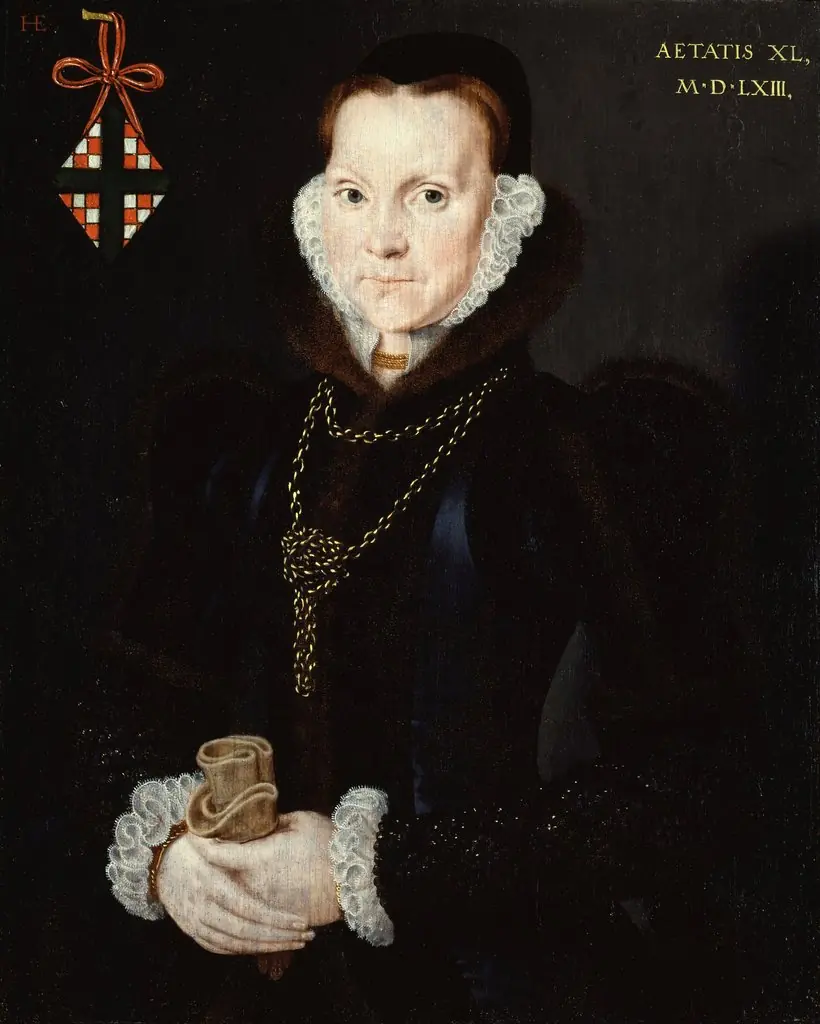 Elizabeth Roydon, Lady Golding
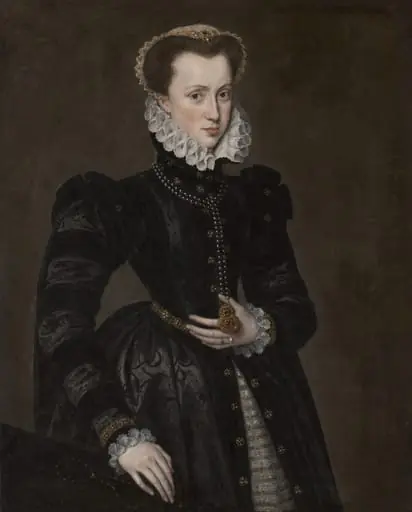 Portrait of a Court Lady
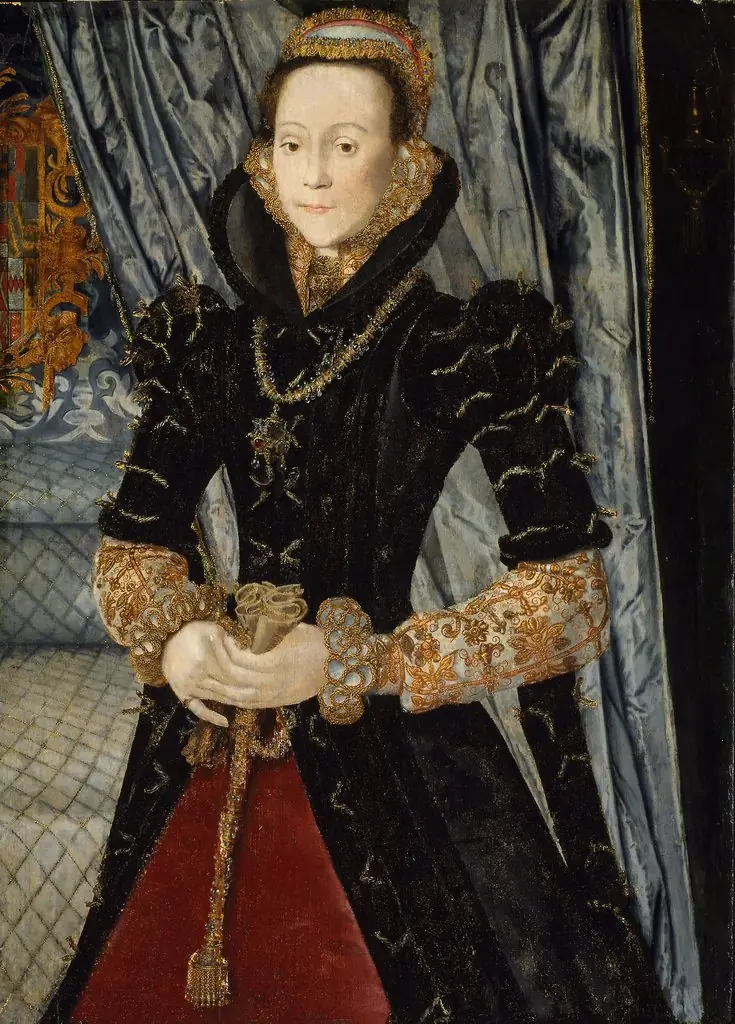 Portrait of a Lady of the Wentworth Family (Probably Jane Cheyne)
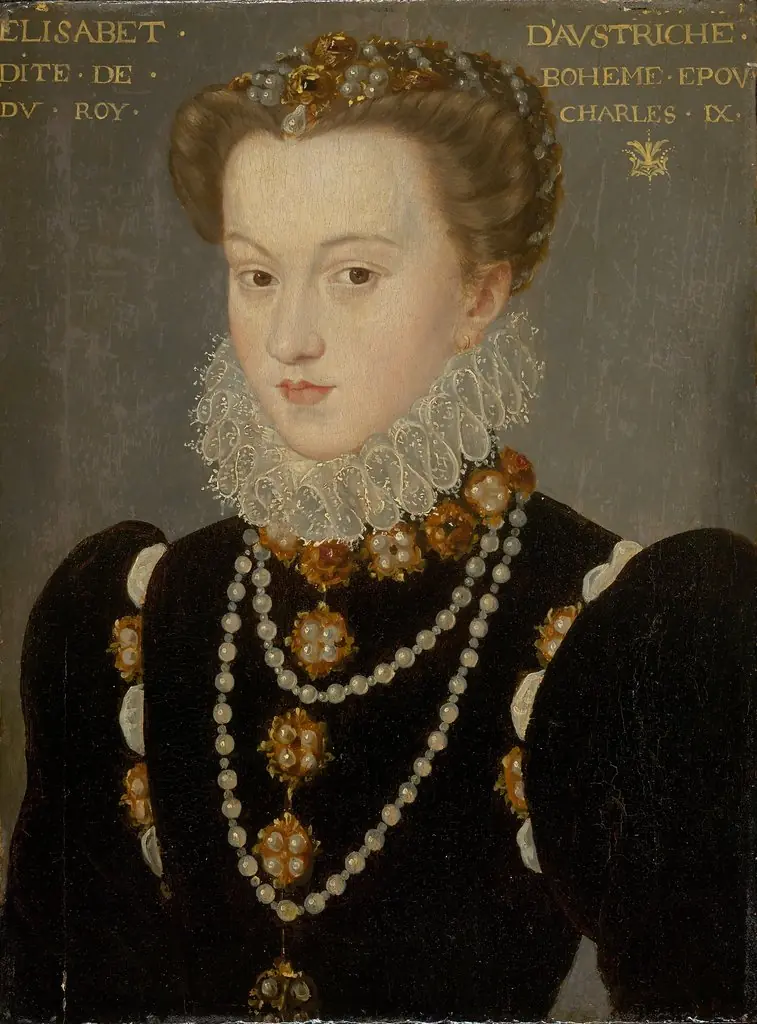 Portrait of Elizabeth of Austria, Wife of King Charles IX of France
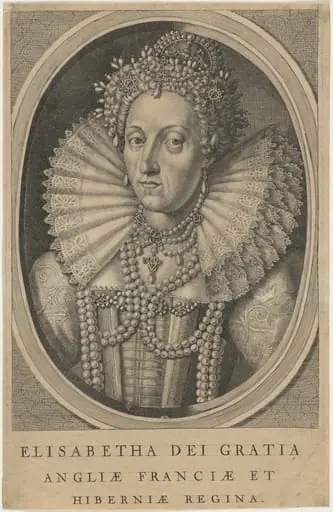 Queen Elizabeth
 Portrait of Elizabeth of Austria, Wife of King Charles IX of France