Artwork
宋代帝半身像册-宋朝宣祖皇帝像
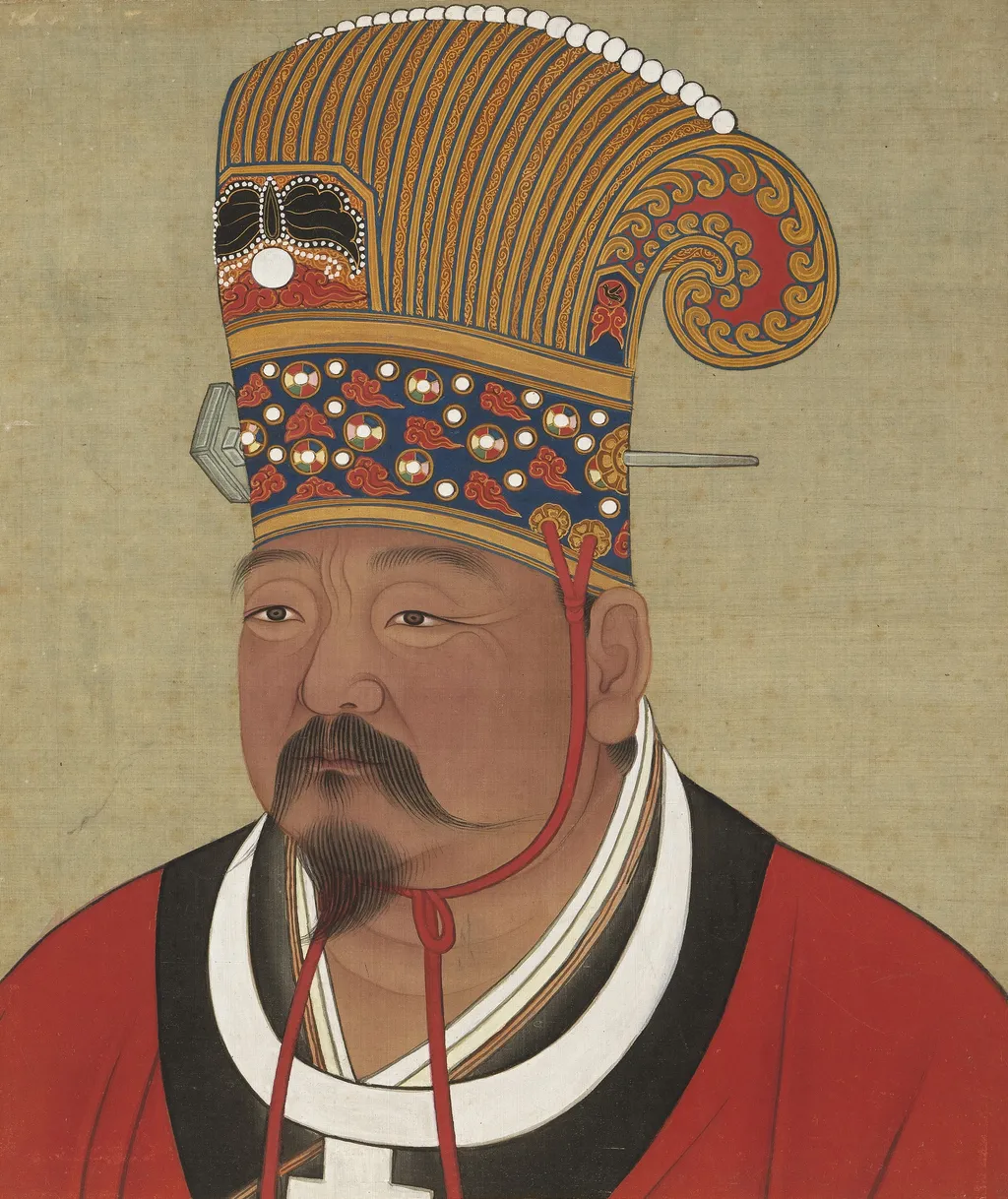
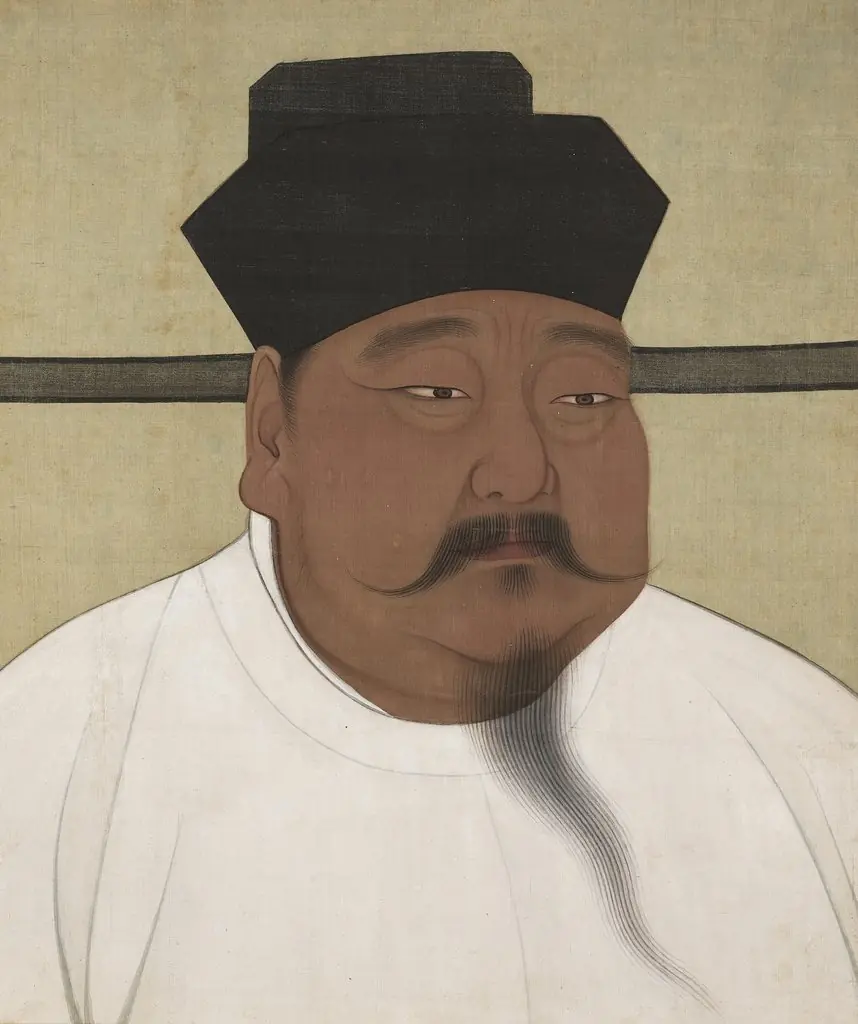
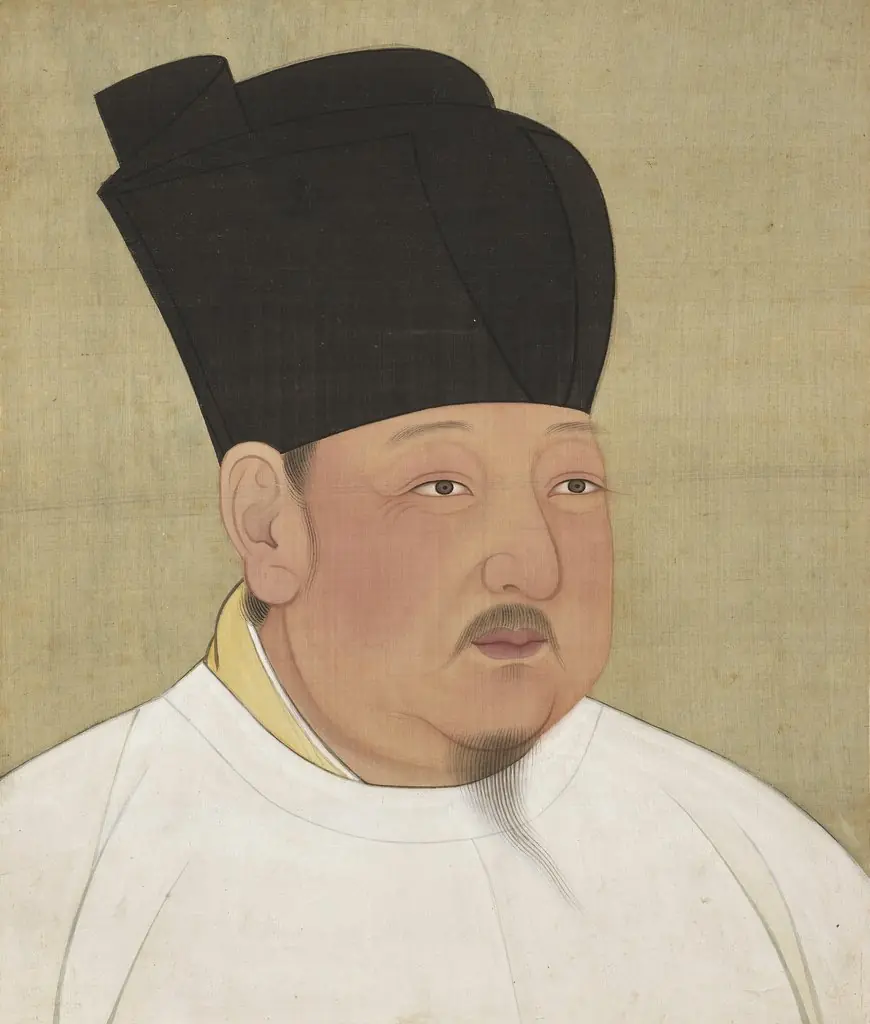
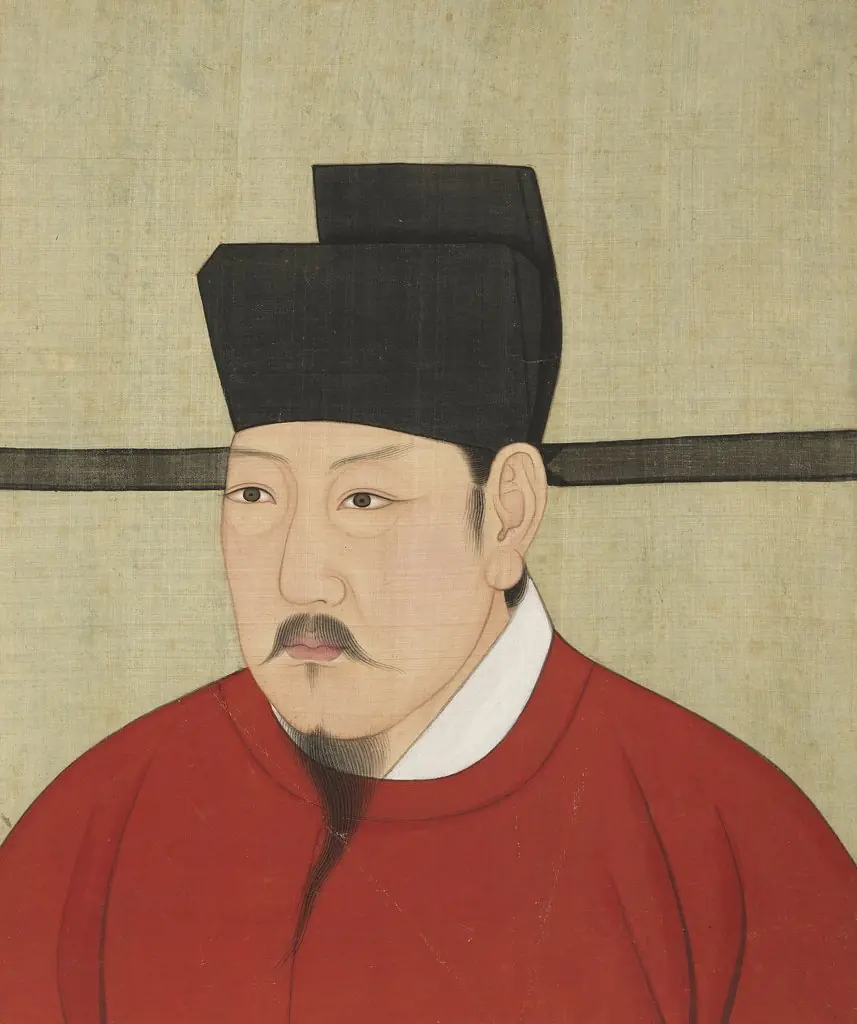
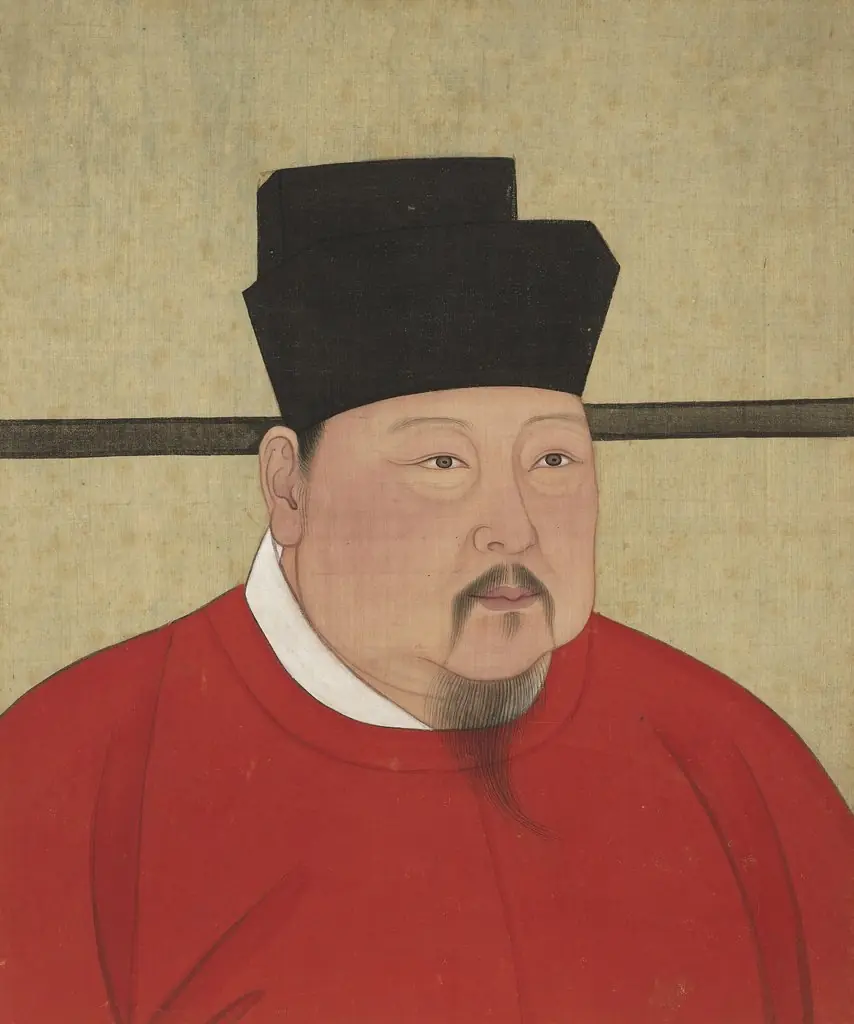
宋代帝半身像册-宋朝宣祖皇帝像 is an unspecified painting by Unknown. It is held in the collection of the National Palace Museum. This silk painting depicts Zhao Hongyin, posthumously honored as Emperor Xuanzu of the Song dynasty, in half-length portrait.
About this work
Overview
This silk painting depicts Zhao Hongyin, posthumously honored as Emperor Xuanzu of the Song dynasty, in half-length portrait.
This silk painting depicts Zhao Hongyin, posthumously honored as Emperor Xuanzu of the Song dynasty, in half-length portrait. Rendered with formal precision, it presents him in ceremonial attire against a muted brown background, emphasizing his imperial status through regulated color and symbolic adornment. The work belongs to a series of ancestral portraits commissioned to affirm dynastic legitimacy.
Subject & Meaning
Zhao Hongyin, father of Song Taizu, is portrayed not as a living ruler but as an ancestral figure venerated in state ritual. His solemn gaze and restrained expression convey dignity and authority, aligning with Confucian ideals of imperial decorum. The elaborate headgear and red robe signify his elevated rank, even though he never reigned, reinforcing the dynasty’s claim to inherited legitimacy.
Technique & Style
Executed in fine brushwork on silk, the portrait employs controlled lines and flat areas of color to define form without illusionistic depth. Gold, blue, and red accents on the hat are applied with meticulous detail, while the facial features are rendered with subtle gradations to suggest age and gravity. The absence of landscape or props focuses attention entirely on the figure’s presence.
History & Provenance
Created during or shortly after the Northern Song period, this portrait was likely part of an imperial ancestral shrine collection. Such images were maintained in temple halls for ritual veneration, not public display. Its survival suggests careful preservation within court archives, possibly transferred through dynastic transitions to later imperial collections.
Context
Portraits of founding ancestors were standard in Song court practice, serving both religious and political functions. By visually affirming lineage, these images reinforced the emperor’s divine mandate. The standardized format—frontal pose, ceremonial dress, neutral expression—mirrored bureaucratic order and contrasted with more expressive styles in literati painting.
Legacy
As one of the few surviving imperial ancestor portraits from the Song, it offers insight into early Chinese state ritual and visual propaganda. Its preservation in museum collections today reflects its role as a historical document, illustrating how dynastic identity was materially constructed through portraiture.
Artist & collection

 Domestic Scene
 Giacomo and Cardinal Marco, investing Andrea, Abbot of San Zeno, with his Benefice
 The Nymph of Fontainebleau
 Portrait of a Woman
 Madonna and Child with Saints in the Enclosed Garden
 Venus and Minerva
 Family Group of Four on Sofa
 Wall painting from Room H of the Villa of P. Fannius Synistor at Boscoreale