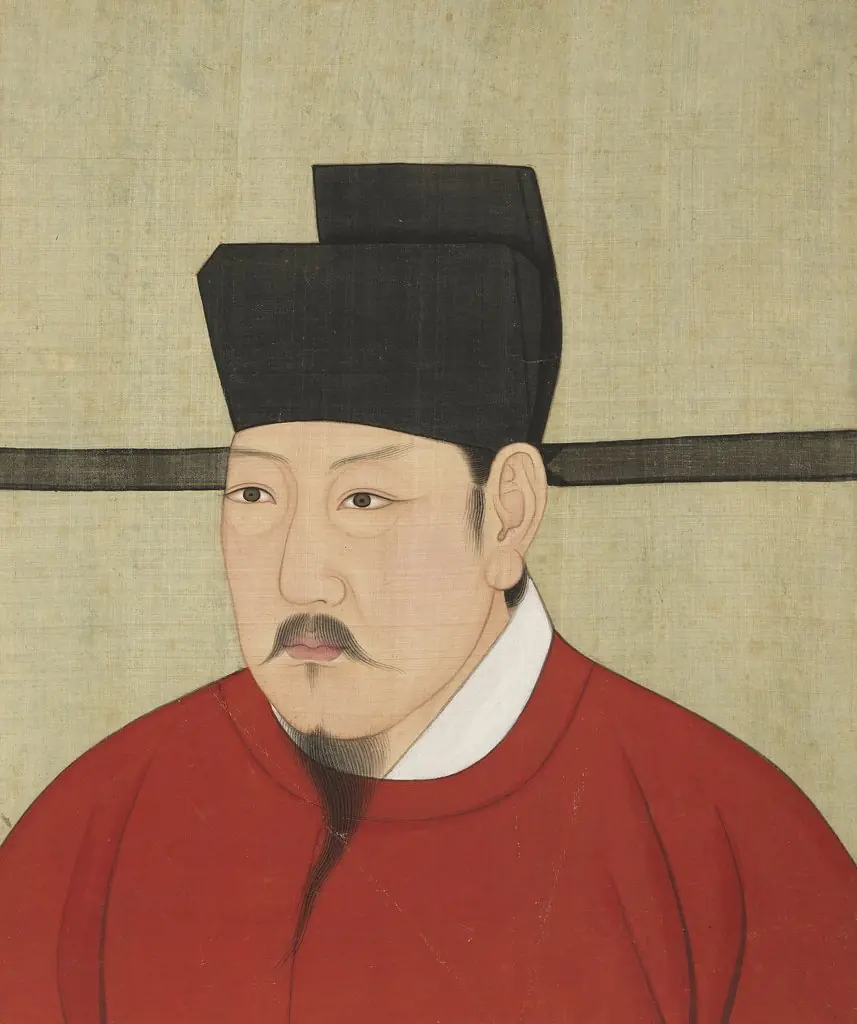
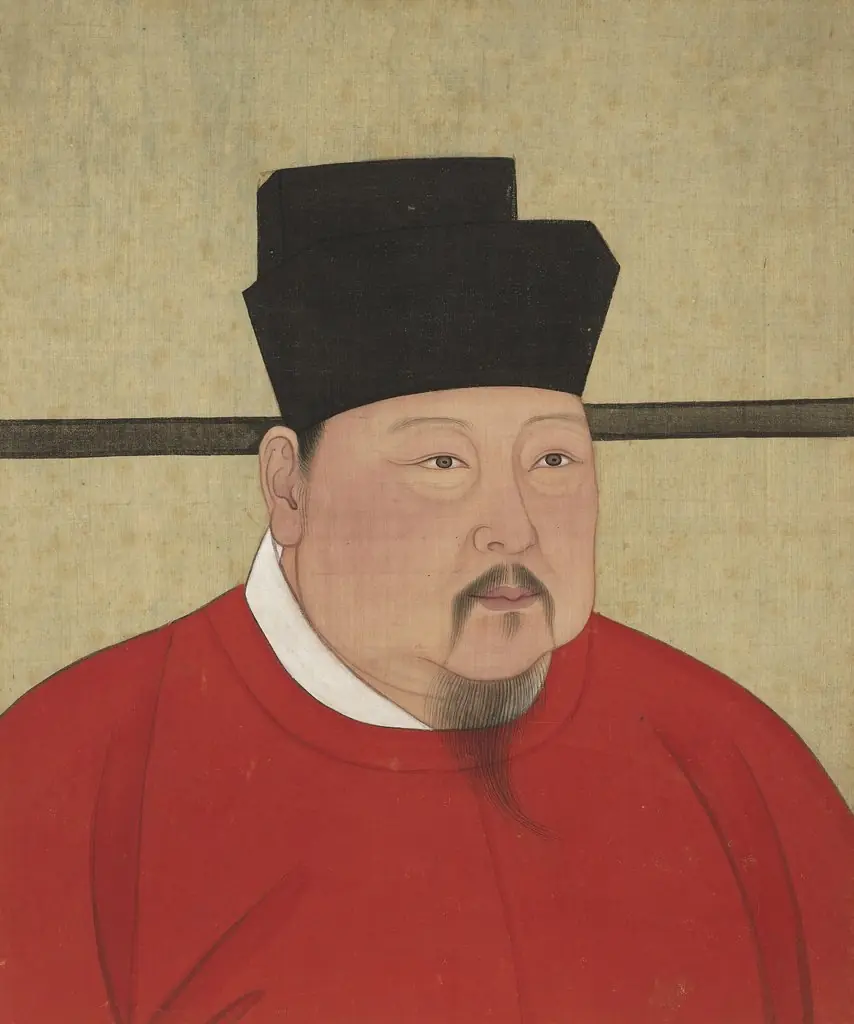
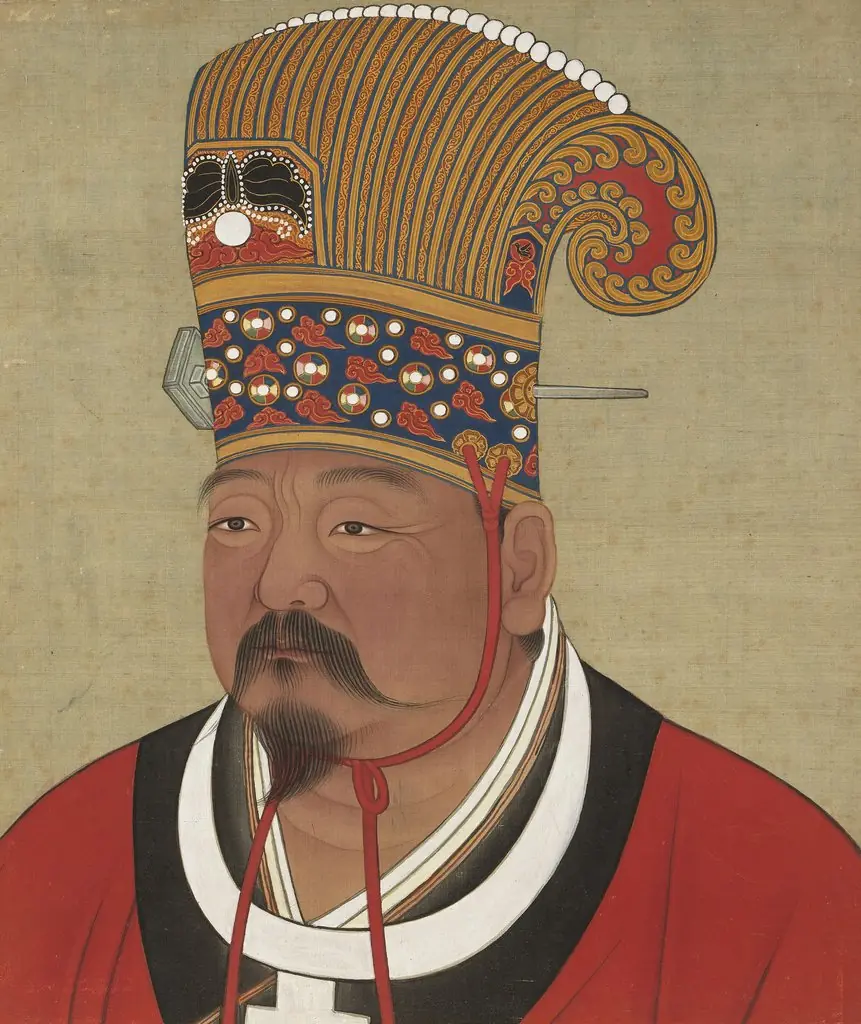
Artwork
宋代帝半身像册-宋朝太宗皇帝像
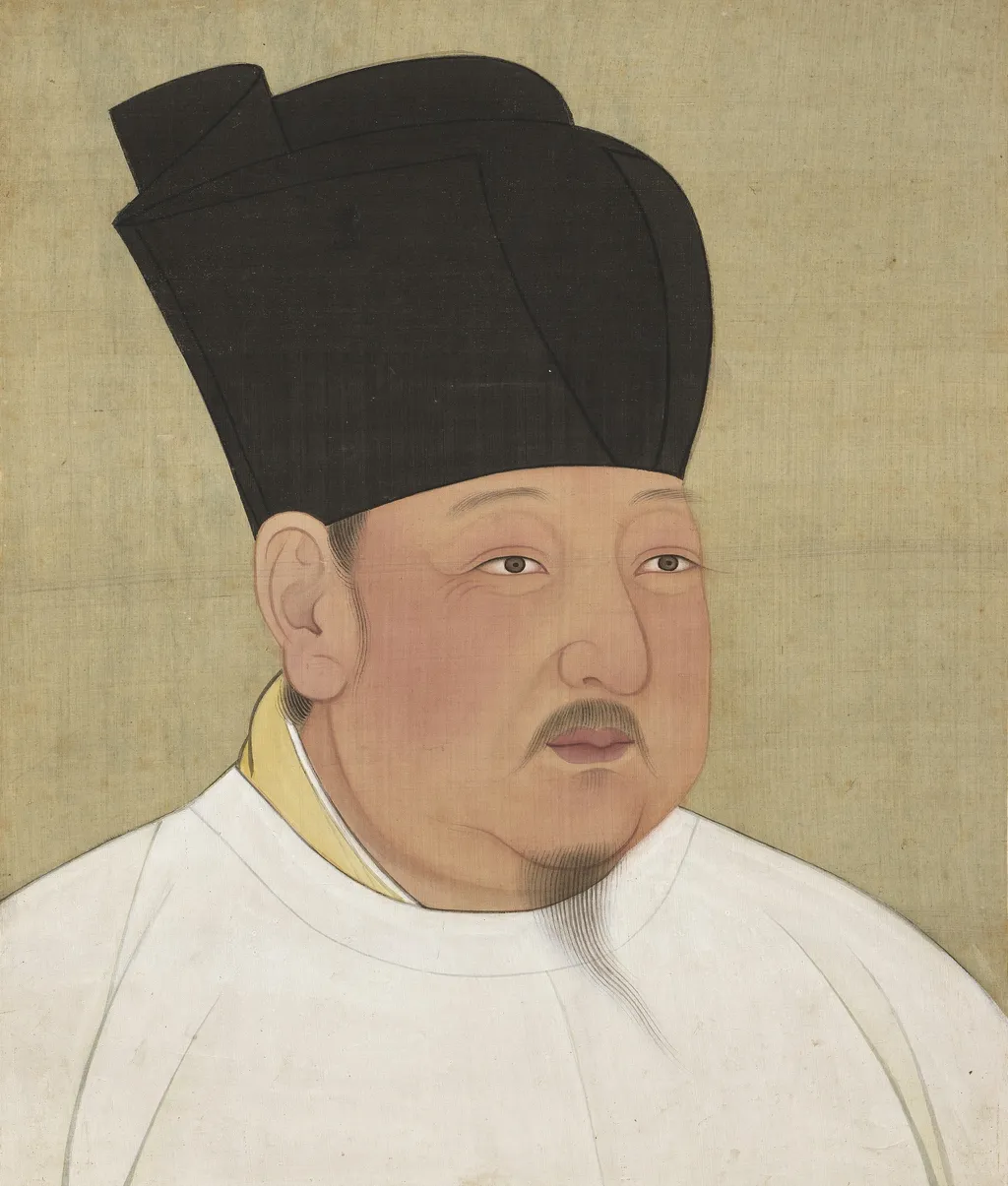
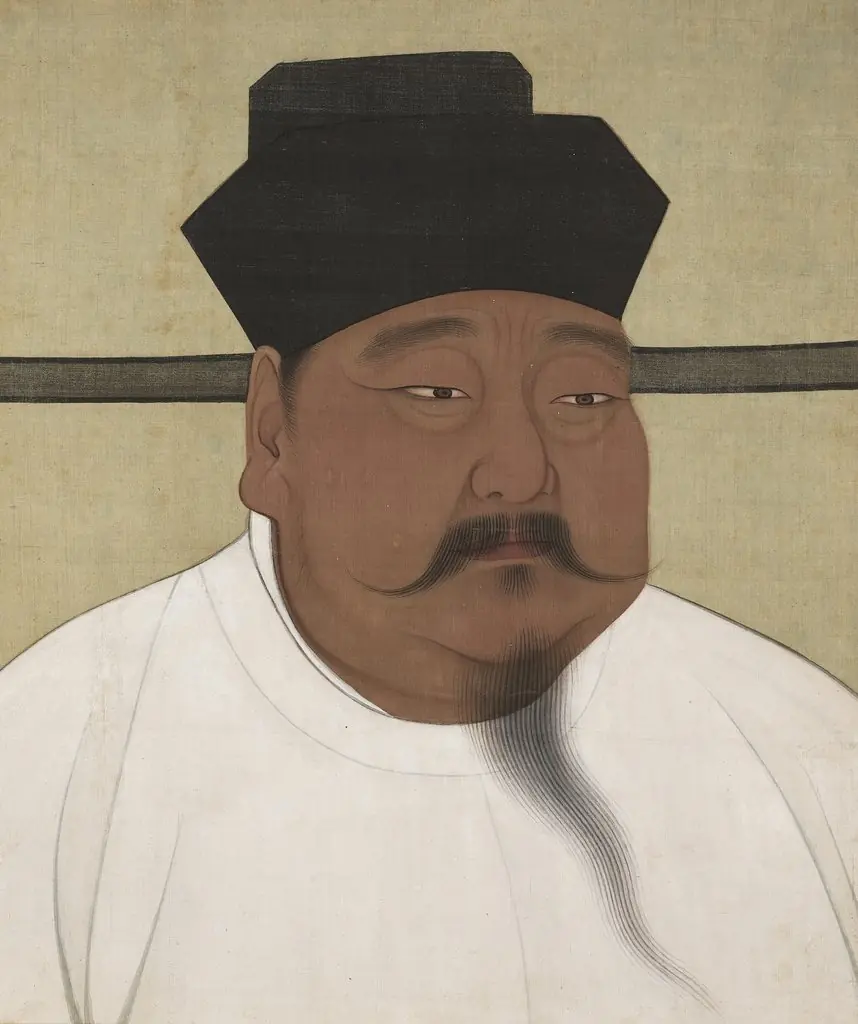
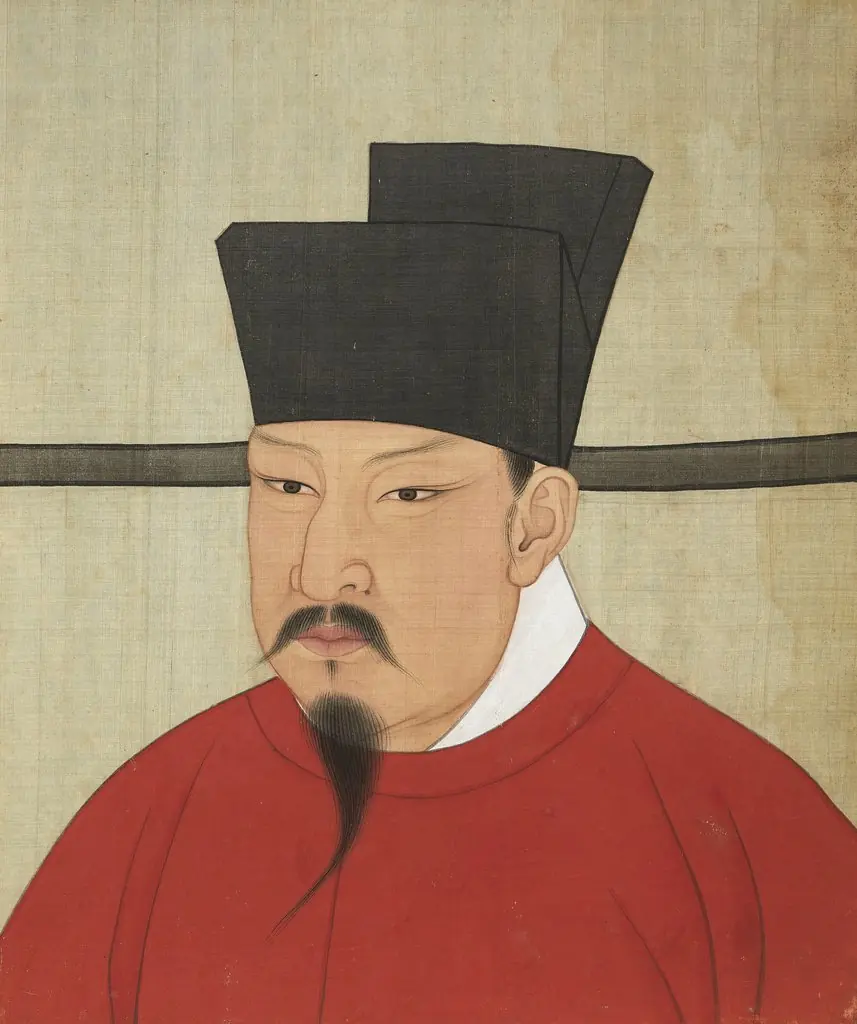
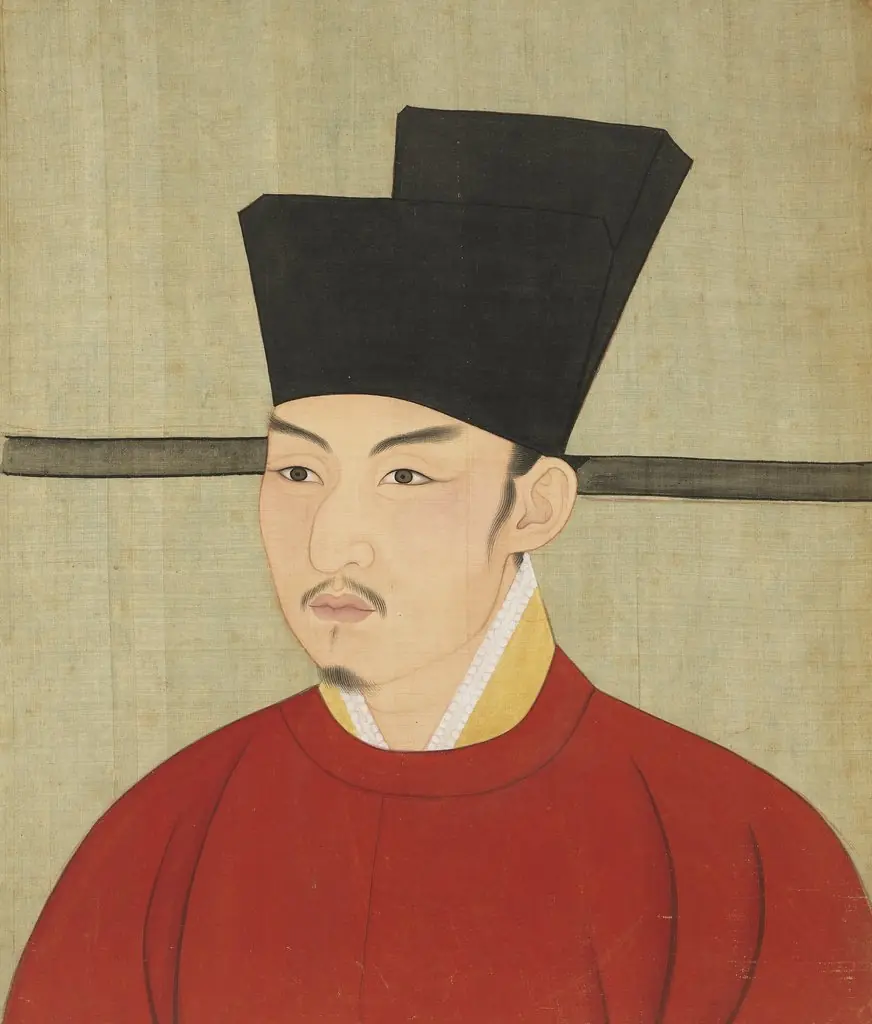
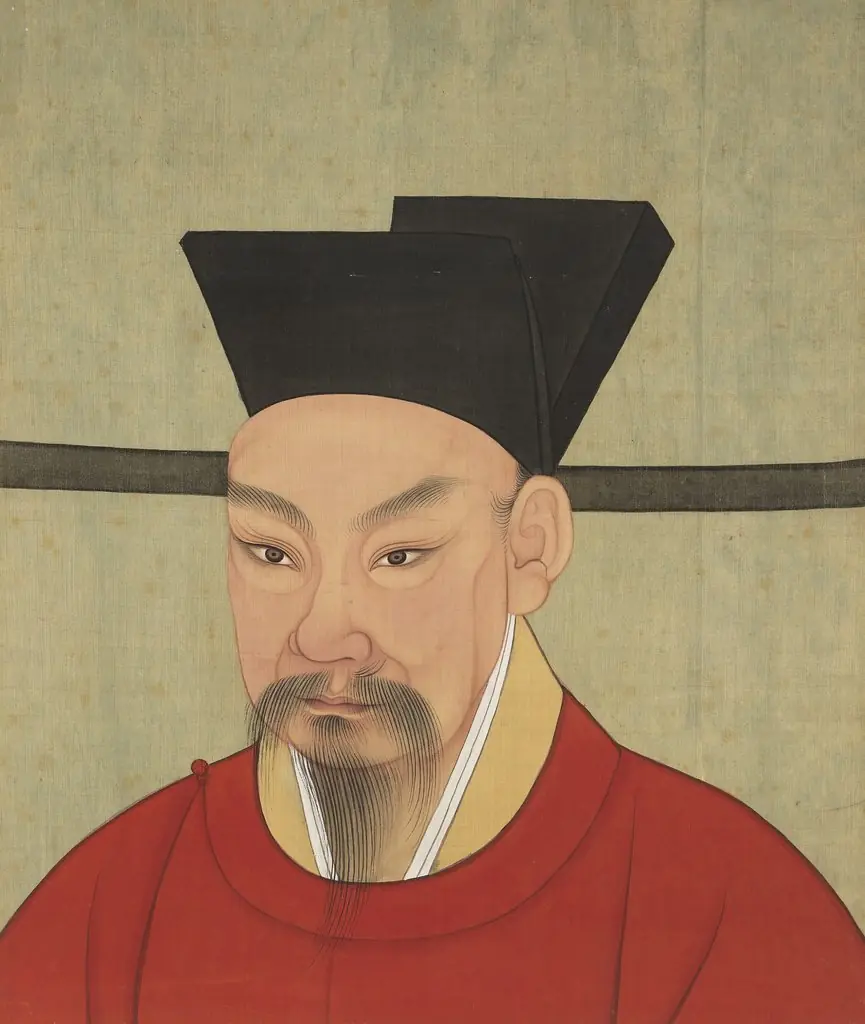
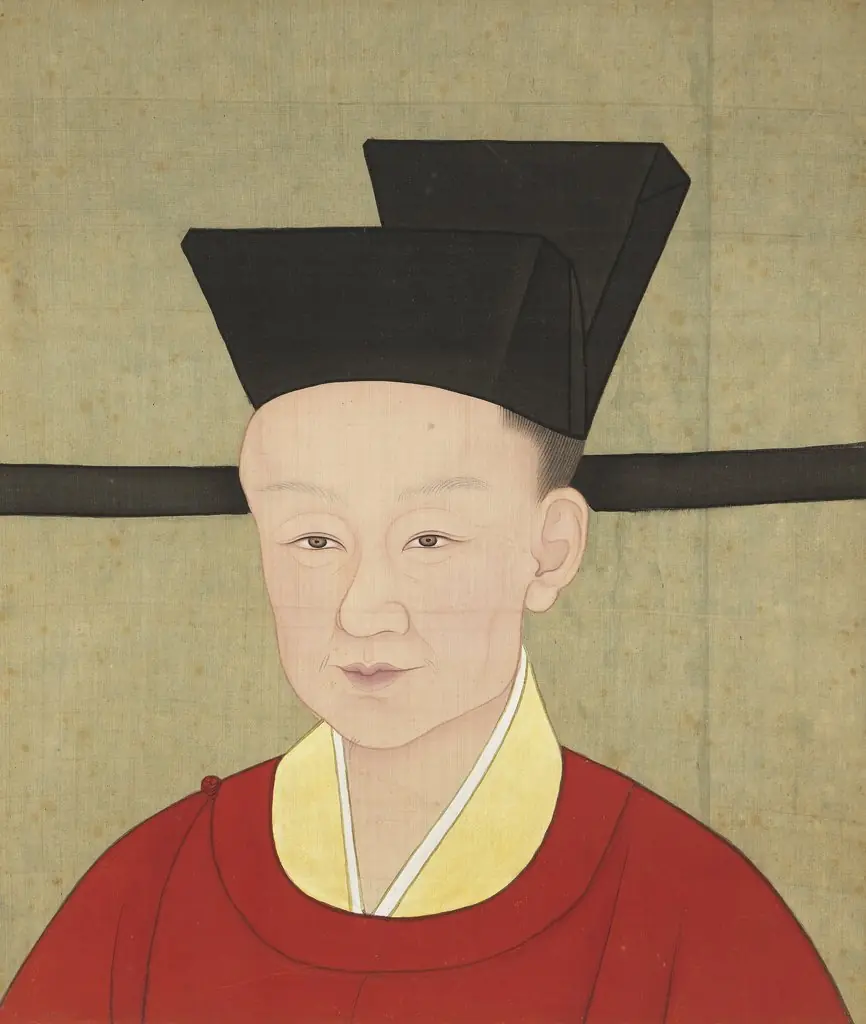
宋代帝半身像册-宋朝太宗皇帝像 is an unspecified painting by Unknown. It is held in the collection of the National Palace Museum. This portrait, painted on silk, presents a formal half-length depiction of Emperor Taizong of the Song dynasty.
About this work
Overview
Rendered with restrained precision, it captures the emperor from the chest upward, dressed in a white robe and black ceremonial hat.
This portrait, painted on silk, presents a formal half-length depiction of Emperor Taizong of the Song dynasty. Rendered with restrained precision, it captures the emperor from the chest upward, dressed in a white robe and black ceremonial hat. The choice of silk as a support reflects the imperial status of the subject and the refined materials reserved for courtly imagery. The work is part of a larger album of imperial portraits preserved at the National Palace Museum in Taipei.
Subject & Meaning
The subject is Emperor Taizong, the second ruler of the Song dynasty, portrayed without ornamentation or symbolic embellishment. His neutral expression and composed posture convey authority through dignity rather than grandeur. The simplicity of the composition aligns with Song-era ideals of Confucian restraint, emphasizing moral character over theatrical display. The portrait functions as an official representation, intended for ancestral veneration or courtly remembrance.
Technique & Style
Executed in fine brushwork on silk, the painting employs subtle ink gradations to define facial features and textile folds. The lack of background isolates the figure, focusing attention on the emperor’s bearing and attire. Linework is precise yet unadorned, avoiding dramatic contrast or color, consistent with Northern Song portraiture’s preference for understated realism. The silk’s smooth surface enhances the delicacy of the rendering, reinforcing the work’s ceremonial purpose.
History & Provenance
The portrait belongs to a set of imperial likenesses compiled during or shortly after the Song dynasty, likely for use in ancestral rites or palace archives. It was preserved through successive dynasties and eventually entered the collection of the National Palace Museum, which inherited artifacts from the Qing imperial holdings. Its survival reflects the enduring institutional value placed on imperial iconography in Chinese court culture.
Context
During the Northern Song period, portraiture of emperors was tightly regulated, serving both political and ritual functions. Unlike earlier dynasties that favored symbolic or mythic imagery, Song artists emphasized lifelike representation to reinforce the legitimacy of Confucian governance. This portrait reflects a broader trend toward documenting rulers with psychological realism, grounded in bureaucratic ideals rather than divine association.
Legacy
As part of a rare surviving corpus of Song imperial portraits, this work provides insight into how rulers were visually codified in medieval China. Its preservation underscores the continuity of court traditions across dynastic transitions. Modern scholarship relies on such images to study evolving standards of authority, dress, and representation in Chinese imperial history.
Artist & collection

 Domestic Scene
 Giacomo and Cardinal Marco, investing Andrea, Abbot of San Zeno, with his Benefice
 The Nymph of Fontainebleau
 Portrait of a Woman
 Madonna and Child with Saints in the Enclosed Garden
 Venus and Minerva
 Family Group of Four on Sofa
 Wall painting from Room H of the Villa of P. Fannius Synistor at Boscoreale