Artwork
Sarah (Thomas), Mrs Bowen of Llwyngwair
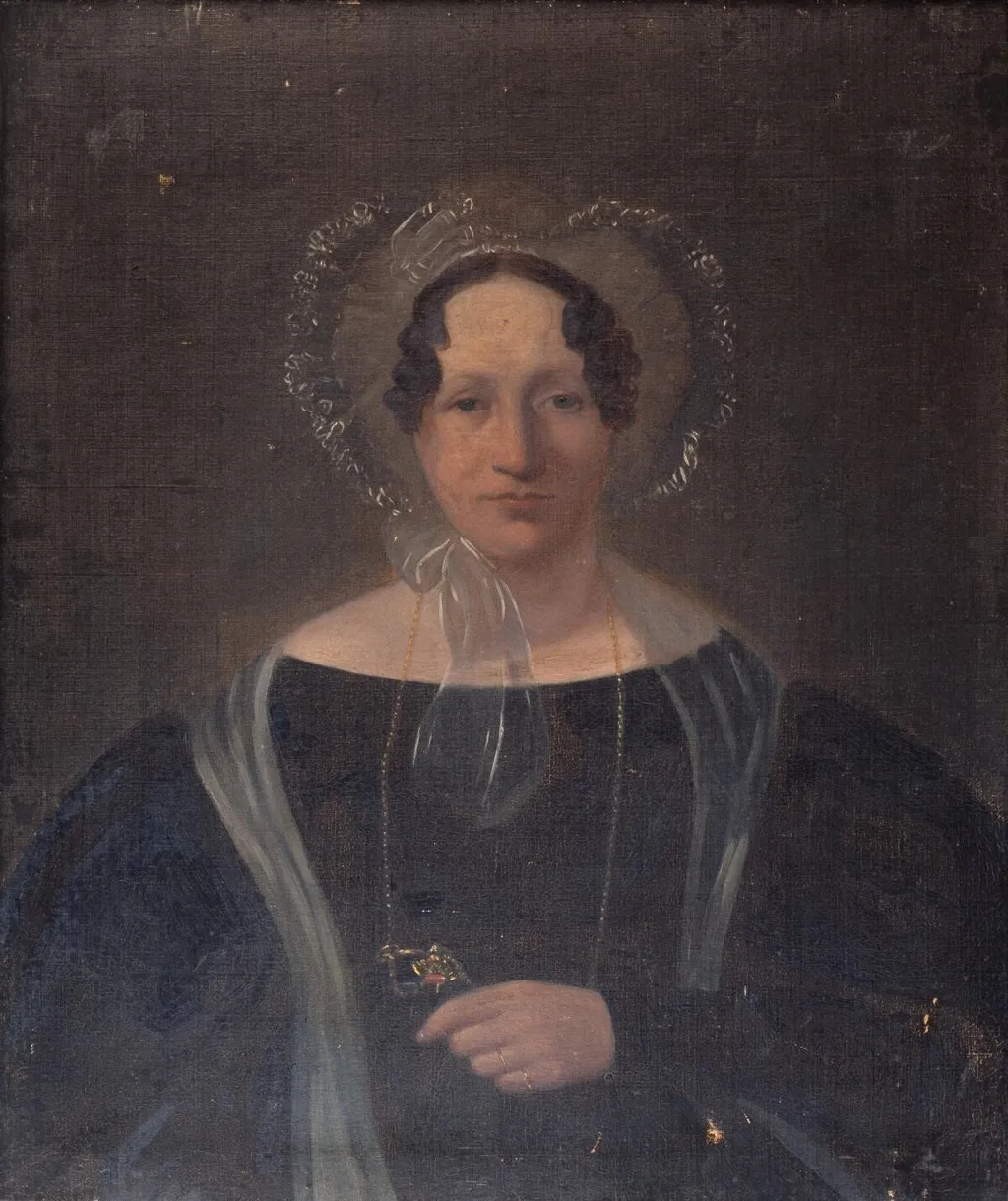
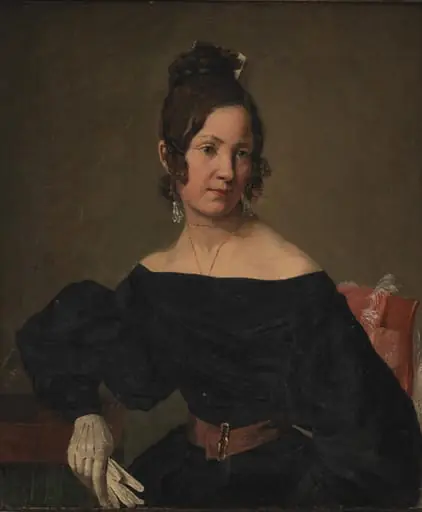
Sarah (Thomas), Mrs Bowen of Llwyngwair is an oil painting by Unknown. It dates from 1835 and is held in the collection of the National Library of Wales. This oil painting portrays Sarah Thomas, Mrs.
About this work
Overview
Subtle brushwork and layered glazes enhance the texture of fabric and skin, drawing attention to her composed demeanor and the quiet intensity of her gaze.
This oil painting portrays Sarah Thomas, Mrs. Bowen of Llwyngwair, rendered with a restrained palette and focused lighting. The subject is shown in three-quarter view, her dark attire and white bonnet contrasting against a deep, undefined background. Subtle brushwork and layered glazes enhance the texture of fabric and skin, drawing attention to her composed demeanor and the quiet intensity of her gaze.
Subject & Meaning
Sarah Thomas, wife of a Welsh landowner, is depicted not as a figure of aristocratic flourish but as a woman of quiet authority. Her serious expression, softened by a faint smile, suggests inner resolve rather than mere formality. The small object in her hand—possibly a book or keepsake—hints at personal significance, reinforcing an emphasis on individual character over social display.
Technique & Style
The artist employed glazing techniques to build depth in the dark fabrics and luminous skin tones, allowing light to appear as if emanating from within the figure. Visible brushstrokes in the bonnet and dress convey texture without overt detail, while the background remains deliberately muted. This method prioritizes atmospheric presence over narrative detail, aligning with late 18th-century portraiture traditions.
History & Provenance
The painting was commissioned by the Bowen family of Llwyngwair, a property in Carmarthenshire, Wales. It remained in family possession for generations before entering a public collection in the 20th century. Documentation links it to a local artist active in the 1790s, though the painter’s identity remains unconfirmed beyond stylistic analysis.
Context
Created during a period when Welsh gentry increasingly sought to assert cultural identity through portraiture, the work reflects a shift from grandeur to introspection. Unlike formal court portraits, this image emphasizes personal dignity and quiet refinement, mirroring broader trends in British provincial art that valued sincerity over ornamentation.
Legacy
The painting endures as an example of regional portraiture that resisted metropolitan conventions. Its emphasis on psychological presence and technical restraint has drawn scholarly interest among historians of Welsh visual culture. Though not widely exhibited, it remains a key reference for understanding the aesthetic values of rural elite families in late Georgian Wales.
Artist & collection

 Domestic Scene
 Giacomo and Cardinal Marco, investing Andrea, Abbot of San Zeno, with his Benefice
 The Nymph of Fontainebleau
 Portrait of a Woman
 Madonna and Child with Saints in the Enclosed Garden
 Venus and Minerva
 Family Group of Four on Sofa
 Wall painting from Room H of the Villa of P. Fannius Synistor at Boscoreale
 Portrait of a woman
 Sophie Stramboe
 Sophie Stramboe
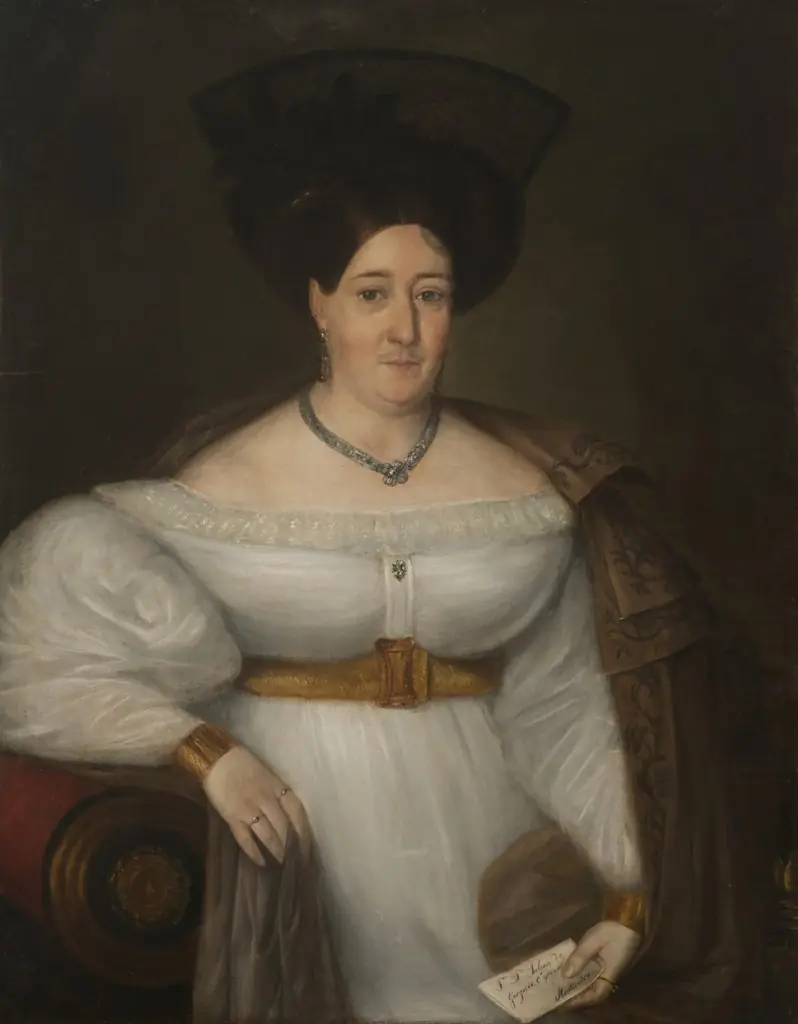 Candelaria Somellera de Espinosa
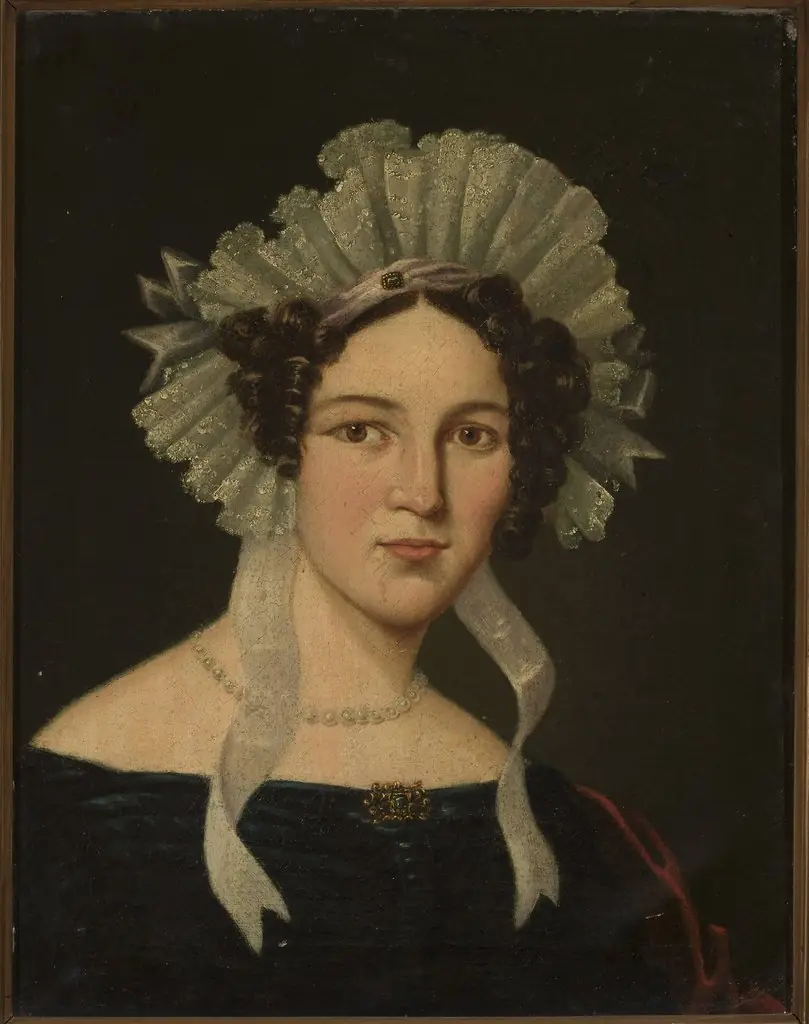 Portrait of a lady in a cap
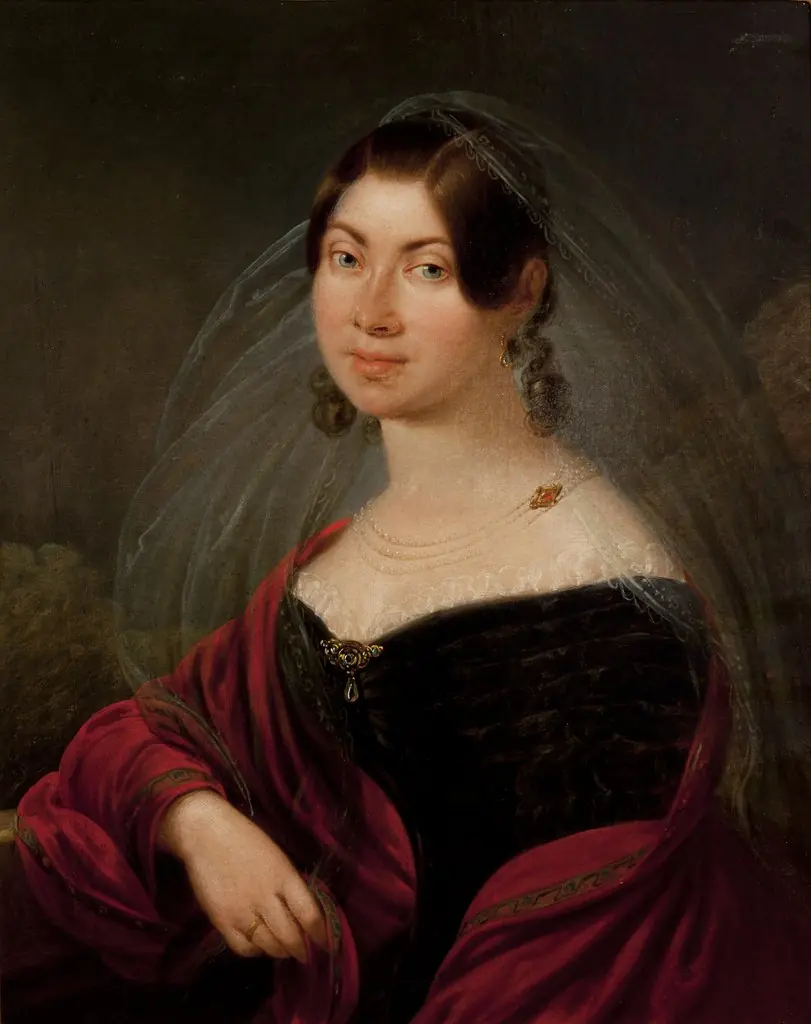 Portrait of Teresa Żebrawska née Hanowicz
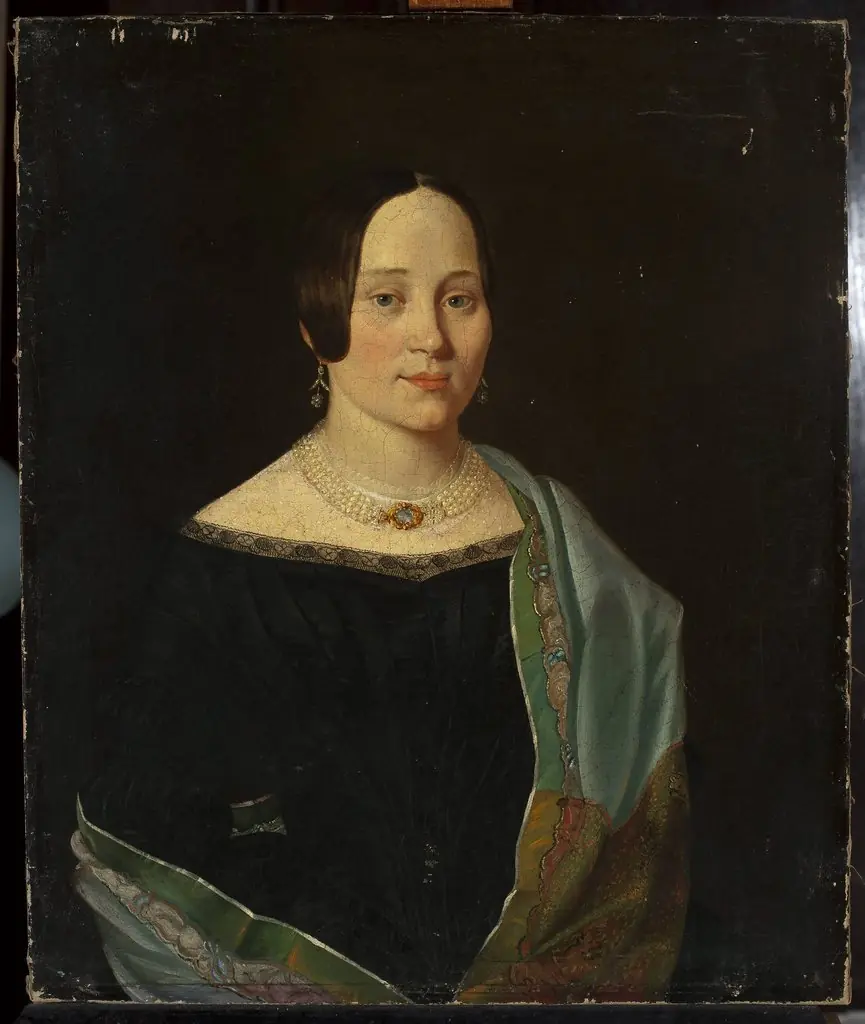 Portrait of Eufemia Wiśniewska née Borman
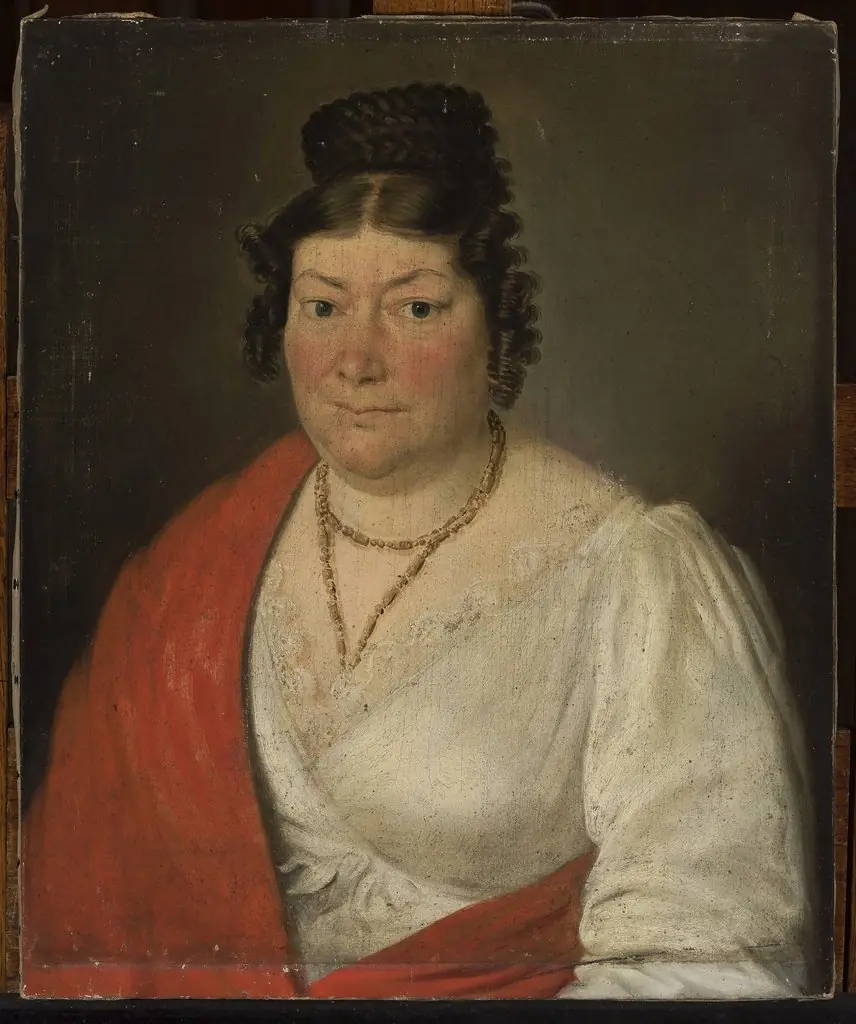 Portrait of a woman
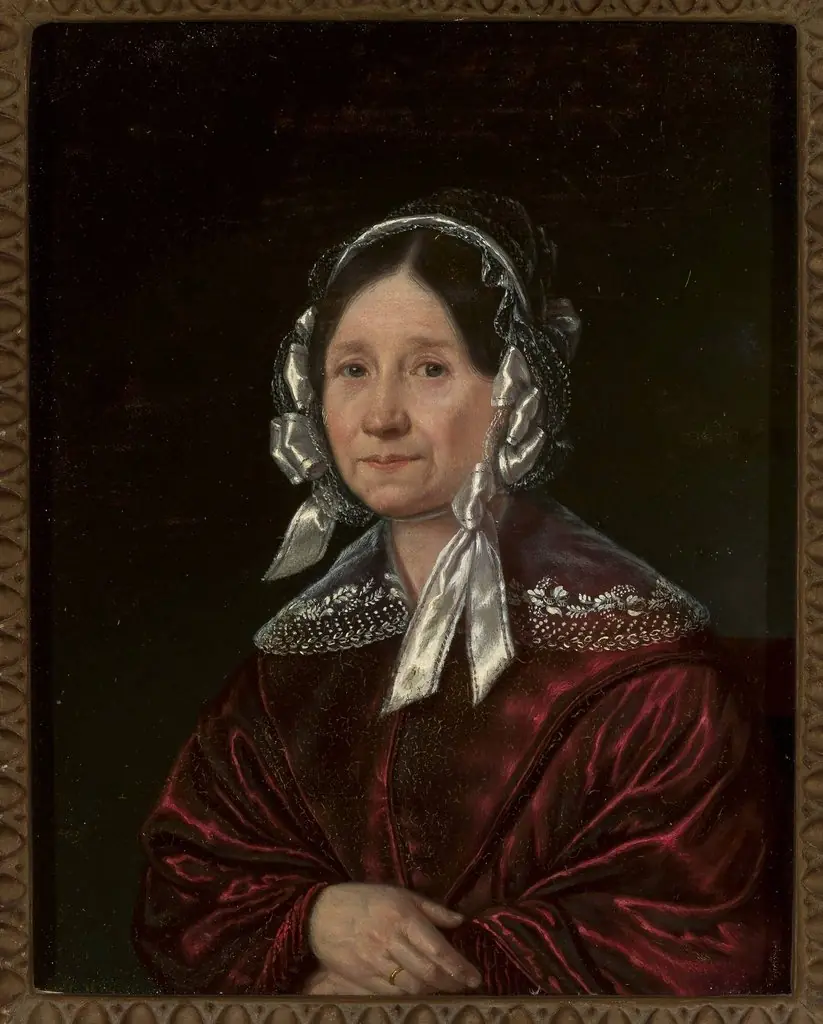 Portrait of Teresa Kicka
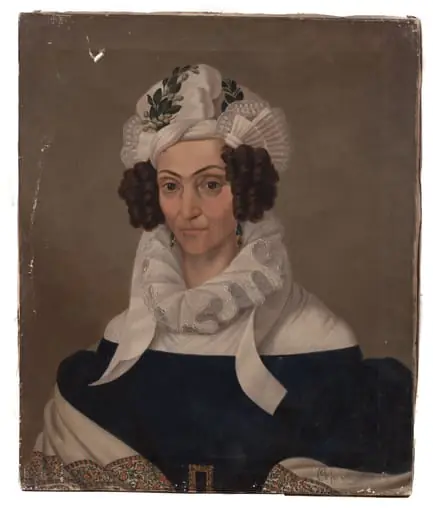 Logofeteasa Safta Cantacuzino (copie după Stawski)
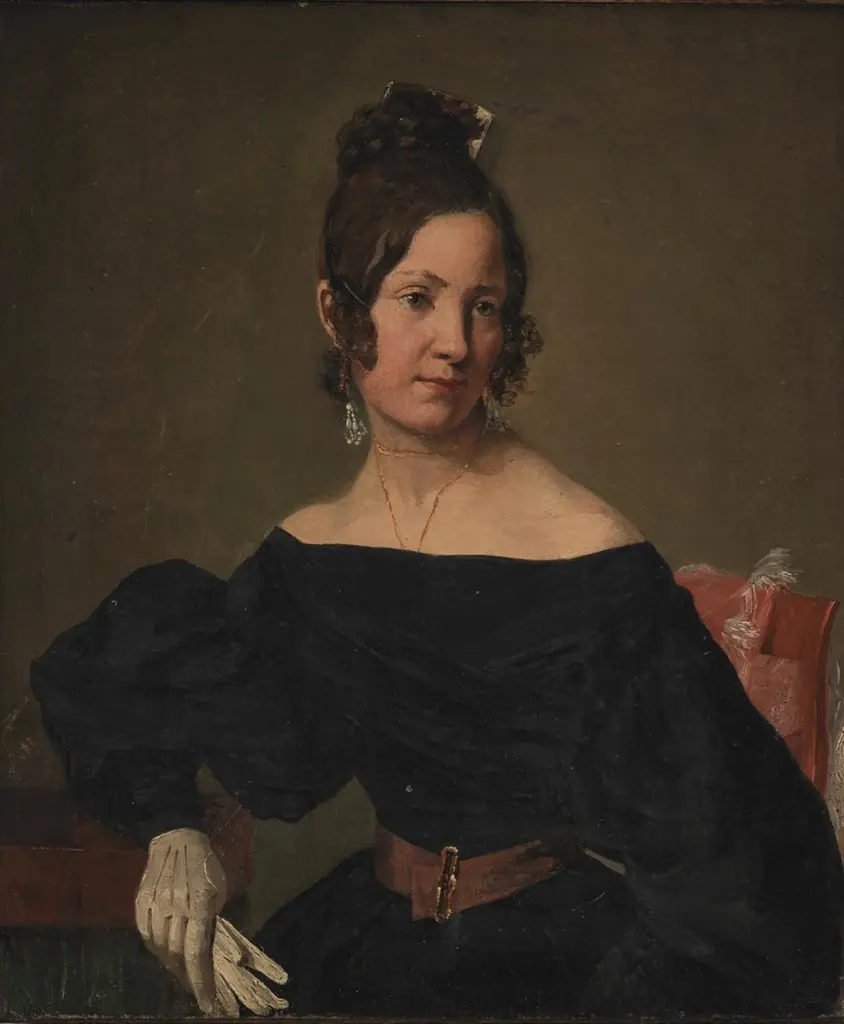 Actress Anna Nielsen
 Skuespilleren Anna Nielsen