Artwork
Candelaria Somellera de Espinosa
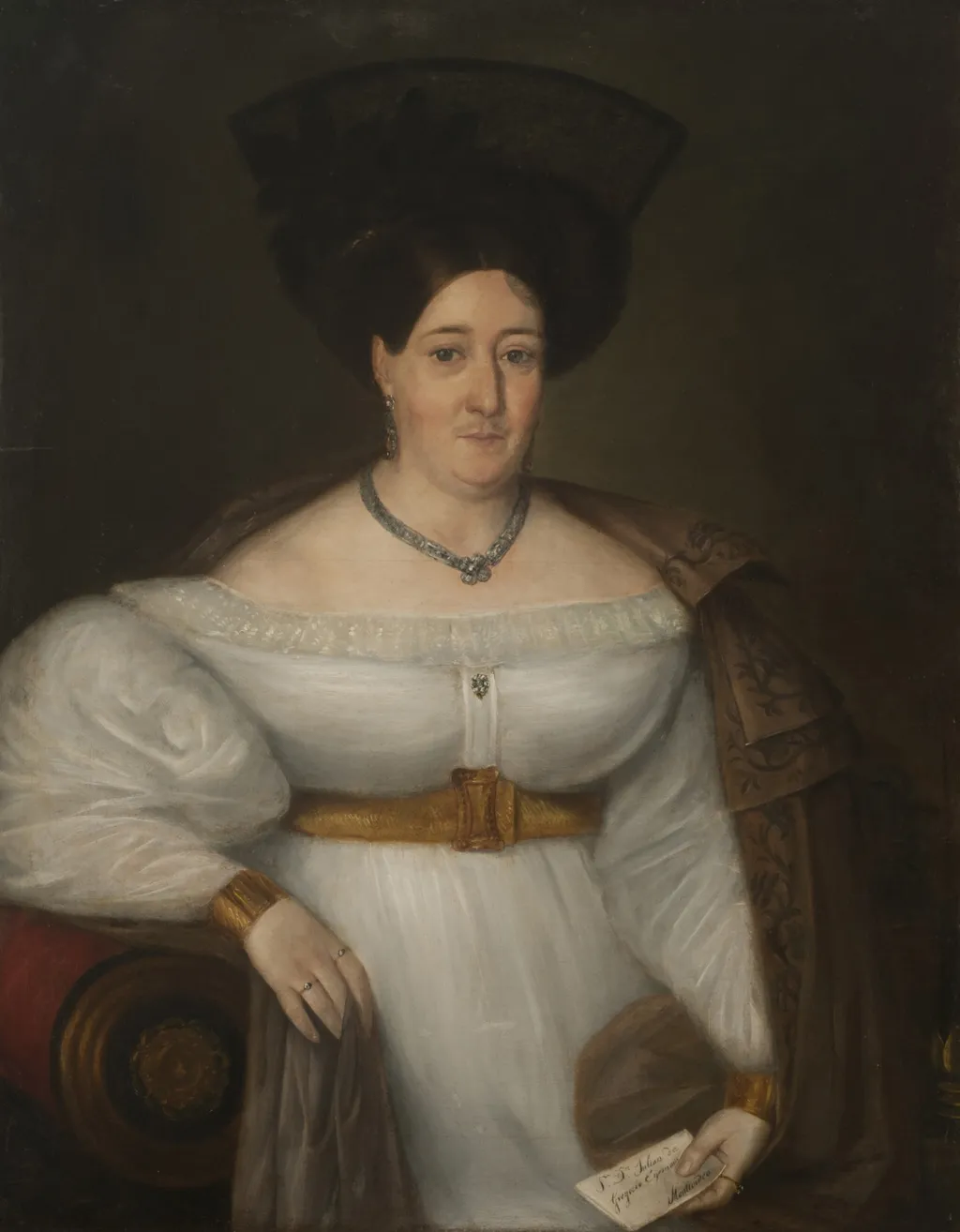
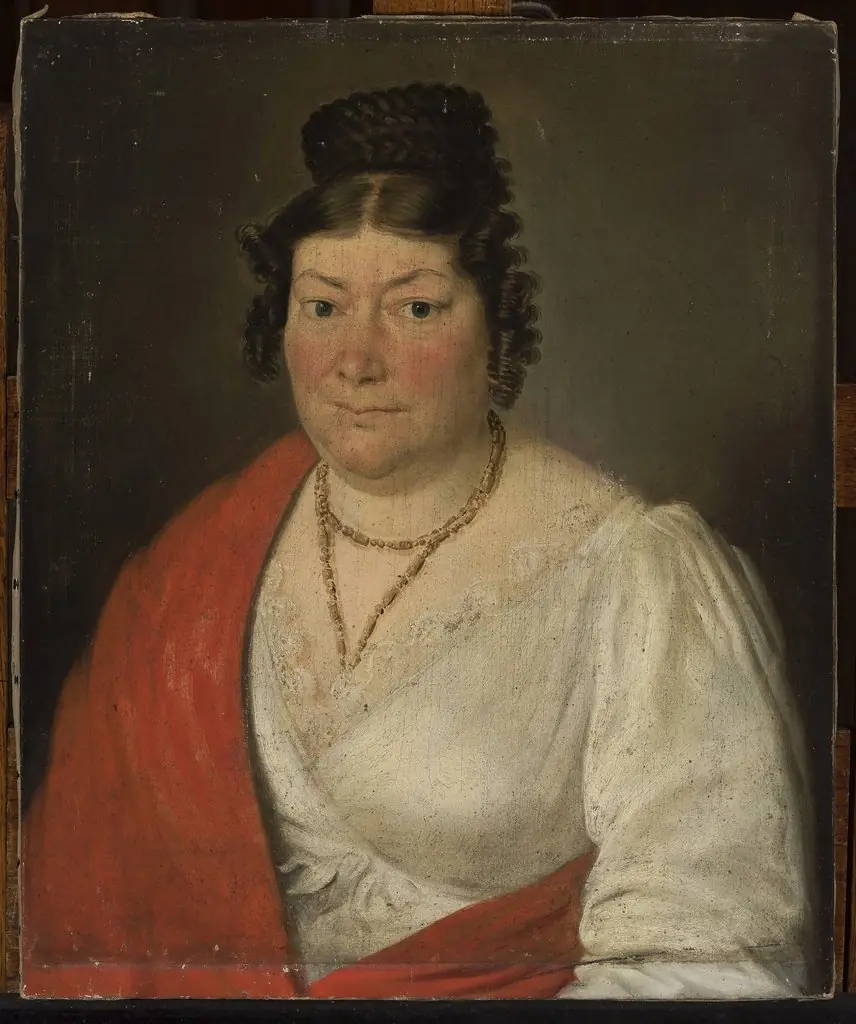
Candelaria Somellera de Espinosa is an oil painting by Jacobo Lorenzo Fiorini. It dates from 1830 and is held in the collection of the National Museum of Fine Arts, Argentina.
About this work
Her dark hair is styled up, and she is adorned with jewelry, including a necklace, earrings, and rings on both hands.
This painting is a portrait of a woman. She is wearing a white dress with a gold belt and a brown shawl over her left shoulder. Her dark hair is styled up, and she is adorned with jewelry, including a necklace, earrings, and rings on both hands. She is holding a piece of paper in her right hand.
The woman's attire and hairstyle suggest a formal setting, possibly from the early 19th century. The artist has used oil paint to create a detailed and realistic image.
To learn more about the artist who created this portrait, look up Jacobo Lorenzo Fiorini.
Overview
Candelaria Somellera de Espinosa is an oil painting from 1830 by Jacobo Lorenzo Fiorini, housed at the National Museum of Fine Arts in Buenos Aires. The work is a portrait of a woman, rendered in meticulous detail through oil paint.
Subject & Meaning
The subject, Candelaria Somellera de Espinosa, is depicted in formal attire, indicating a high social status. Her white dress, gold belt, brown shawl, and jewelry signify wealth and elegance, while the paper in her hand may suggest intellectual or personal interests.
Technique & Style
Fiorini employed oil paint to achieve a realistic and detailed representation. The attention to texture, from the subject's dark, styled hair to the intricate jewelry, highlights the artist's skill in capturing realism.
History & Provenance
Created in 1830, the painting is part of the collection at the National Museum of Fine Arts in Buenos Aires, providing insight into early 19th-century portraiture in the region.
Context
The painting reflects the early 19th-century societal values of portraying women of status through formal, elegant depictions, emphasizing their role and position within society.
Own this work as a print
Artist & collection

Museum
National Museum of Fine Arts, Argentina
Continue through works from the same source collection.
 Retrato de señora
 Portrait of Doña Macedonia Escardo
 Portrait of María Isabella of Spain (1789-1848), Gueen of the Two Sicilies
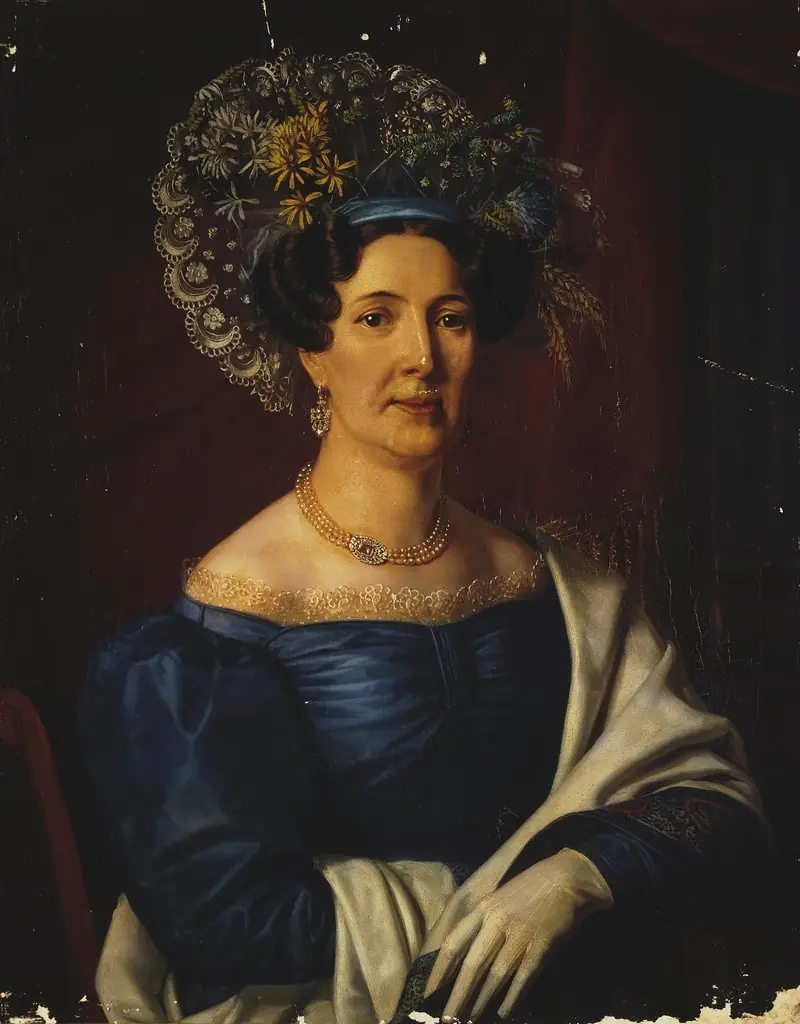 Portrait of Anna Babkina
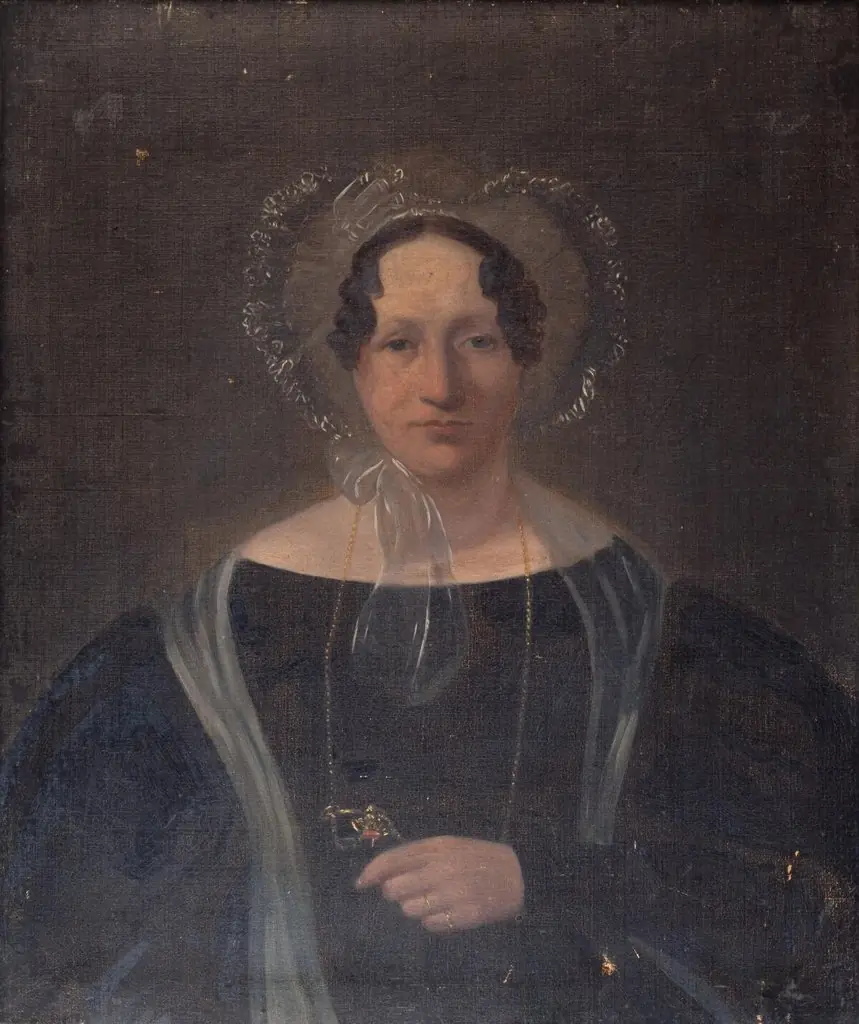 Sarah (Thomas), Mrs Bowen of Llwyngwair
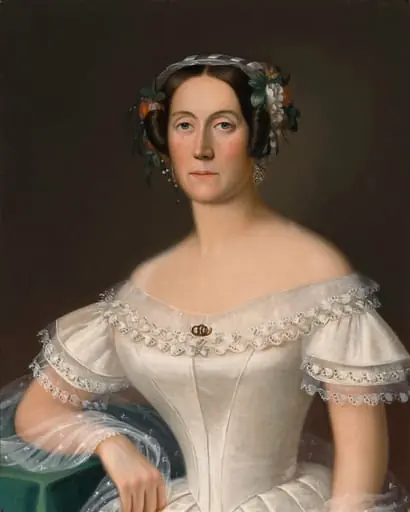 Cecilia Lindroos (os. Meyer) nuorena.
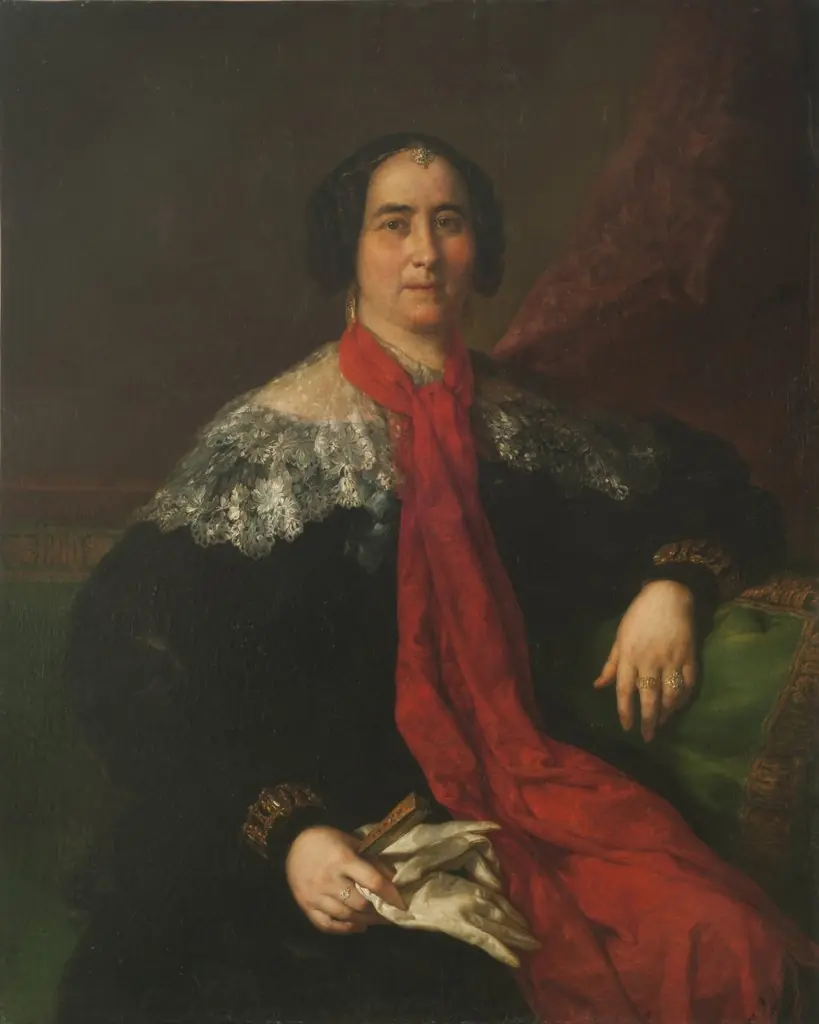 Spanish lady
 Skuespilleren Anna Nielsen
 Portrait of Wife Antonina
 Actress Anna Nielsen
 Portrait of Mrs. Pauline Hagen
 Portrait of a woman