Artwork
Logofeteasa Safta Cantacuzino (copie după Stawski)
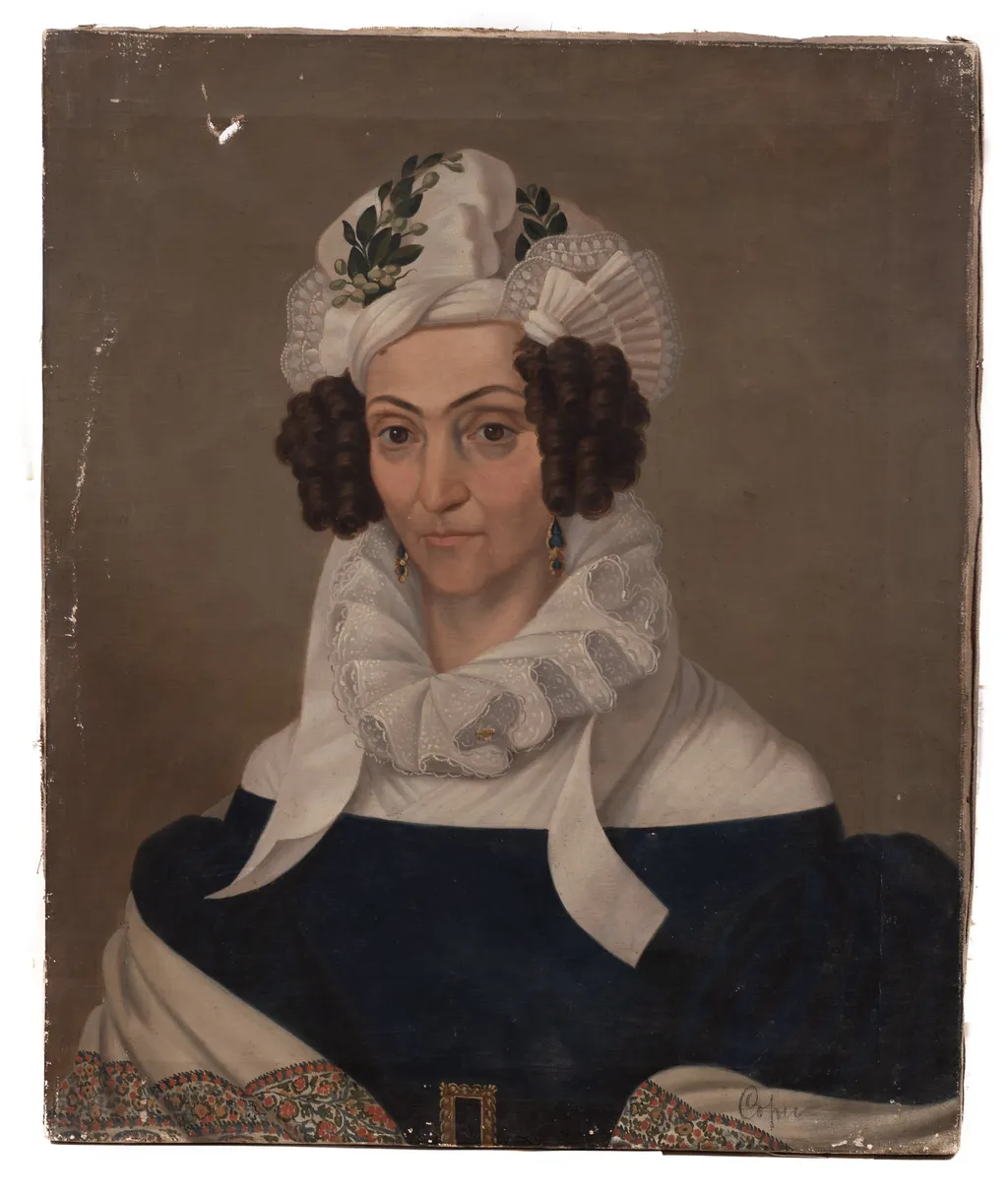
Logofeteasa Safta Cantacuzino (copie după Stawski) is an unspecified painting by Hugo Kołłątaj. It is held in the collection of the Moldova National Museum Complex.
About this work
Overview
The portrait presents a seated woman with dark, curly hair, wearing a white headpiece embellished with green leaves and a delicate lace veil.
The portrait presents a seated woman with dark, curly hair, wearing a white headpiece embellished with green leaves and a delicate lace veil. She is dressed in a dark blue gown featuring a white collar, complemented by a white shawl over her shoulders and a patterned belt, while dangling earrings complete the ensemble. The background is rendered in a subdued brown tone, directing focus to the figure.
Subject & Meaning
The sitter’s attire, including the leafy headpiece and lace veil, suggests a ceremonial or aristocratic context, possibly indicating a portrait commissioned for a special occasion. The combination of dark and light elements may convey a balance between modesty and status, though no explicit narrative is provided.
Technique & Style
The work employs a restrained palette, with muted browns in the backdrop contrasting against the richer blues and whites of the clothing. Fine detailing is evident in the belt’s intricate pattern and the texture of the veil, while the overall handling of light recalls the chiaroscuro approach associated with portraitists such as Hugo Kołłątaj.
History & Provenance
The piece is identified as a copy after an original by Stawski, attributed to Logofeteasa Safta Cantacuzino. No further information on its ownership or exhibition history is supplied.
Context
Portraits of this type were common among the European elite in the 18th and 19th centuries, often emphasizing dress and accessories to signal rank. The inclusion of botanical motifs in the headpiece aligns with contemporary tastes for naturalistic ornamentation.
Artist & collection
Artist
This Polish folk painter worked in the late eighteenth and early nineteenth centuries, creating religious scenes with bold colors and simple shapes.
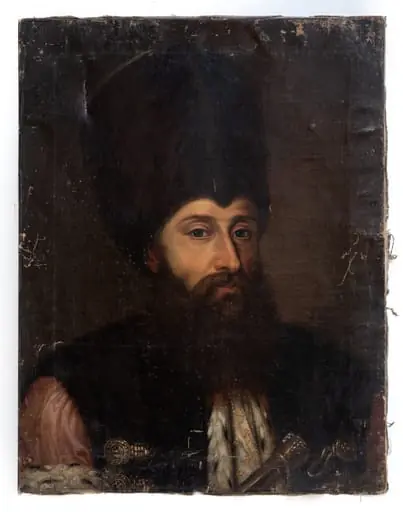 Alexandru Ipsilanti
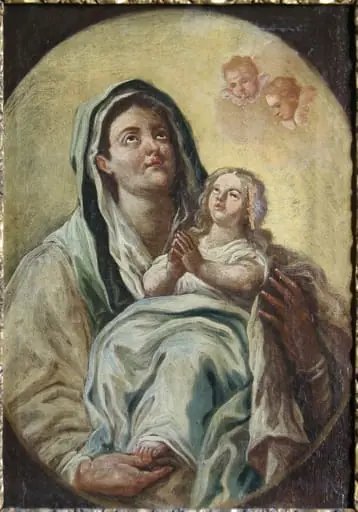 Fecioara Maria cu Pruncul Isus (în Reg. Inv.: Maria cu copilul Isus)
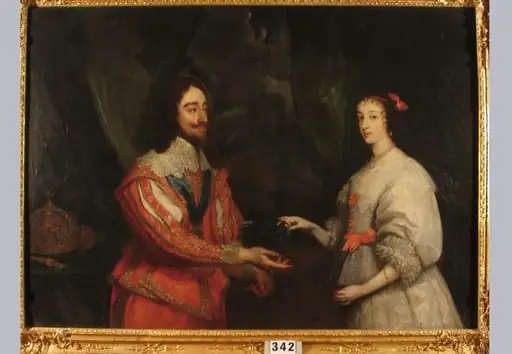 Regele Charles I Stuart al Angliei și soția sa Henrietta Maria de Franța (în Reg. Inv.: Carol I al Angliei și soția sa Henriette din Franța)
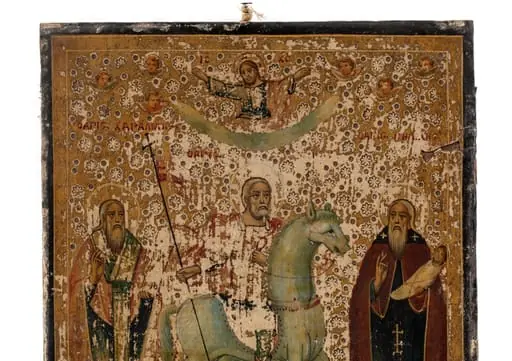 Sfântul Haralambie cu alți doi sfinți
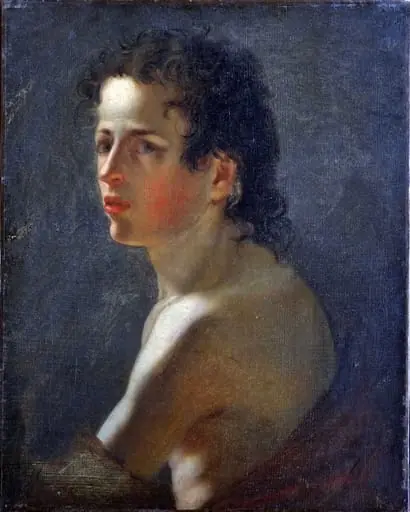 Portret de bărbat
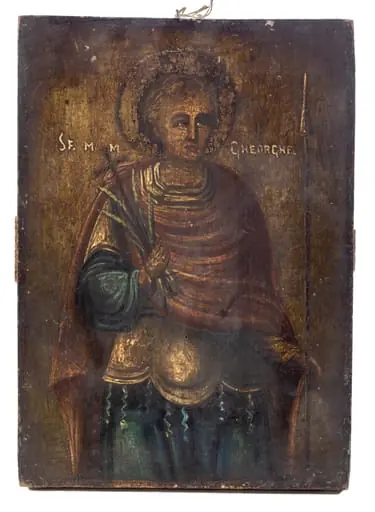 Sfântul Gheorghe
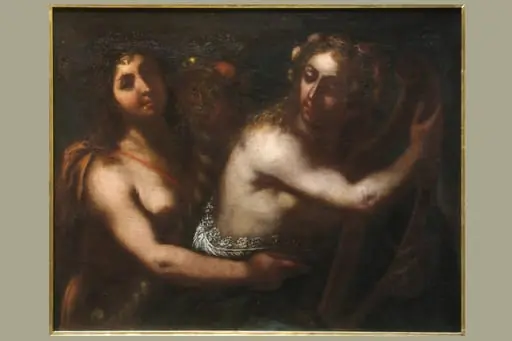 Vertumnus și Pomona (în Reg. Inv.: Vertumnus și Flora)
 Iarnă
Iarnă
 Portrait of a lady in a cap
 Safta Castrișoaia
 Maria Streidlin (în registrul inventar: Portret de femeie). Pandant: Portret de bărbat
 Skuespilleren Anna Nielsen
 Portrait of a woman
 Actress Anna Nielsen
 Cecilia Santos
 Portrait of Pristella Krasuska née Abraniecka
 Sarah (Thomas), Mrs Bowen of Llwyngwair
 Portrait of a lady in a red dress
 Candelaria Somellera de Espinosa
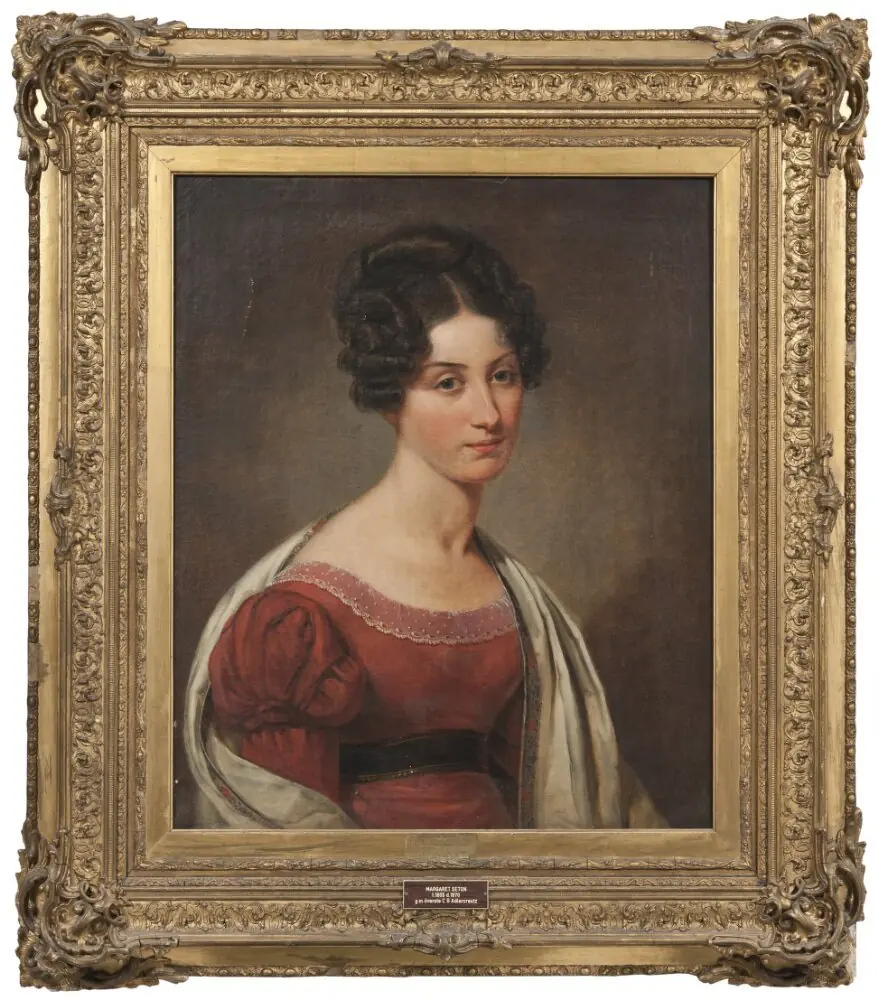 Margaret Seton (1805-1870), född i Skottland, verksam i Sverige, g.m. friherre överste Carl Gustaf Adlercreutz, sondotter till Alexander Baron Seton