Artwork
Portret kardynała Jana Kazimierza Denhoffa (1649-1697)
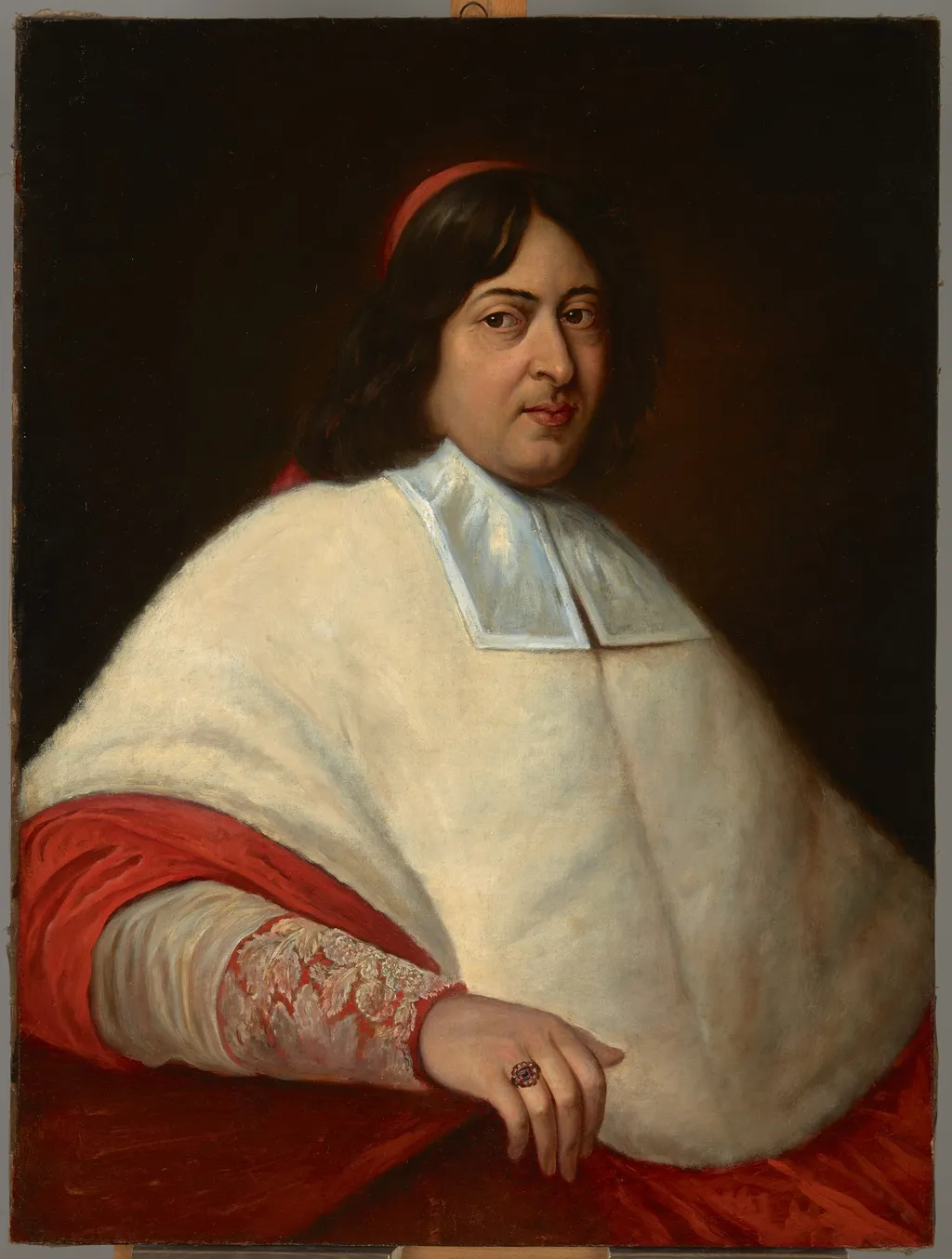
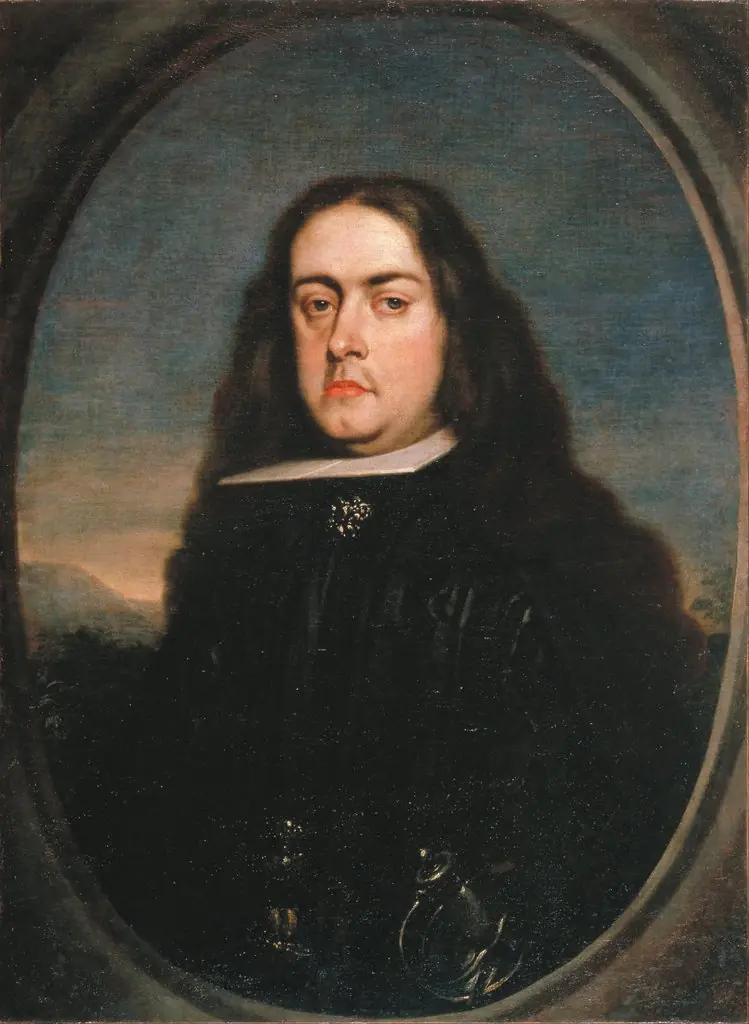
Portret kardynała Jana Kazimierza Denhoffa (1649-1697) is an oil painting by the Flemish Baroque painting artist Unknown. It dates from 1698 and is held in the collection of the National Museum in Kraków. The work is an oil painting portraying Jan Kazimierz Denhoff, a cardinal who lived from 1649 to 1697.
About this work
Overview
The work is an oil painting portraying Jan Kazimierz Denhoff, a cardinal who lived from 1649 to 1697. Rendered in a formal pose, the figure is dressed in a white ecclesiastical robe with a red cape draped across his arm, a red headband, and a prominent ring on his finger. The composition focuses on the sitter, presenting him with a dignified bearing typical of 17th‑century portraiture.
Subject & Meaning
Denhoff’s attire and the solemn expression convey his high rank within the Catholic hierarchy, emphasizing both his spiritual authority and social status.
Denhoff’s attire and the solemn expression convey his high rank within the Catholic hierarchy, emphasizing both his spiritual authority and social status. The red elements—cape and headband—symbolize ecclesiastical power, while the white robe denotes purity. The large ring may reference his cardinalate or a personal emblem, reinforcing the portrait’s function as a visual record of his identity and office.
Technique & Style
The painter employs chiaroscuro, contrasting deep shadows with illuminated areas to model the figure’s form and create a three‑dimensional presence. Subtle gradations of light define the folds of the robe and the texture of the cape, while the background recedes into darkness, directing attention to the cardinal’s face and attire. The brushwork is refined, typical of Baroque portraiture that balances realism with a sense of gravitas.
Context
Created during the late 17th century, the portrait reflects the conventions of ecclesiastical representation in the Polish–Lithuanian Commonwealth, where high-ranking clergy were often depicted in richly colored garments to signal their rank. Such images served both devotional and documentary purposes, reinforcing the authority of the Church hierarchy within a period marked by political and religious complexity.
Artist & collection

 Domestic Scene
 Giacomo and Cardinal Marco, investing Andrea, Abbot of San Zeno, with his Benefice
 The Nymph of Fontainebleau
 Portrait of a Woman
 Madonna and Child with Saints in the Enclosed Garden
 Venus and Minerva
 Family Group of Four on Sofa
 Wall painting from Room H of the Villa of P. Fannius Synistor at Boscoreale
 Portrait of Jan XIV Władysław Radziwiłł (1620–1662)
 Leonor Goyon de Matignon
 Portrait of Adam Ignacy Komorowski ? (1699–1759), bishop of Livonia, primate from 1748
 Portrait of a Young Man
 Portrait of Emperor Ferdinand III (1608-1657)
 Portrait of Willem Hartigsvelt, Director of the Rotterdam Chamber of the Dutch East India Company, elected 1657
 Portrait of Władysław Łubieński (1703–1767), Archbishop of Gniezno and the Primate of Poland
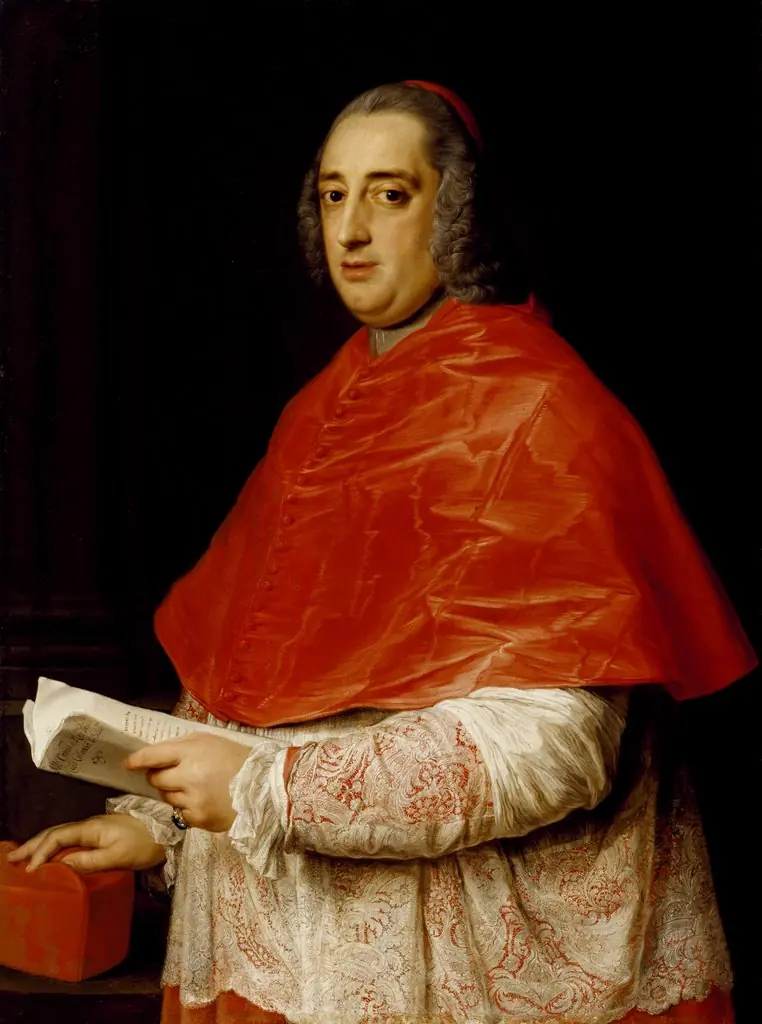 Portrait of Cardinal Prospero Colonna di Sciarra
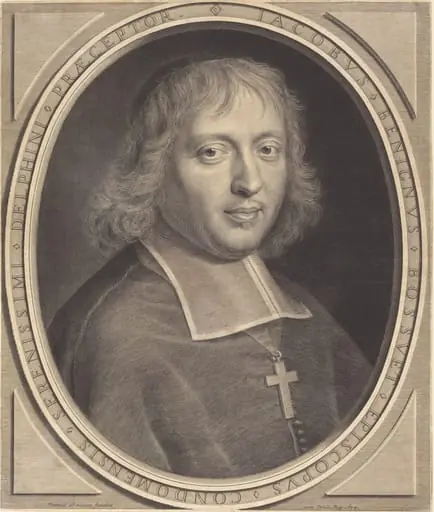 Jacques-Benigne Bossuet
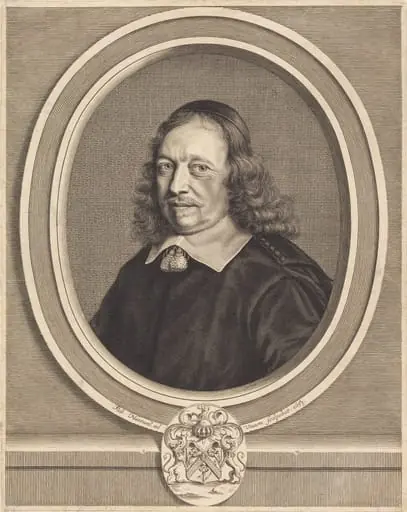 Gilles Blondeau
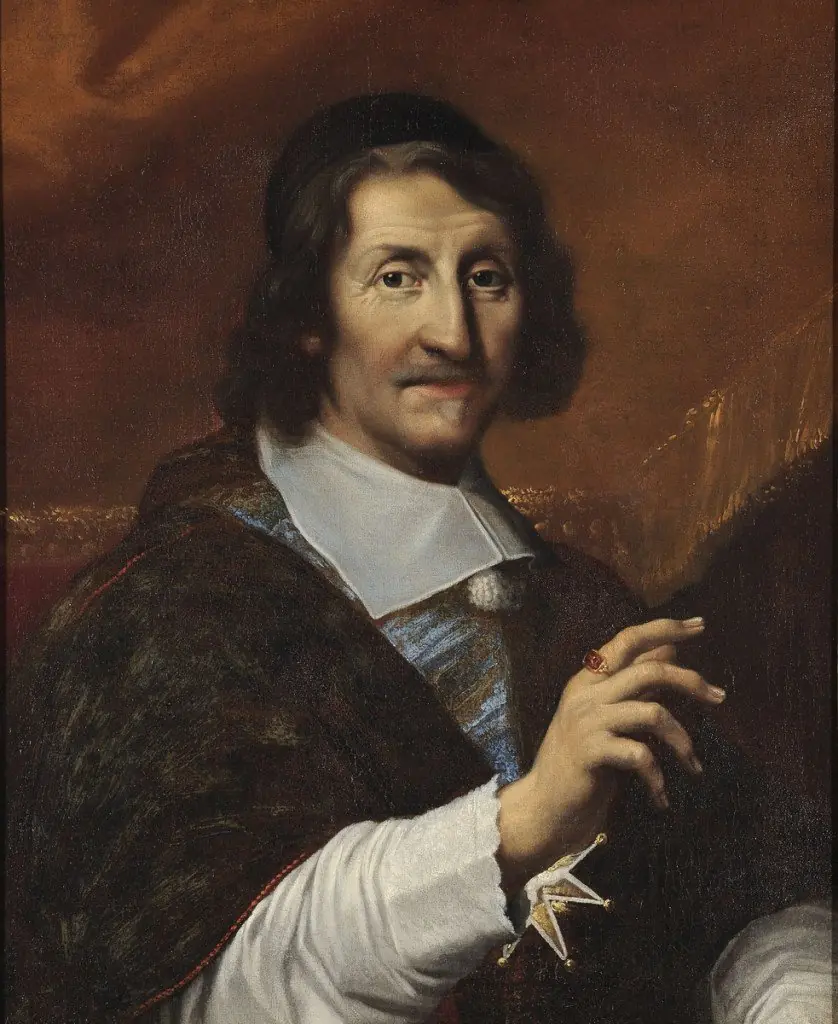 L'Archevêque Camille de Neuville de Villeroy
 Juan Francisco de la Cerda, VIII Duke of Medinaceli