Artwork
Portrait of Michał Sczaniecki
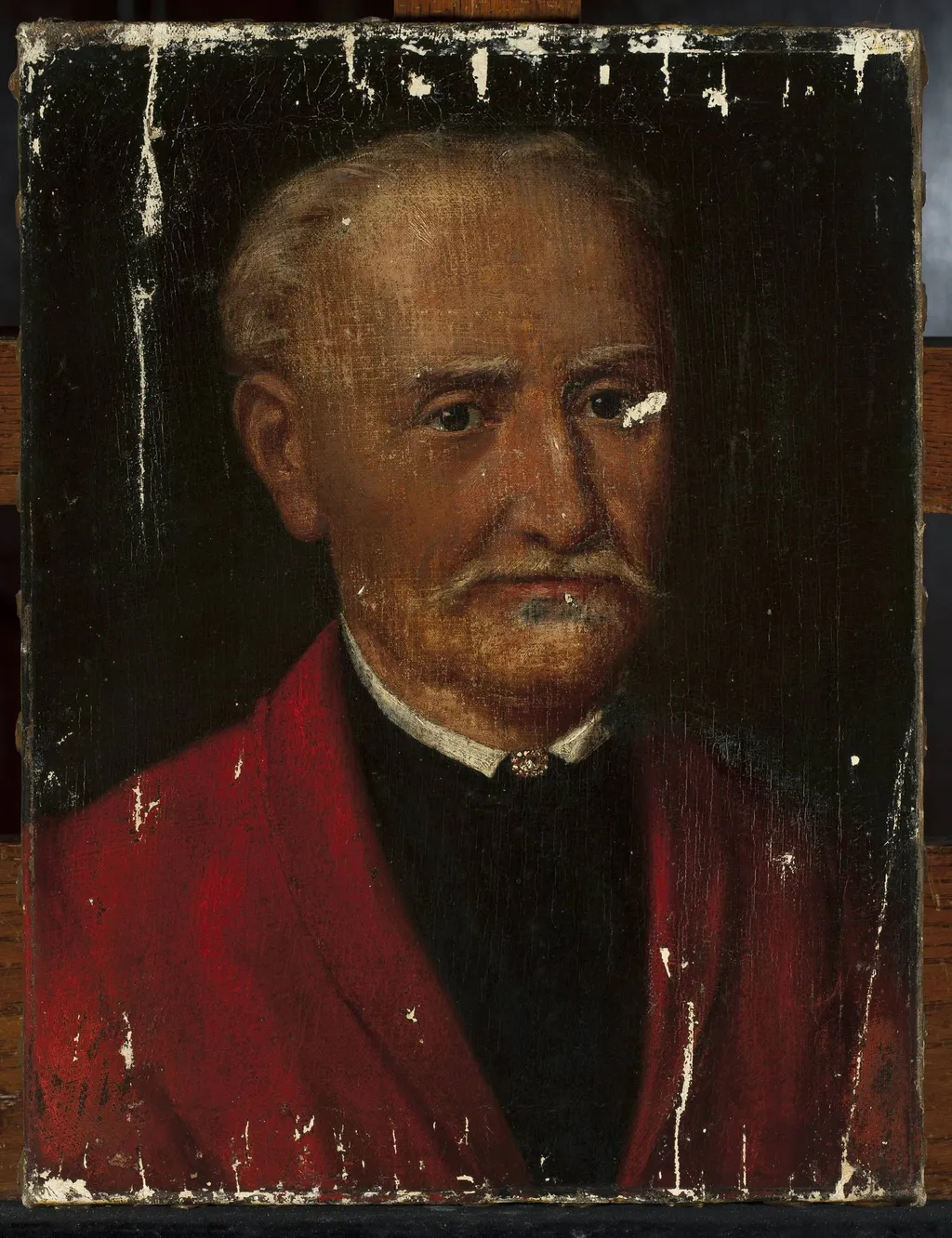
Portrait of Michał Sczaniecki is an oil painting by Unknown. It dates from 1819 and is held in the collection of the National Museum in Warsaw. This oil painting depicts Michał Sczaniecki, a Polish nobleman, rendered in a formal, full-length portrait.
About this work
Overview
The surface shows signs of age, including scratches and wear, consistent with decades of handling and environmental exposure.
This oil painting depicts Michał Sczaniecki, a Polish nobleman, rendered in a formal, full-length portrait. The composition is dominated by a dark background that isolates the figure, emphasizing his presence. The surface shows signs of age, including scratches and wear, consistent with decades of handling and environmental exposure. The work is held in the collection of the National Museum in Warsaw.
Subject & Meaning
Michał Sczaniecki is portrayed with a solemn demeanor, his direct gaze engaging the viewer with quiet intensity. His attire—a red coat over a black shirt and white collar—suggests status and formality, while the small brooch hints at personal or familial significance. The absence of symbolic objects or setting focuses attention on his character, conveying dignity and restraint rather than ostentation.
Technique & Style
The artist employs chiaroscuro to model the figure with strong light-dark contrasts, giving volume to the face, hands, and fabric folds. The brushwork is precise yet restrained, particularly in the rendering of the white hair and the texture of the coat. The dark background enhances the three-dimensionality of the subject, creating a dramatic, almost sculptural presence without decorative distraction.
History & Provenance
The painting has remained in Polish institutional custody since at least the early 20th century, now housed in the National Museum in Warsaw. Its surface condition—scratches, abrasions, and aging varnish—suggests it was displayed or stored under less controlled conditions in earlier periods. No definitive record of its commission or early ownership has been publicly documented.
Context
Created during a period when Polish nobility commissioned portraits to assert identity amid political fragmentation, this work reflects a tradition of dignified, introspective representation. Unlike grander European court portraits, it avoids elaborate settings or allegory, aligning instead with a more restrained, Central European aesthetic focused on personal presence over external symbols.
Legacy
The portrait endures as a quiet example of early modern Polish portraiture, valued for its emotional gravity and technical discipline. It contributes to the understanding of how Polish elites expressed identity through visual culture during times of national upheaval. Its preservation in a national collection underscores its role as a cultural artifact rather than a decorative object.
Artist & collection

 Domestic Scene
 Giacomo and Cardinal Marco, investing Andrea, Abbot of San Zeno, with his Benefice
 The Nymph of Fontainebleau
 Portrait of a Woman
 Madonna and Child with Saints in the Enclosed Garden
 Venus and Minerva
 Family Group of Four on Sofa
 Wall painting from Room H of the Villa of P. Fannius Synistor at Boscoreale
 Portret de bărbat
 Fredrik Signeul (1810 - 1890), Paint Manufacturer, Director of an Orphanage in Uddevalla
 Twm o'r Nant
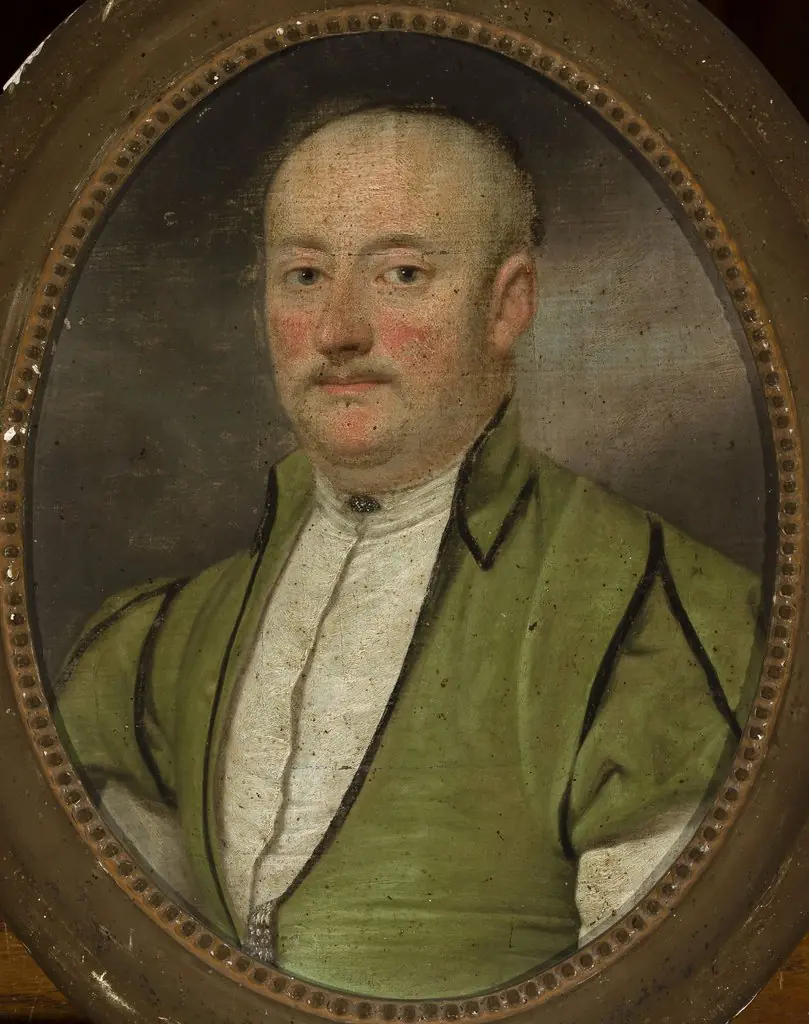 Portrait of Karol Węgliński
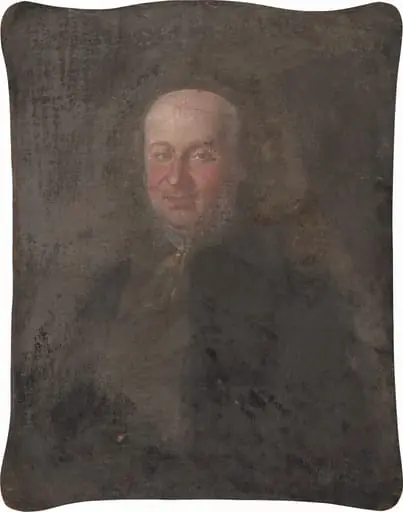 Portrait of a Man
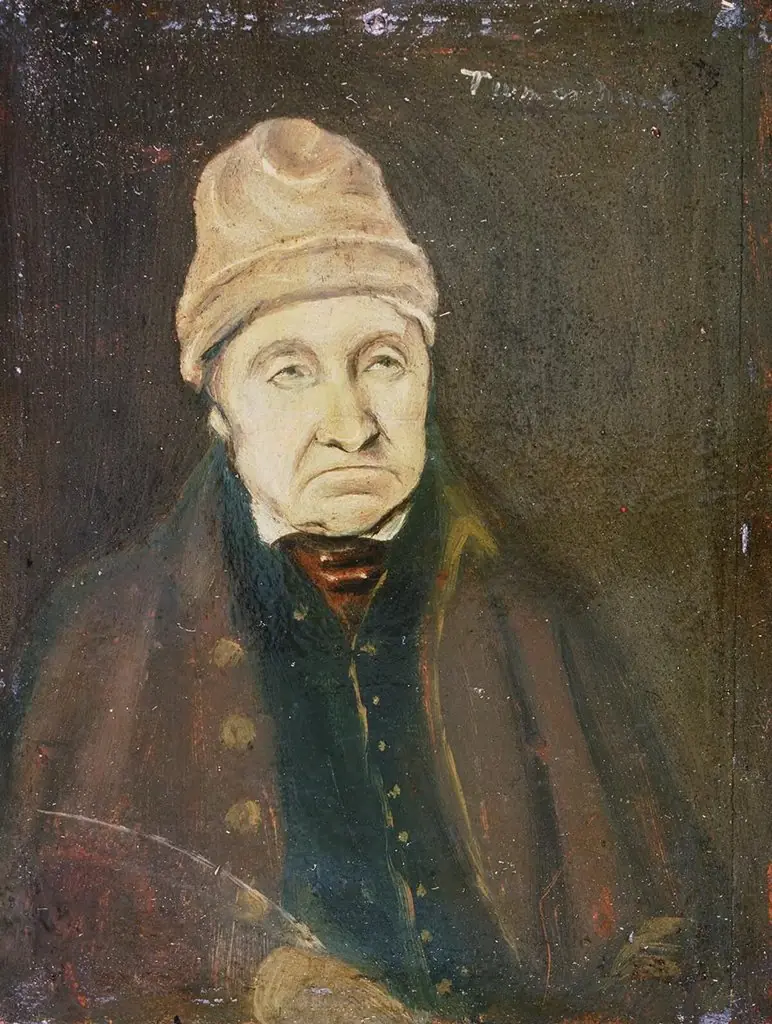 Thomas Edwards (Twm o'r Nant)
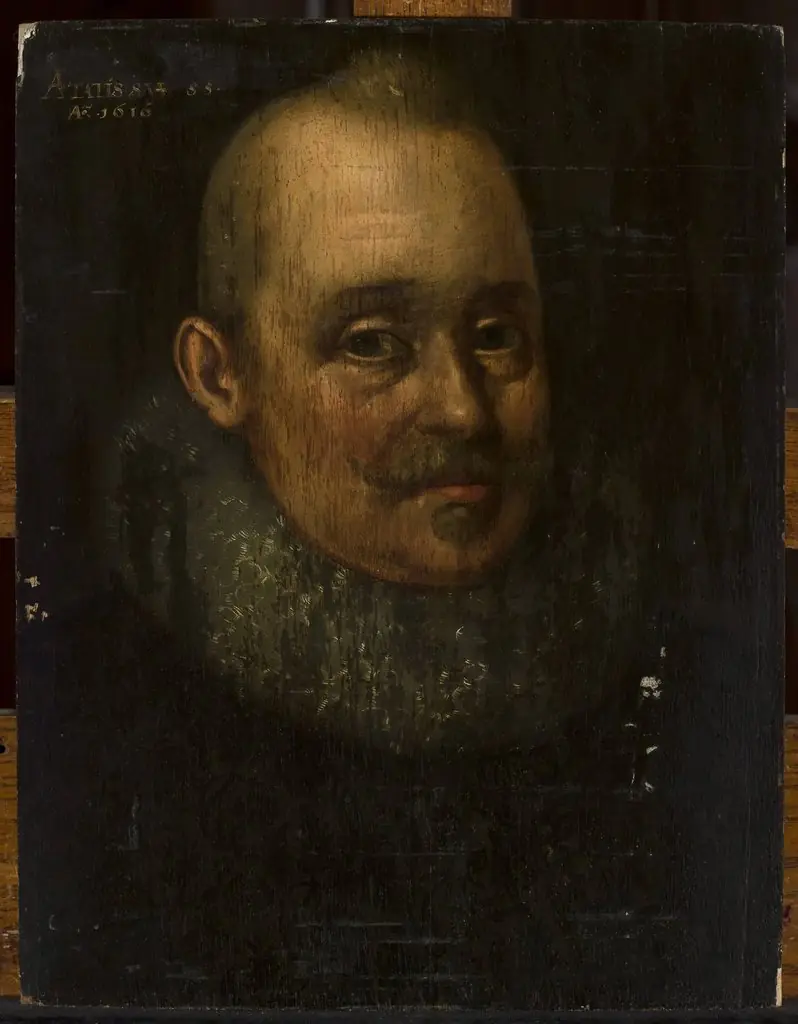 Portrait of a man
![Portrait of Wojciech (Albert) I Radziwiłł (1476–1519), bishop of Lutsk and Vilnius, nicknamed “Jałmużnik” [Almoner], by Unknown](https://artifactworldgallery.com/img/unknown--portrait-of-wojciech-albert-i-radziwi-1476-1519-bishop-of-lu--04c1dbc67bdb359c-w320.webp) Portrait of Wojciech (Albert) I Radziwiłł (1476–1519), bishop of Lutsk and Vilnius, nicknamed “Jałmużnik” [Almoner]
Portrait of Wojciech (Albert) I Radziwiłł (1476–1519), bishop of Lutsk and Vilnius, nicknamed “Jałmużnik” [Almoner]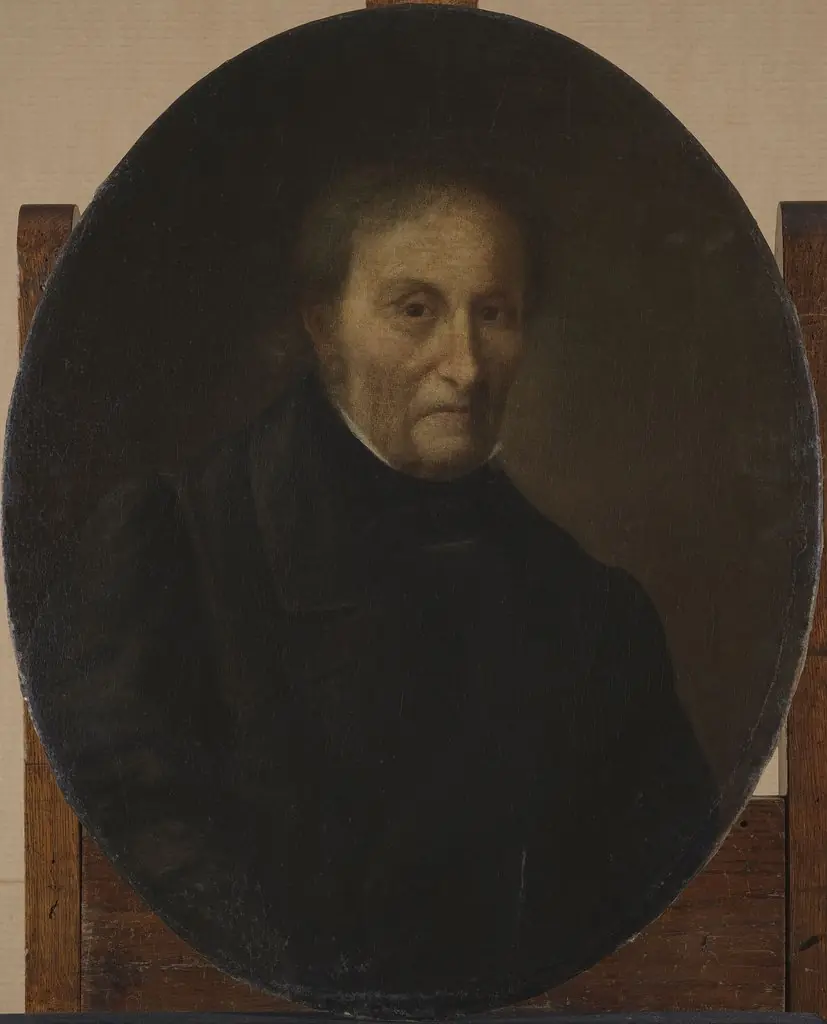 Portrait of Wiktor Grajewski, the last border judge in Samogitia
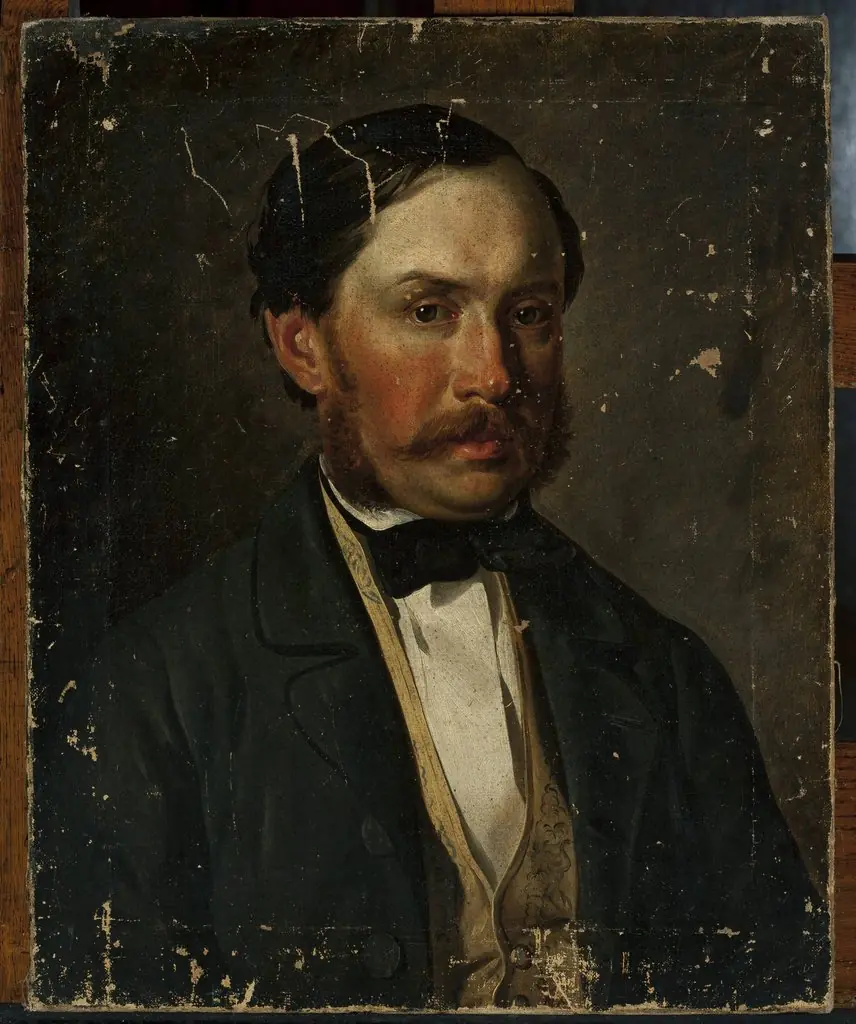 Portrait of Aleksander Odrowąż Bębnowski