Artwork
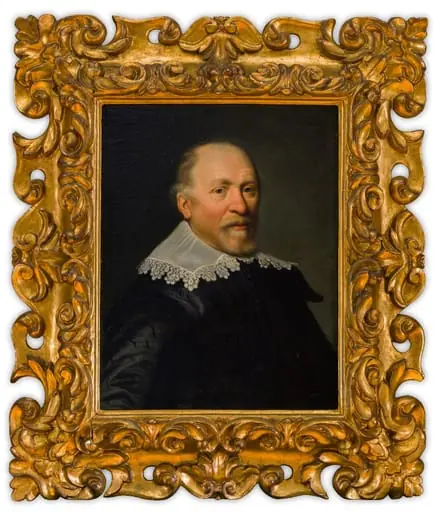
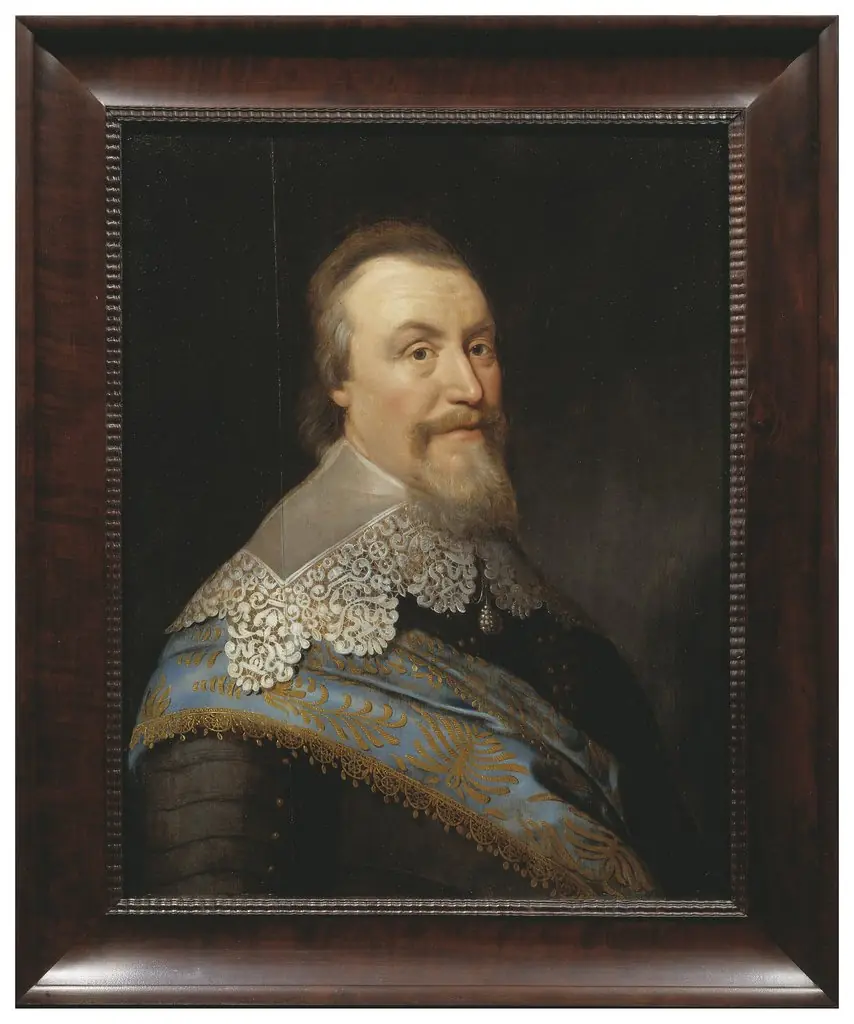
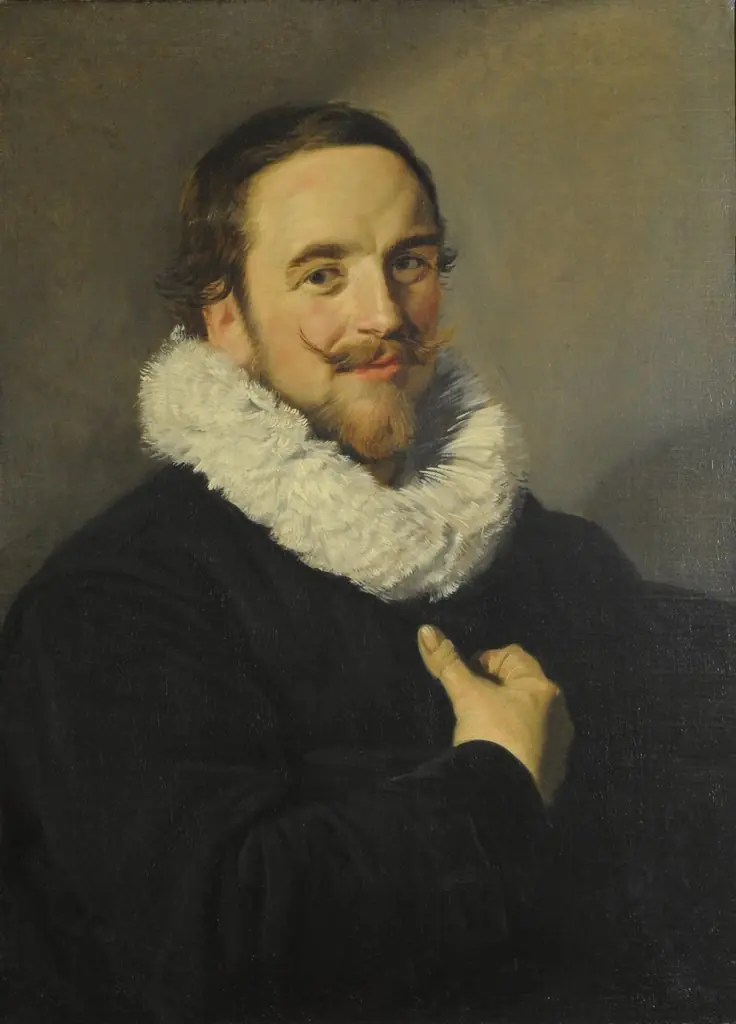
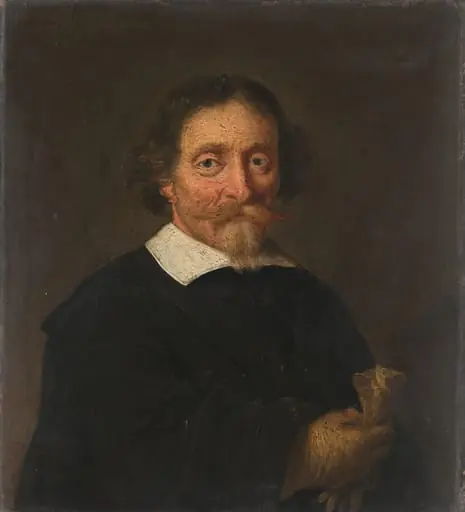
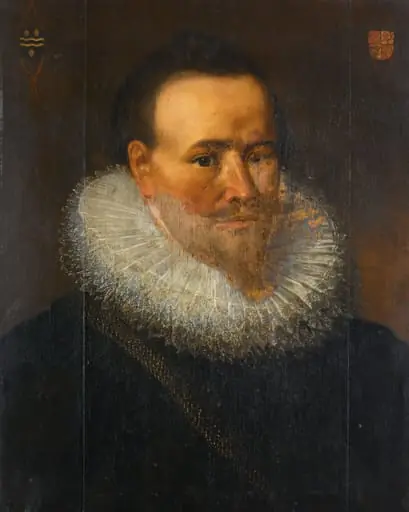
Portrait of a man
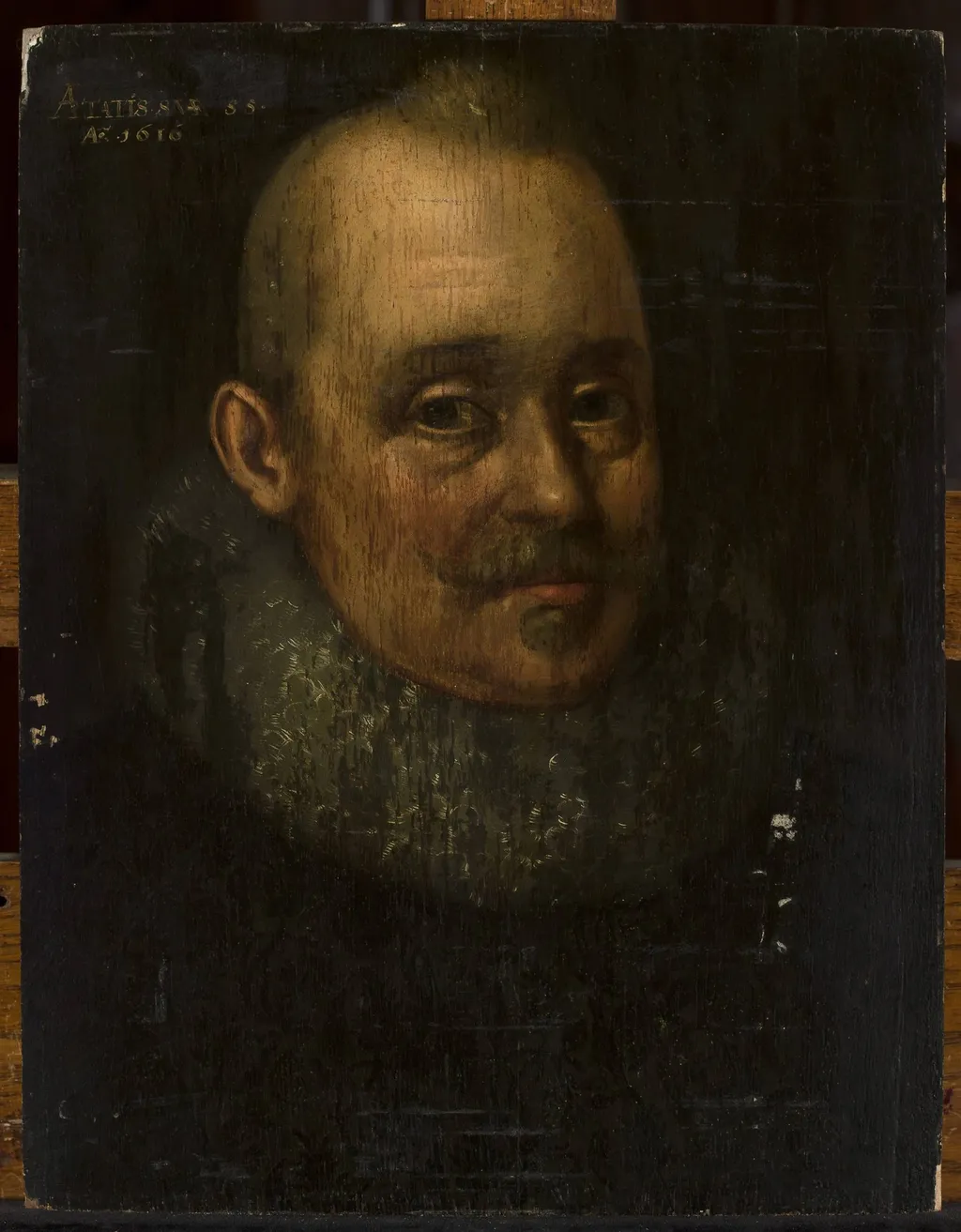
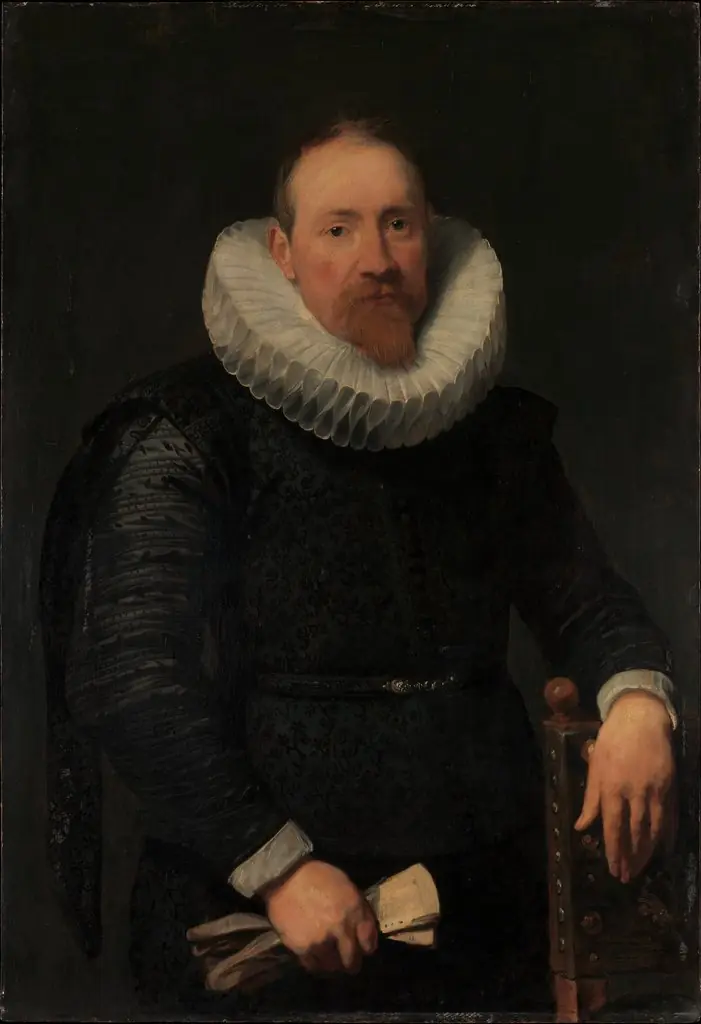
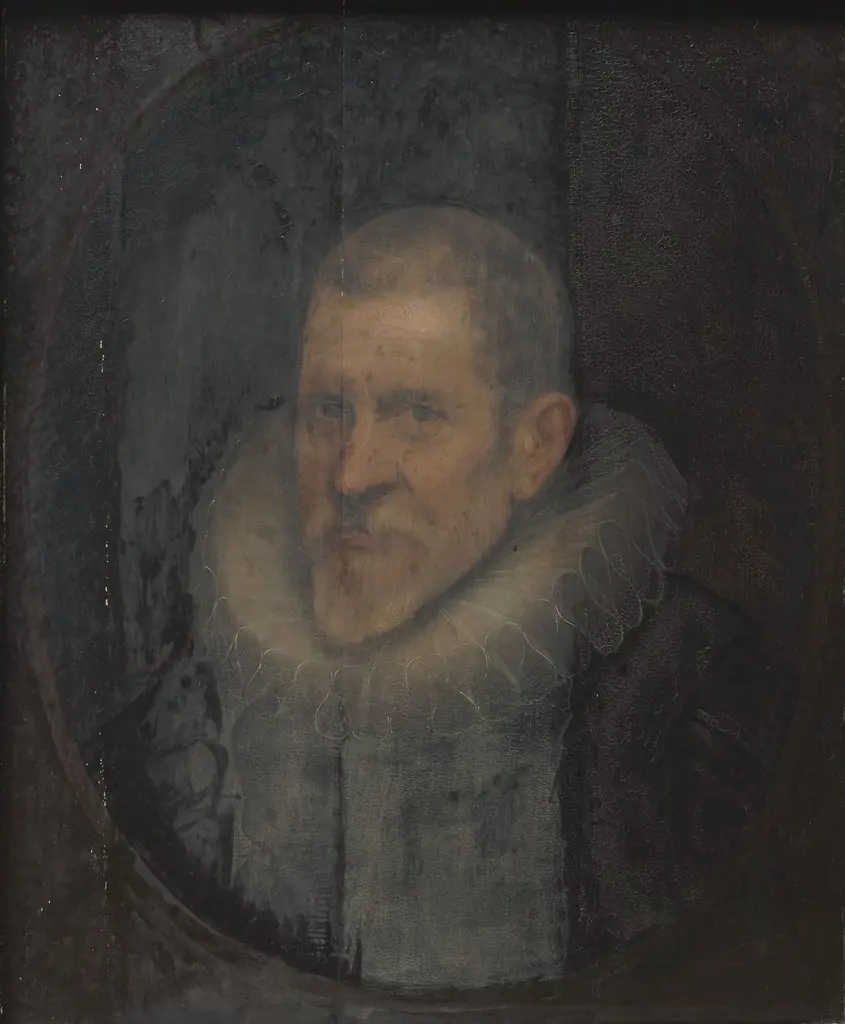
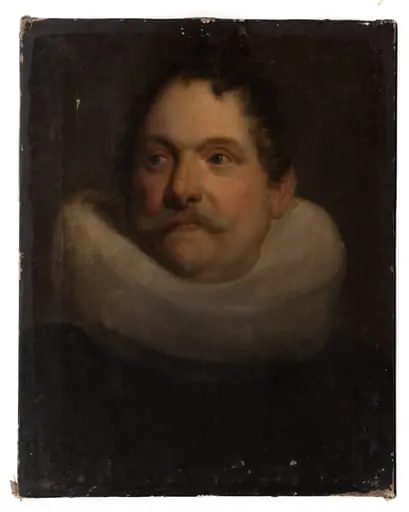
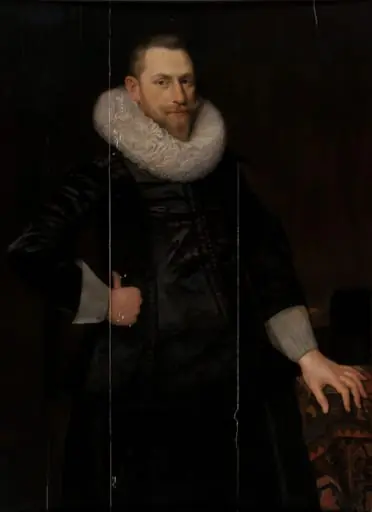
Portrait of a man is an oil painting by the Flemish Baroque painting artist Unknown. It dates from 1616 and is held in the collection of the National Museum in Warsaw. This oil painting depicts an unidentified man in half-length profile, set against a featureless dark ground.
About this work
Overview
This oil painting depicts an unidentified man in half-length profile, set against a featureless dark ground. The sitter’s balding head, closely cropped beard, and somber expression are rendered with palpable volume, while the muted palette concentrates attention on the facial contours and the tactile contrast of fabric against skin.
Subject & Meaning
The portrait records an individual whose identity remains unconfirmed, yet the sober gaze and restrained attire suggest a person of quiet authority, possibly a scholar or merchant. The absence of emblematic objects focuses meaning on the sitter’s character rather than social rank, inviting contemplation of inner life rather than external status.
Technique & Style
Thick, directional brushwork builds the illusion of flesh and cloth through layered impasto, while selective glazing refines shadows and highlights. The stark juxtaposition of illuminated face against deep background exemplifies chiaroscuro, a method that heightens three-dimensionality and emotional presence without recourse to linear detail.
History & Provenance
Documented ownership begins in early nineteenth-century Paris, though earlier records are fragmentary. The painting entered a private European collection in 1928, remaining there until its acquisition by the present institution in 2003. Conservation records note minor abrasion along the lower edge, consistent with age and handling.
Context
Executed in an era when portraiture served both commemoration and self-fashioning, this work aligns with Northern European traditions that favored psychological insight over idealization. The dark ground and restrained palette reflect conventions of the period, while the palpable brushwork signals a shift toward more tactile, immediate representation.
Artist & collection

 Domestic Scene
 Giacomo and Cardinal Marco, investing Andrea, Abbot of San Zeno, with his Benefice
 The Nymph of Fontainebleau
 Portrait of a Woman
 Madonna and Child with Saints in the Enclosed Garden
 Venus and Minerva
 Family Group of Four on Sofa
 Wall painting from Room H of the Villa of P. Fannius Synistor at Boscoreale