Artwork
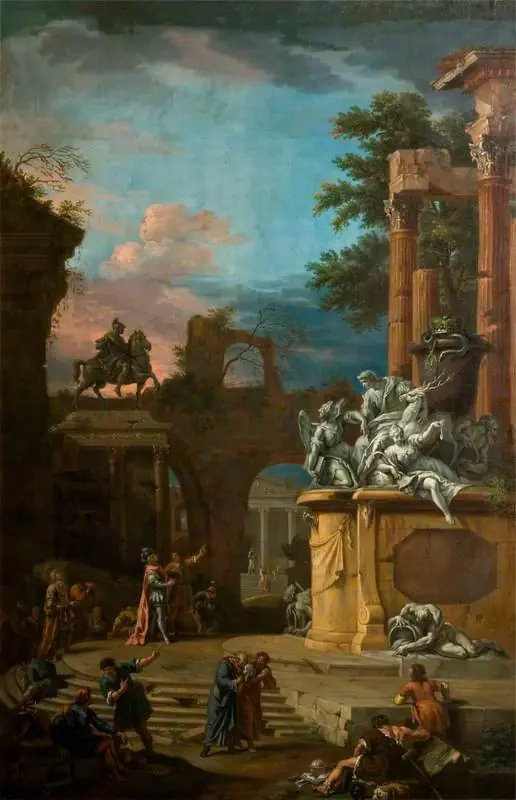
Allegorical tomb of Sir Cloudesley Shovell
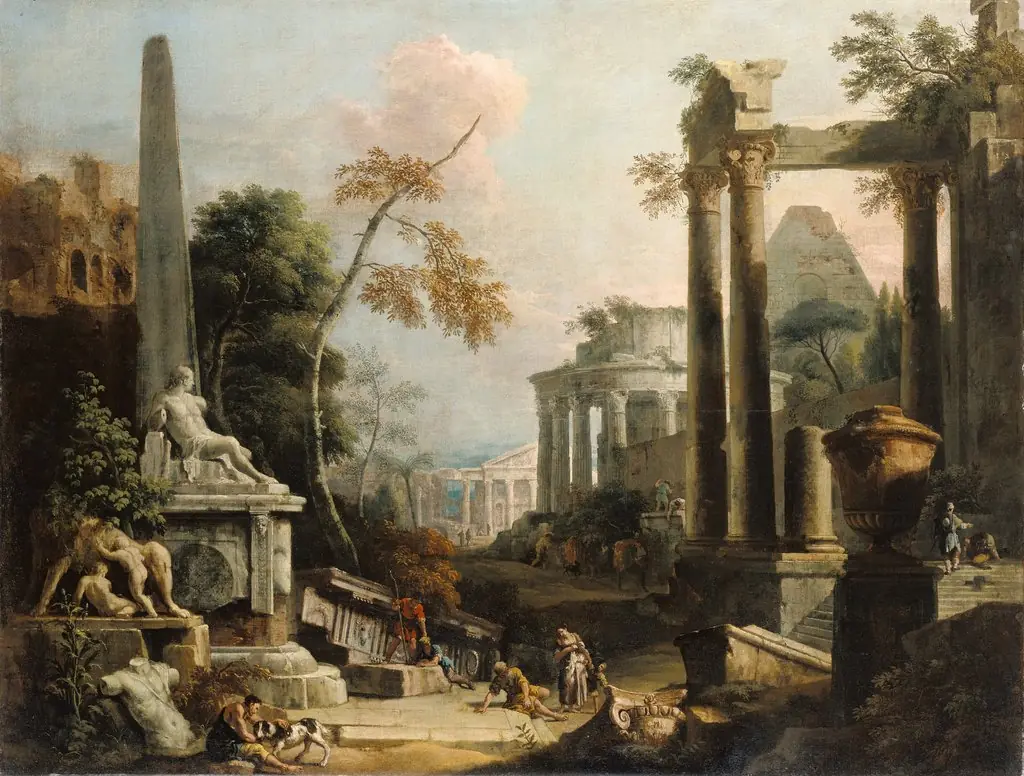
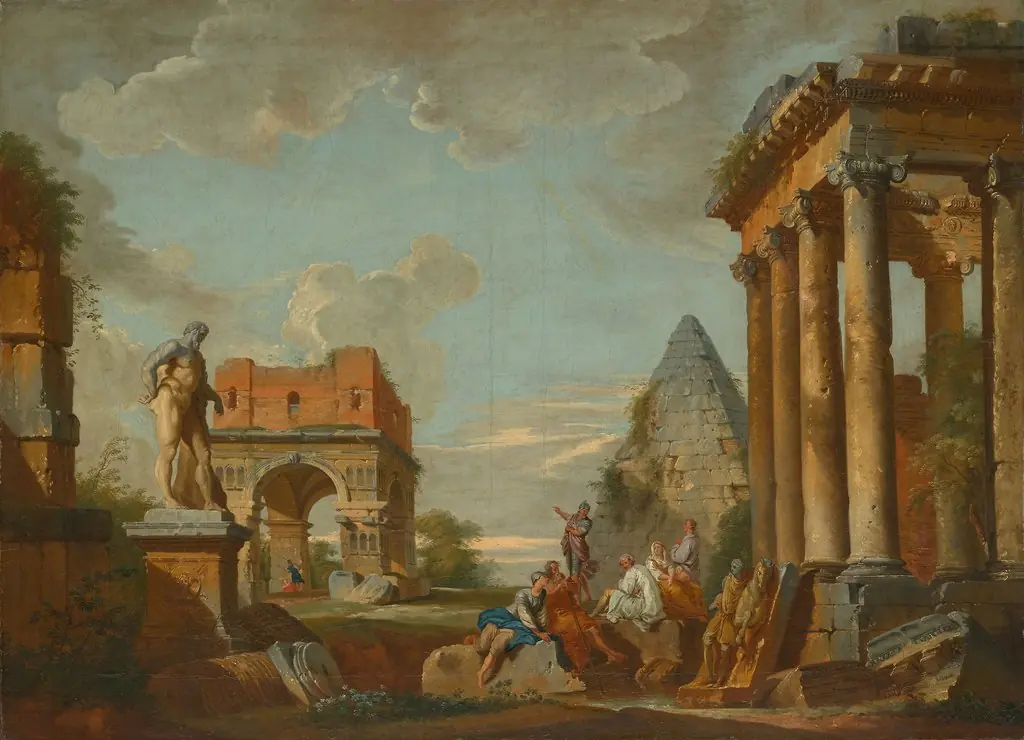
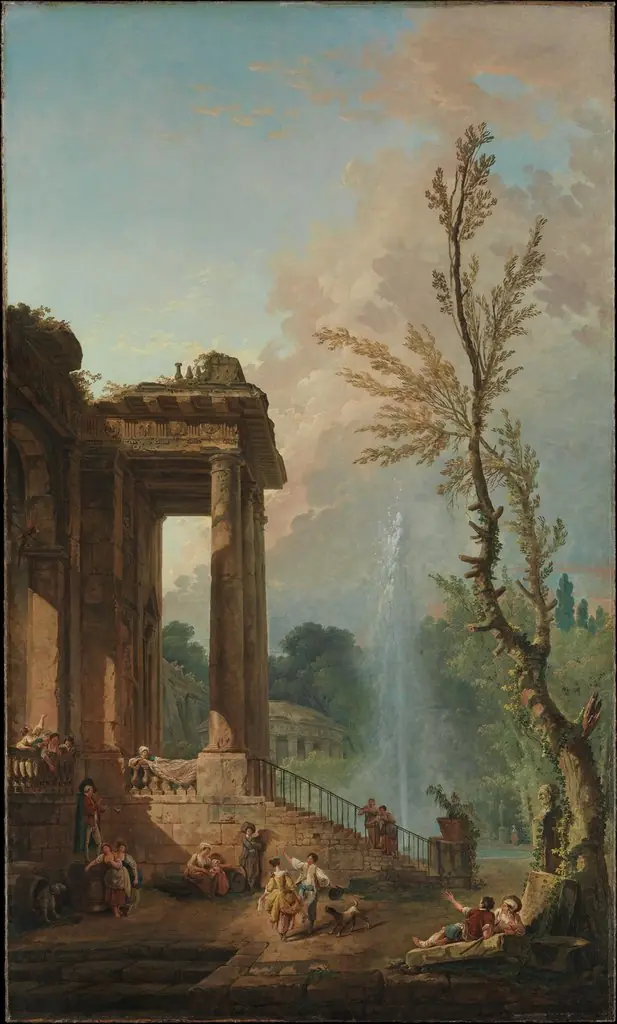
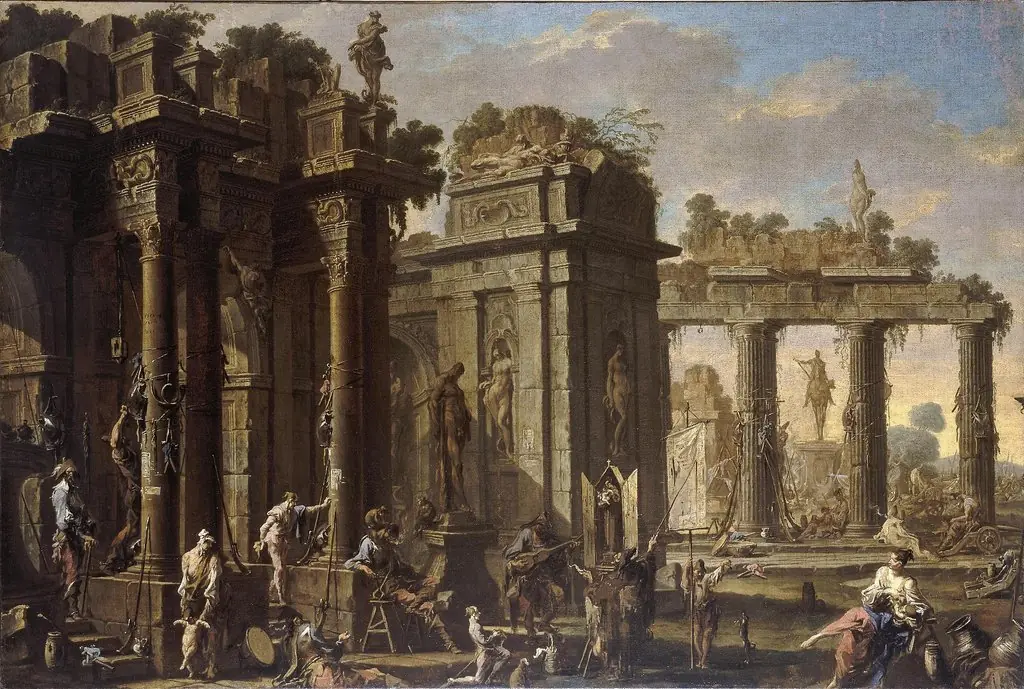
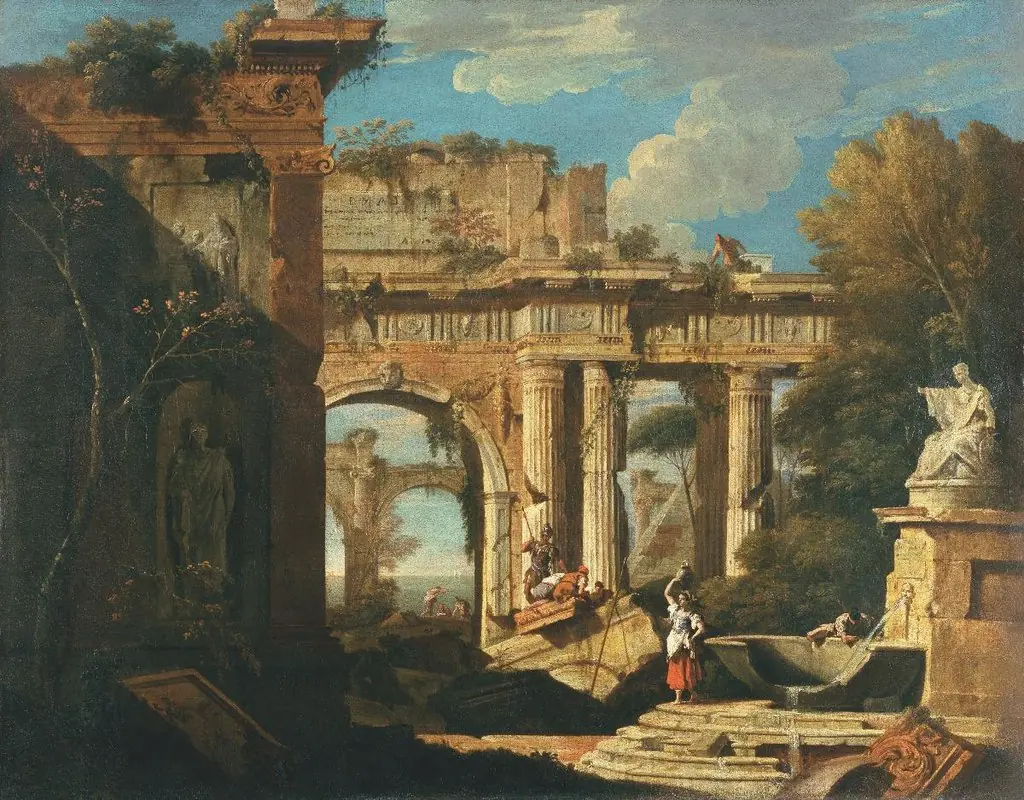
Allegorical tomb of Sir Cloudesley Shovell is an oil painting by Unknown. It is held in the collection of the National Museum of Fine Arts, Argentina. This oil painting presents a large-scale allegorical tribute to Sir Cloudesley Shovell, a British naval officer who died in 1707.
About this work
Overview
The setting, framed by classical ruins and a distant statue, evokes a timeless sense of loss and remembrance, blending historical reference with mythic imagery.
This oil painting presents a large-scale allegorical tribute to Sir Cloudesley Shovell, a British naval officer who died in 1707. The composition centers on a monumental stone monument surrounded by a group of mourners and symbolic figures. The setting, framed by classical ruins and a distant statue, evokes a timeless sense of loss and remembrance, blending historical reference with mythic imagery.
Subject & Meaning
The scene is not a literal depiction but a symbolic commemoration. Figures around the tomb represent grief, duty, and national mourning, while the distant statue may allude to Shovell’s legacy as a naval hero. The ruined architecture suggests the impermanence of earthly glory, reinforcing the allegory of mortality and the enduring value of service.
Technique & Style
The artist employs chiaroscuro to model forms with strong contrasts of light and shadow, enhancing the emotional gravity of the scene. Detailed textures in stone, fabric, and skin lend realism, while the arrangement of figures creates a rhythmic composition that guides the viewer’s gaze toward the central monument. The style reflects late Baroque sensibilities, emphasizing drama and narrative clarity.
History & Provenance
Commissioned after Shovell’s death, the painting was intended for public display to honor his service and the tragedy of his loss at sea. It was likely created in the early 18th century by a British artist associated with commemorative portraiture. Its early ownership remains undocumented, but it entered institutional collections by the 19th century as interest in naval history grew.
Context
Created during a period when Britain was consolidating its naval power, the painting responds to public sentiment following Shovell’s death, which sparked national mourning and calls for memorialization. The use of classical ruins and allegory aligns with contemporary artistic trends that linked contemporary heroism to ancient ideals of virtue and sacrifice.
Legacy
Though not widely exhibited today, the painting remains a significant example of early 18th-century British commemorative art. It reflects how naval figures were elevated through visual allegory, blending personal loss with national identity. Its survival offers insight into how public memory was shaped through art in the pre-photographic era.
Artist & collection

Museum
National Museum of Fine Arts, Argentina
Continue through works from the same source collection.
 Domestic Scene
 Giacomo and Cardinal Marco, investing Andrea, Abbot of San Zeno, with his Benefice
 The Nymph of Fontainebleau
 Portrait of a Woman
 Madonna and Child with Saints in the Enclosed Garden
 Venus and Minerva
 Family Group of Four on Sofa
 Wall painting from Room H of the Villa of P. Fannius Synistor at Boscoreale