Artwork
Tantric Manuscript "Sangrahani Sutra"
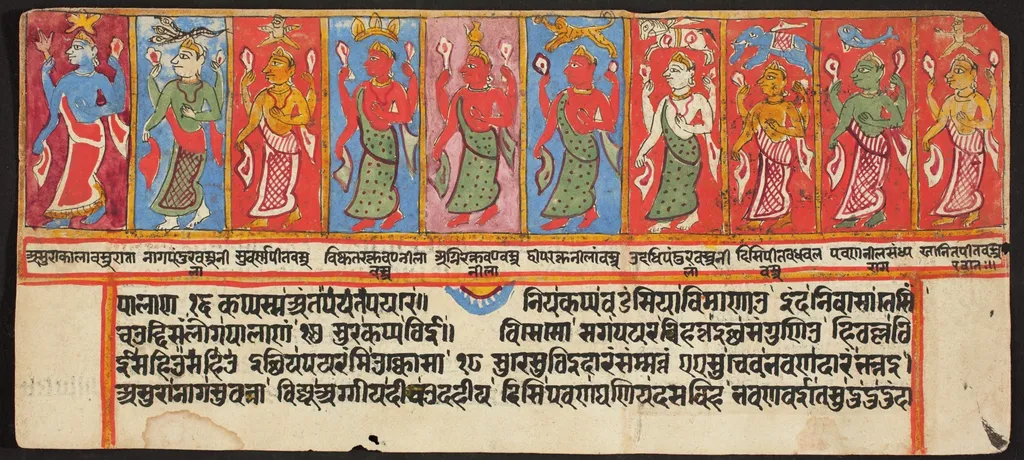
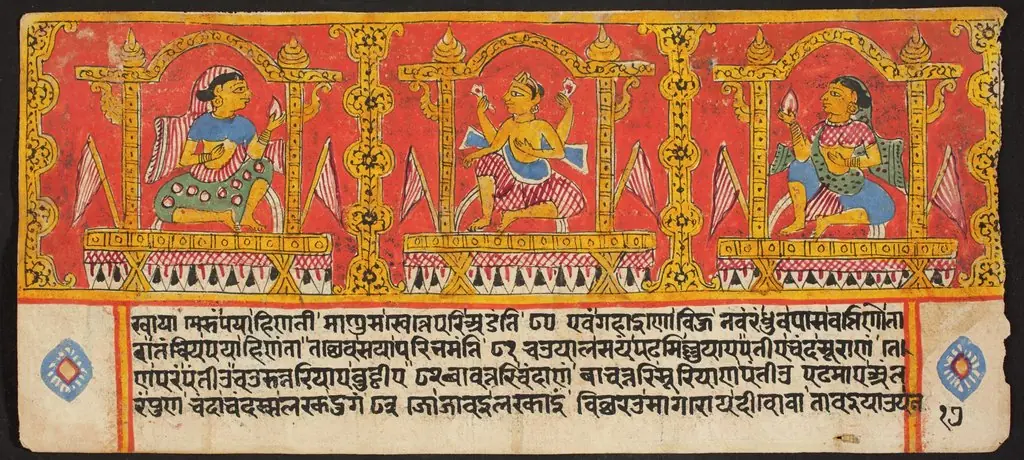
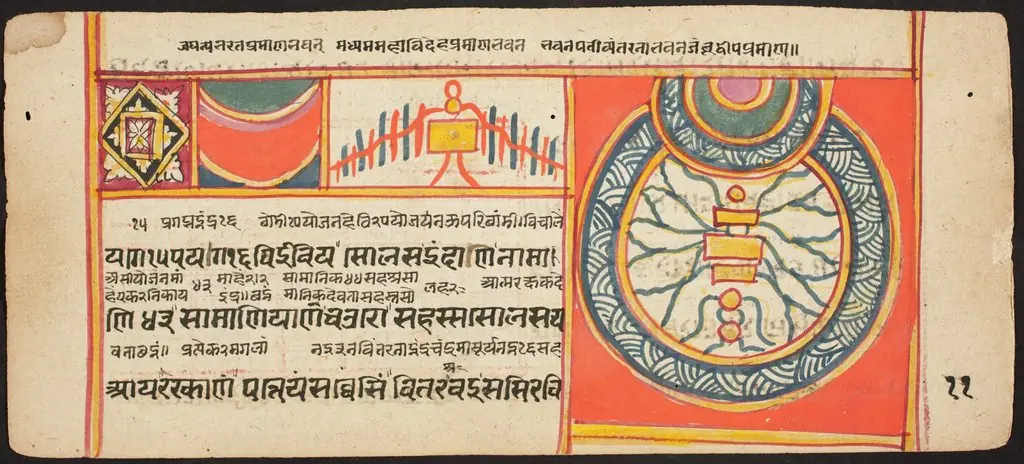
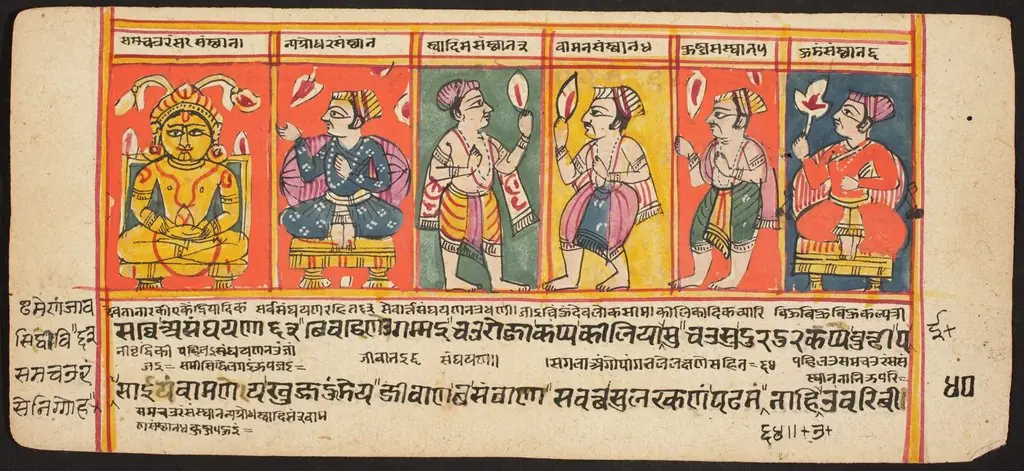
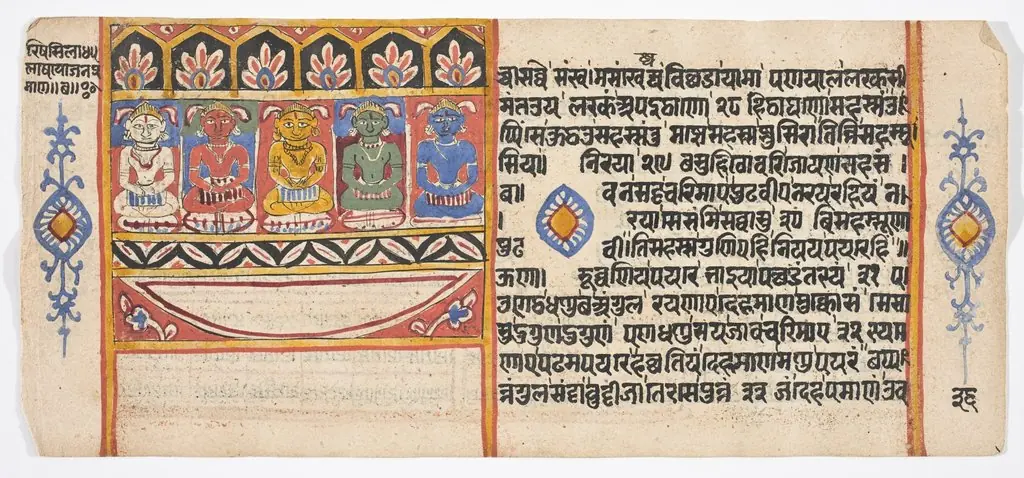
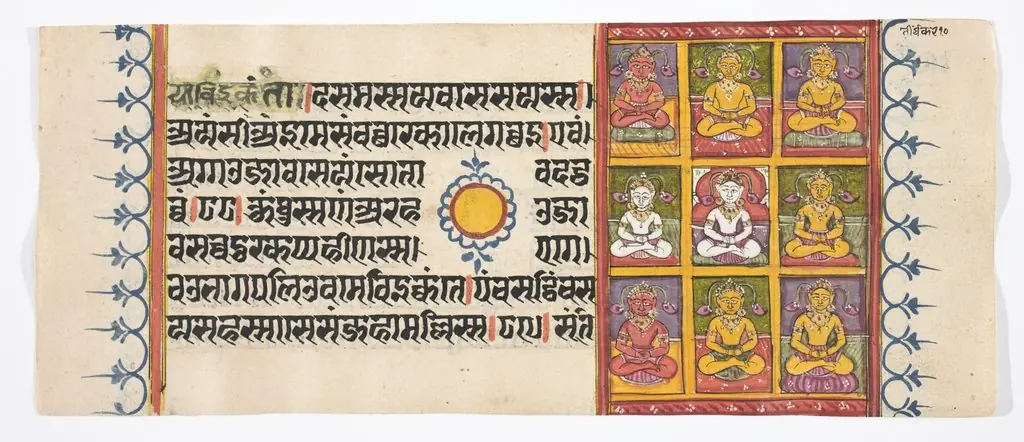
Tantric Manuscript "Sangrahani Sutra" is an unspecified painting by Unknown. It is held in the collection of the Detroit Institute of Arts. This painted manuscript page contains a sequence of nine figures arranged in individual colored rectangles.
About this work
Overview
The composition emphasizes repetition and variation, with each figure rendered in a distinct hue, creating visual harmony through contrast and alignment.
This painted manuscript page contains a sequence of nine figures arranged in individual colored rectangles. Each figure is depicted with raised arms and draped in elaborate robes, suggesting ritual motion. The background boxes alternate in red, blue, and purple, framing the figures in a rhythmic pattern. The composition emphasizes repetition and variation, with each figure rendered in a distinct hue, creating visual harmony through contrast and alignment.
Subject & Meaning
The figures likely represent deities or tantric practitioners engaged in a ceremonial dance, common in esoteric Buddhist and Hindu traditions. Their raised arms and synchronized posture imply invocation or energetic transmission, aligning with tantric practices that use bodily movement to channel spiritual power. The arrangement may symbolize cosmic order or the unfolding of sacred principles through embodied ritual.
Technique & Style
The painting employs fine brushwork to render intricate textile patterns on the robes, with meticulous attention to detail in folds and ornamentation. Pigments are applied with high saturation, using mineral and organic colors to achieve luminous intensity. The flat, non-perspectival space and stylized forms reflect traditional manuscript aesthetics, prioritizing symbolic clarity over naturalistic depth.
History & Provenance
This page originates from a larger tantric manuscript, likely produced in the eastern Indian or Nepalese region between the 12th and 15th centuries. Such manuscripts were used in monastic rituals and esoteric teachings, often copied by skilled artisans under monastic supervision. Its survival suggests it was preserved in a religious institution, possibly in Tibet or the Himalayas, where tantric traditions remained active.
Context
Created during a period of flourishing tantric Buddhism in South Asia, this work reflects the integration of visual symbolism with meditative practice. Manuscripts like this served as ritual aids, guiding practitioners through visualizations of deities and mandalas. The emphasis on color, posture, and repetition aligns with tantric doctrines that equate form with spiritual energy and cosmic structure.
Legacy
Though not widely known outside specialist circles, this manuscript page exemplifies the continuity of tantric visual language across centuries. Its stylistic features influenced later Himalayan thangka painting and continue to inform contemporary studies of ritual art. As a preserved artifact of esoteric practice, it offers insight into how abstract spiritual concepts were made tangible through disciplined artistic form.
Artist & collection

 Domestic Scene
 Giacomo and Cardinal Marco, investing Andrea, Abbot of San Zeno, with his Benefice
 The Nymph of Fontainebleau
 Portrait of a Woman
 Madonna and Child with Saints in the Enclosed Garden
 Venus and Minerva
 Family Group of Four on Sofa
 Wall painting from Room H of the Villa of P. Fannius Synistor at Boscoreale
 Tantric Manuscript "Sangrahani Sutra"
 Tantric Manuscript "Sangrahani Sutra"
 Tantric Manuscript "Sangrahani Sutra"
 Tantric Manuscript "Sangrahani Sutra"
 Tantric Manuscript "Sangrahani Sutra"
 Tantric Manuscript "Sangrahani Sutra"
 Tantric Manuscript "Sangrahani Sutra"
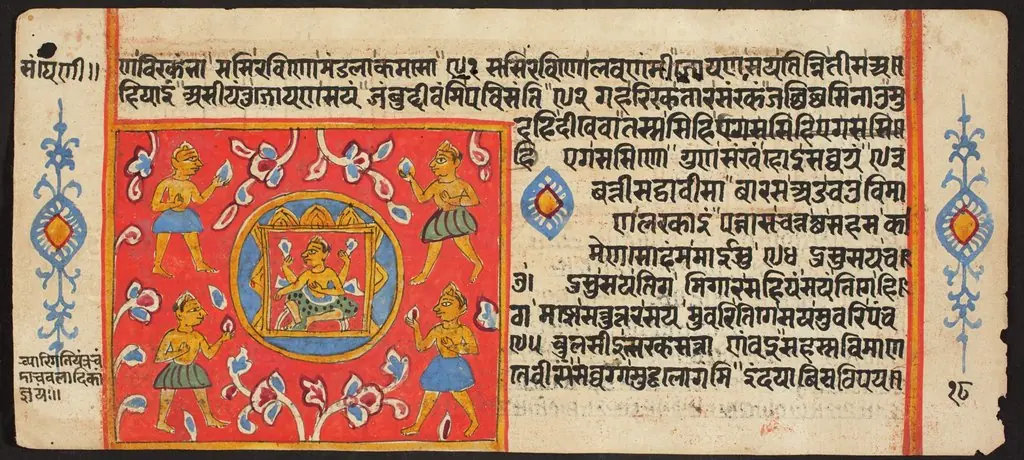 Tantric Manuscript "Sangrahani Sutra"
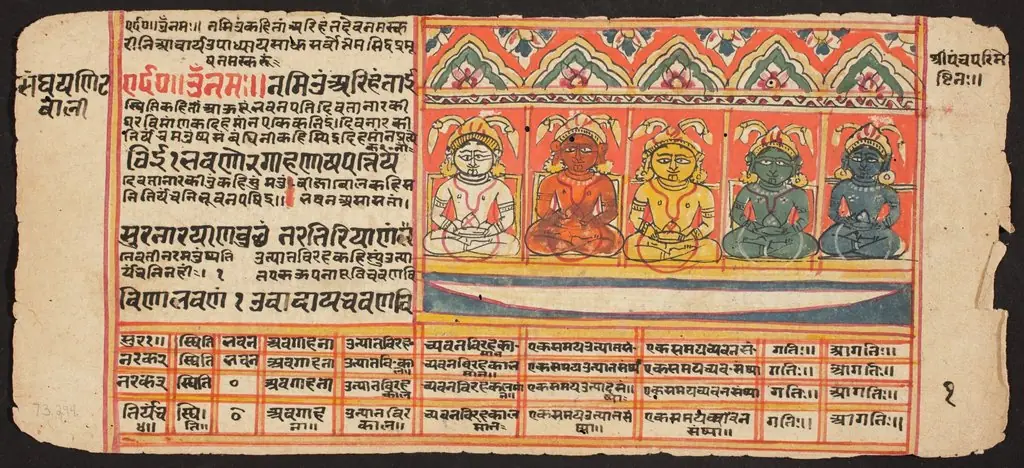 Tantric Manuscript "Sangrahani Sutra"
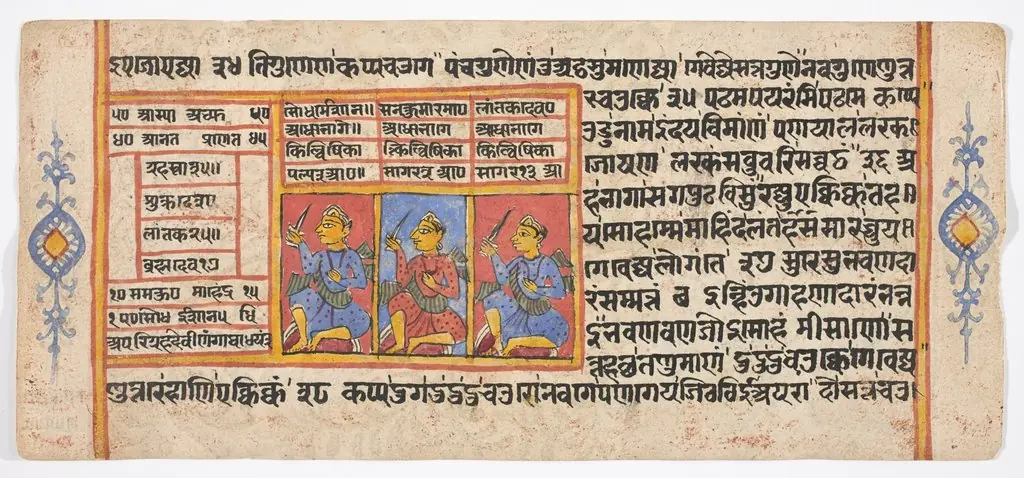 Tantric Manuscript "Sangrahani Sutra"
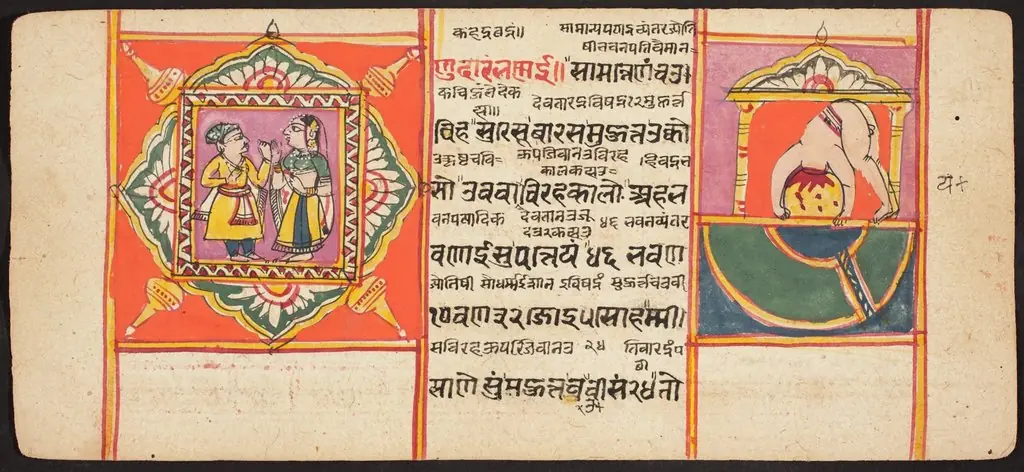 Tantric Manuscript "Sangrahani Sutra"
 Kalpa Sutra