Artwork
Tantric Manuscript "Sangrahani Sutra"
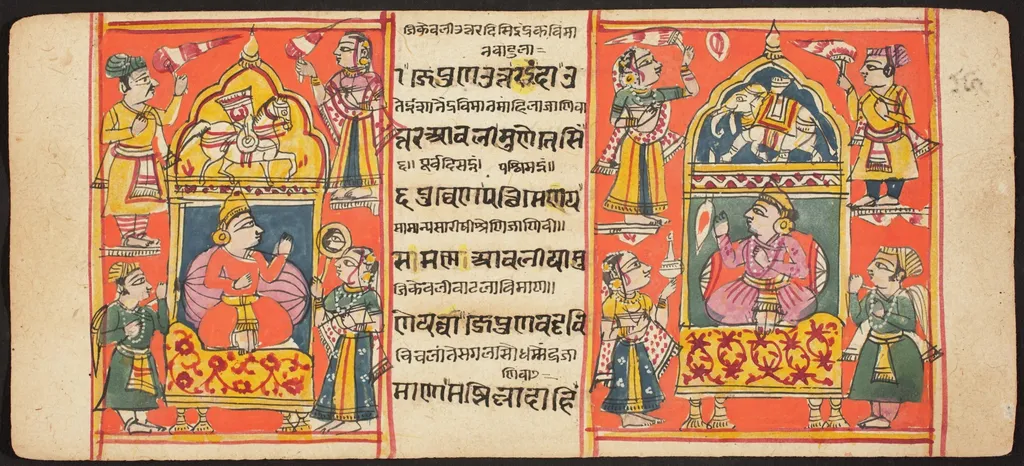
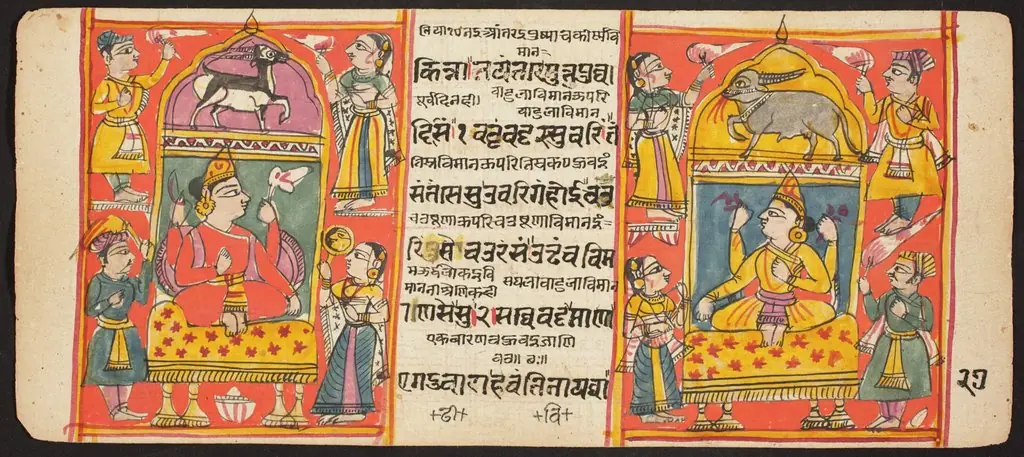
Tantric Manuscript "Sangrahani Sutra" is an unspecified painting by Unknown. It is held in the collection of the Detroit Institute of Arts. The Sangrahani Sutra is a tantric Buddhist manuscript painted on palm leaf, likely produced in eastern India during the late Pala period.
About this work
Overview
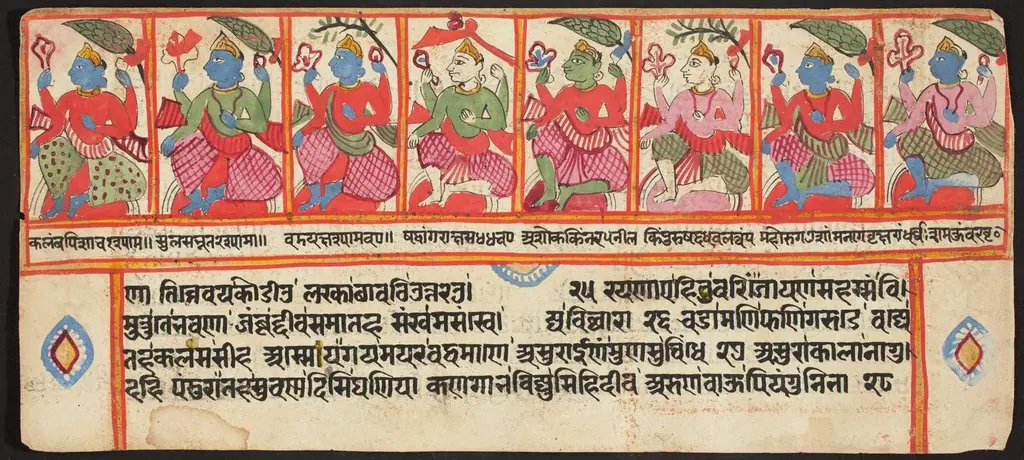
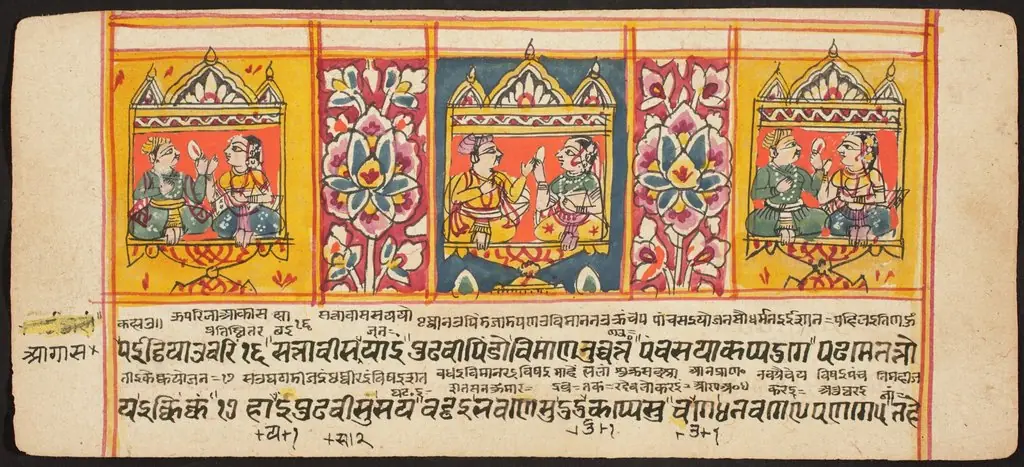
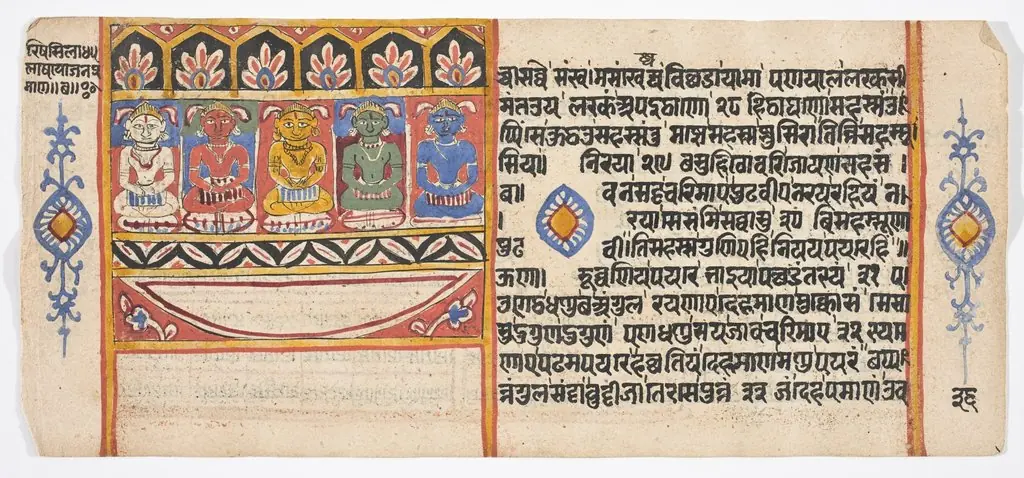
The Sangrahani Sutra is a tantric Buddhist manuscript painted on palm leaf, likely produced in eastern India during the late Pala period. It contains devotional imagery and textual passages intended for ritual use, blending esoteric Buddhist doctrine with visual symbolism. Its compact format suggests it was carried or used in private meditation rather than public display.
Subject & Meaning
The painting depicts deities and mandalic arrangements central to Vajrayana practice, including seated Buddhas and wrathful protectors. These figures represent stages of spiritual realization and cosmic order. The imagery functions as a meditative aid, guiding practitioners through symbolic pathways of transformation, aligning inner consciousness with enlightened states.
Technique & Style
Executed in mineral pigments on thin palm leaf, the work employs fine brushwork and restrained color palettes dominated by reds, ochres, and black outlines. Figures are rendered with elongated proportions and stylized features typical of Pala-era art. The composition is tightly structured, emphasizing symmetry and hierarchical placement to reflect doctrinal precision.
History & Provenance
The manuscript originated in a monastic center in Bihar or Bengal, where tantric traditions flourished between the 9th and 12th centuries. It was likely copied and illustrated by monastic artists under patronage of religious elites. Surviving examples are rare, as palm leaf deteriorates easily; this piece was preserved through careful storage or later relocation.
Context
Produced during a time when tantric Buddhism was institutionalized in eastern India, the manuscript reflects the integration of ritual visualization into daily monastic life. Similar works were used alongside chanting and mantra recitation. Its existence underscores the importance of visual media in transmitting complex esoteric teachings before widespread literacy.
Legacy
Though few such manuscripts survive, the Sangrahani Sutra exemplifies a tradition that influenced later Tibetan thangka painting and Southeast Asian Buddhist art. Its iconographic patterns and compositional logic were transmitted through monastic networks, shaping visual practices across the Himalayan region for centuries.
Artist & collection

 Domestic Scene
 Giacomo and Cardinal Marco, investing Andrea, Abbot of San Zeno, with his Benefice
 The Nymph of Fontainebleau
 Portrait of a Woman
 Madonna and Child with Saints in the Enclosed Garden
 Venus and Minerva
 Family Group of Four on Sofa
 Wall painting from Room H of the Villa of P. Fannius Synistor at Boscoreale
 Tantric Manuscript "Sangrahani Sutra"
 Tantric Manuscript "Sangrahani Sutra"
 Tantric Manuscript "Sangrahani Sutra"
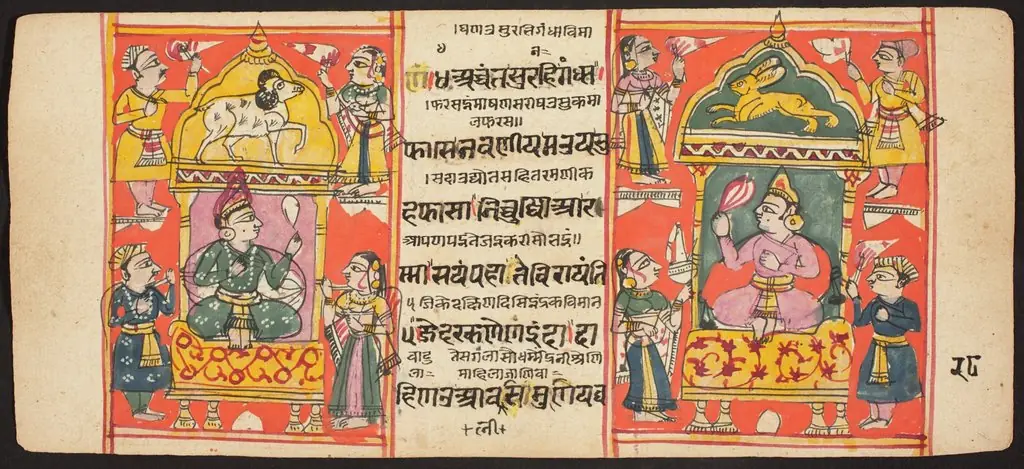 Tantric Manuscript "Sangrahani Sutra"
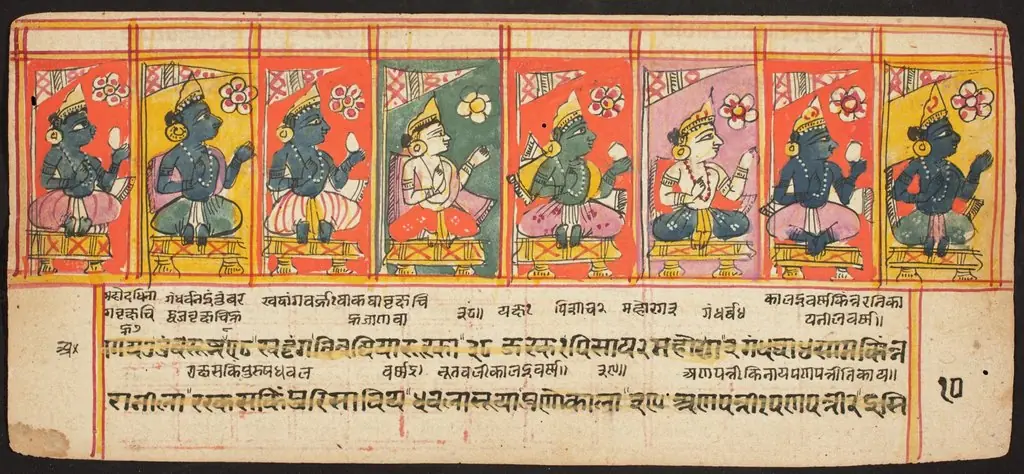 Tantric Manuscript "Sangrahani Sutra"
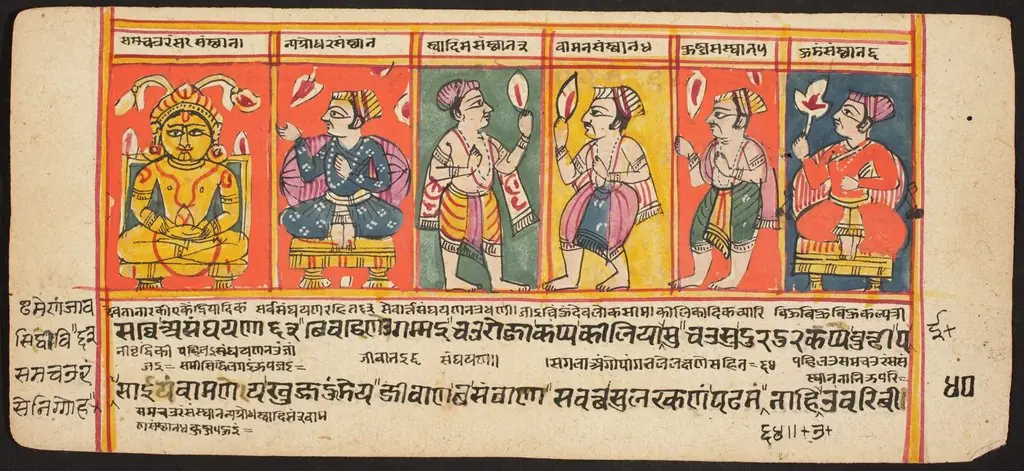 Tantric Manuscript "Sangrahani Sutra"
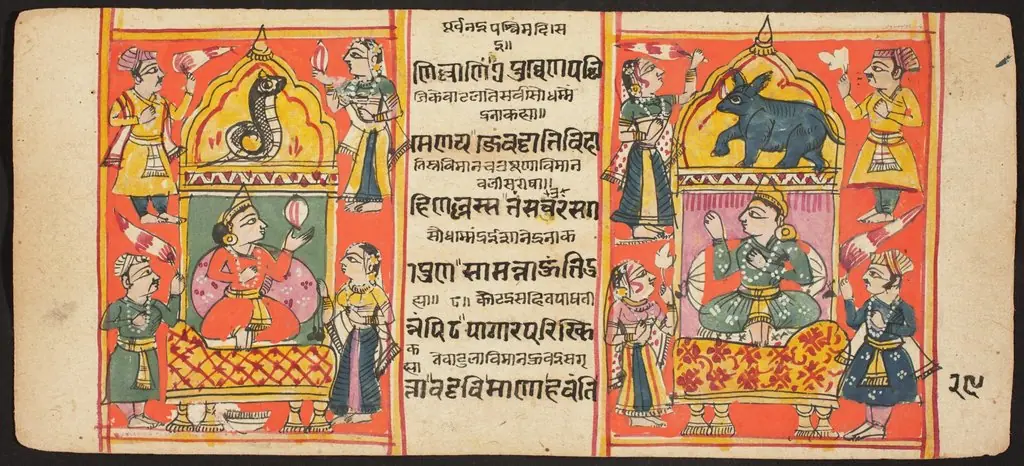 Tantric Manuscript "Sangrahani Sutra"
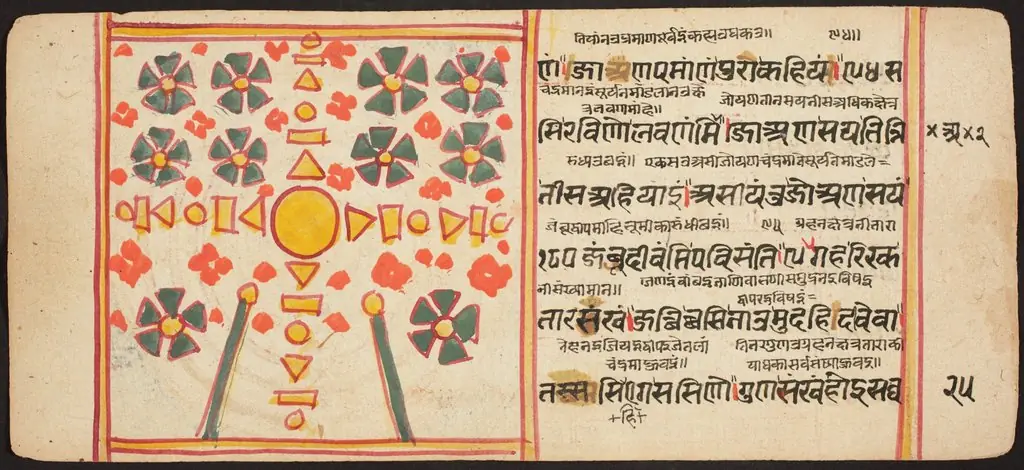 Tantric Manuscript "Sangrahani Sutra"
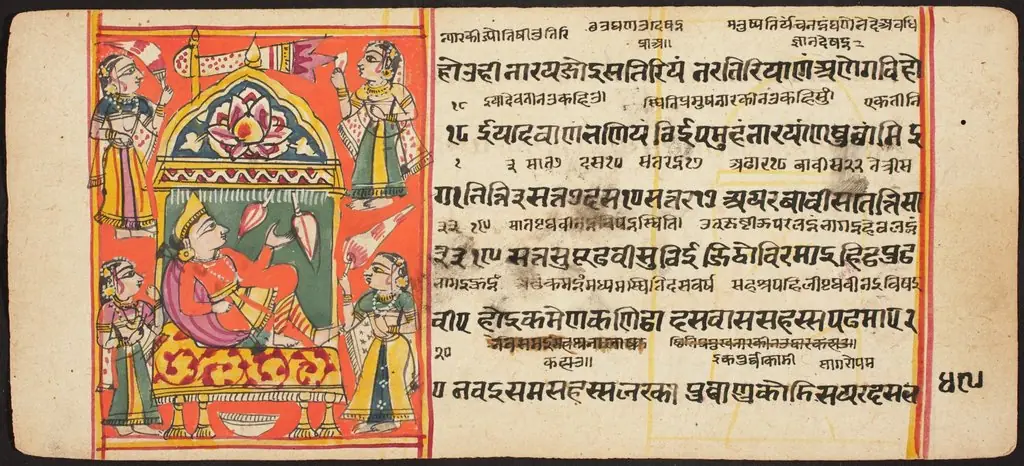 Tantric Manuscript "Sangrahani Sutra"
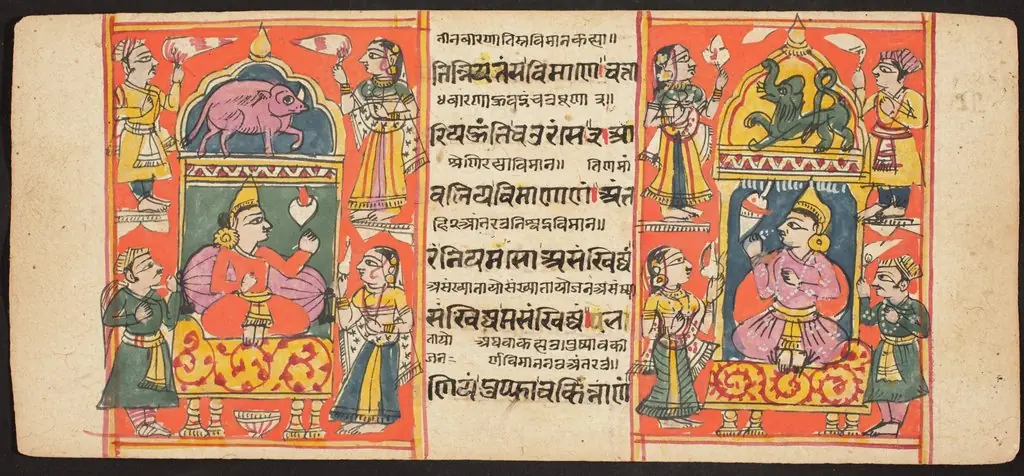 Tantric Manuscript "Sangrahani Sutra"
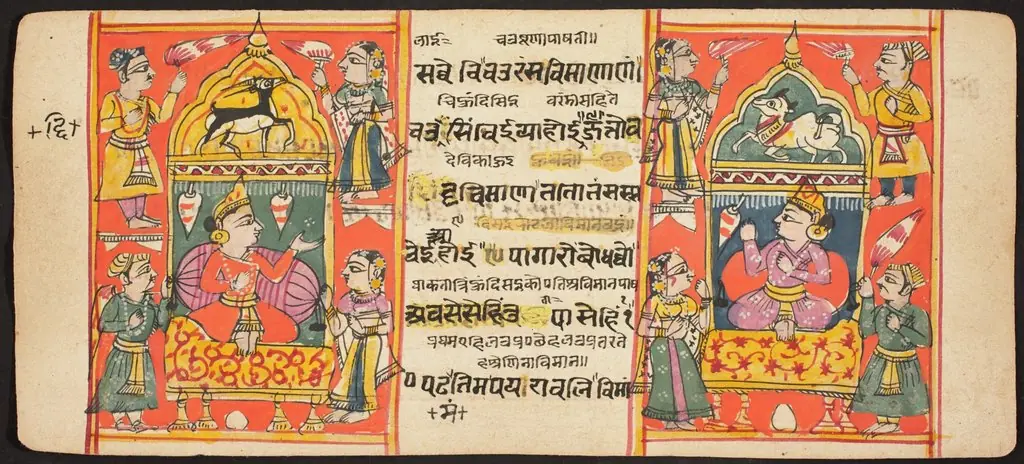 Tantric Manuscript "Sangrahani Sutra"
 Tantric Manuscript "Sangrahani Sutra"