Artwork
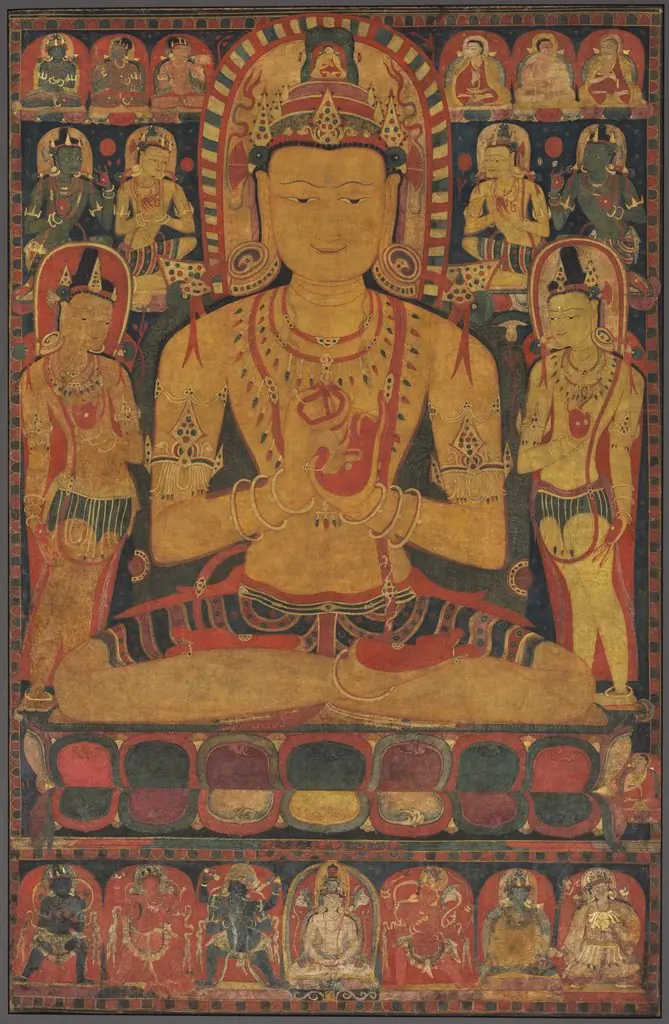
The Mahasiddha (Great Adept) Vanaratna (1384-1468) Receiving Abhishekha (Initiation) from Sita Tara (White Tara)
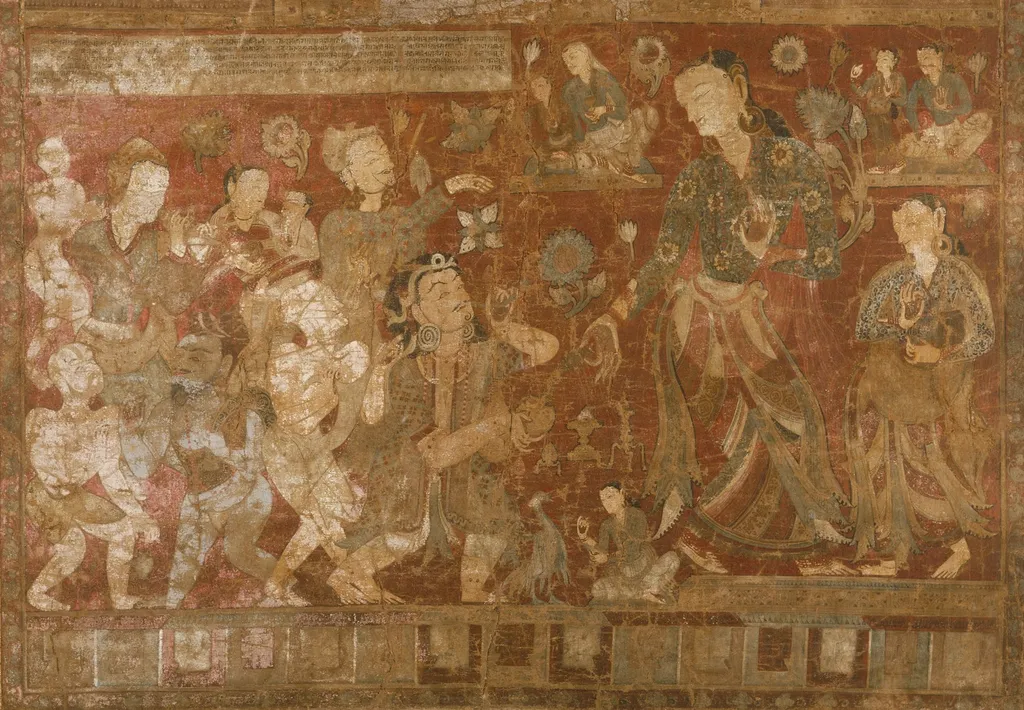
The Mahasiddha (Great Adept) Vanaratna (1384-1468) Receiving Abhishekha (Initiation) from Sita Tara (White Tara) is an unspecified painting by Unknown. It dates from 1469 and is held in the collection of the Los Angeles County Museum of Art. The work is a painted depiction of the Buddhist figure Vanaratna, a renowned Mahasiddha who lived between 1384 and 1468.
About this work
Overview
The work is a painted depiction of the Buddhist figure Vanaratna, a renowned Mahasiddha who lived between 1384 and 1468. In the scene he is shown receiving the ritual abhisheka, or initiation, from the deity Sita Tara, an aspect of White Tara. The composition centers on the transmission of spiritual empowerment, a key moment in tantric practice.
Subject & Meaning
Vanaratna, celebrated for his mastery of esoteric teachings, is portrayed at the moment of receiving empowerment, symbolizing the transmission of wisdom and the continuity of lineage. Sita Tara, embodying compassion and longevity, offers the abhisheka, indicating the disciple’s acceptance of the deity’s blessings and the integration of her qualities into his practice.
Technique & Style
The painting employs traditional Tibetan thangka methods, with mineral pigments applied on a prepared cloth surface. Fine line work outlines the figures, while vibrant colors—particularly whites, blues, and reds—highlight the divine aura surrounding Sita Tara. Gold leaf accents delineate the ritual implements, enhancing the ceremonial atmosphere.
History & Provenance
Created during the late 15th century, the piece reflects the devotional art produced in Himalayan monastic workshops. Its provenance traces back to a private collection in the region before entering a museum setting in the early 20th century, where it has been conserved and displayed as part of a broader exhibition on tantric iconography.
Context
The painting belongs to a corpus of works illustrating initiation rites, a central theme in Vajrayana Buddhism. Such images served both as instructional tools for practitioners and as objects of veneration, reinforcing the guru‑disciple relationship essential to the tradition’s transmission.
Artist & collection

 Domestic Scene
 Giacomo and Cardinal Marco, investing Andrea, Abbot of San Zeno, with his Benefice
 The Nymph of Fontainebleau
 Portrait of a Woman
 Madonna and Child with Saints in the Enclosed Garden
 Venus and Minerva
 Family Group of Four on Sofa
 Wall painting from Room H of the Villa of P. Fannius Synistor at Boscoreale
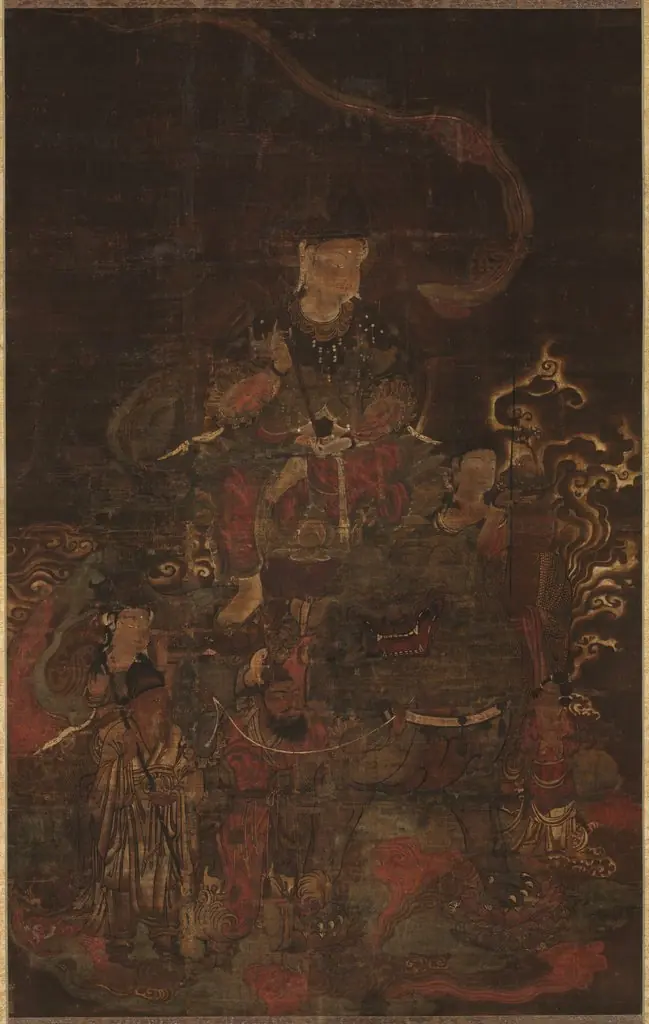 Monju Riding Lion with Attendants
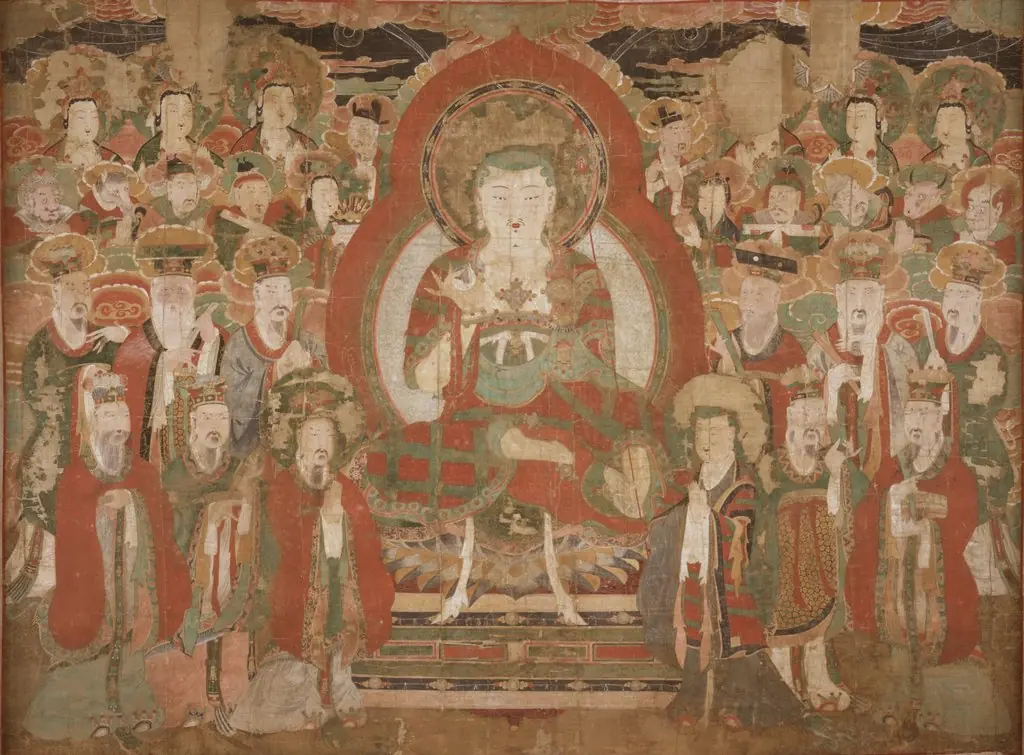 Ksitigarbha as Supreme Lord of the Underworld
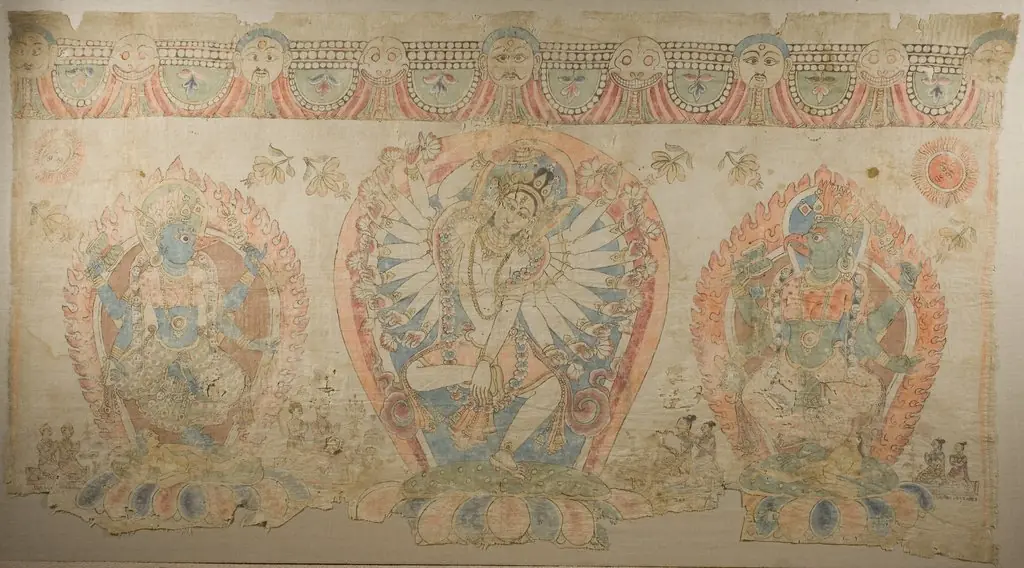 Tantric Temple Banner of a Dancing Goddess Flanked by Dakinis
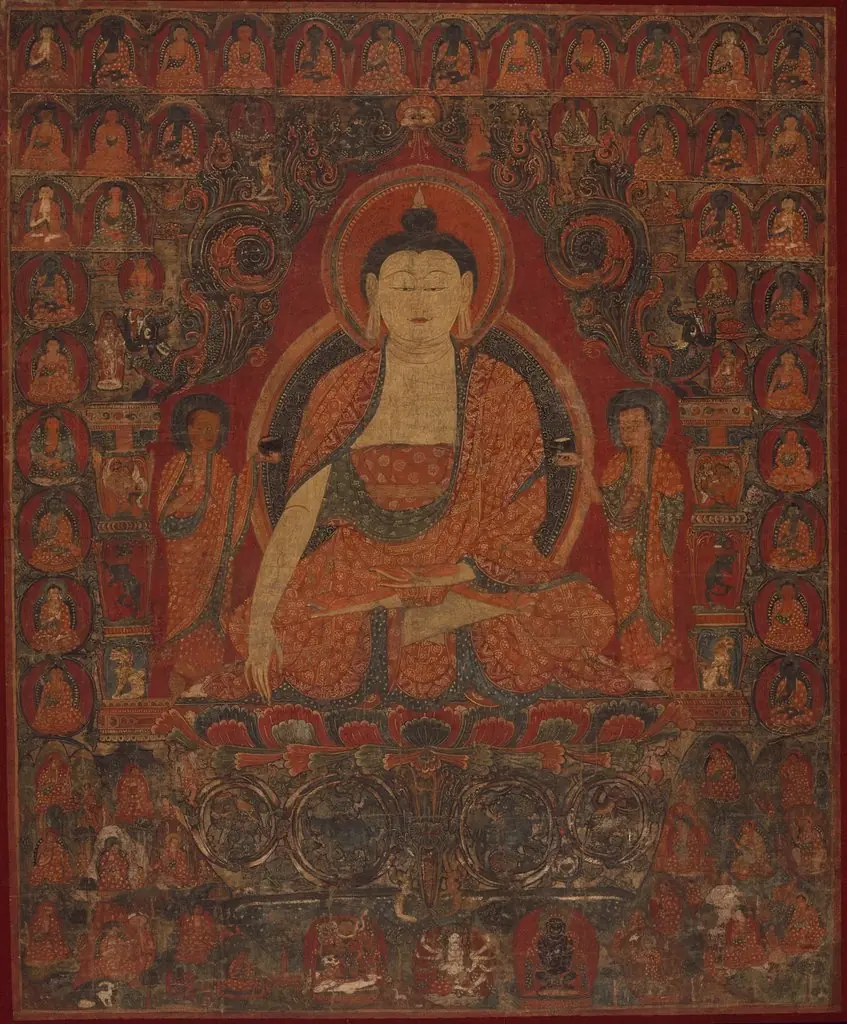 Shakyamuni with the Thirty-Five Buddhas of the Confession of Sins and the Eighteen Arhats
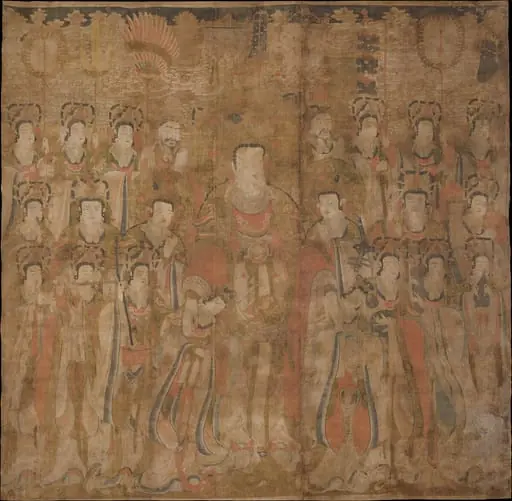 작자미상 범천왕을 중심으로 한 신중도 조선|作者未詳 神衆圖 朝鮮|Brahma with Attendants and Musicians
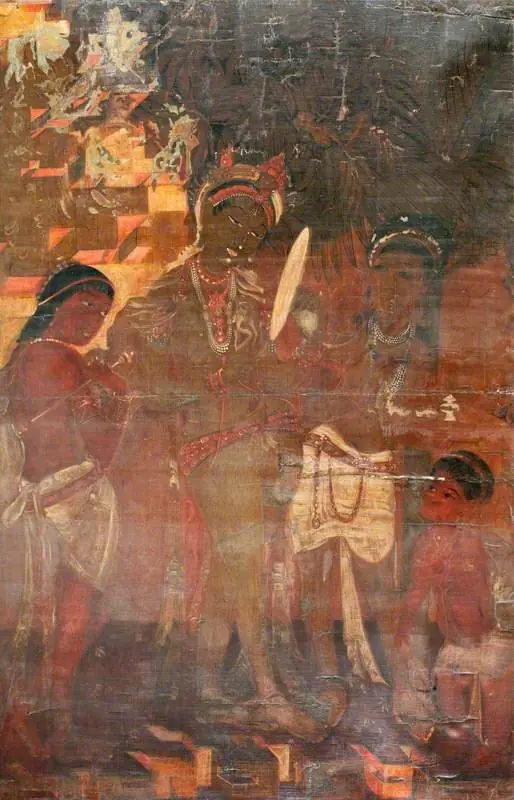 Copy of Painting inside the Caves of Ajanta (cave 17)
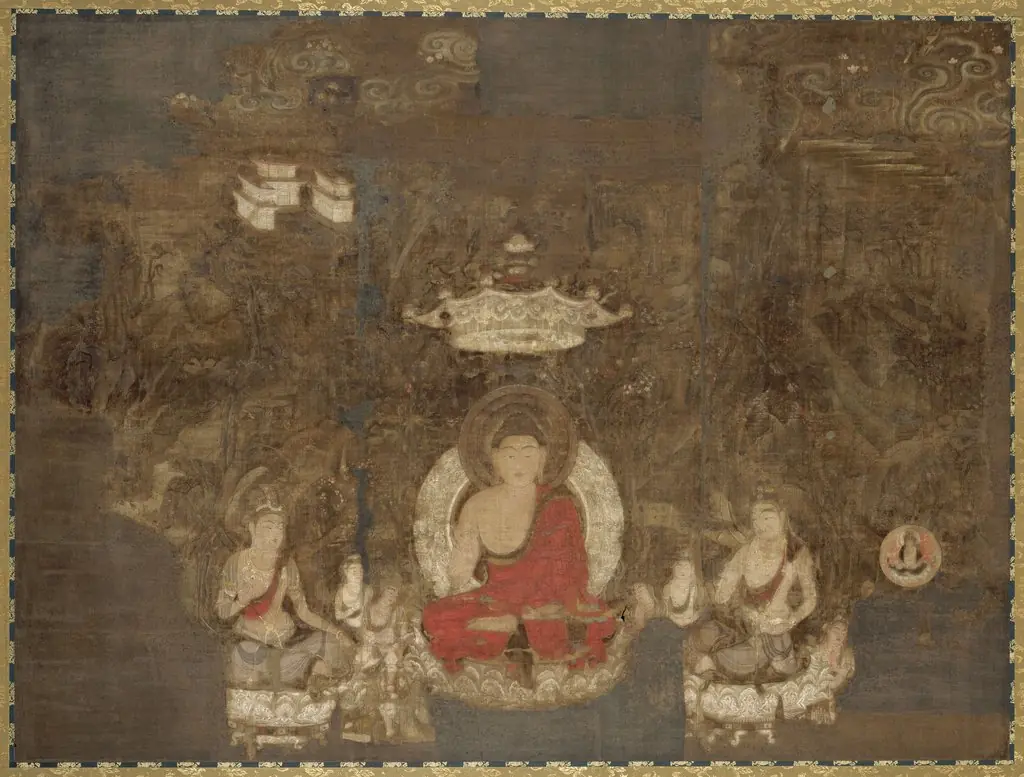 Shaka, the Historical Buddha, Preaching on Vulture Peak
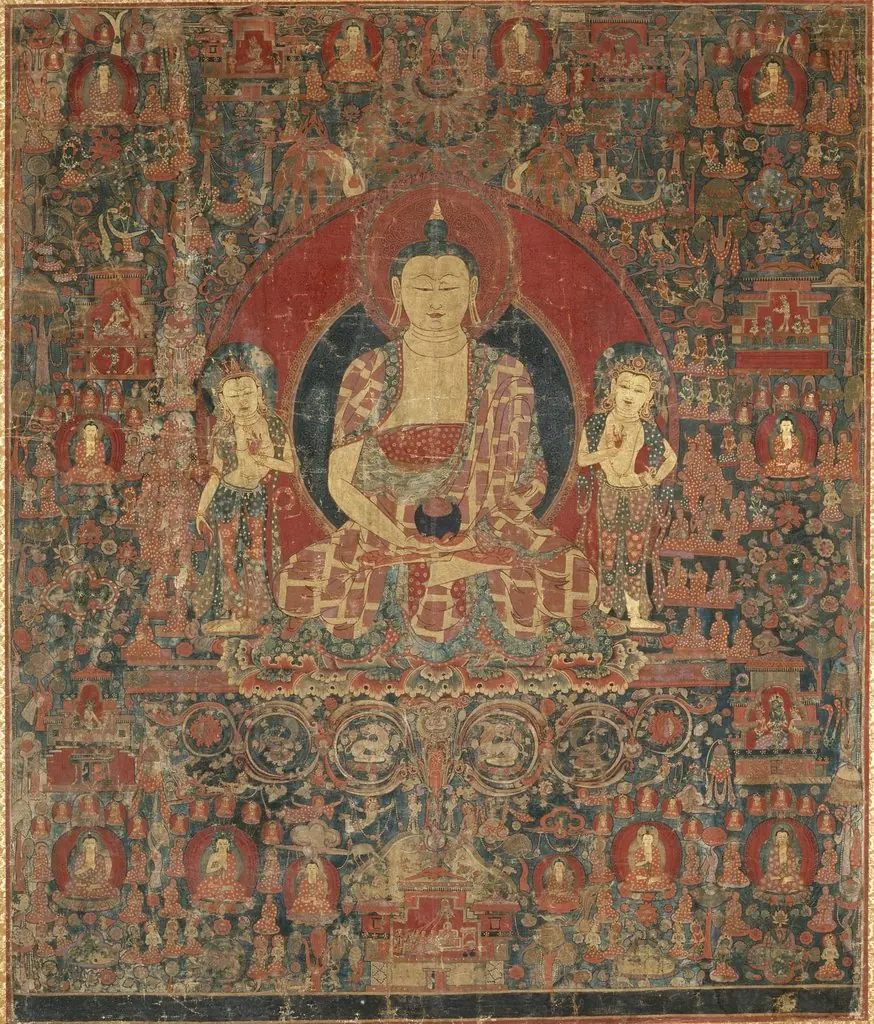 The Jina Buddha of Infinite Light (Amitabha) in His Pure Land Paradise (Sukhavati)
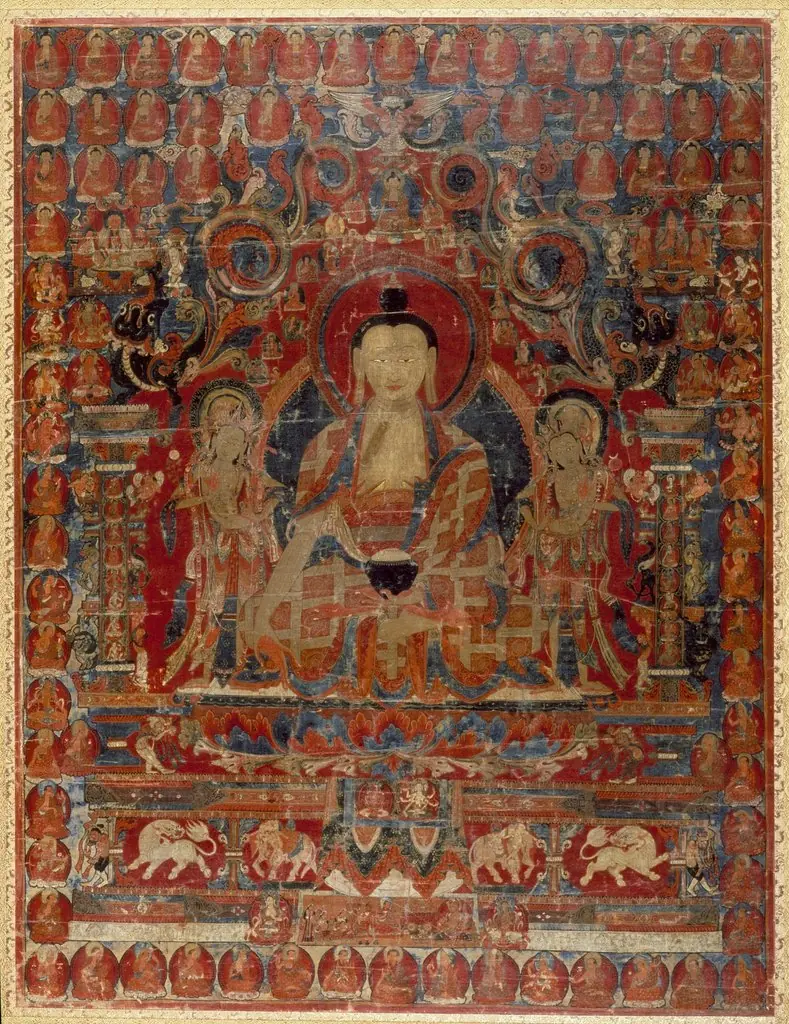 The Supreme Physician (Bhaishajyaguru) and His Celestial Assembly
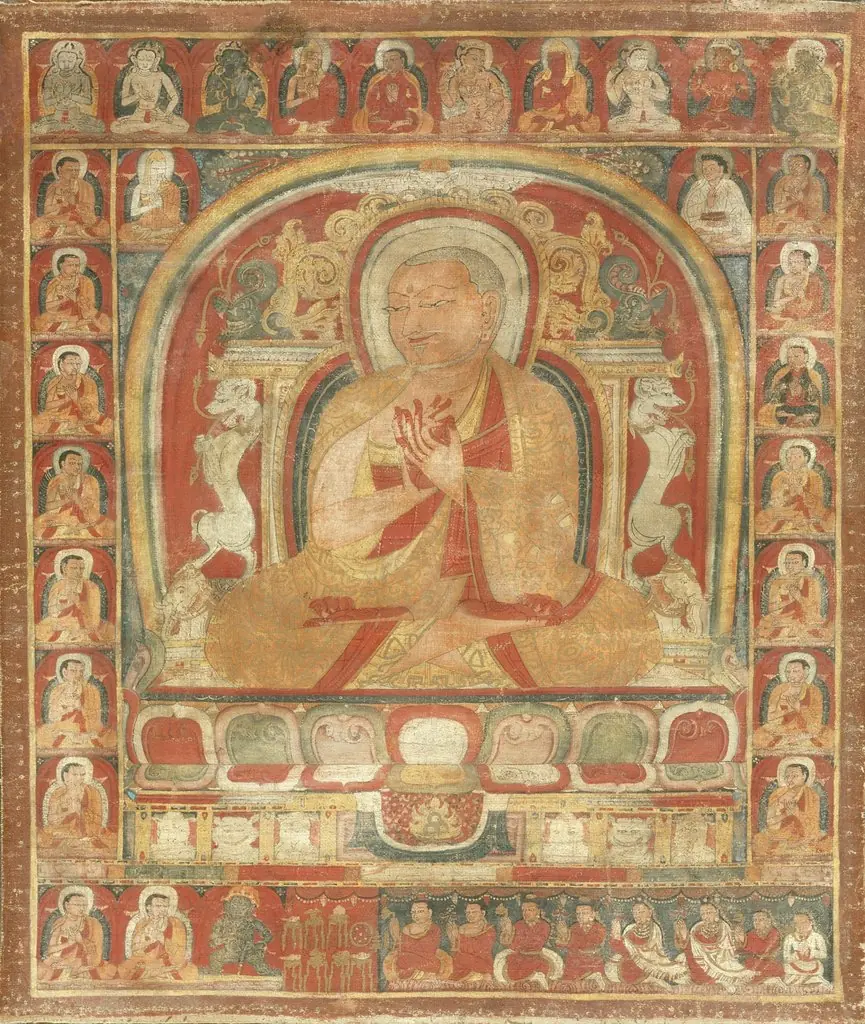 An Abbot and His Lineage
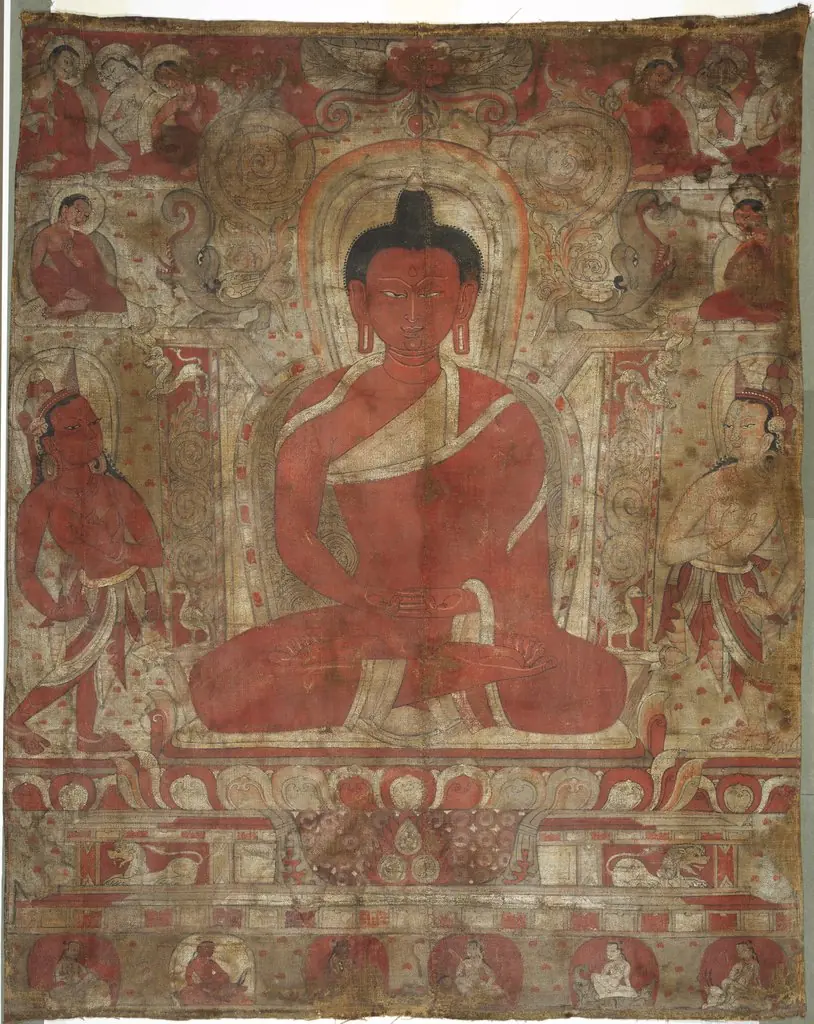 Seated Amitabha with Attendants
 Tantric Buddha Vairochana as Vajrasattva